

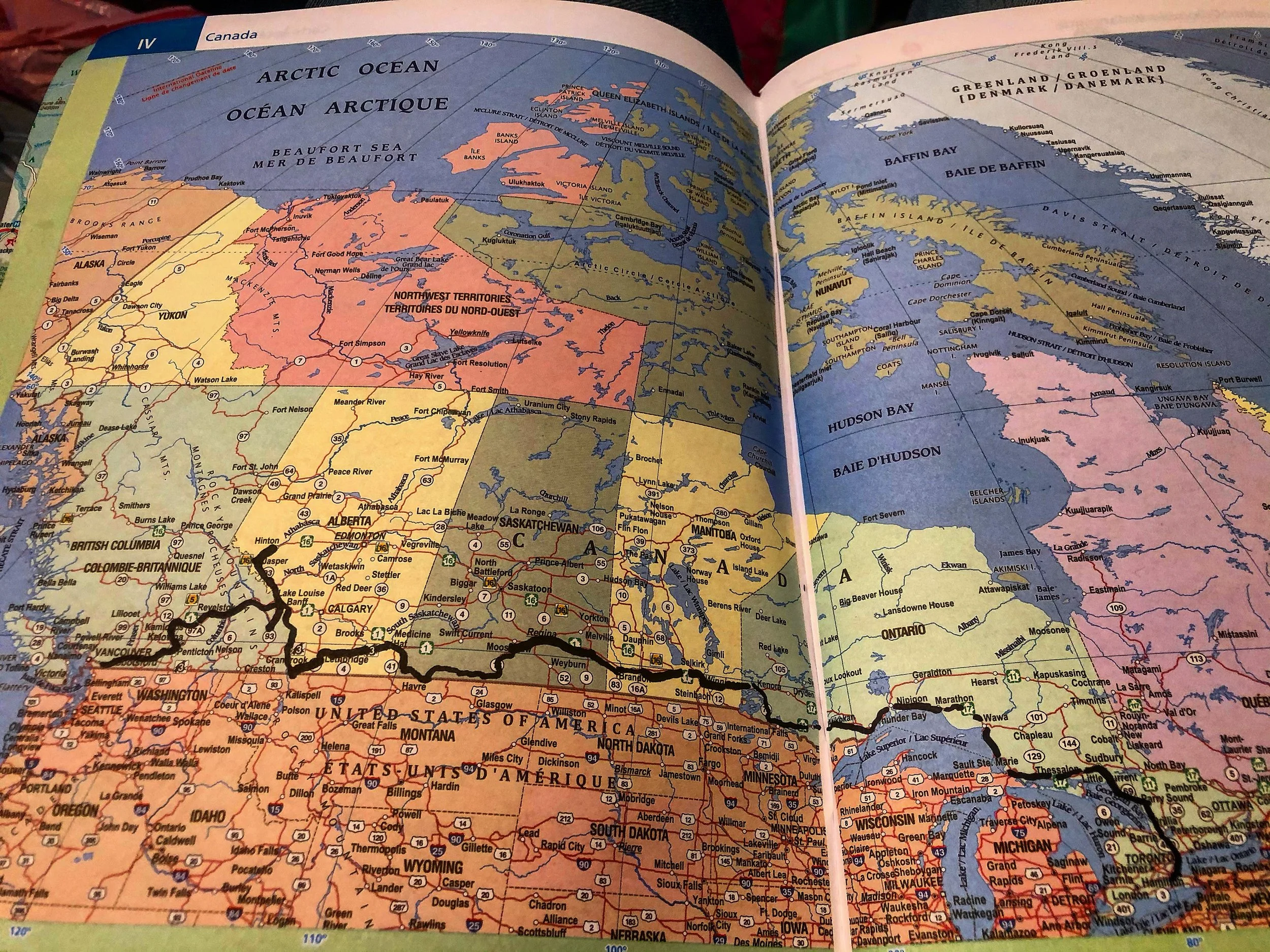
Canada is a vast country.
From historic Atlantic fishing villages in Nova Scotia to the wild shores of Tofino on the west coast of Vancouver Island, there are an infinite number of places you could take the time to visit, to explore, to feel.
Whether you’re looking for rich history, breathtaking landscapes, mountain towns, historic villages, vibrant cities, roads that stretch on forever and melt into the horizon, Canada has it all.
Here are twelve places in Canada you need to see in your lifetime.
Place Royale, Quebec
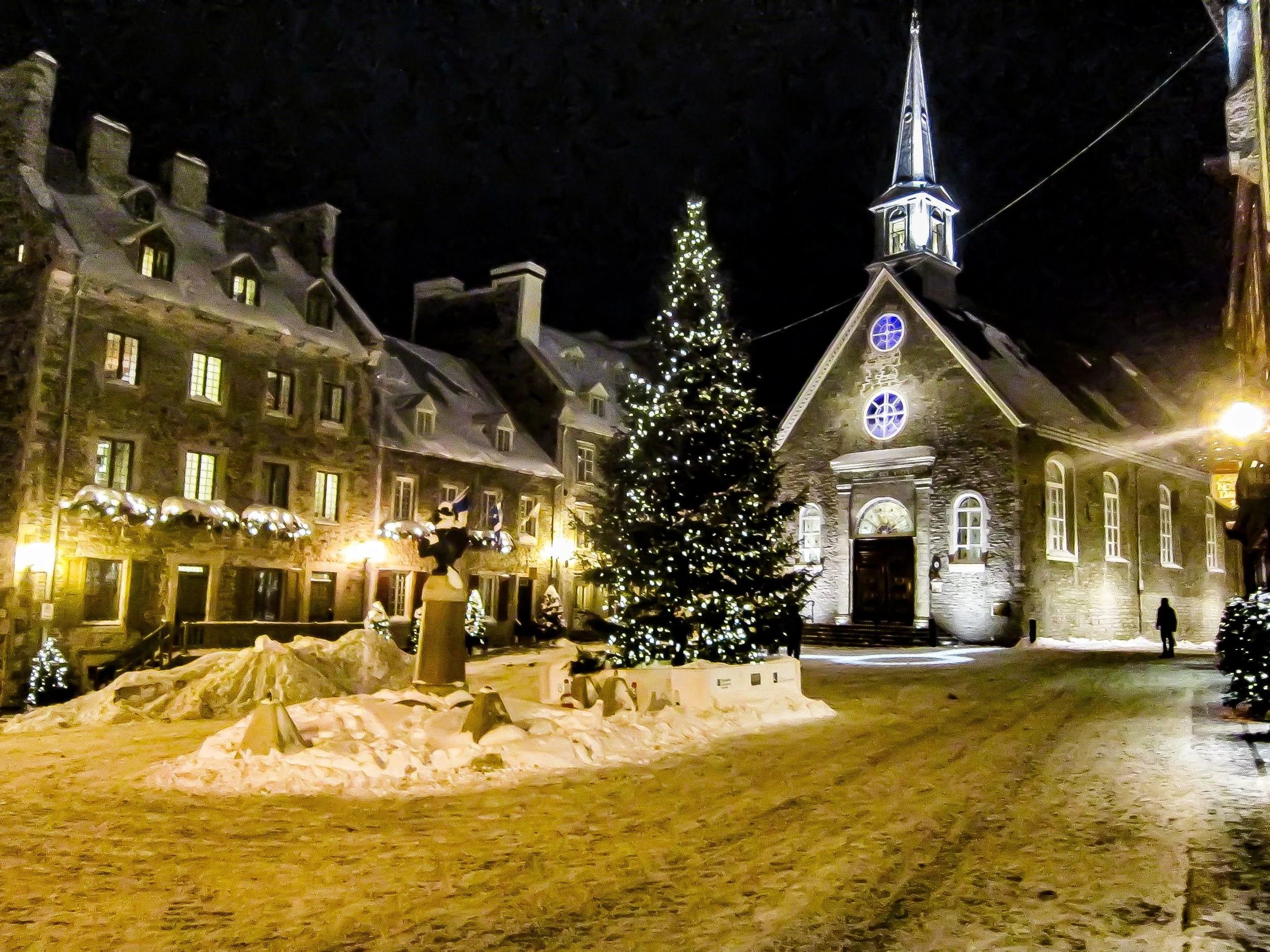
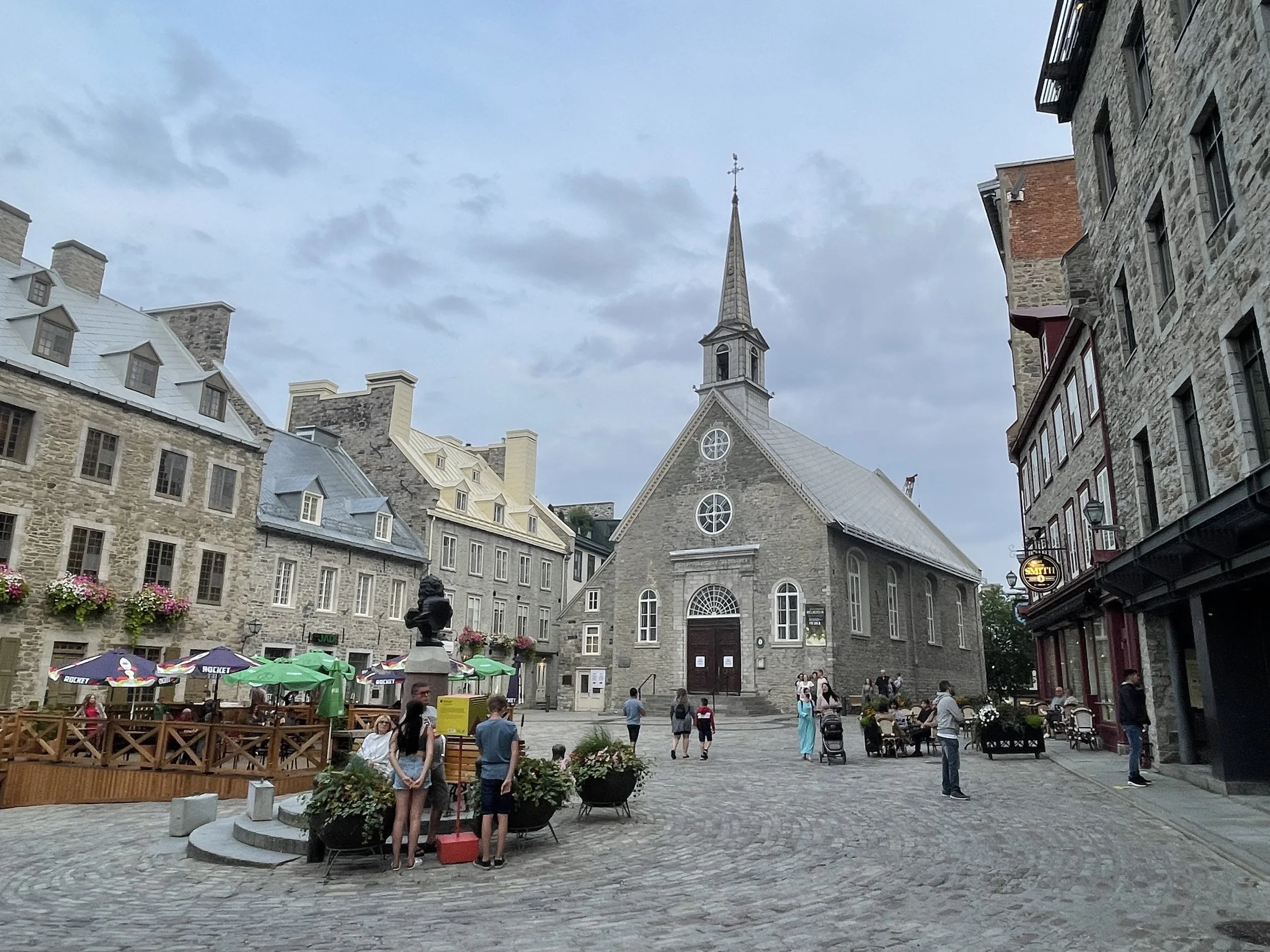
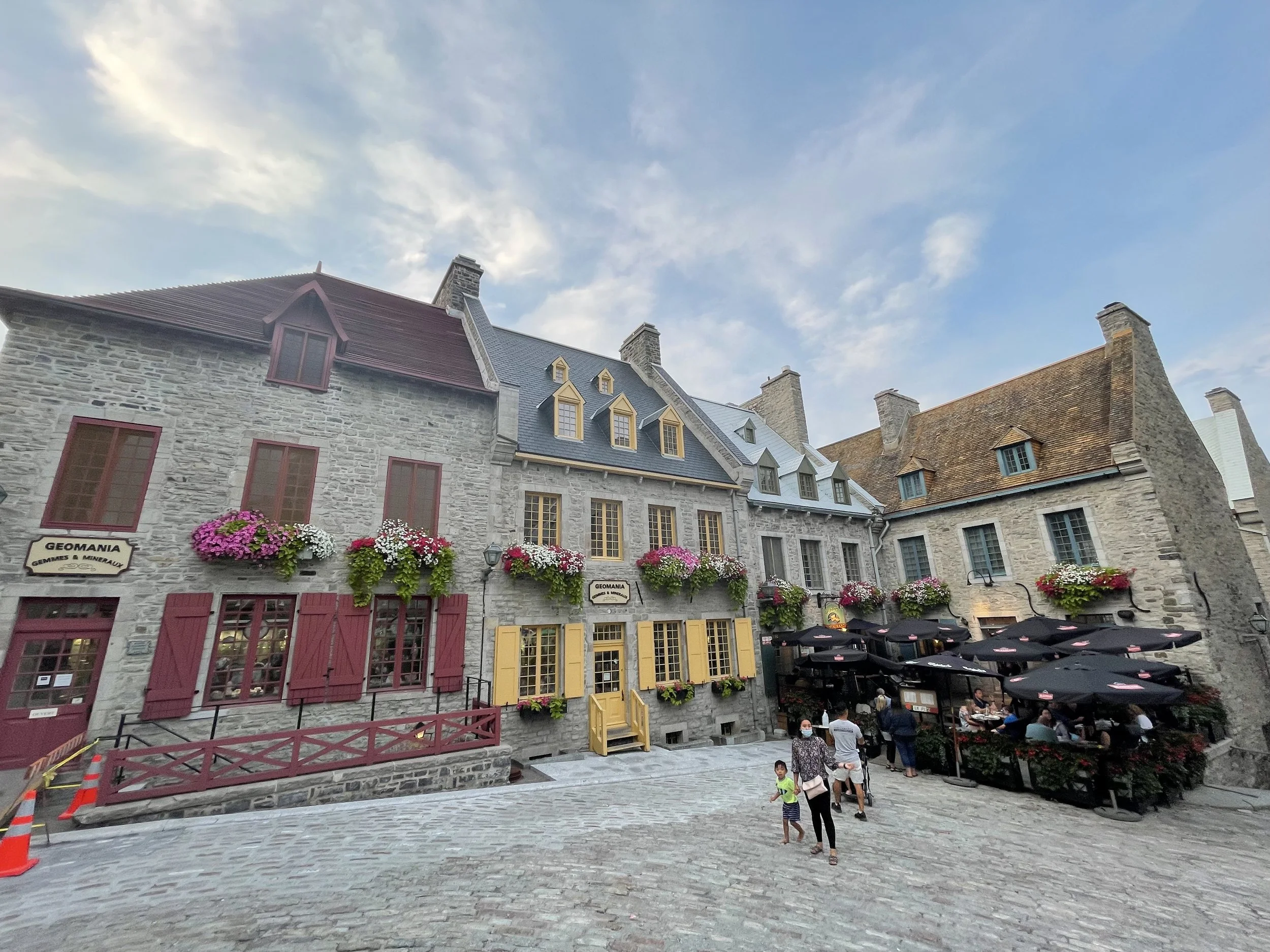
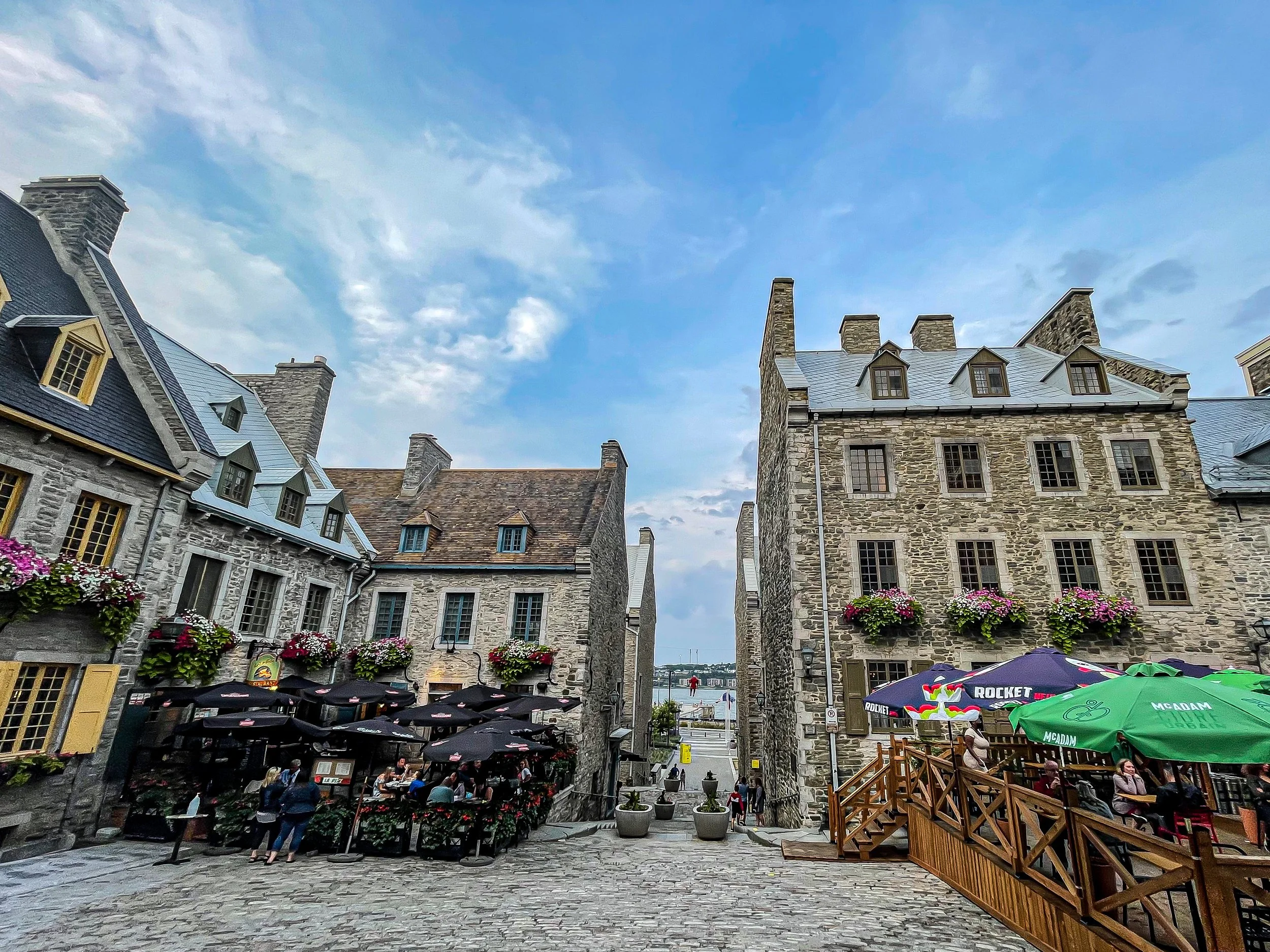
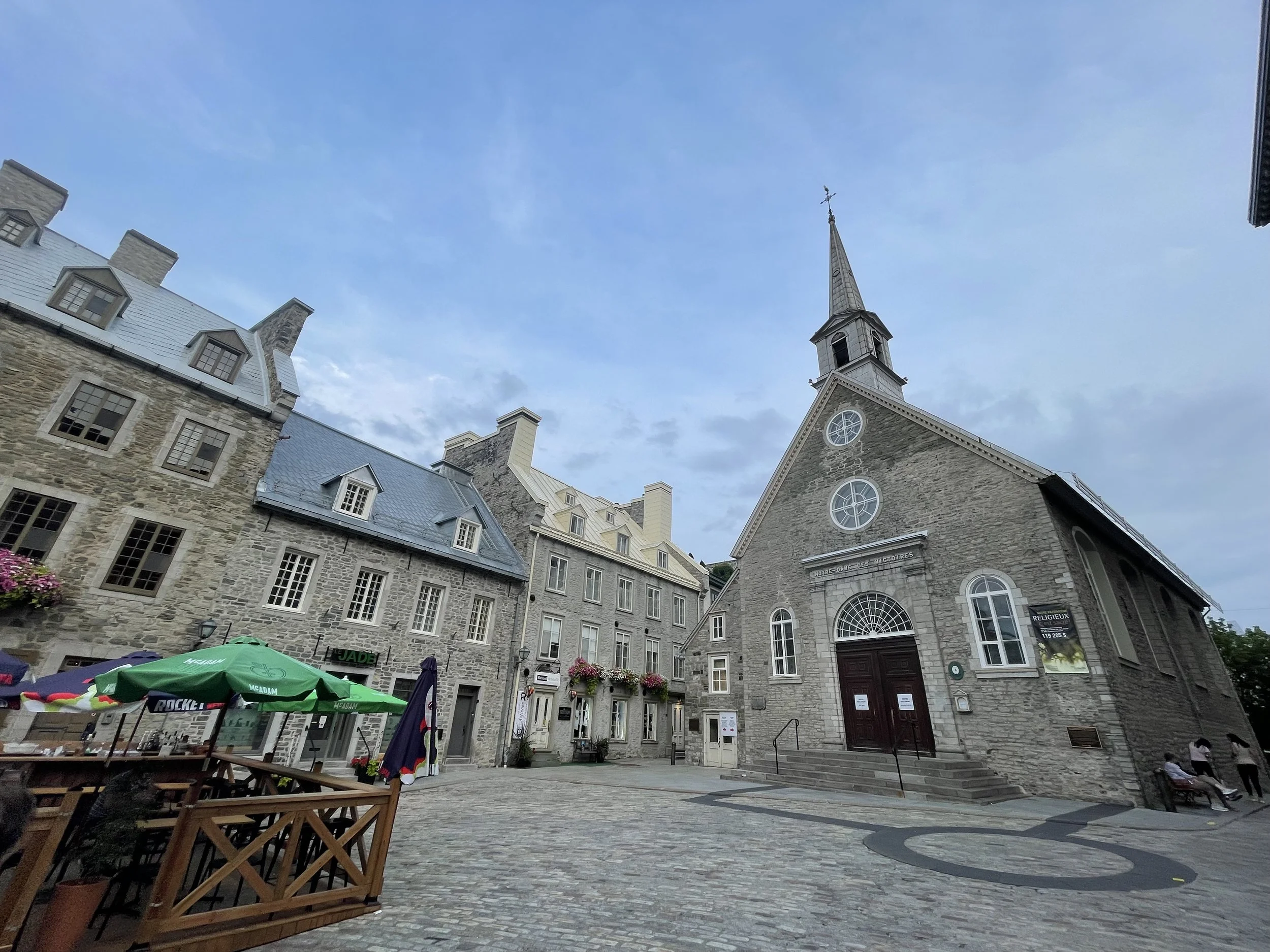
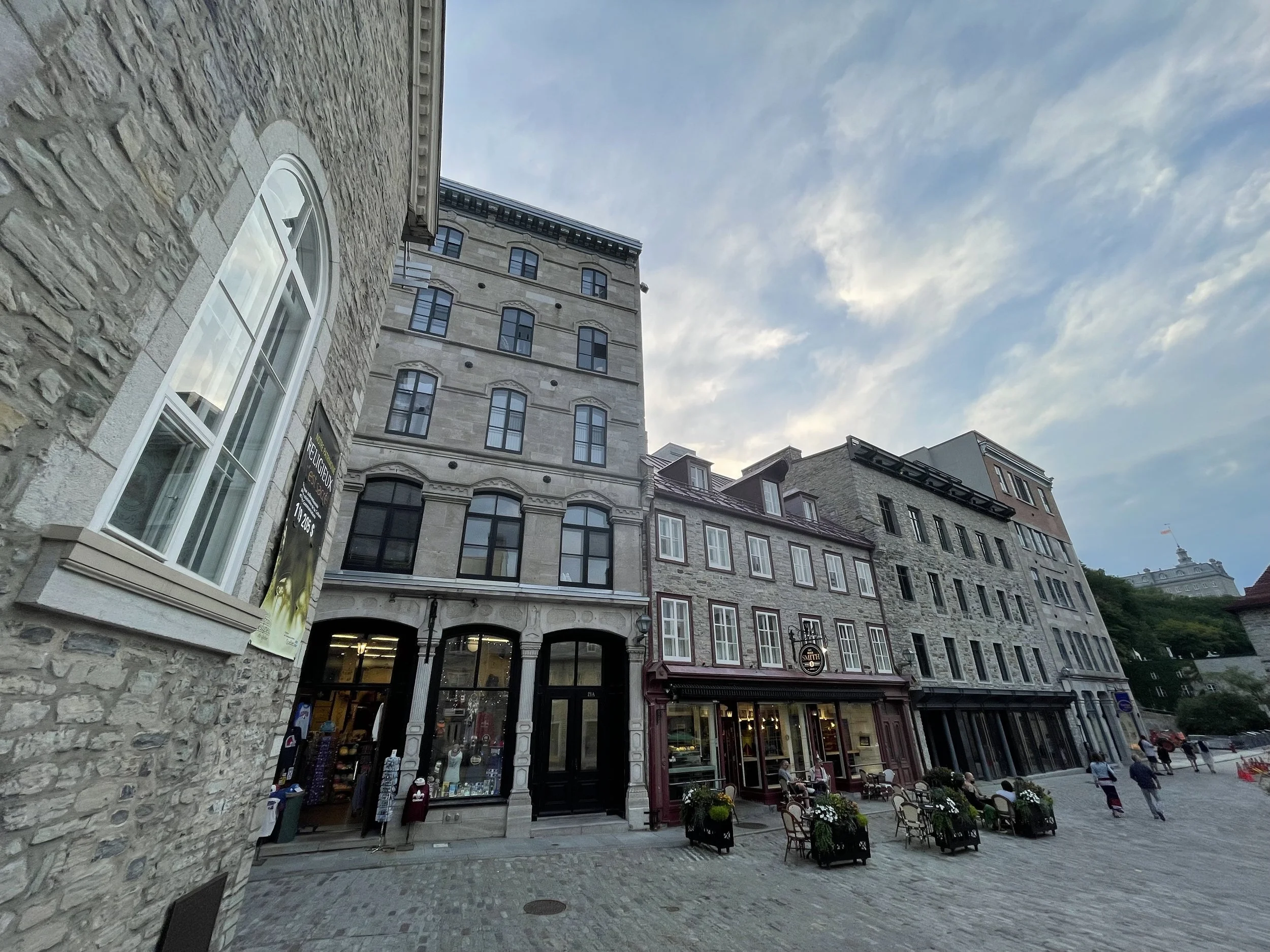
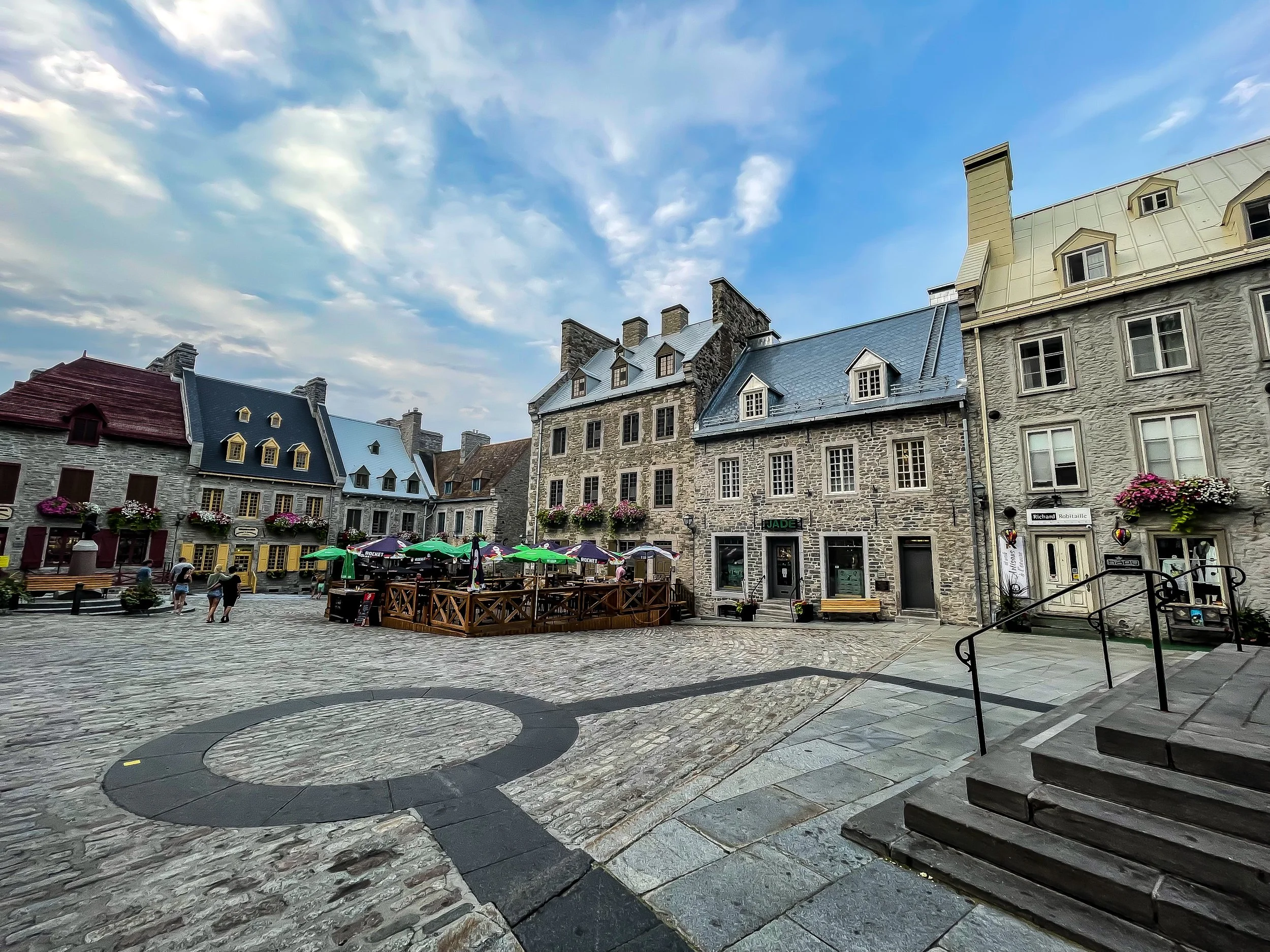
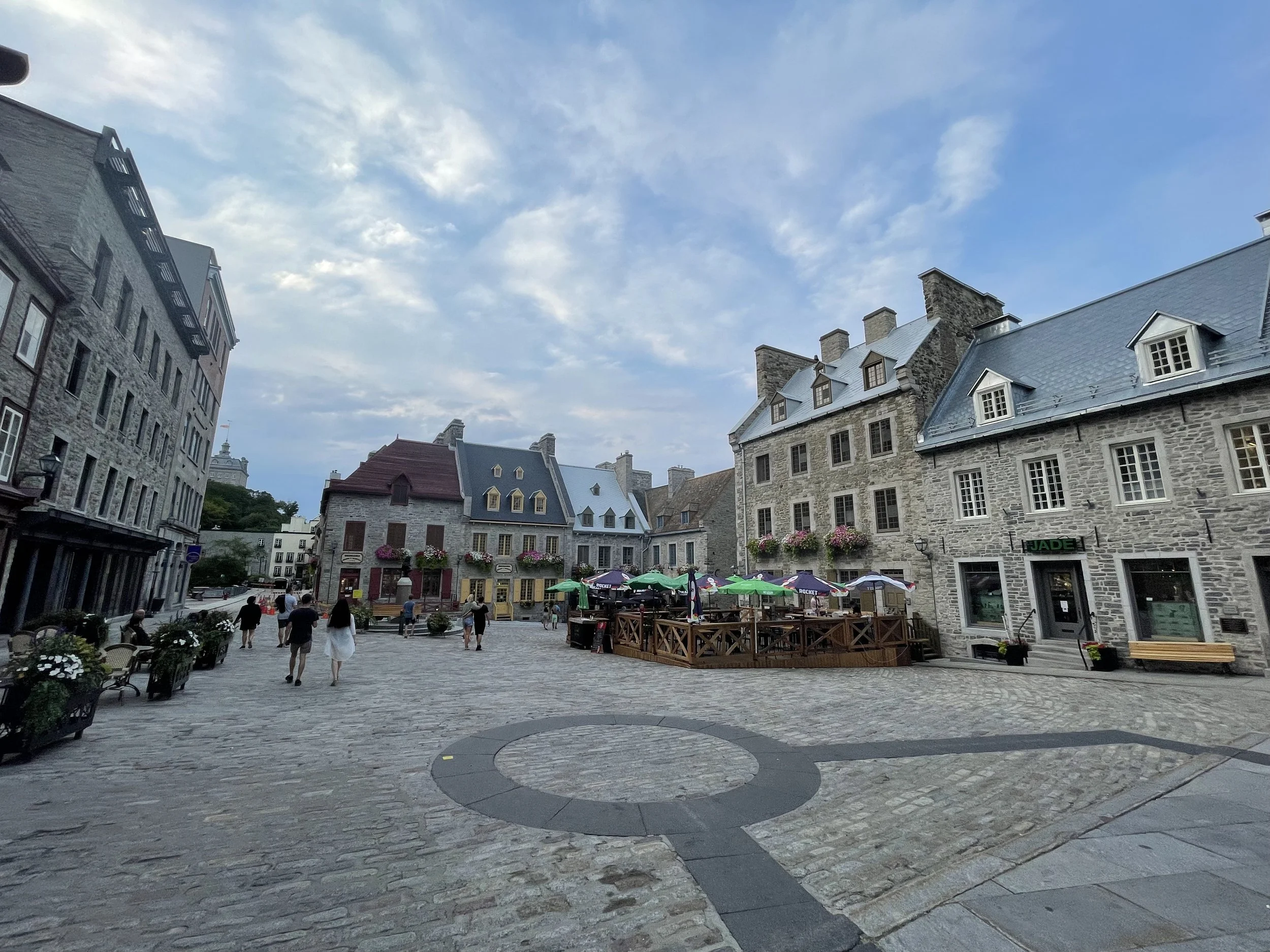
Why not start with this historic place where Canada was born?
Place Royale is a magical place where you will instantly step back in time over 400 years to 1608 when this site was selected by French explorer Samuel de Champlain as the foundation for the new settlement that would become Quebec City.
The church in the centre of the square is the oldest stone church in Canada built in 1688.
The old cobblestone and architecture are layered with centuries of British and French colonization and culture in this original meeting place.
A walk through Place Royale will capture your heart and your imagination as you picture yourself among French settlers, selling furs and preparing for wilderness treks westward in a new world full of possibilities.
The rich history of Place Royale lives in the old stone and comes alive as you wander through. History buffs, behold! Make sure you add this spot to your bucket list.
2. Grasslands National Park, Saskatchewan
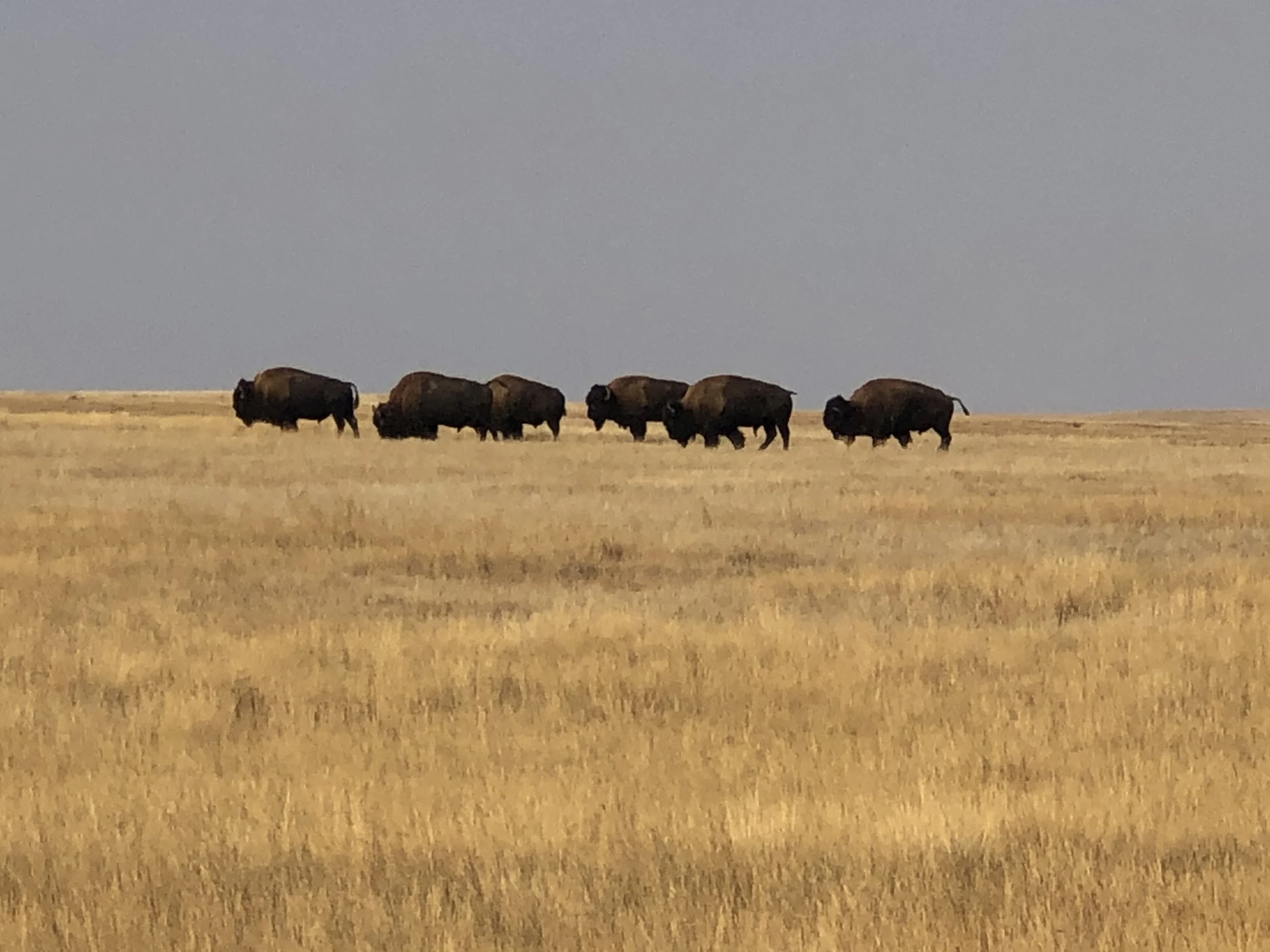
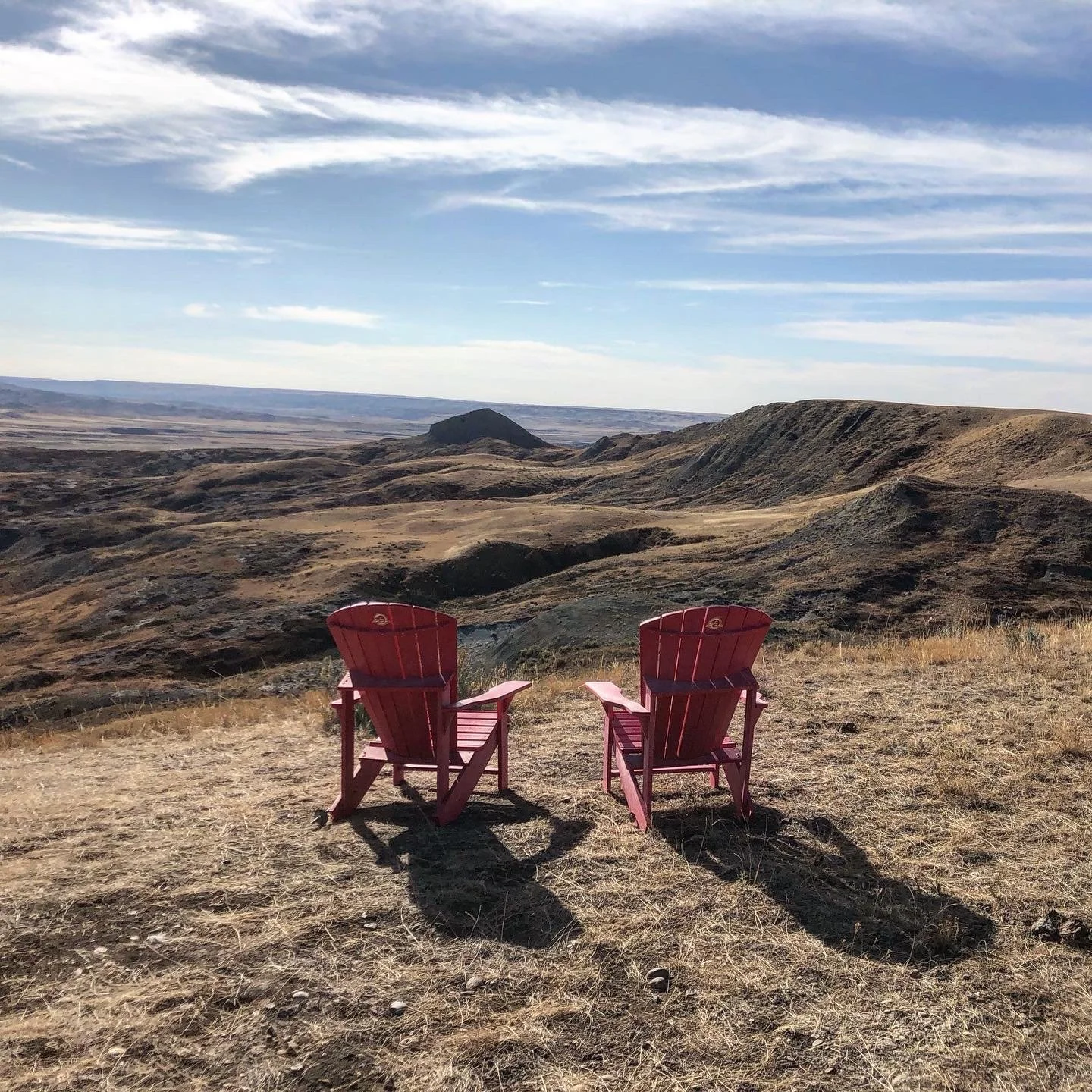
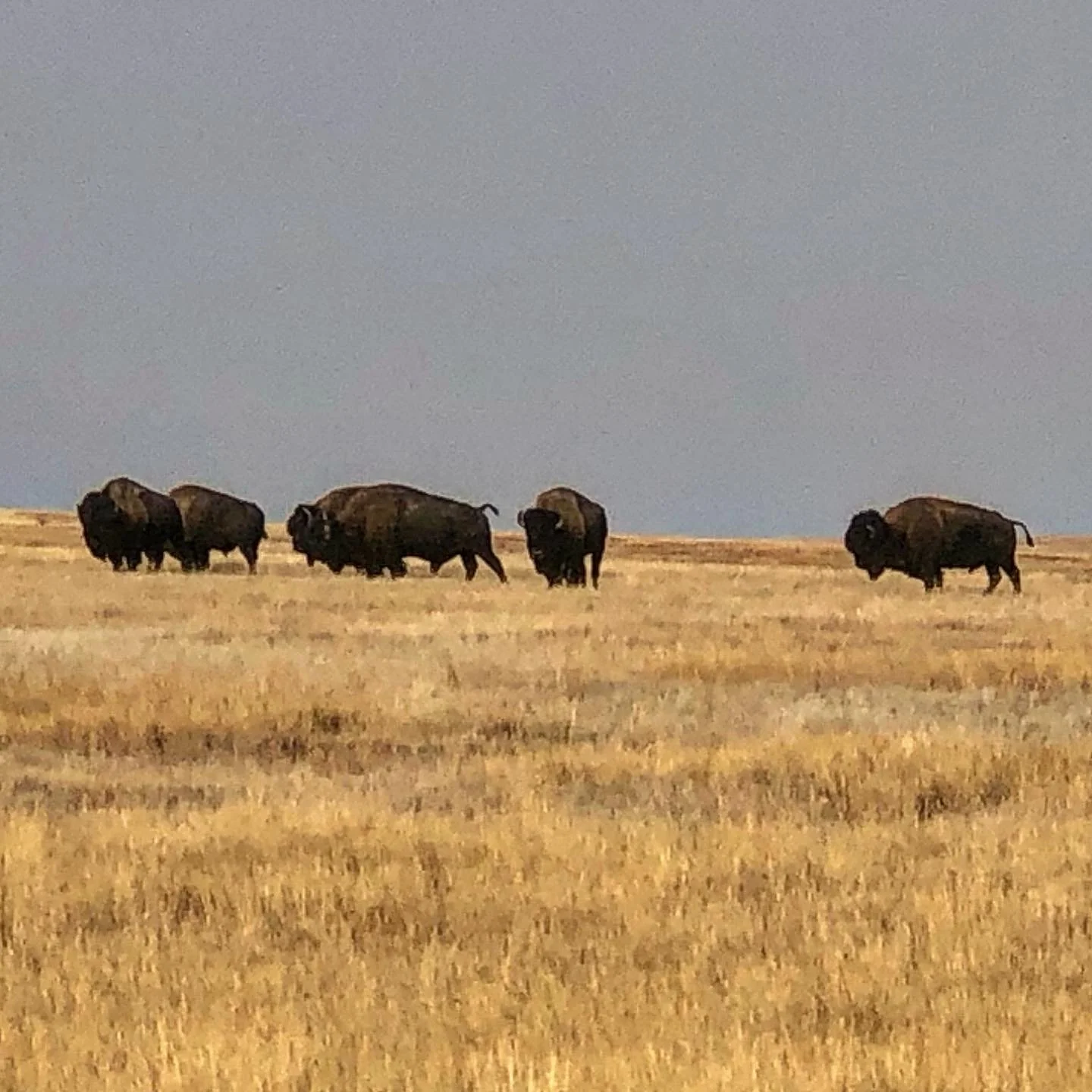
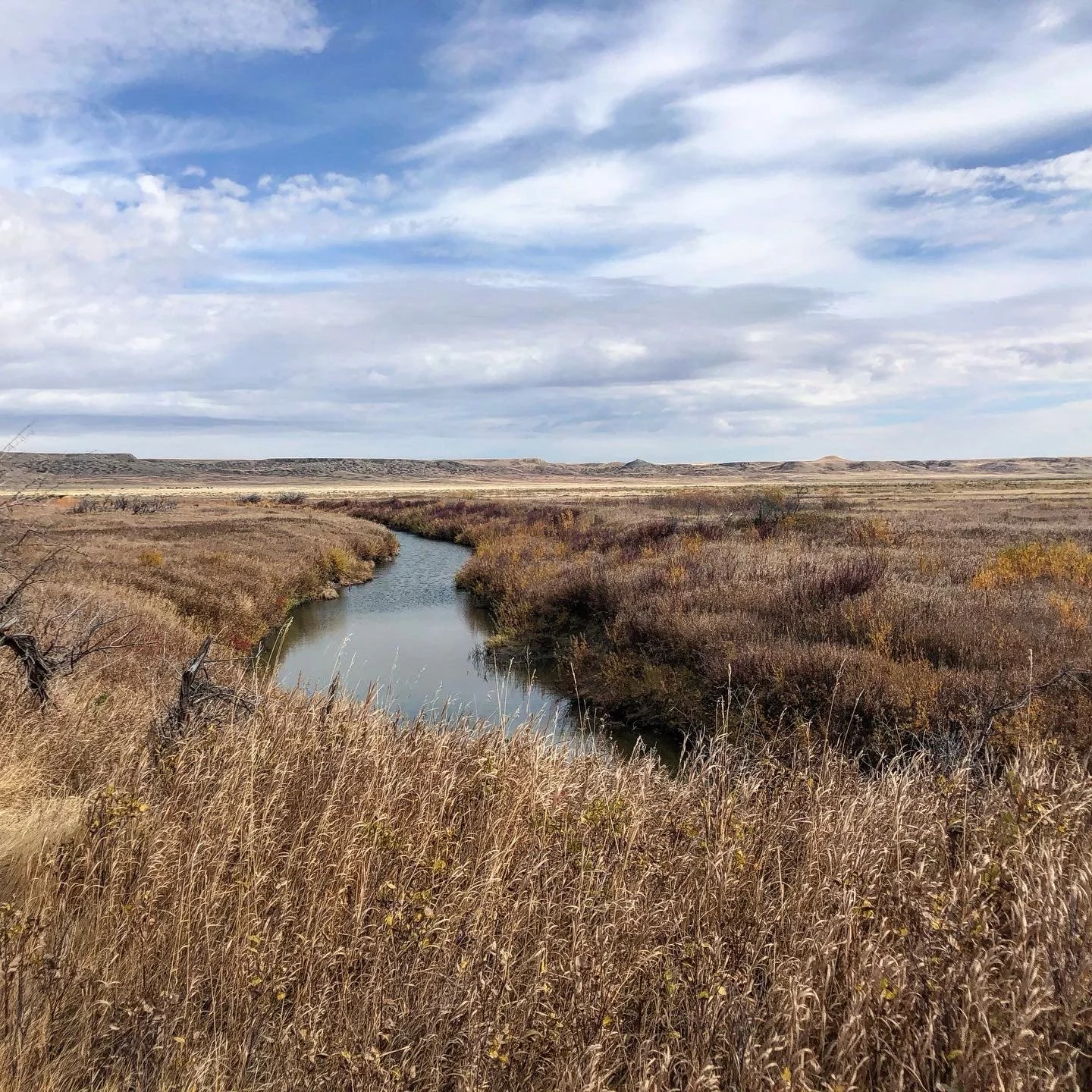
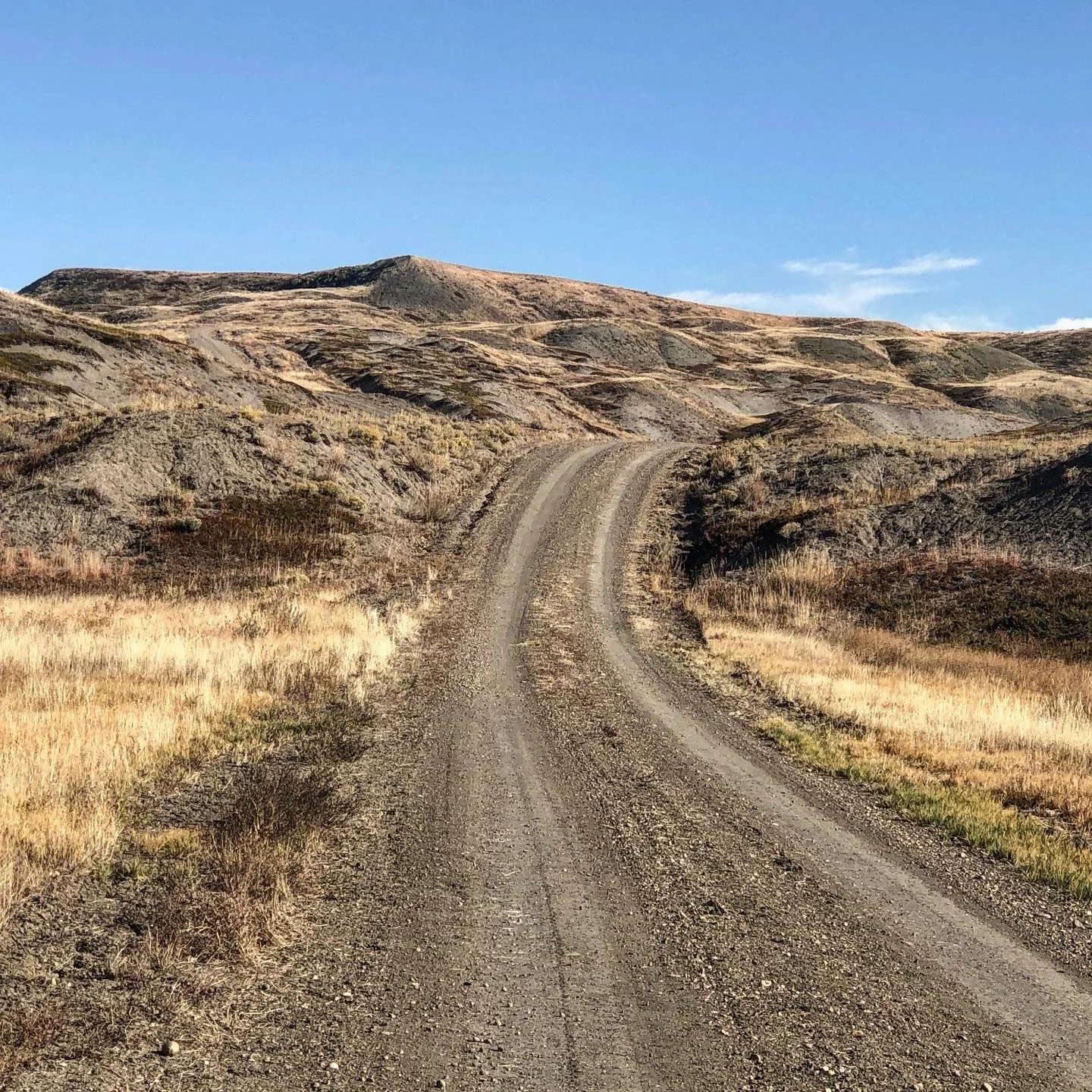
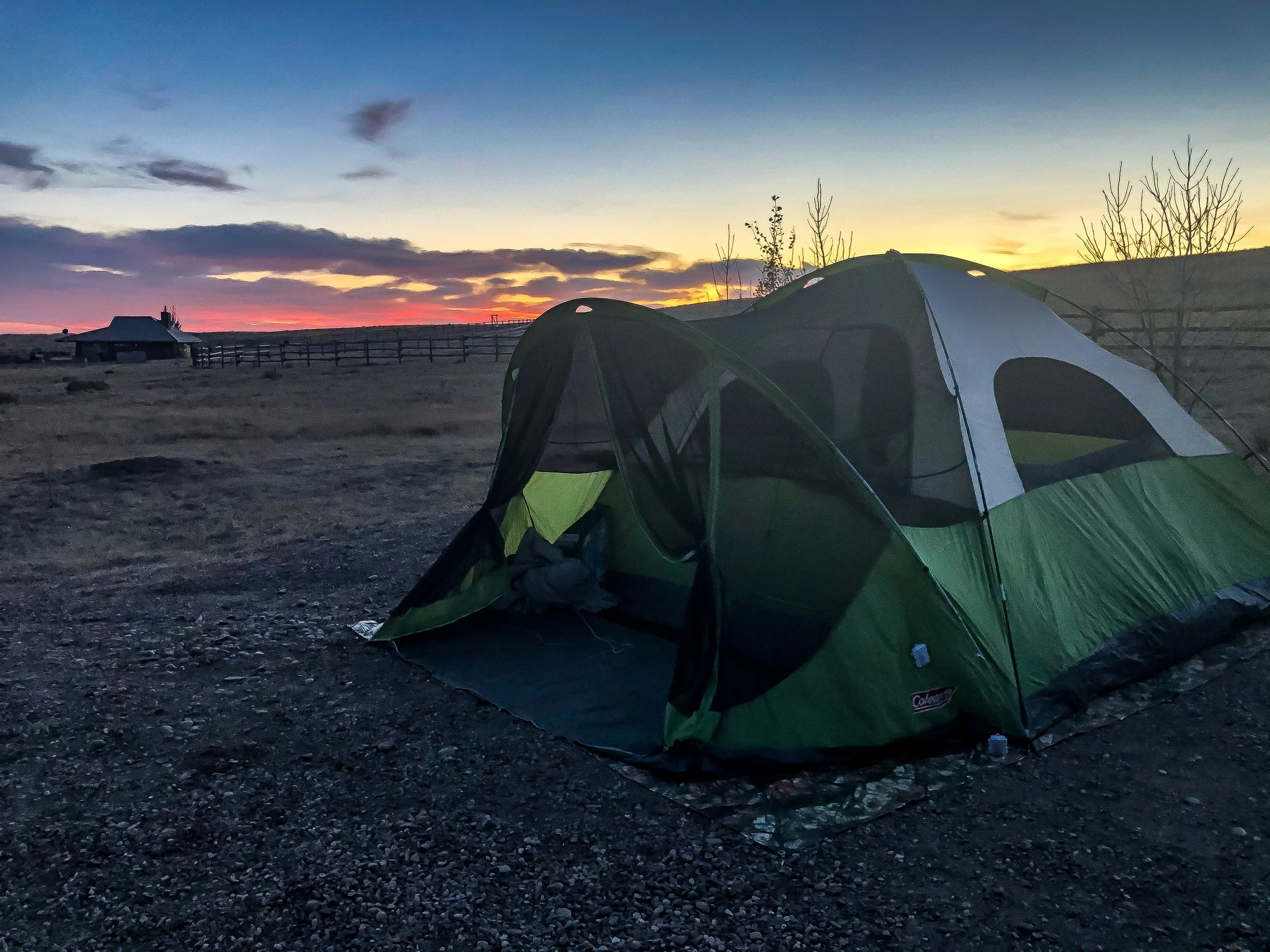
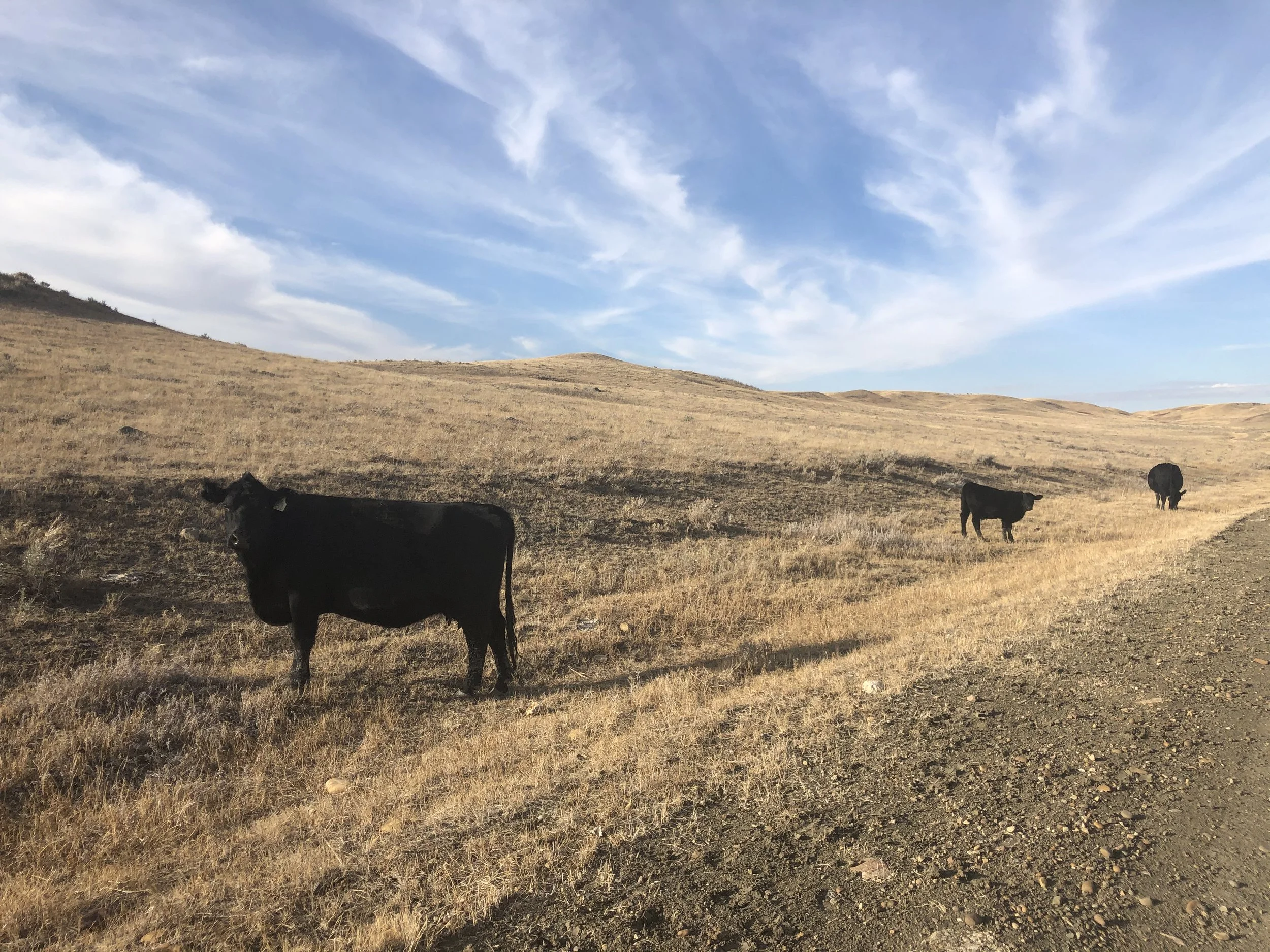
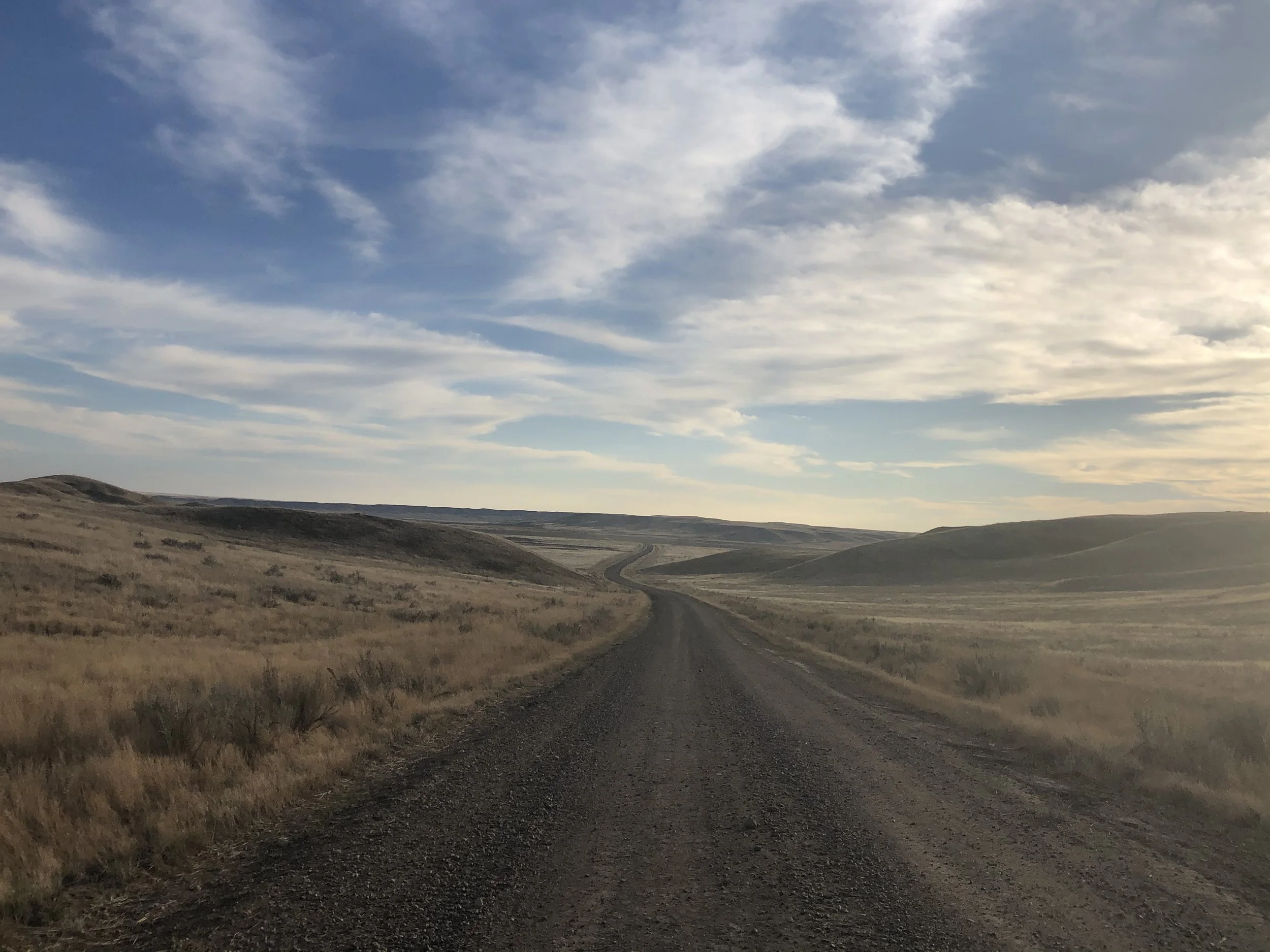
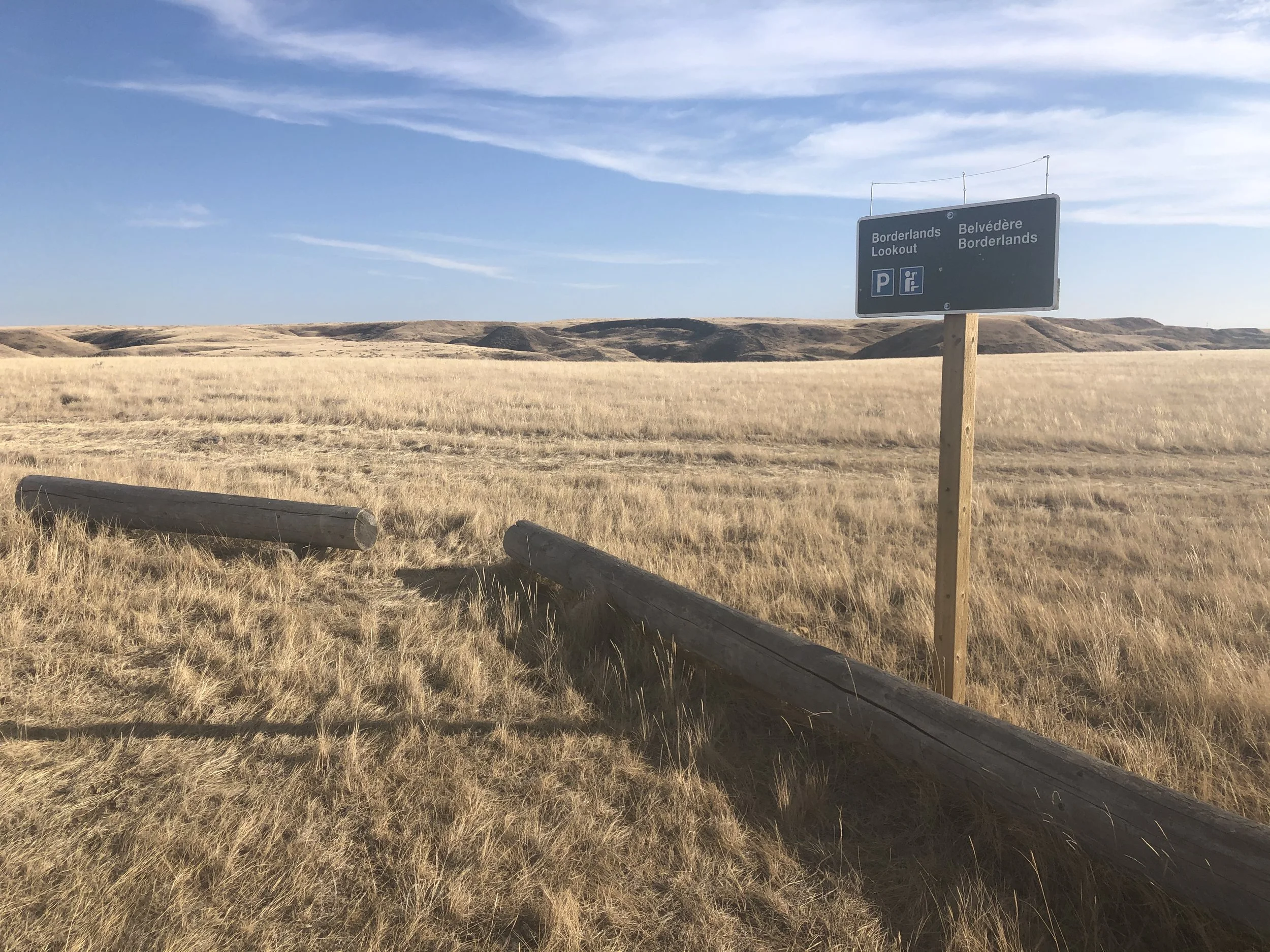
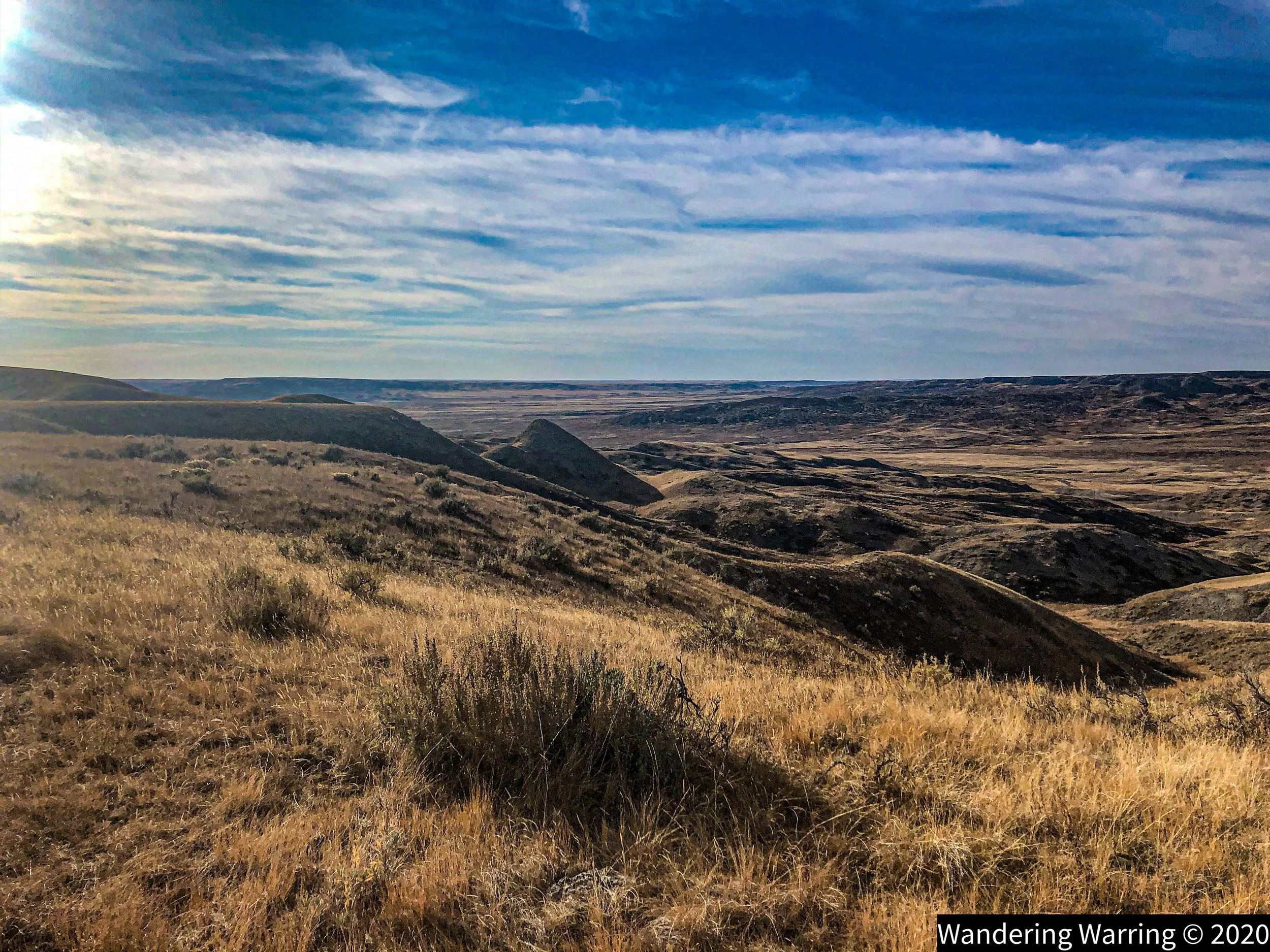
Wild bison, prairie dogs and endless Saskatchewan skies are the stars at this wondrous park.
Grasslands National Park rides along the Montana border and is unlike any other place I’ve been to in Canada.
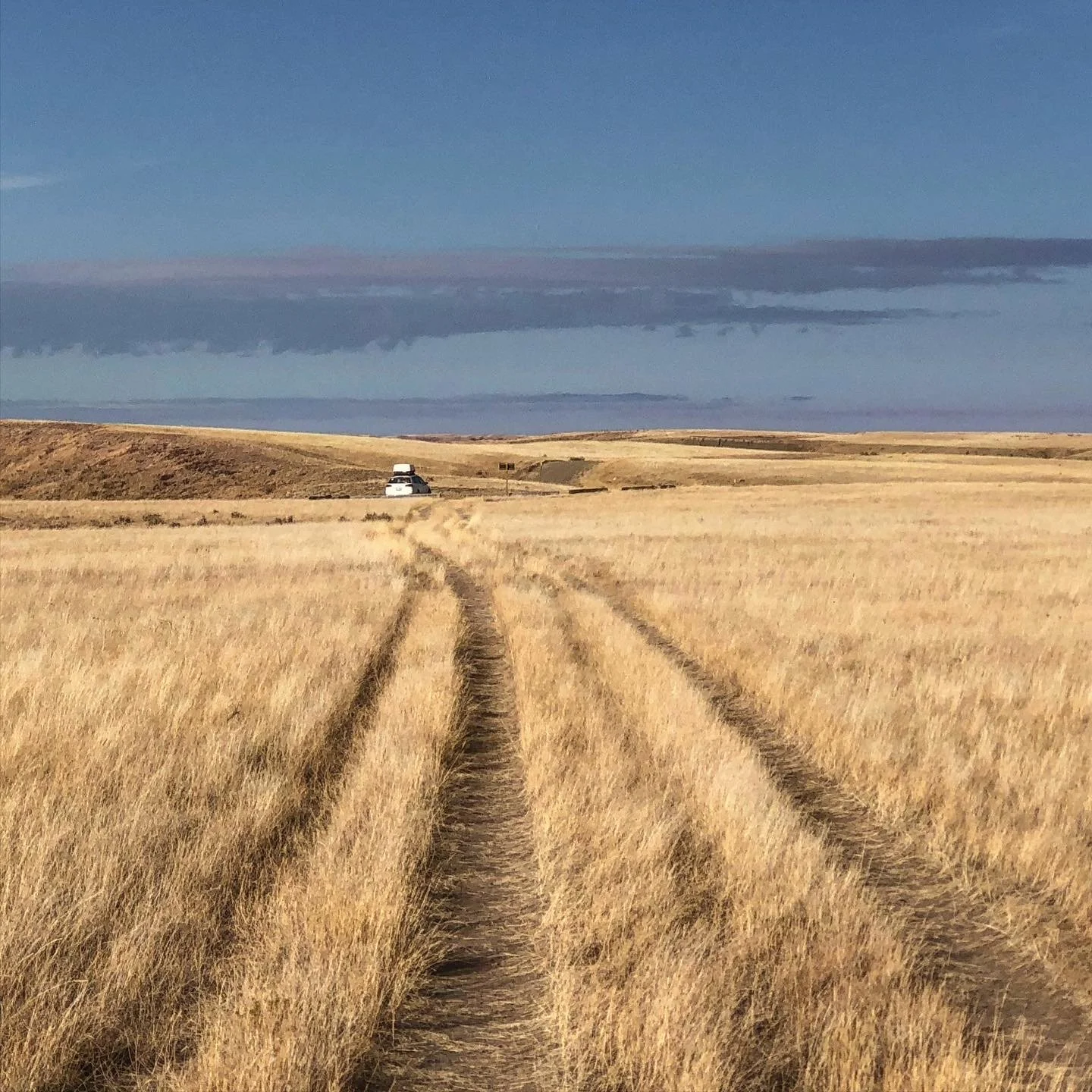
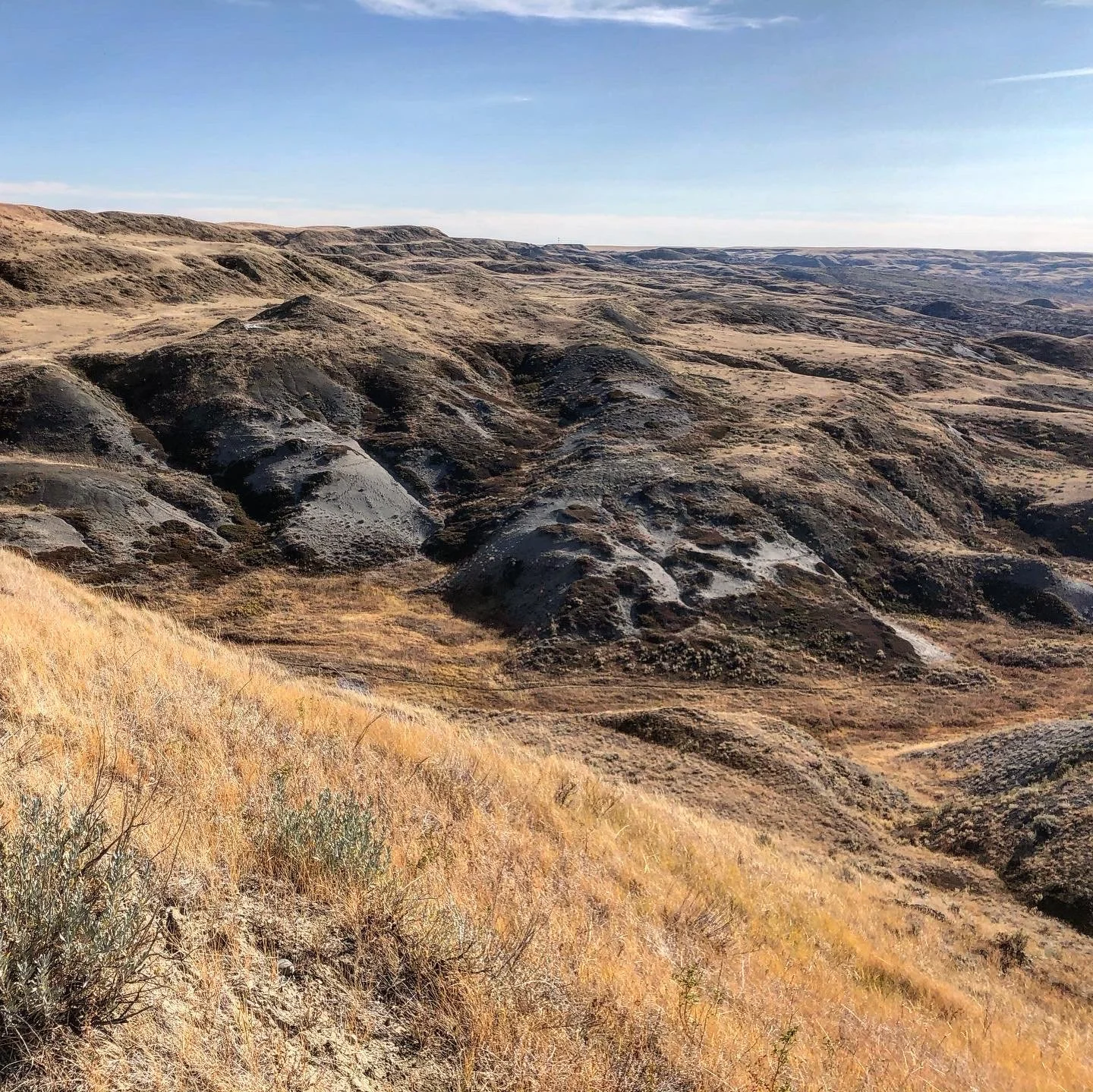
Grasslands National Park boasts over 900 square kilometres of wild grasslands under the enormous bright blue prairie sky.
Driving around the park is a delight, with kilometres of dirt road passing buttes and plains, river valleys and endless grasses as far as the eye can see.
If you’re lucky you can spot a massive herd of about 300 Bison roaming wild through the plains.
They were reintroduced to this landscape in 2006 from Elk Island National Park in Alberta and have begun to flourish in their protected environment.
Camping at the Frenchman River Campground makes you feel as if you are truly home, home on the range. The camp itself is in a fenced paddock (to keep the bison out!) but be sure to check your sleeping bag for rattlesnakes before you climb in!
At night the sky is lit up with a billion stars as the park is a designated Dark Sky Preserve, which protects the sky from light pollution to ensure a clear and crisp view of the boundless infinity of outer space.
In the daytime you can see Prairie Dogs running around from hole to hole in the only place in Canada where you can find these colonies in their natural habitat. Driving down the gravel roads you have to watch out, they pop up out of holes in the road like a real live action game of Whack-A-Mole. They are cute and cuddly looking, and very social, but don’t get too close to them or let them in your tent, they are known to be riddled with fleas!
Along with the Bison and Prairie Dogs, this park is home to many other species such as deer, pronghorn antelope, coyotes, owls, grouse, hawks, and of course, the prairie rattlesnake (make sure to wear high cut boots while hiking in the tall grass!).
This park is a magnificent tribute to wild prairie life and it is so unique.
I would insist that you cut south from Highway 1 at Moosejaw and take the detour to this park. Spend a few nights camping under the stars, an experience you will not soon forget.
3. Peggy’s Cove, Nova Scotia
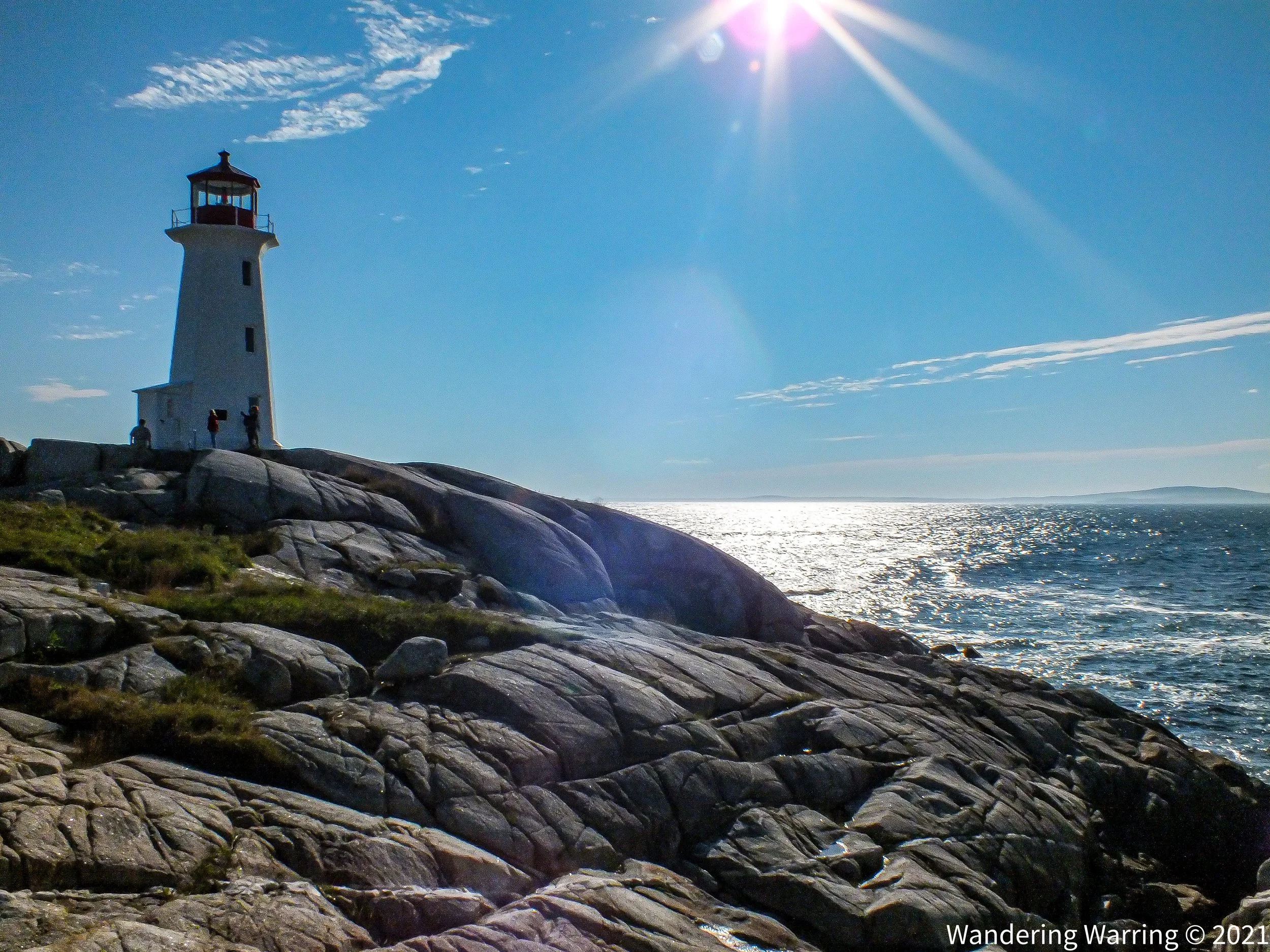
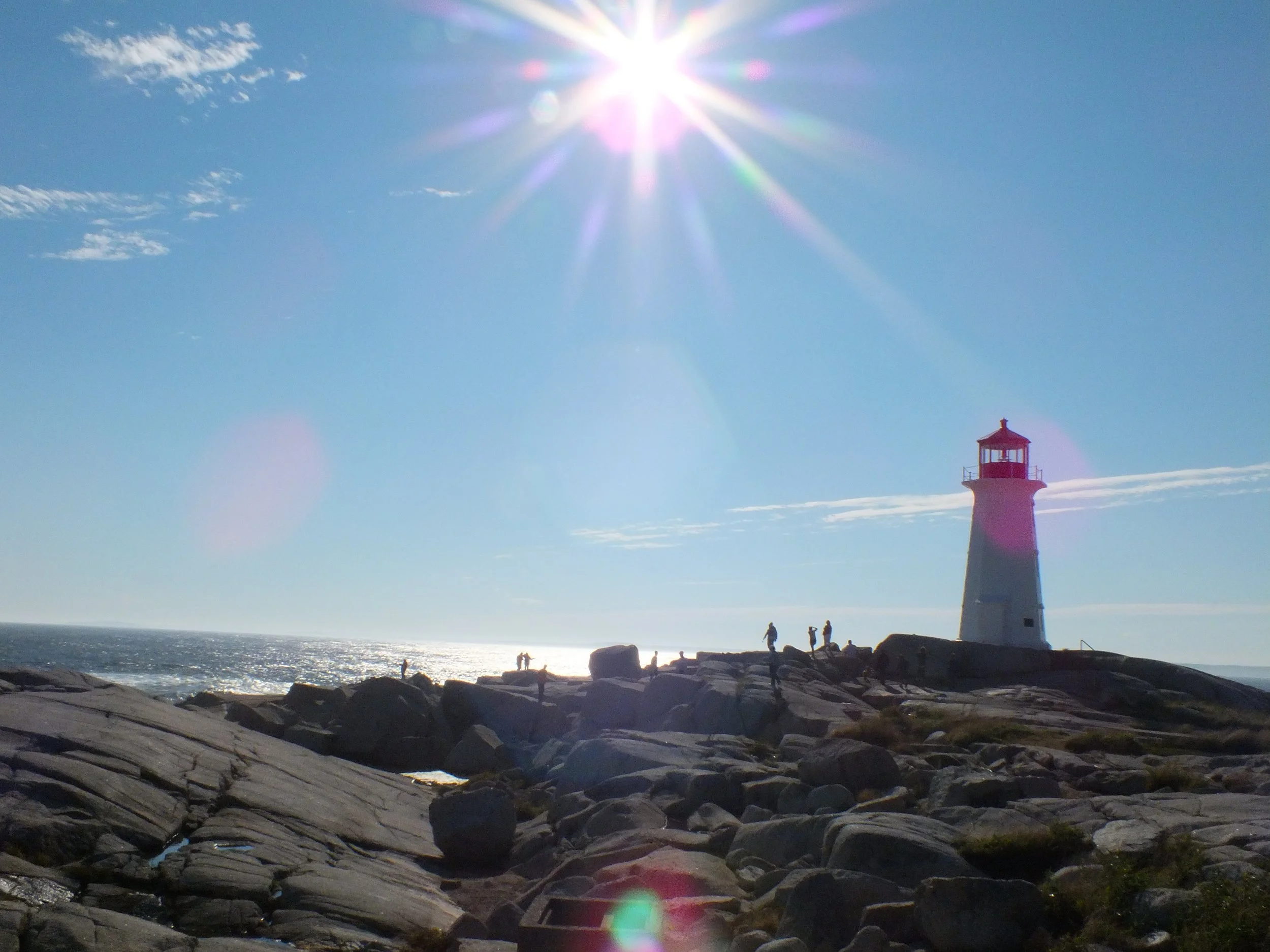
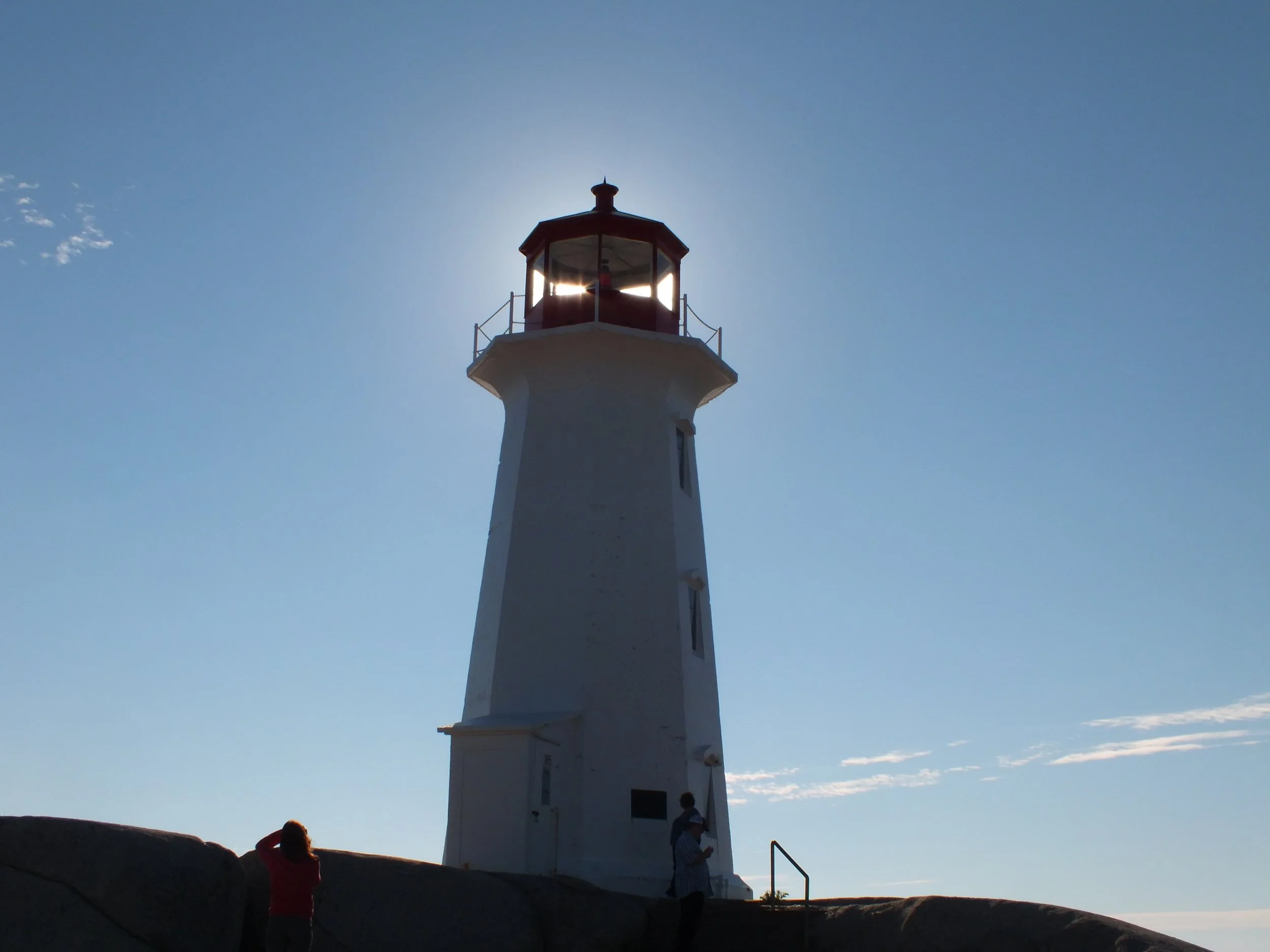
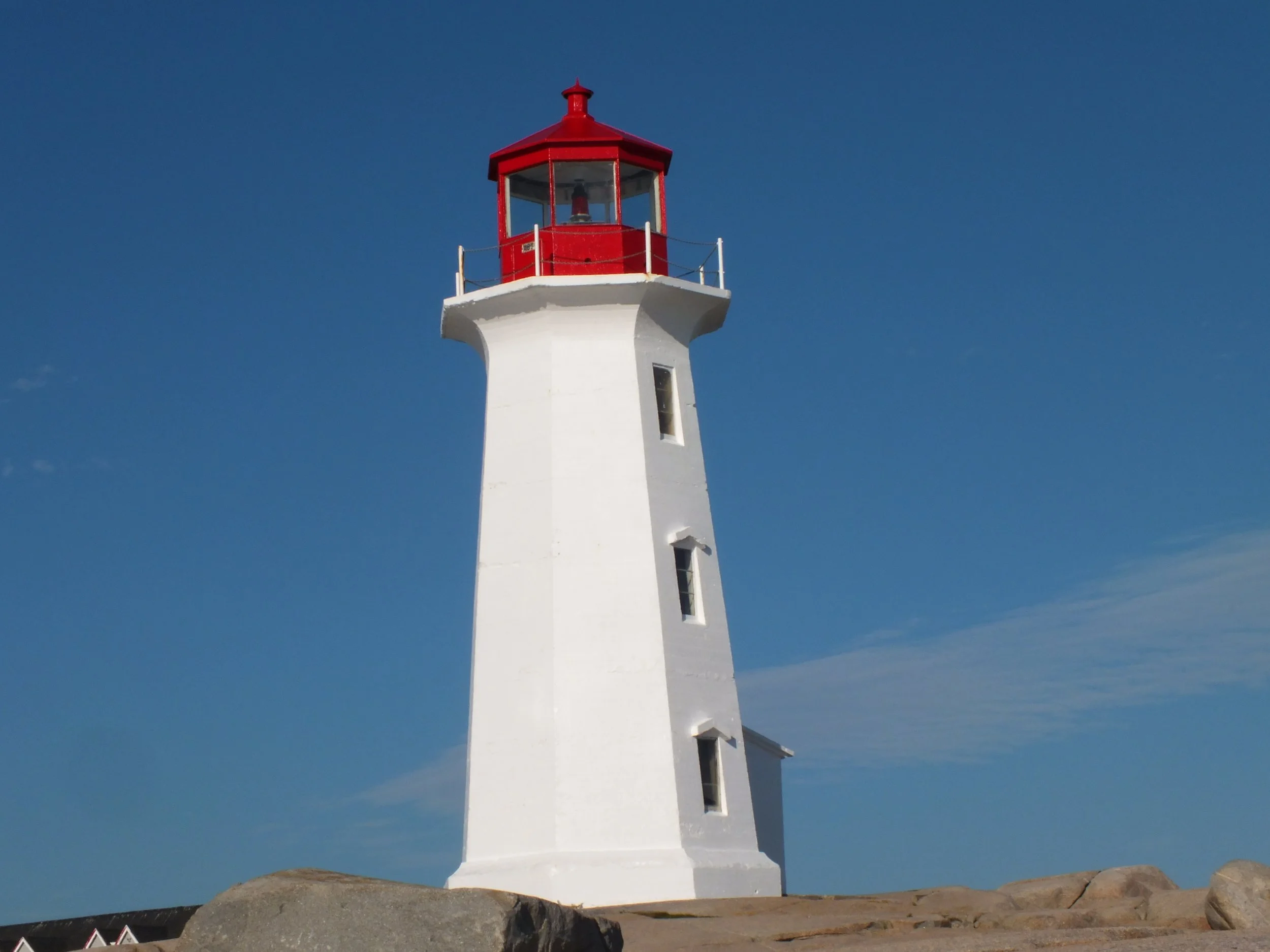
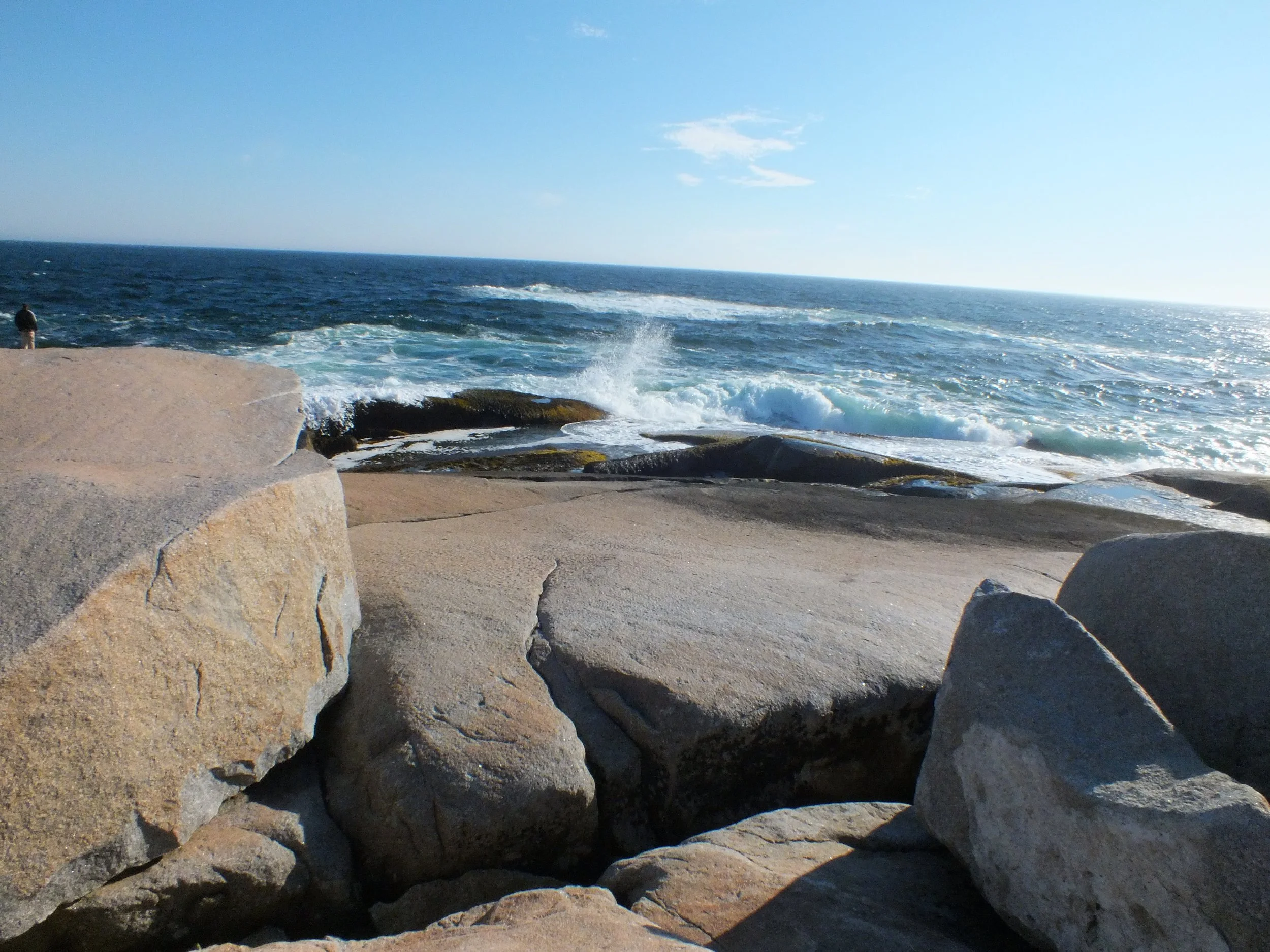
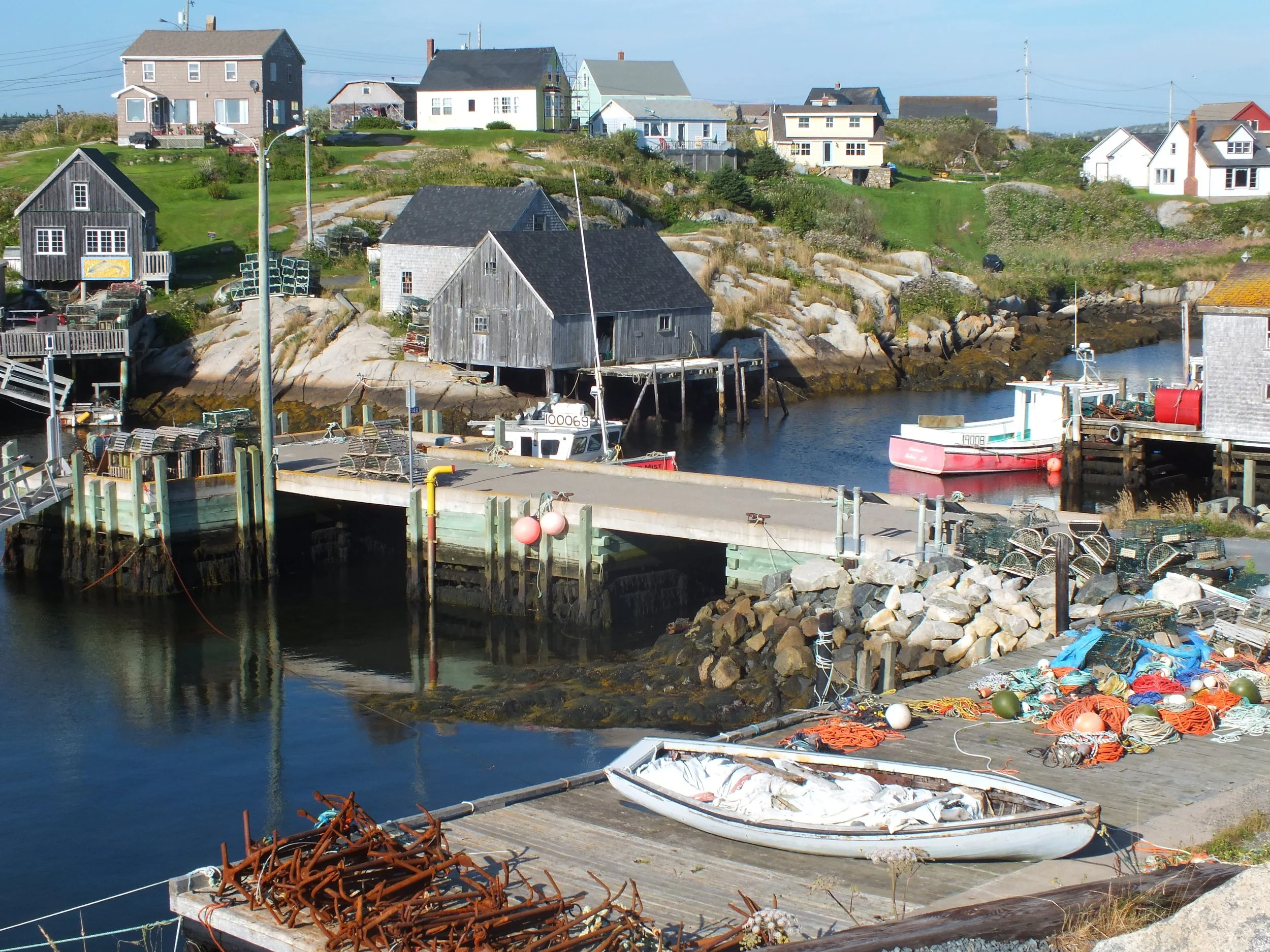
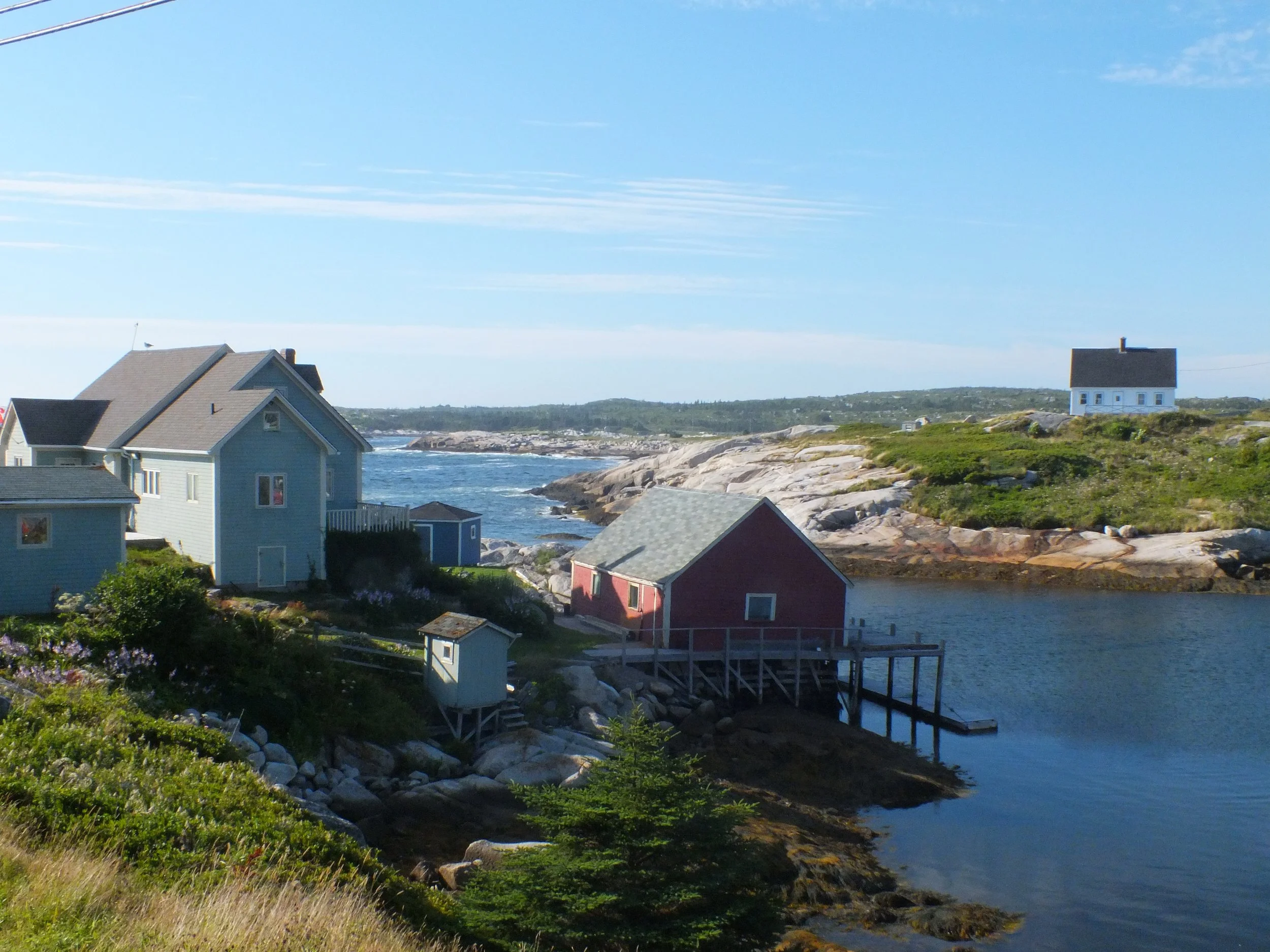
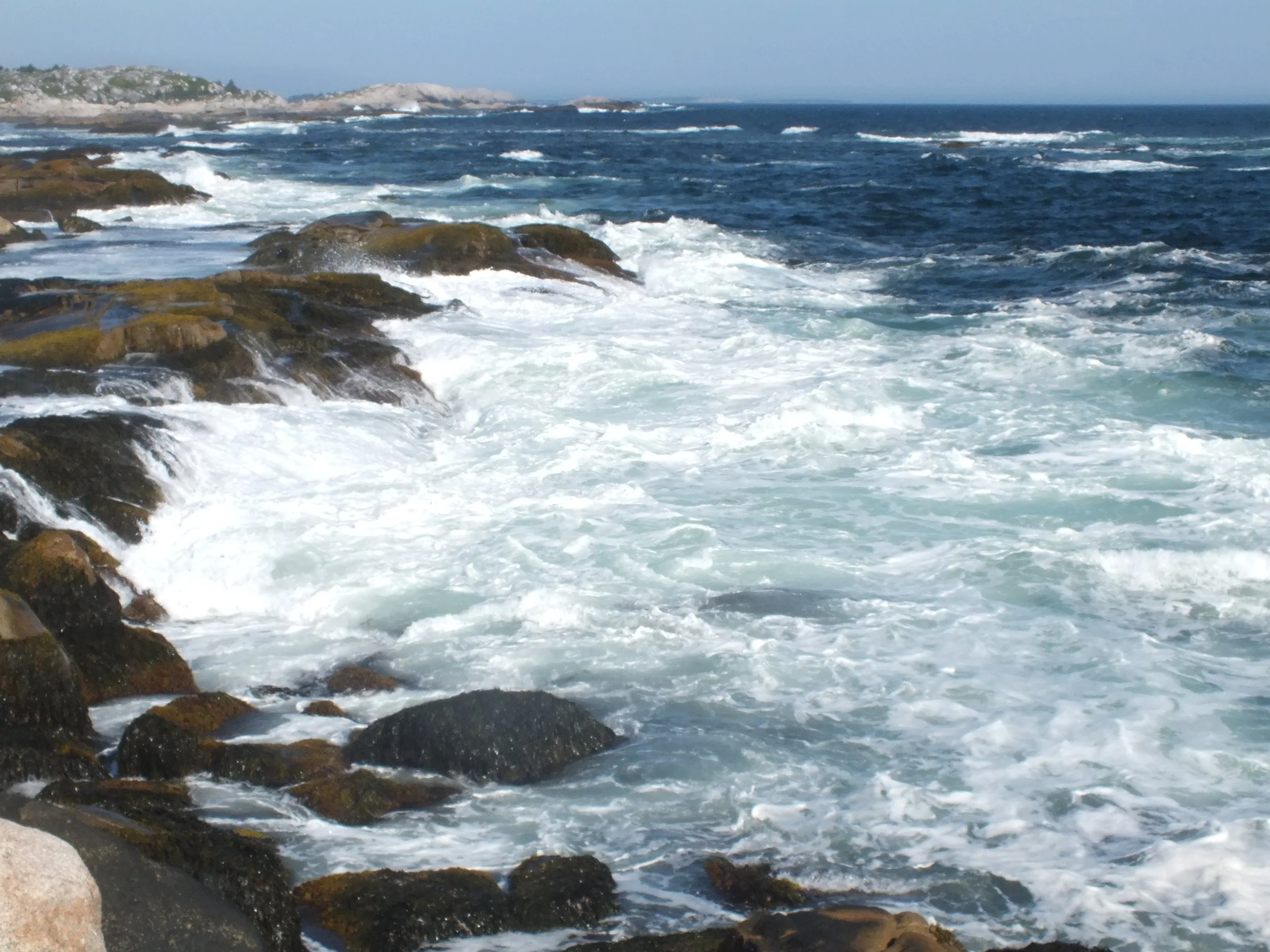
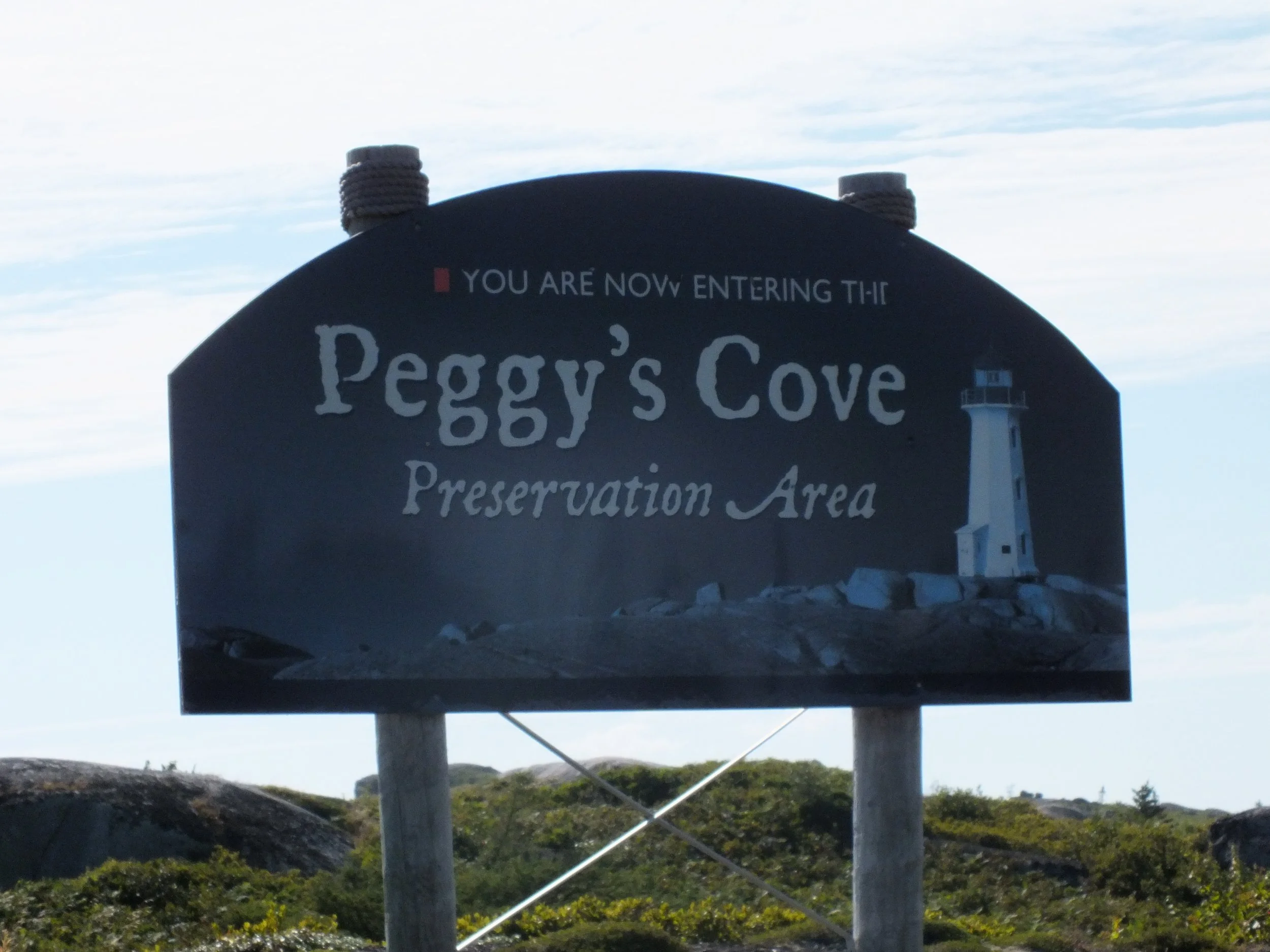
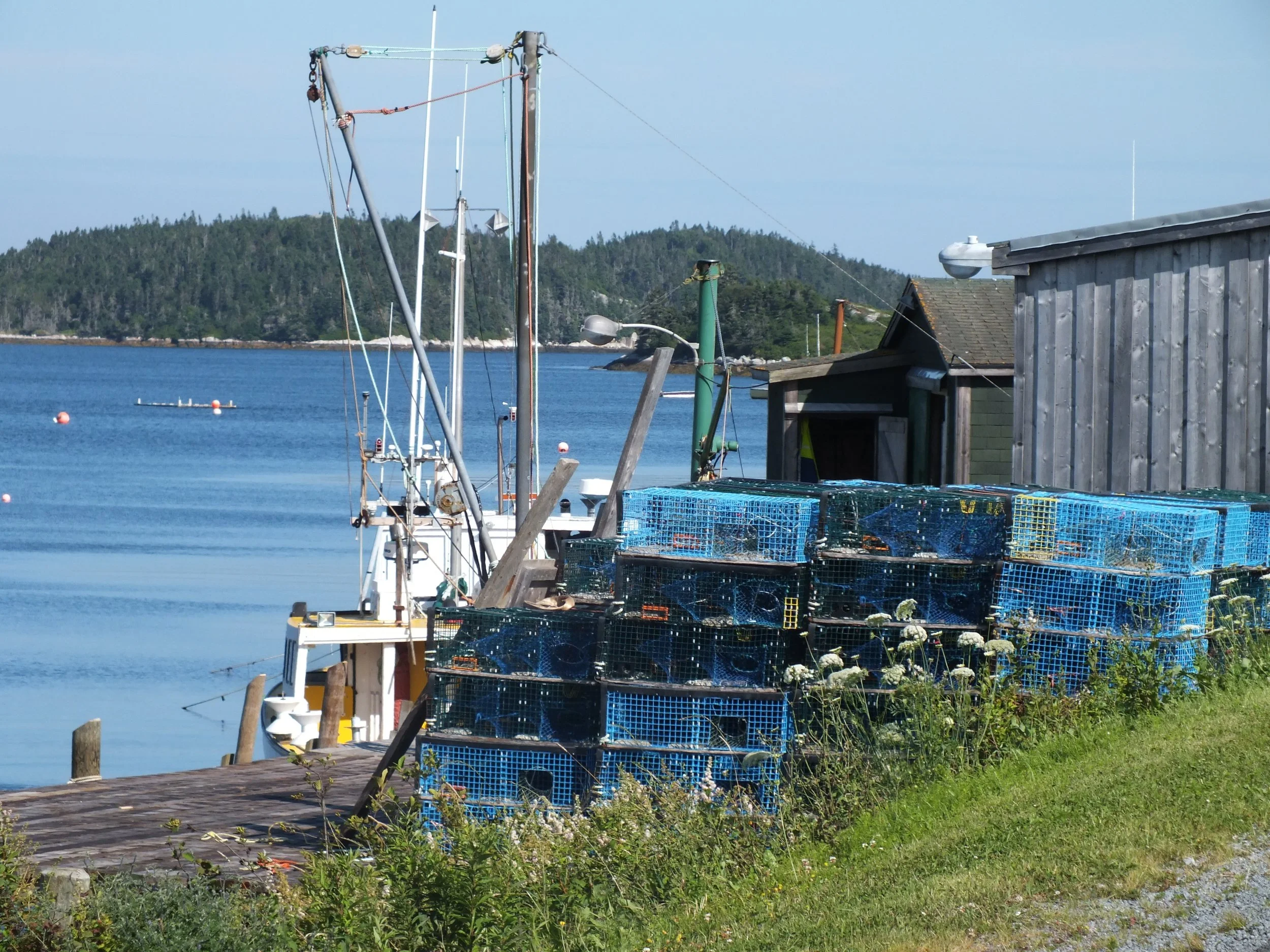
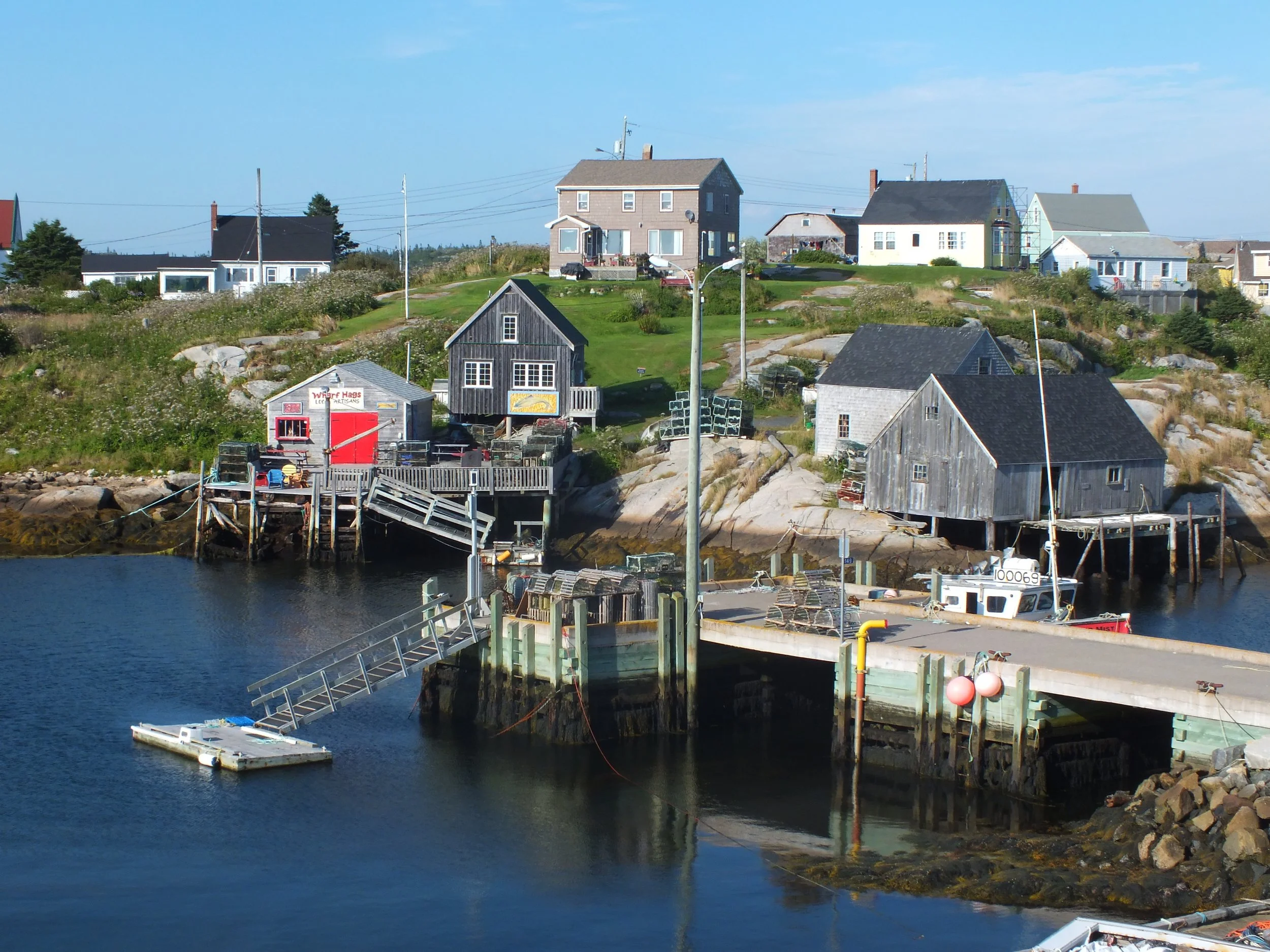
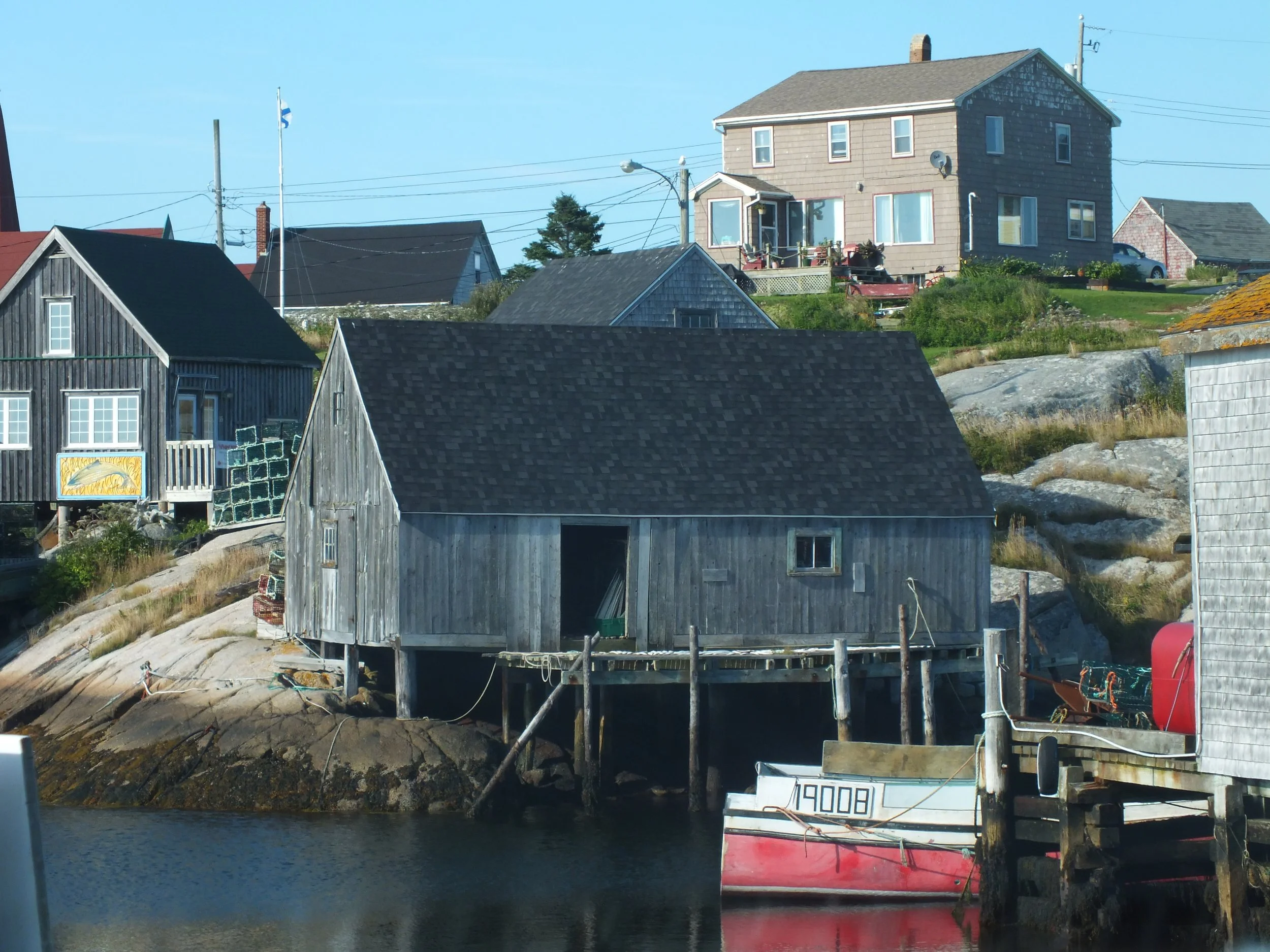
This lighthouse is the beacon of Eastern Canada, lighting up the entire Atlantic Ocean from its perch on the jagged Nova Scotia shoreline.
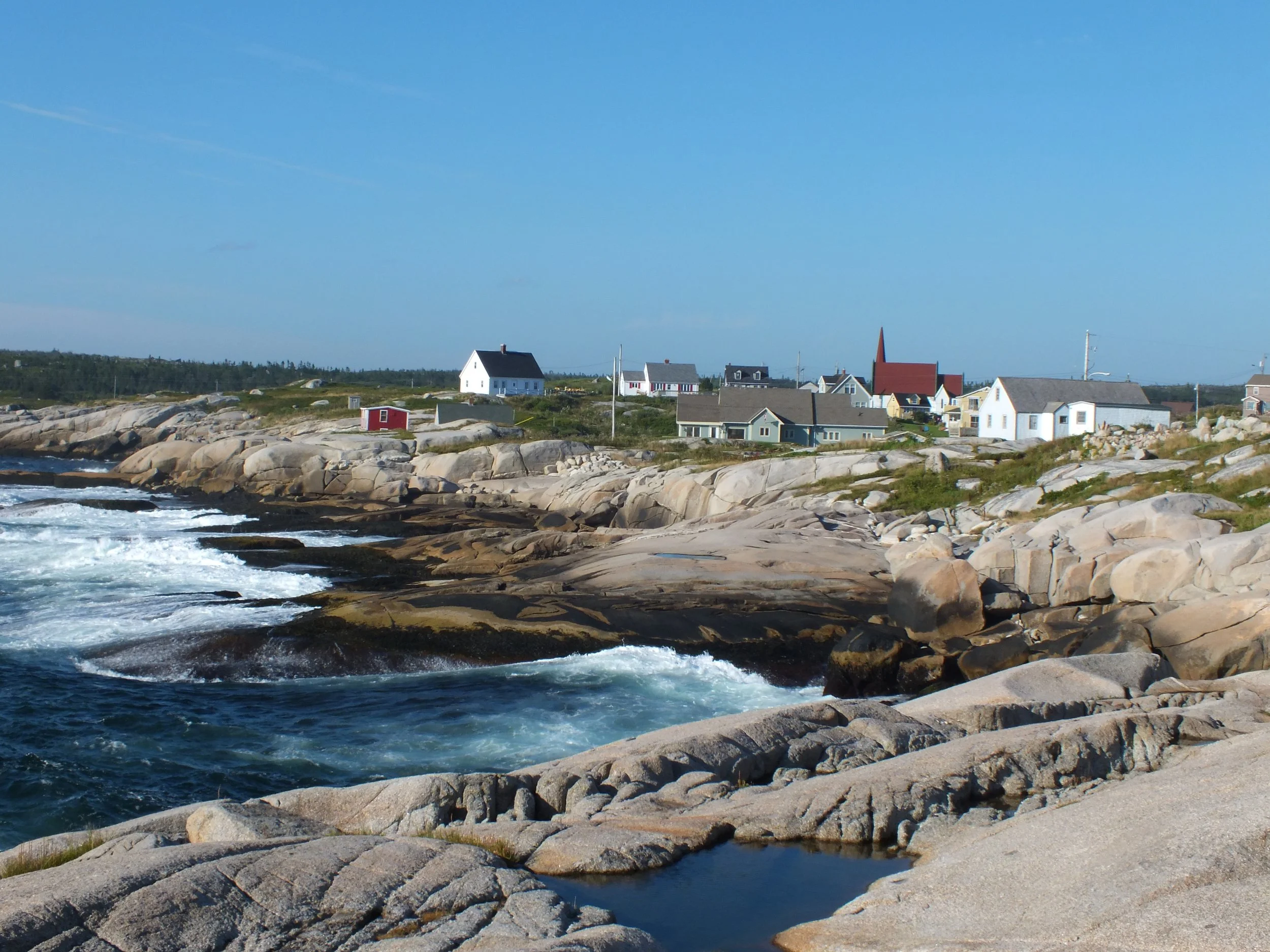
Peggy’s Cove is a rugged fishing village on the edge of the ocean. It is infamous for the picturesque Peggy’s Point Lighthouse, which is one of Canada’s most iconic, recognizable landmarks.
The village of Peggy’s Cove, was founded in 1811, named after the bay that it overlooked, Margaret’s Bay, named by Samuel De Champlain after his mother, Marguerite De Roy. (Peggy is a good ol’ east coast short form for Margaret.)
Peggy’s Cove has a longstanding history of fishing, primarily for fresh Atlantic lobster, but couldn’t keep itself away from the tourism that comes with such a beautiful, iconic place.
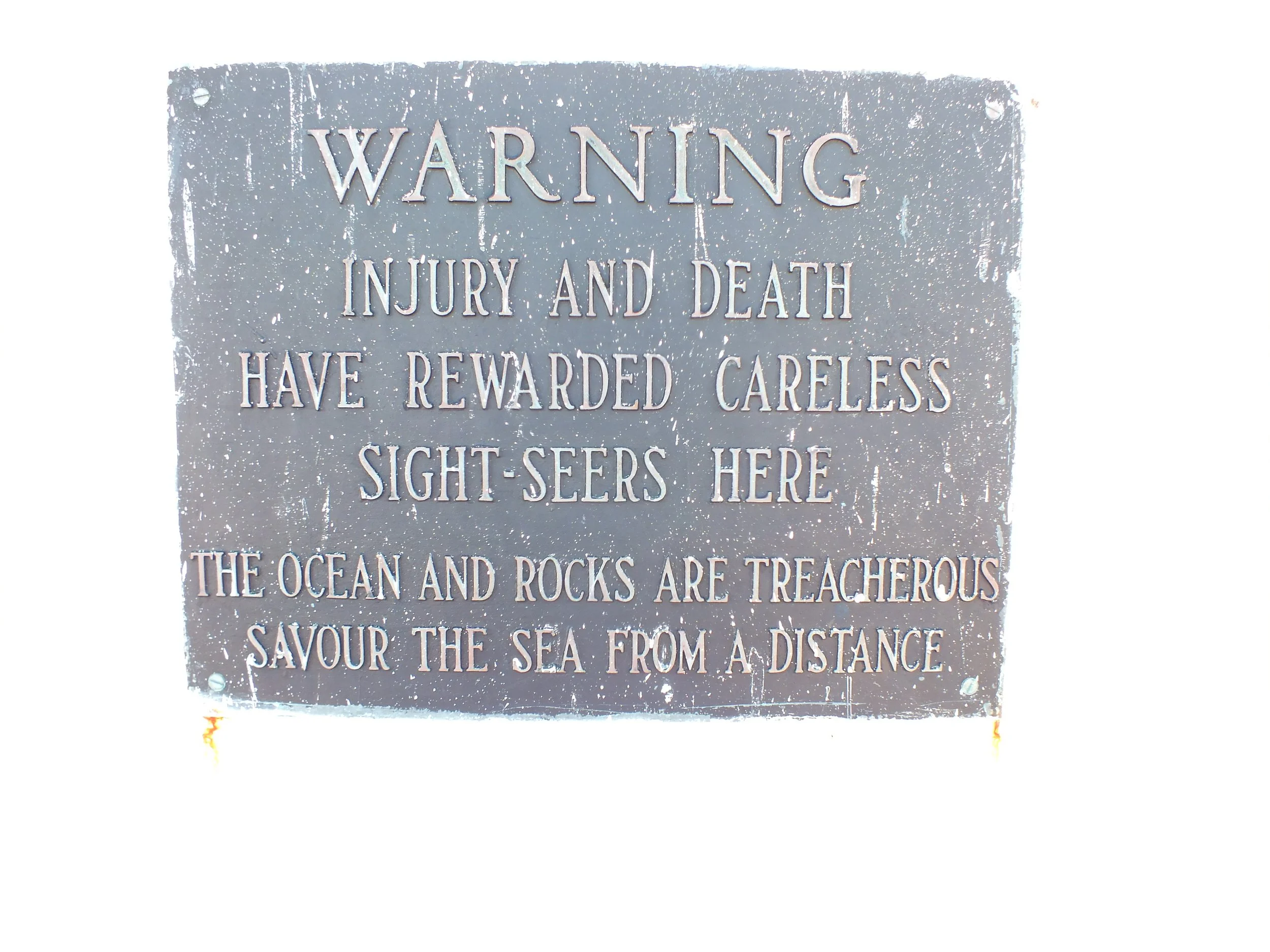
As you stand on the rocks, slipping and sliding, trying your best to get the best shot of the lighthouse as the sun begins to set, you can’t help but think of all the sailors and fishermen who were guided safely home by the lighthouse of Peggy’s Cove.
This place breathes the nautical history of the small villages that built East Coast Canada.
Bring your raincoat if you don’t wanna get splashed!
4. Algonquin Provincial Park, Ontario
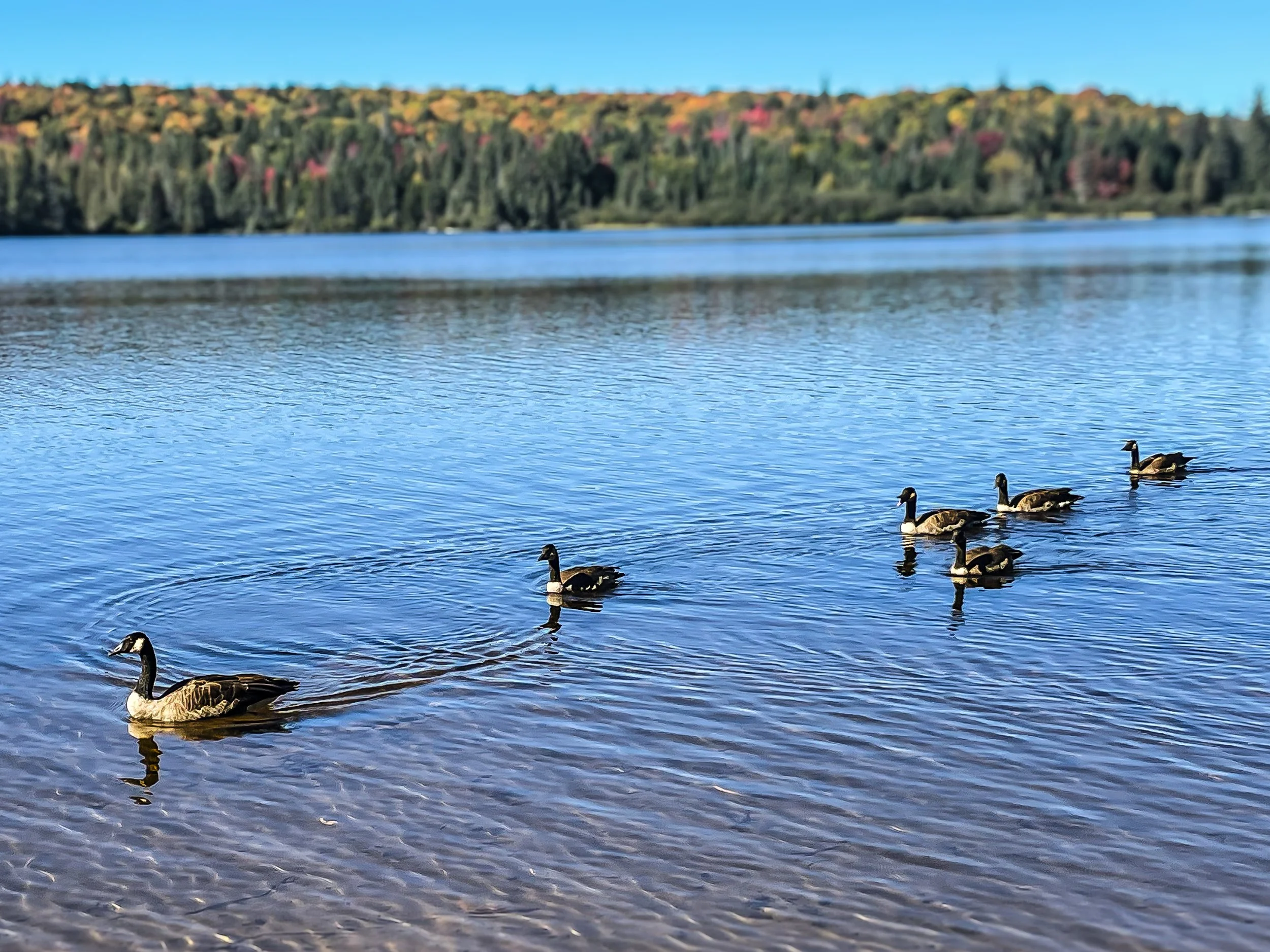
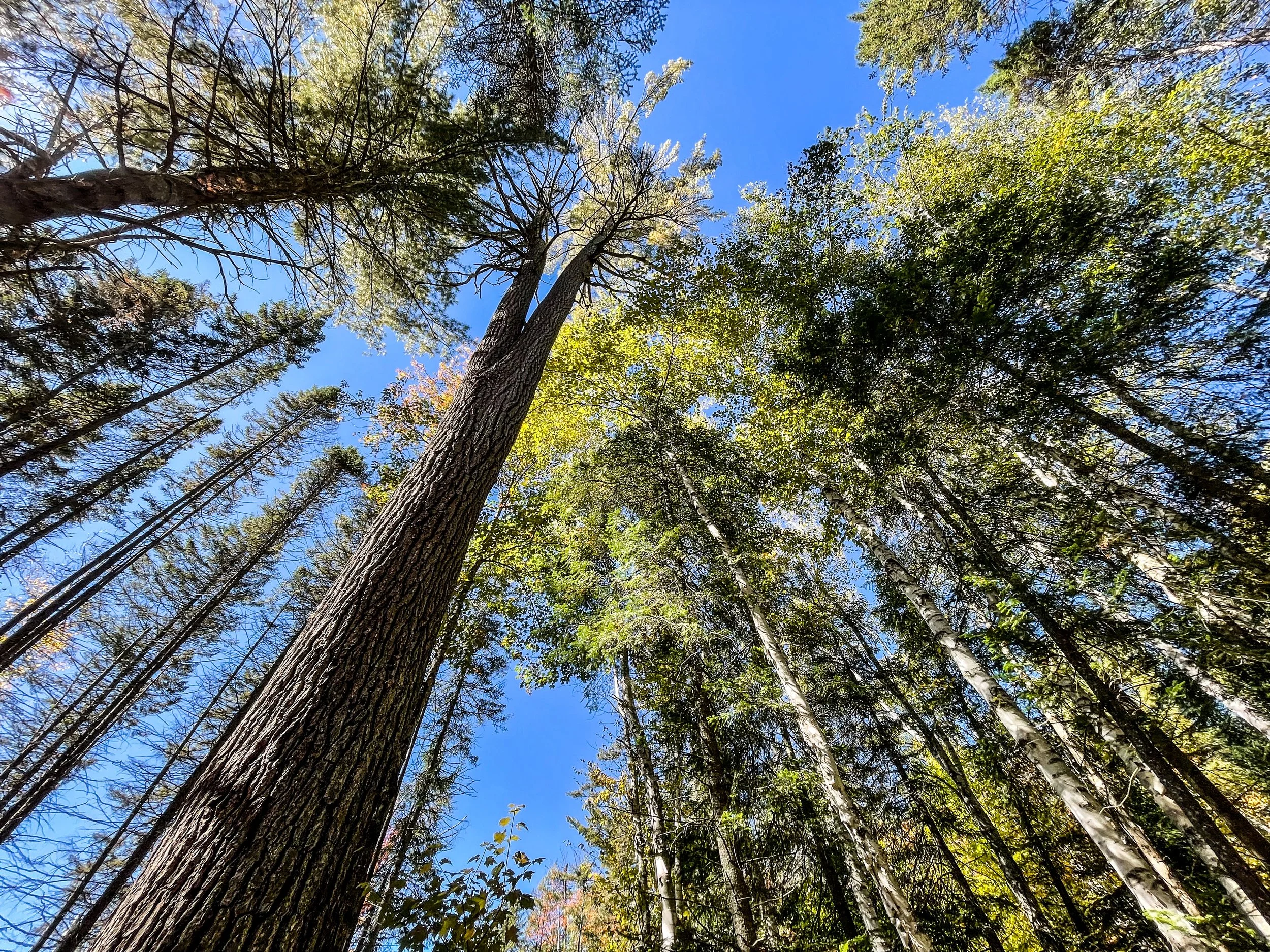
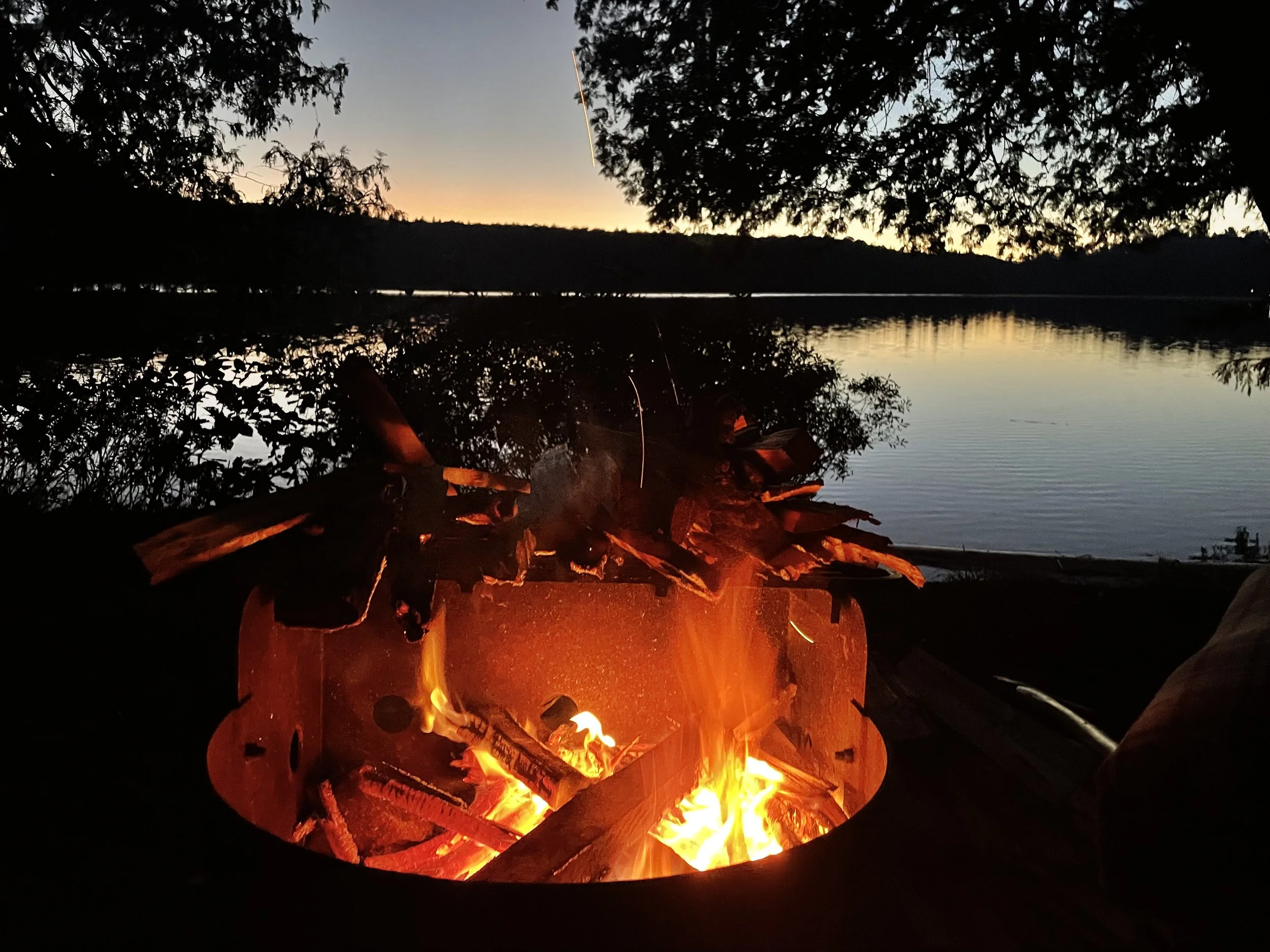
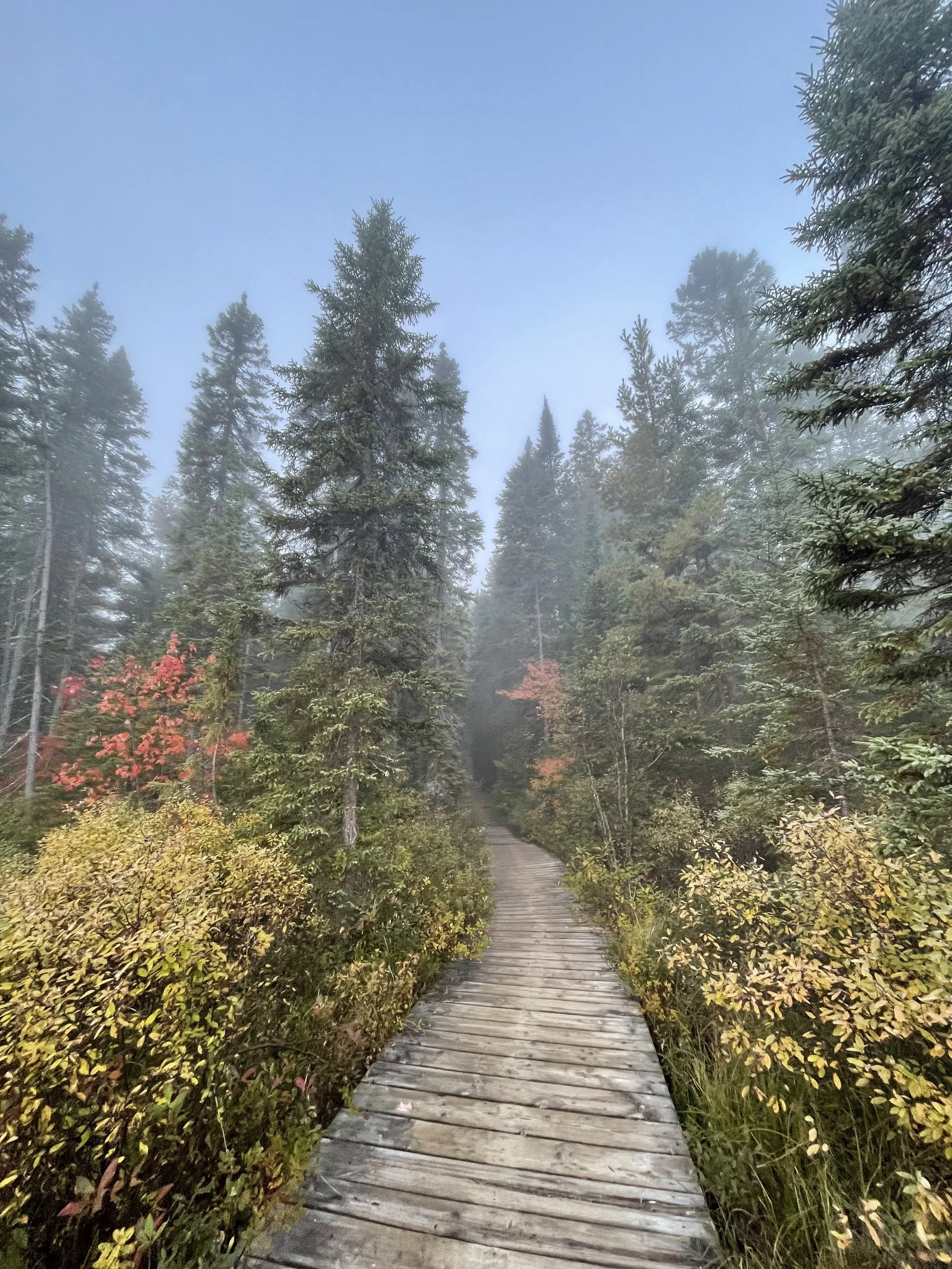
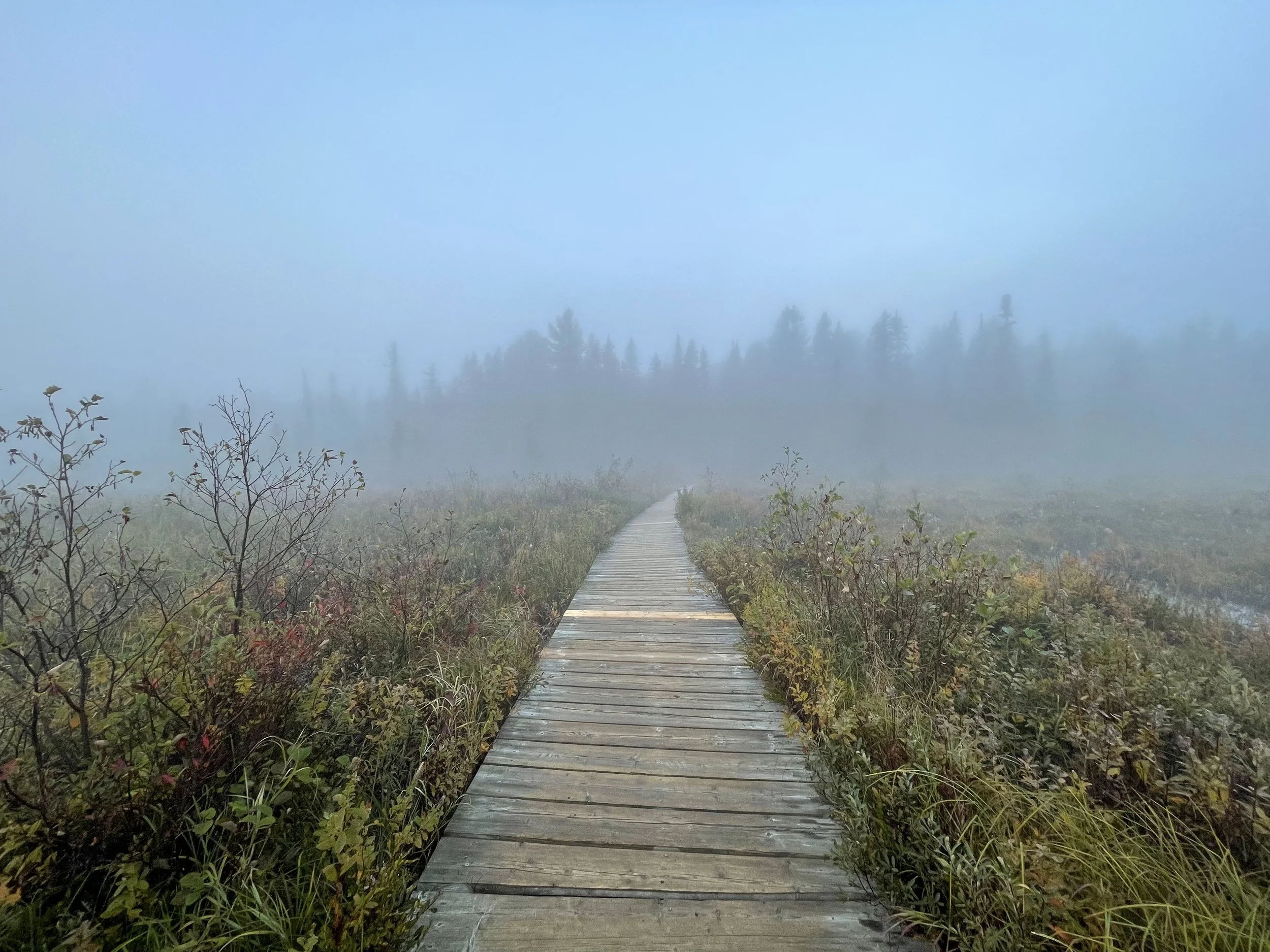
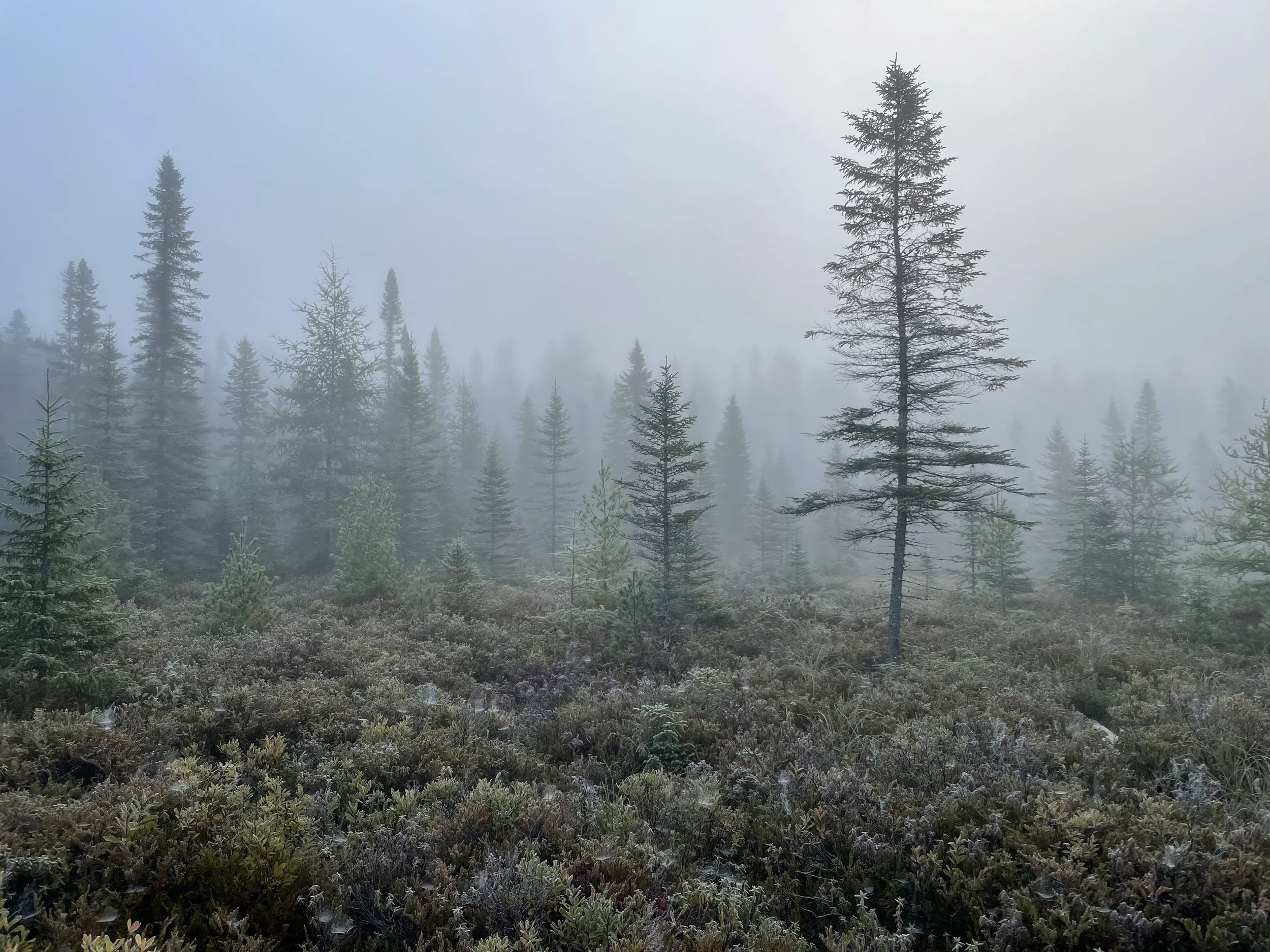
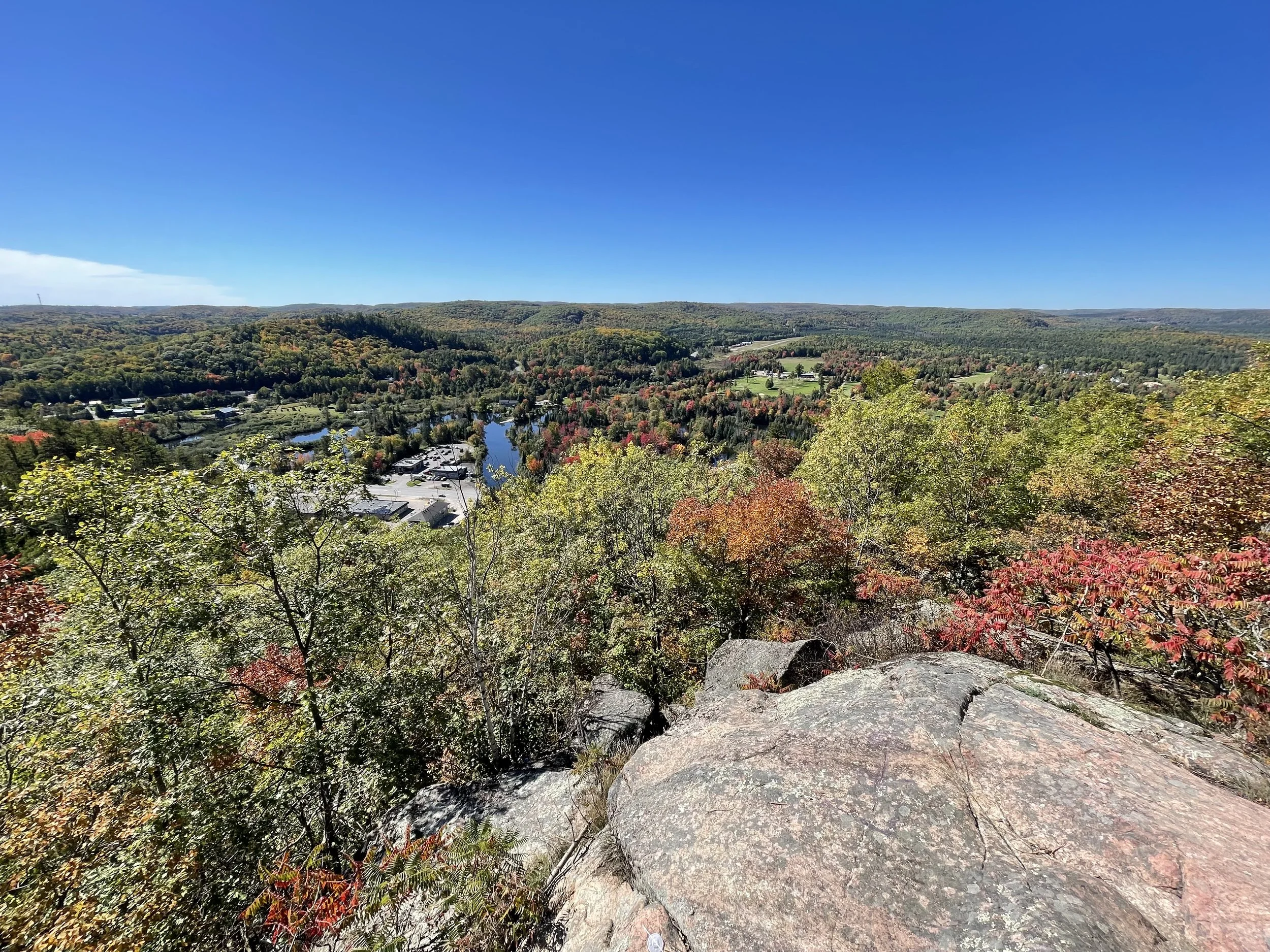
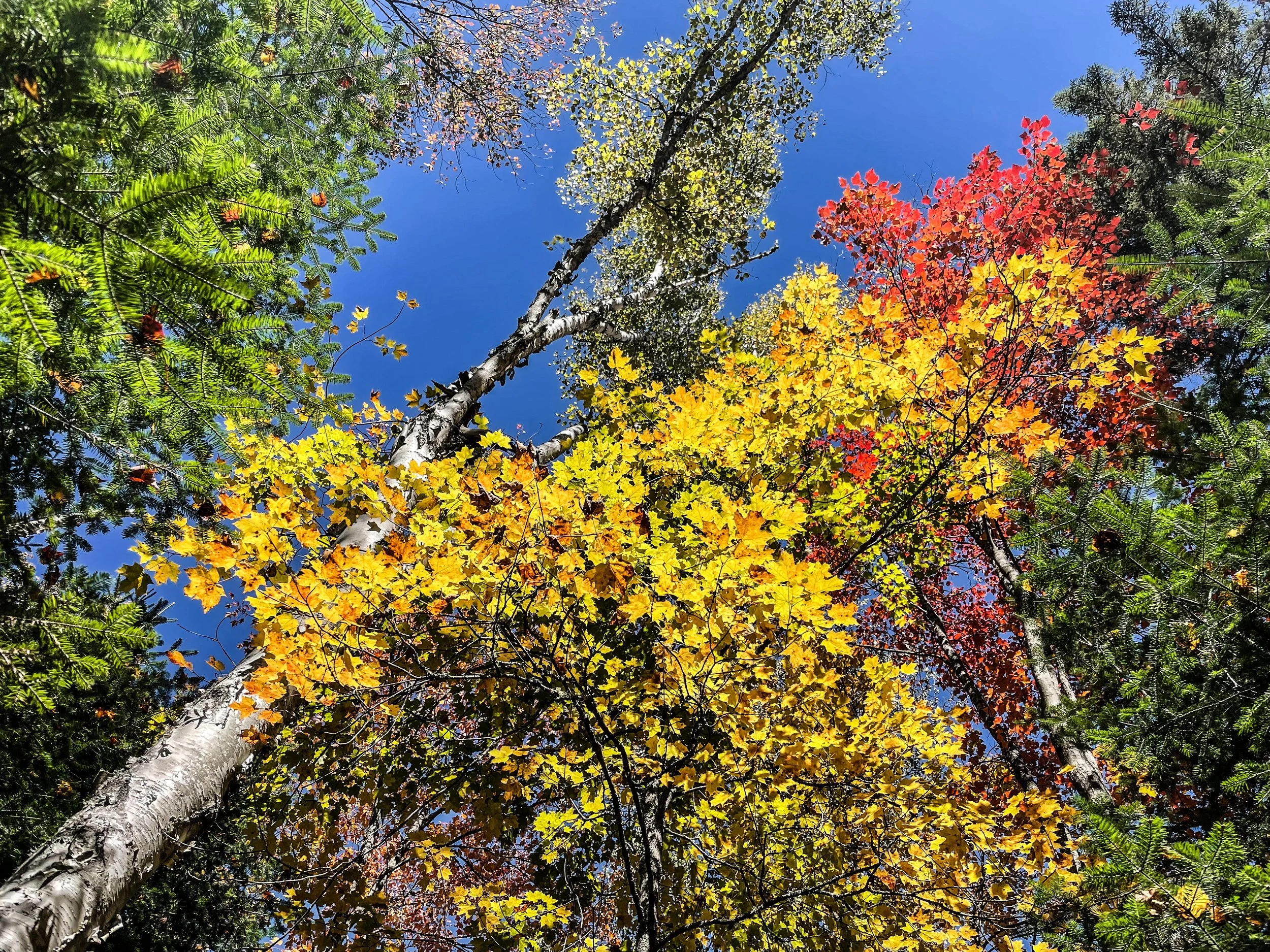
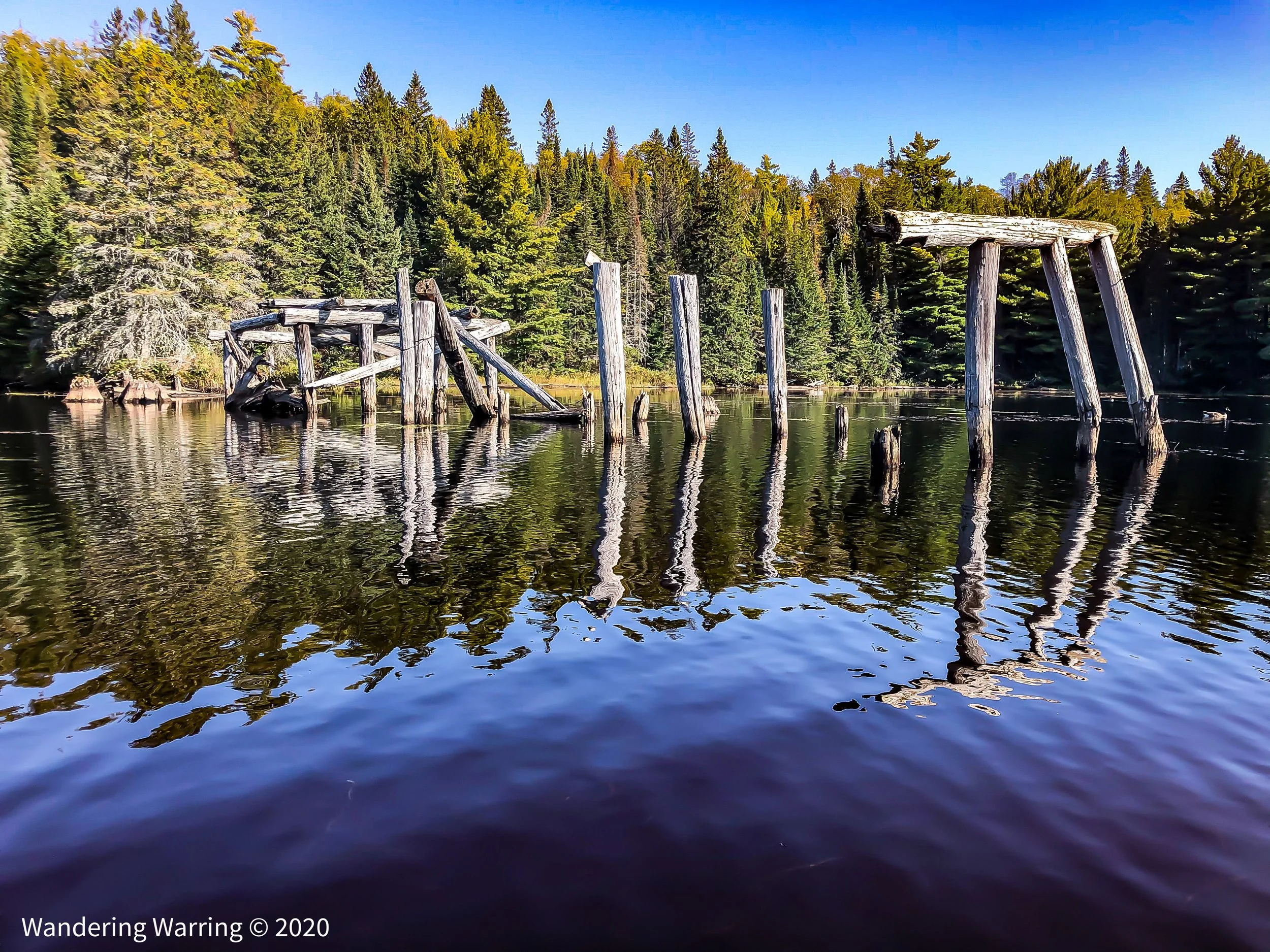
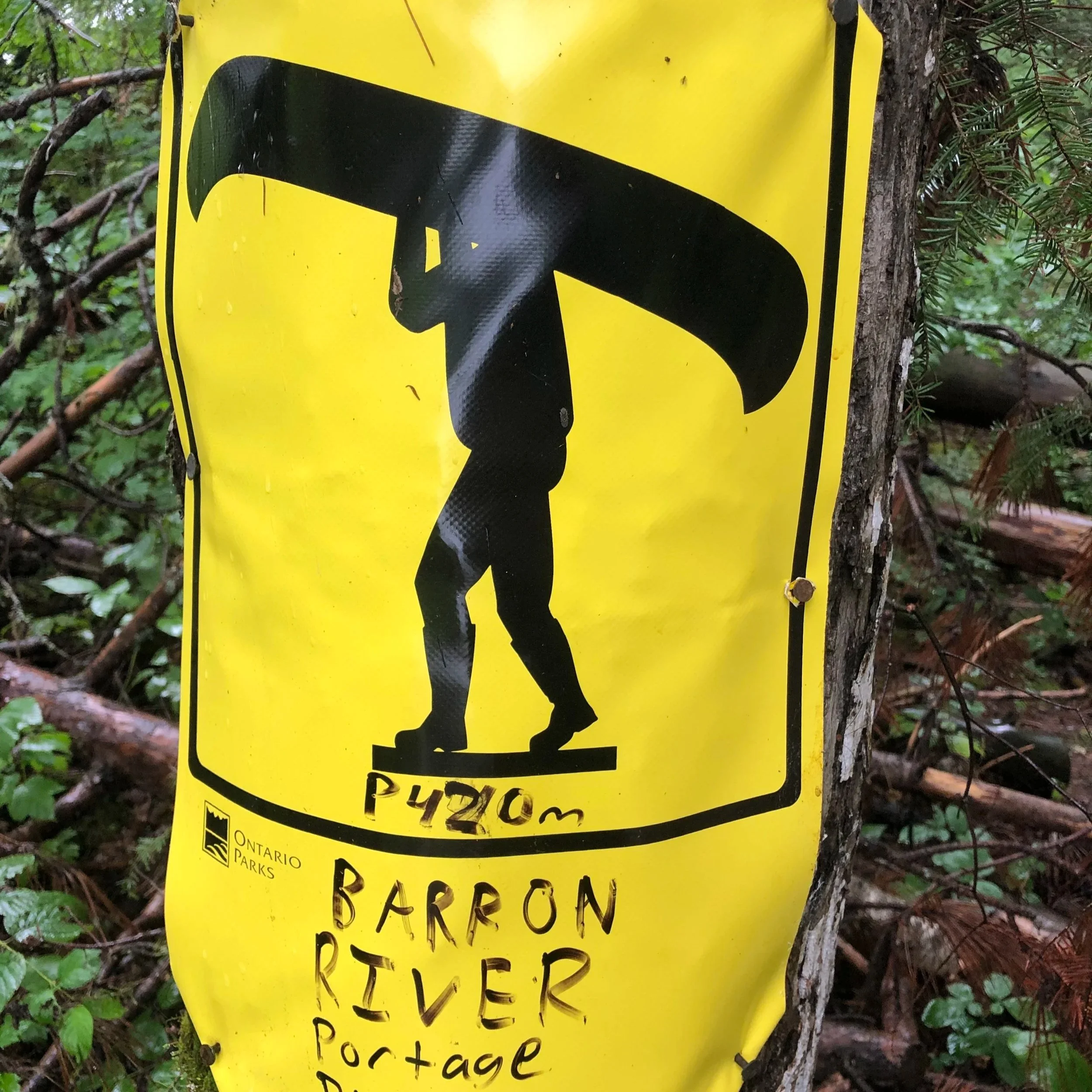
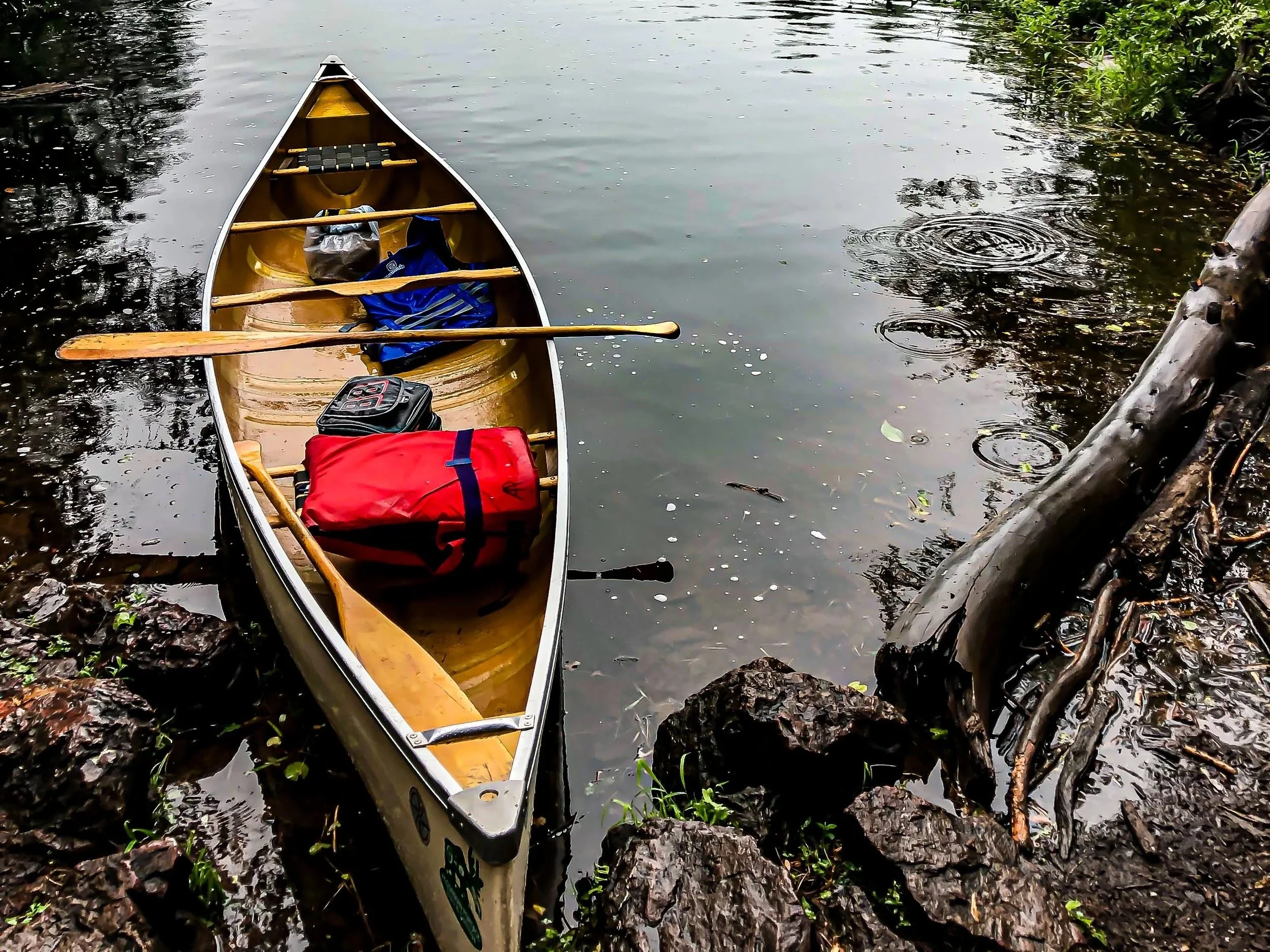
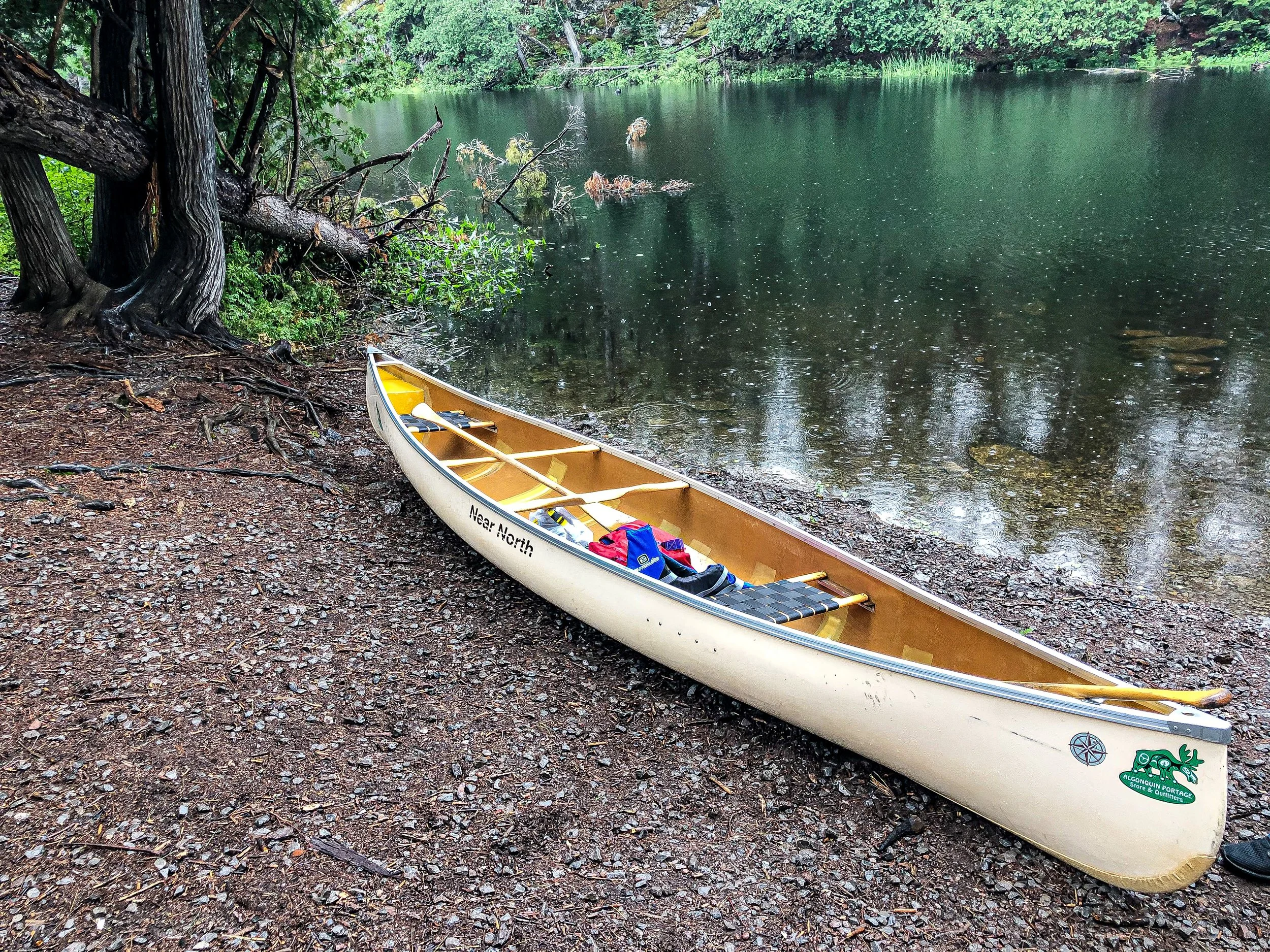
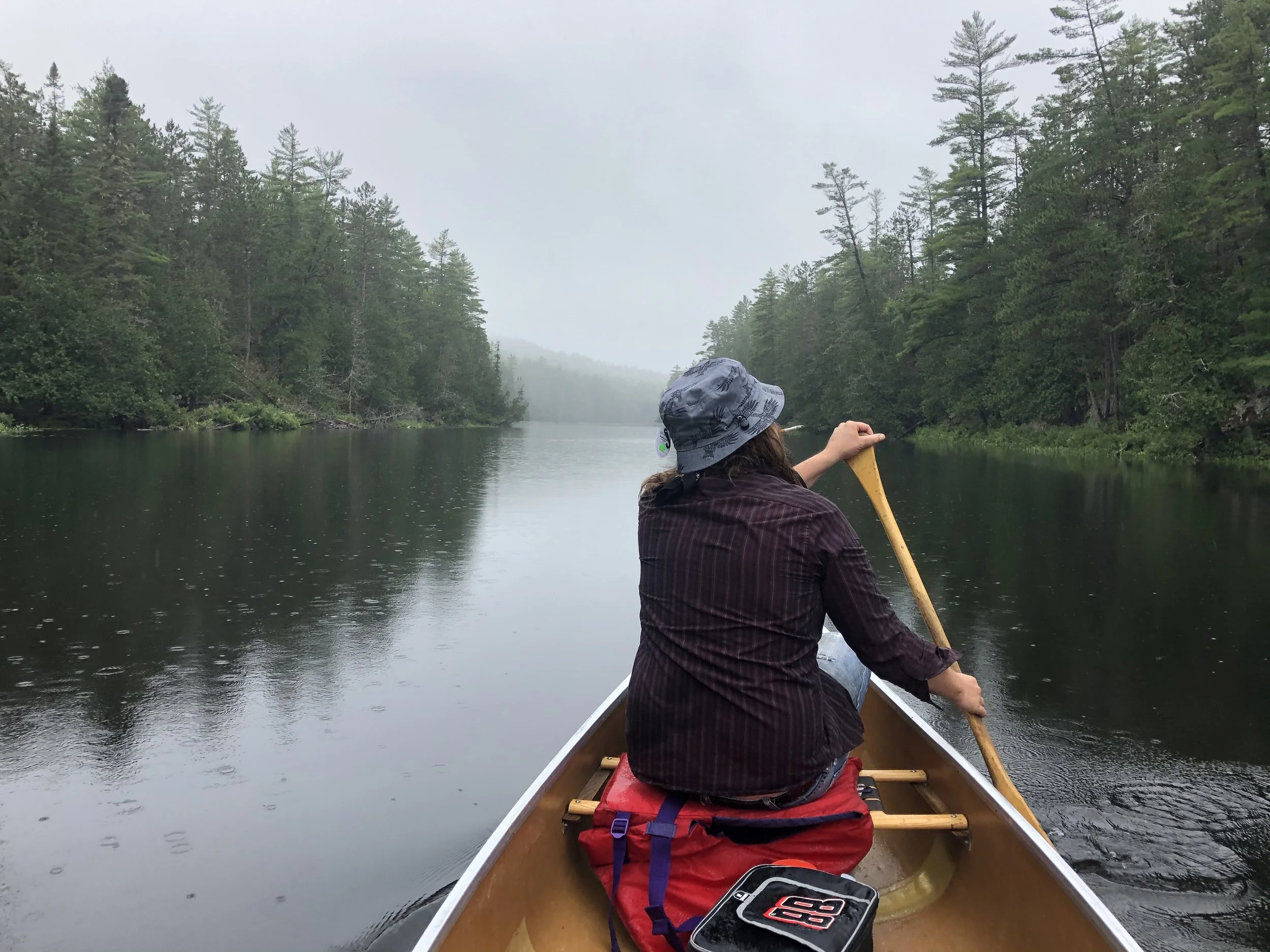
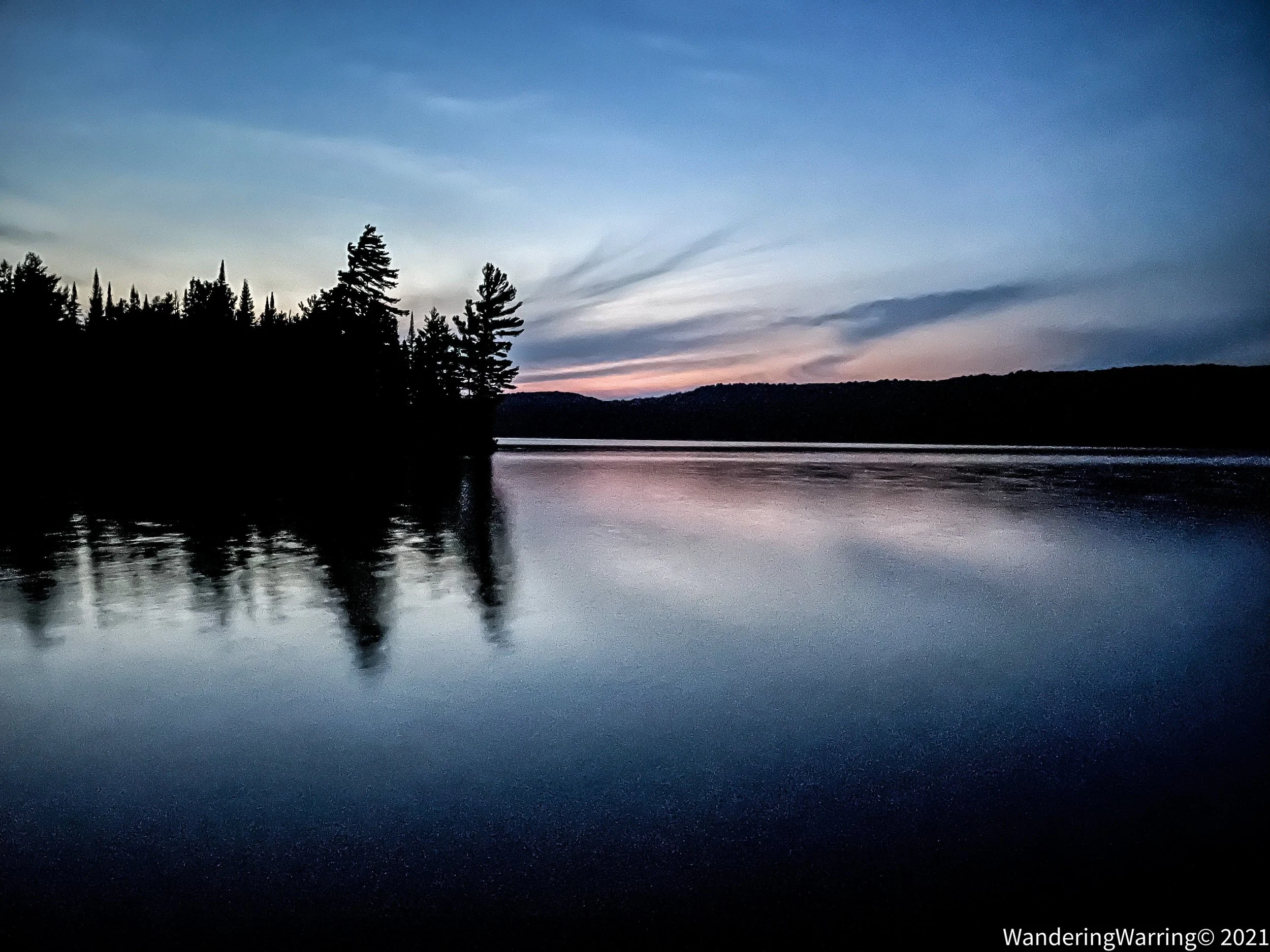
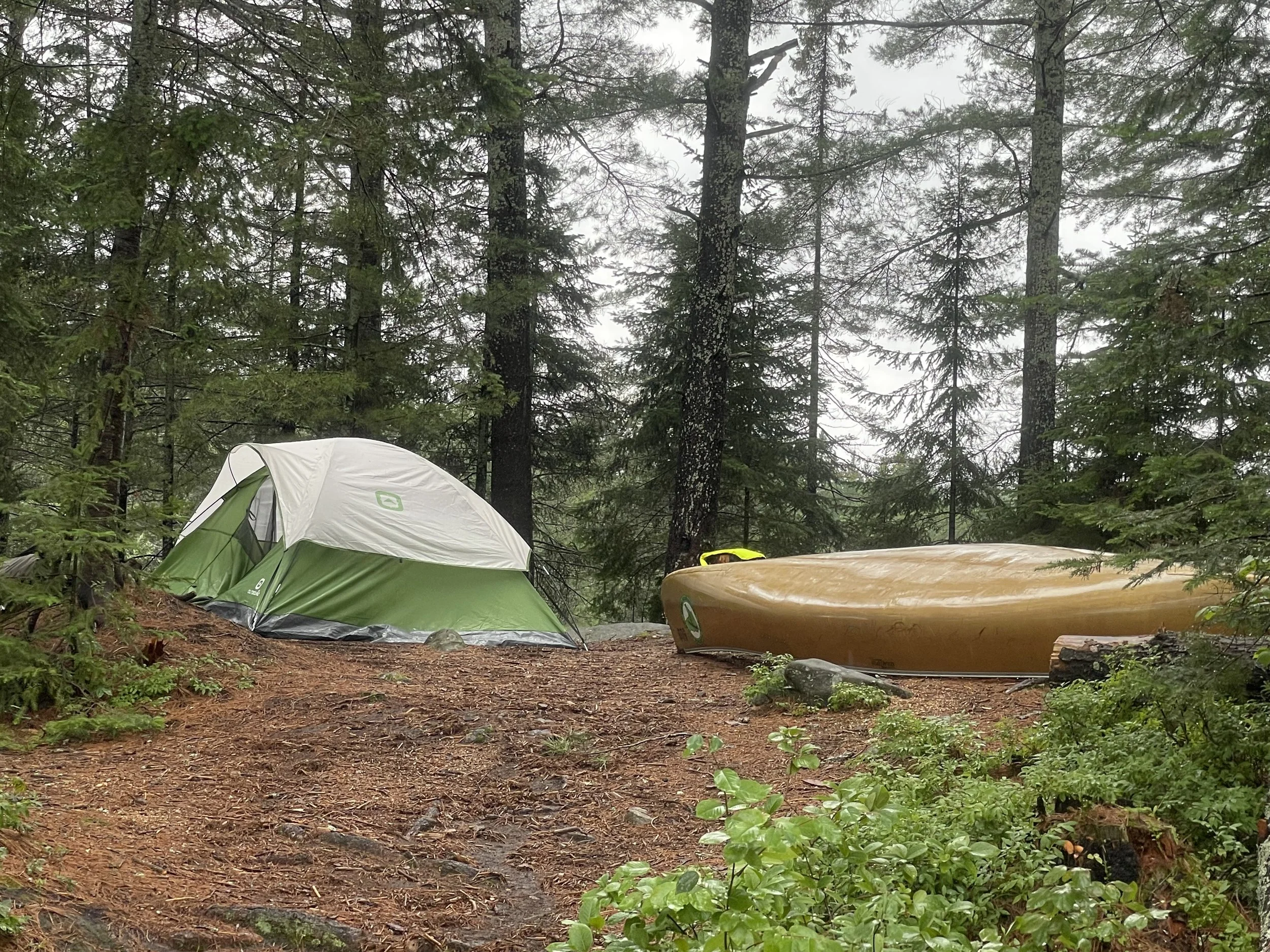
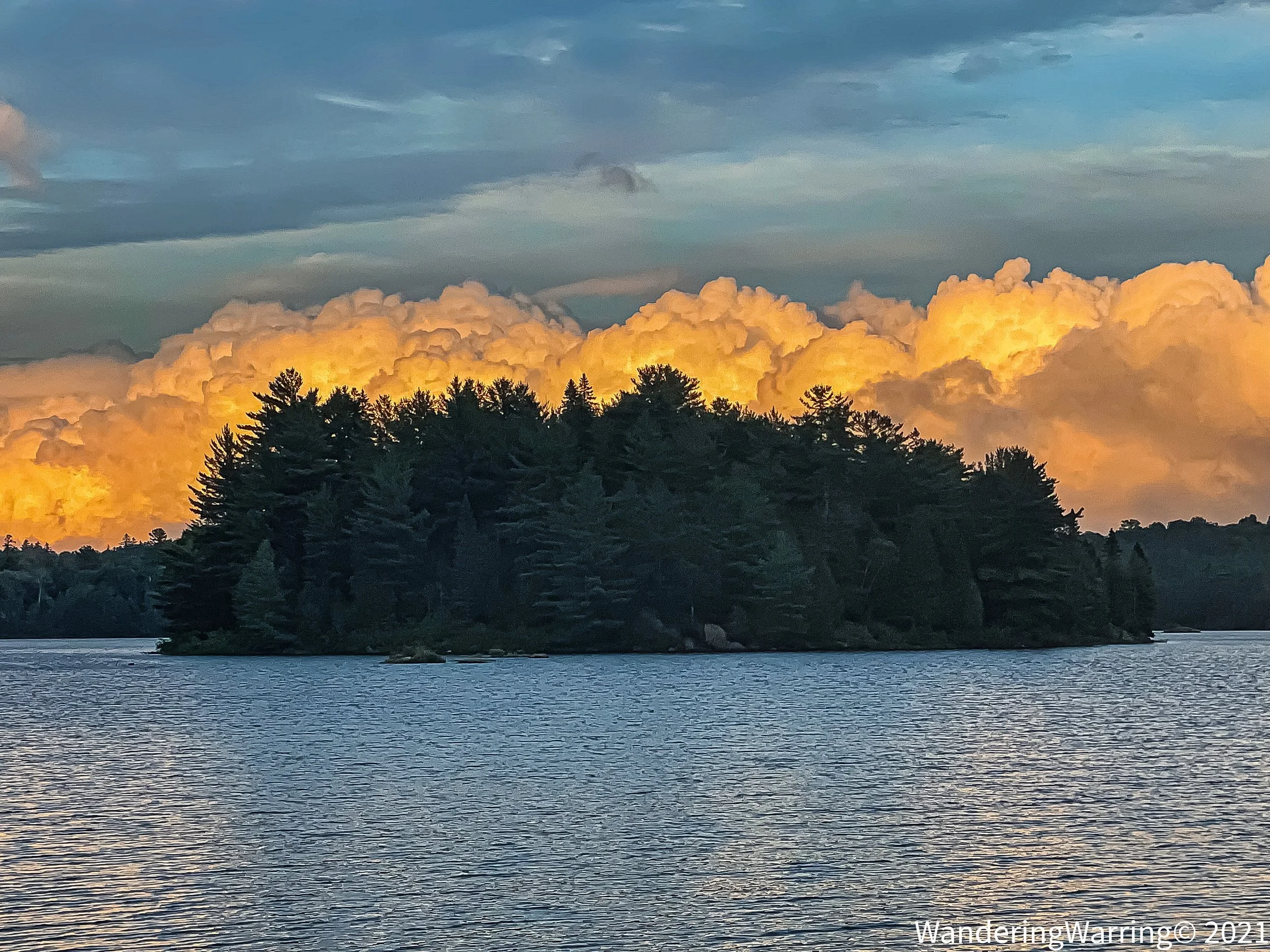
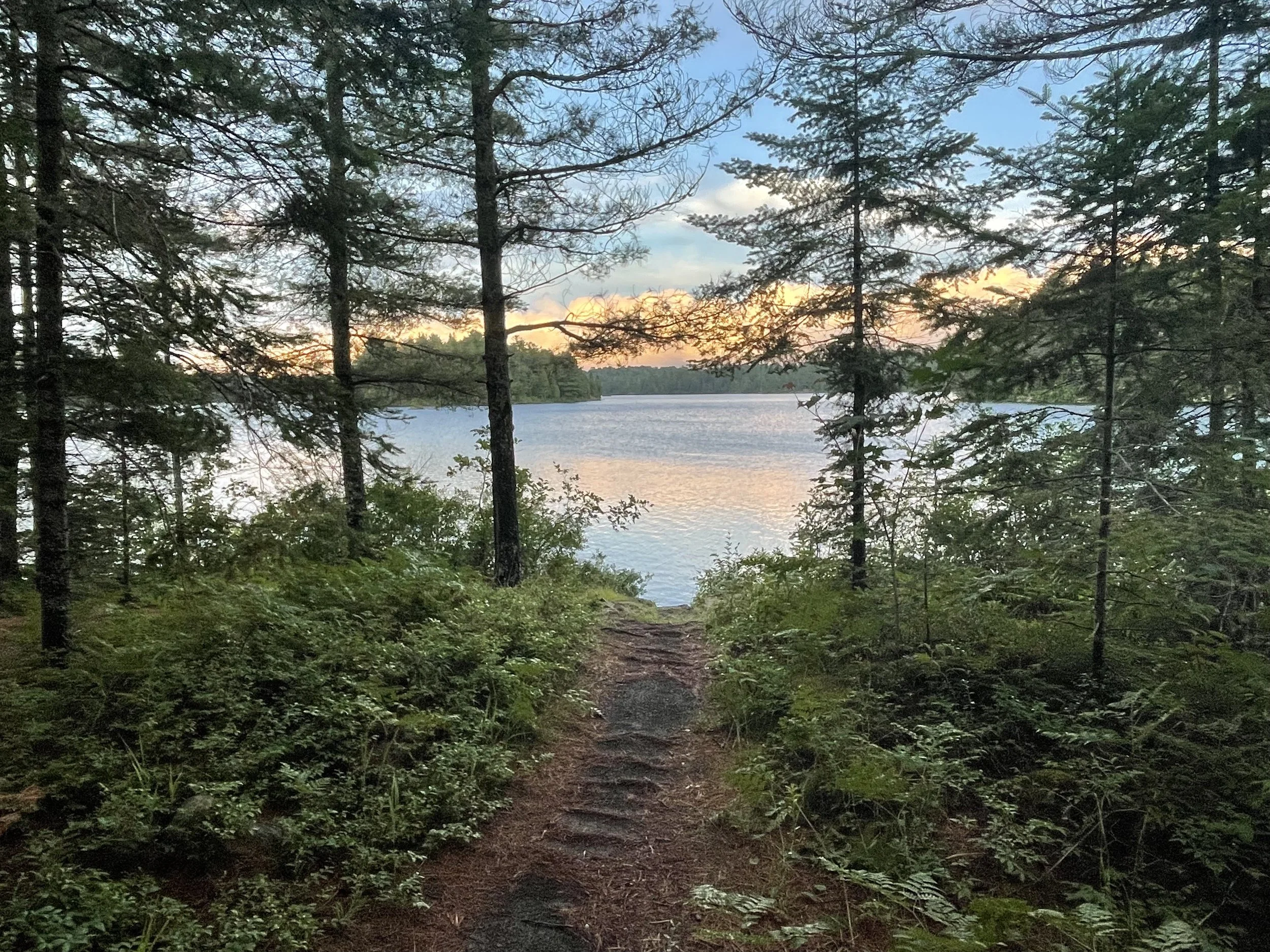
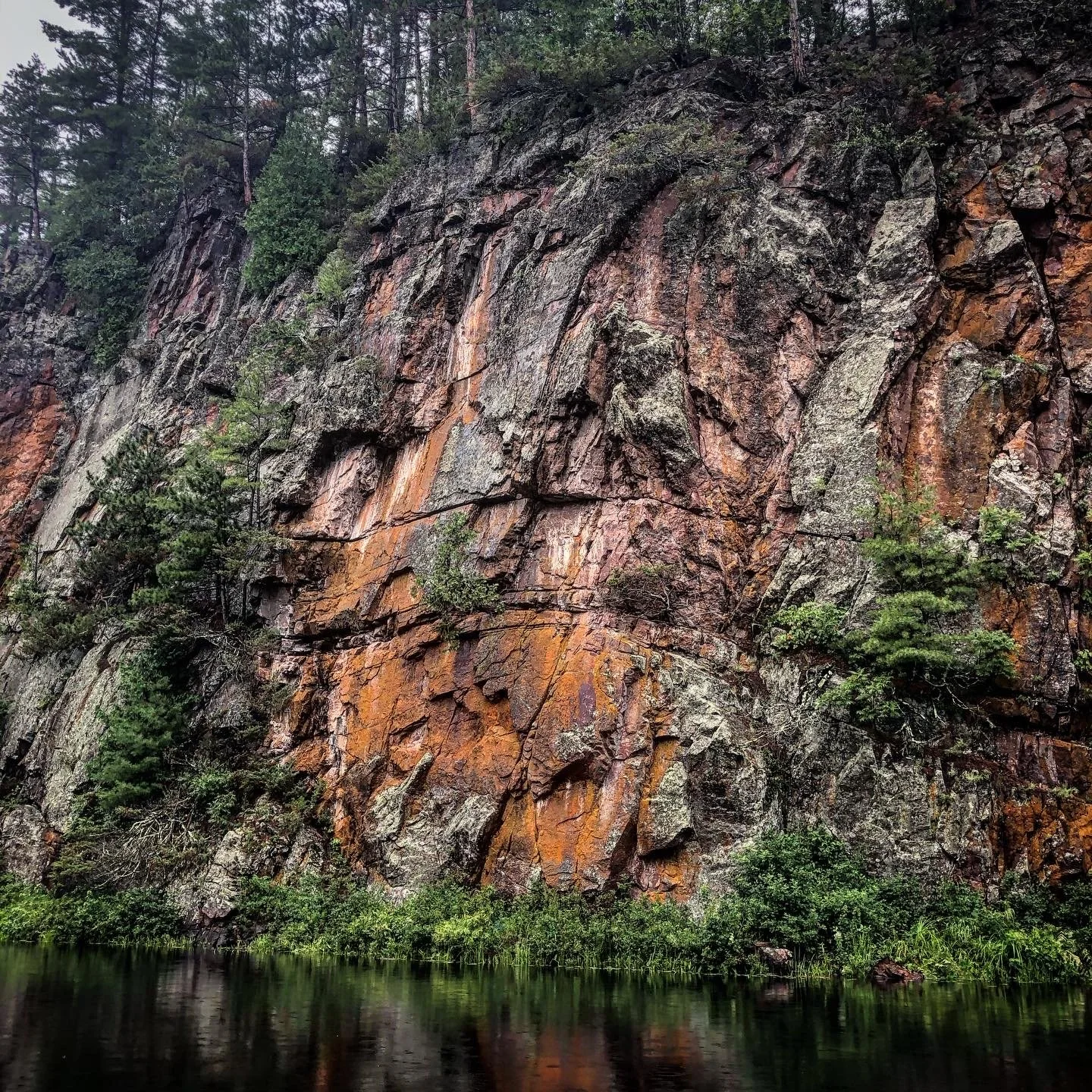
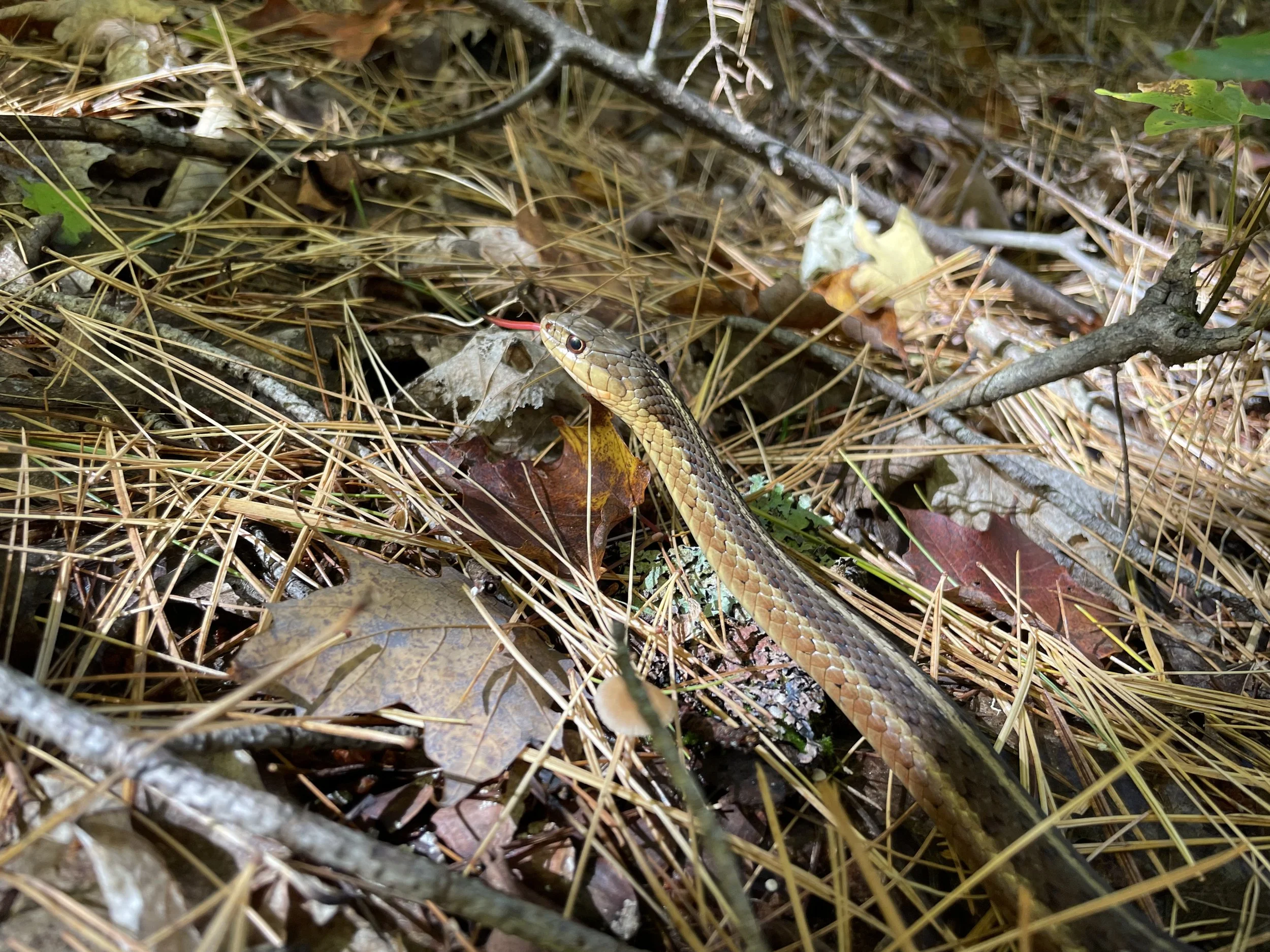
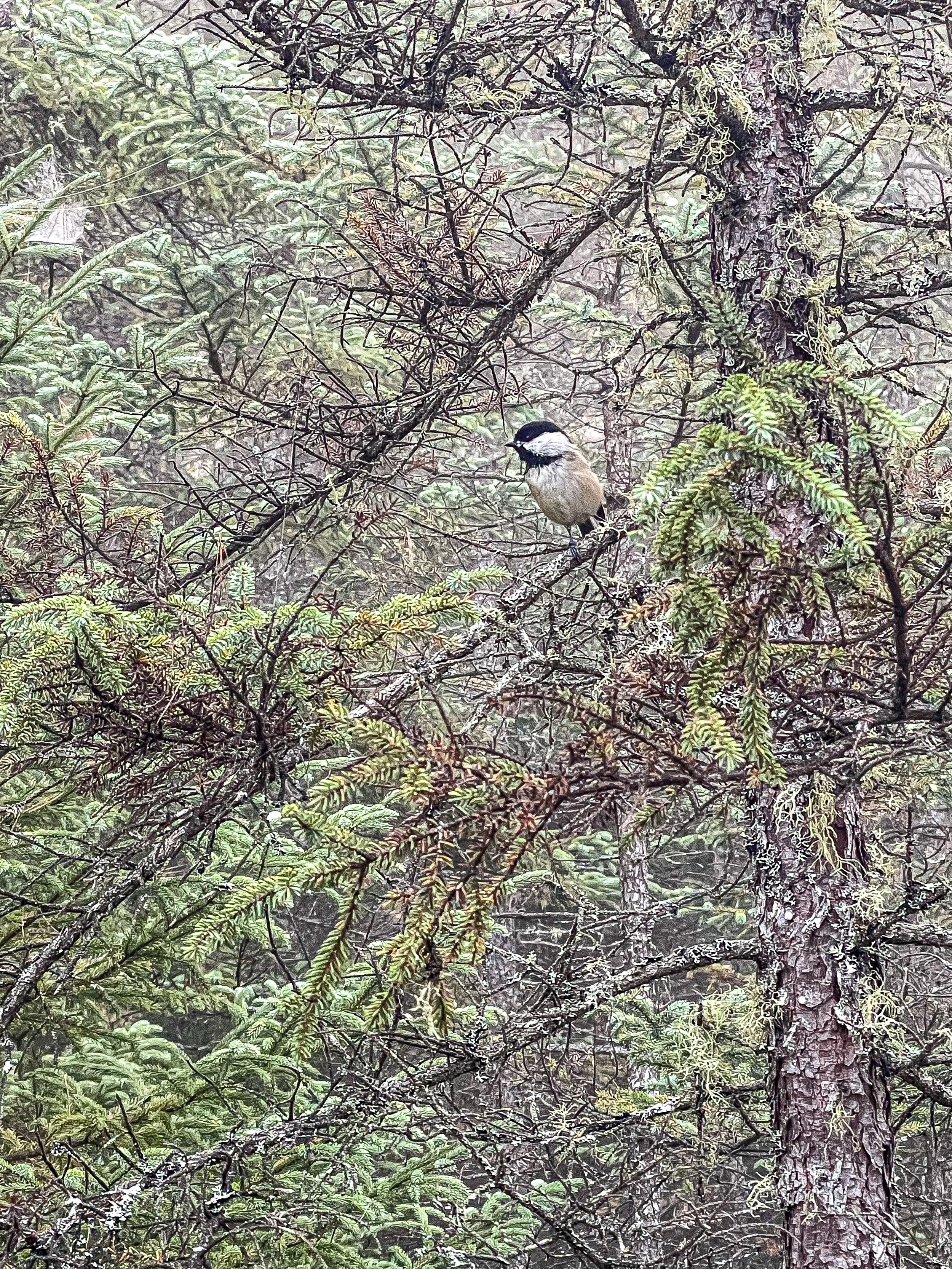
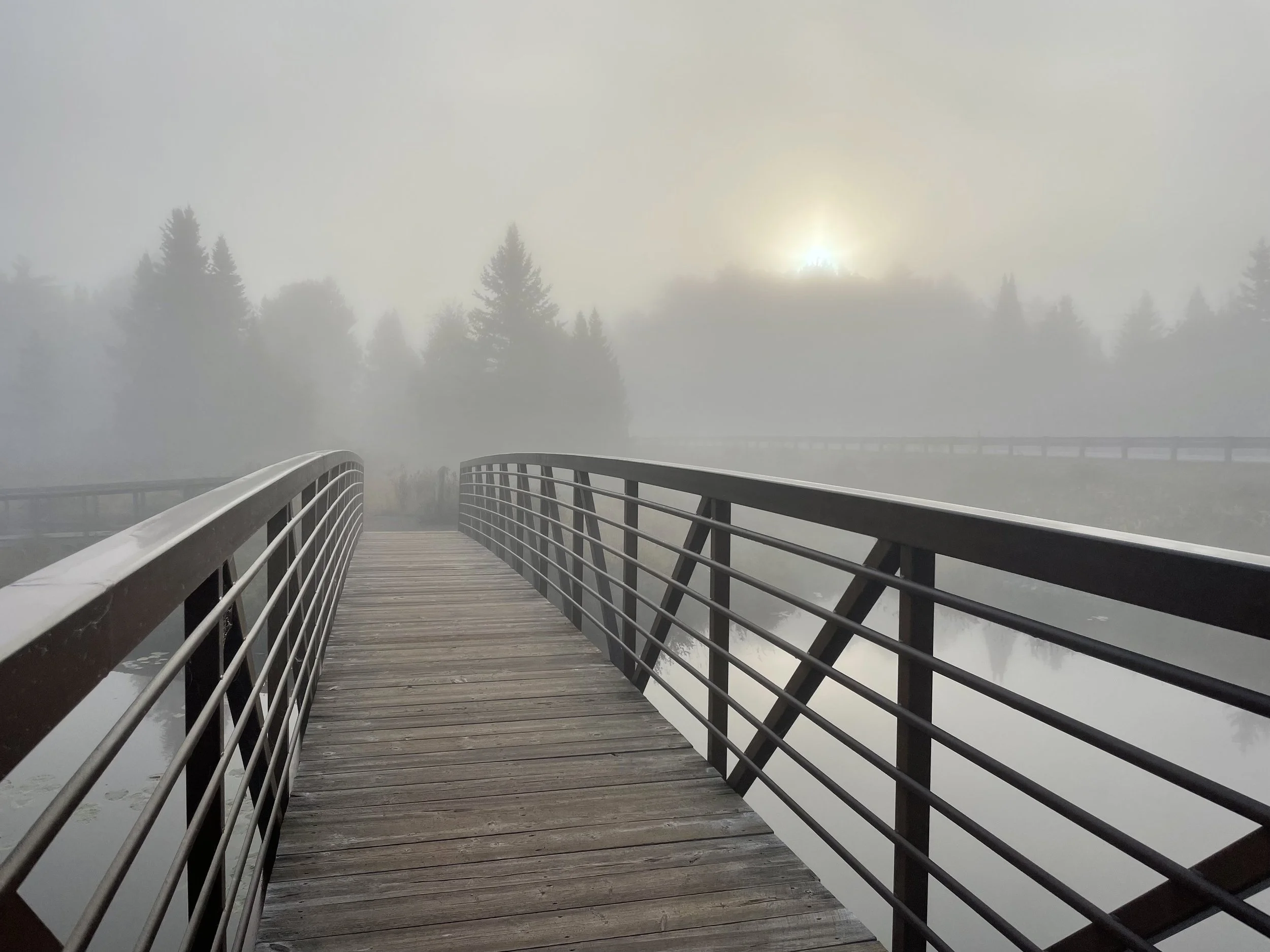
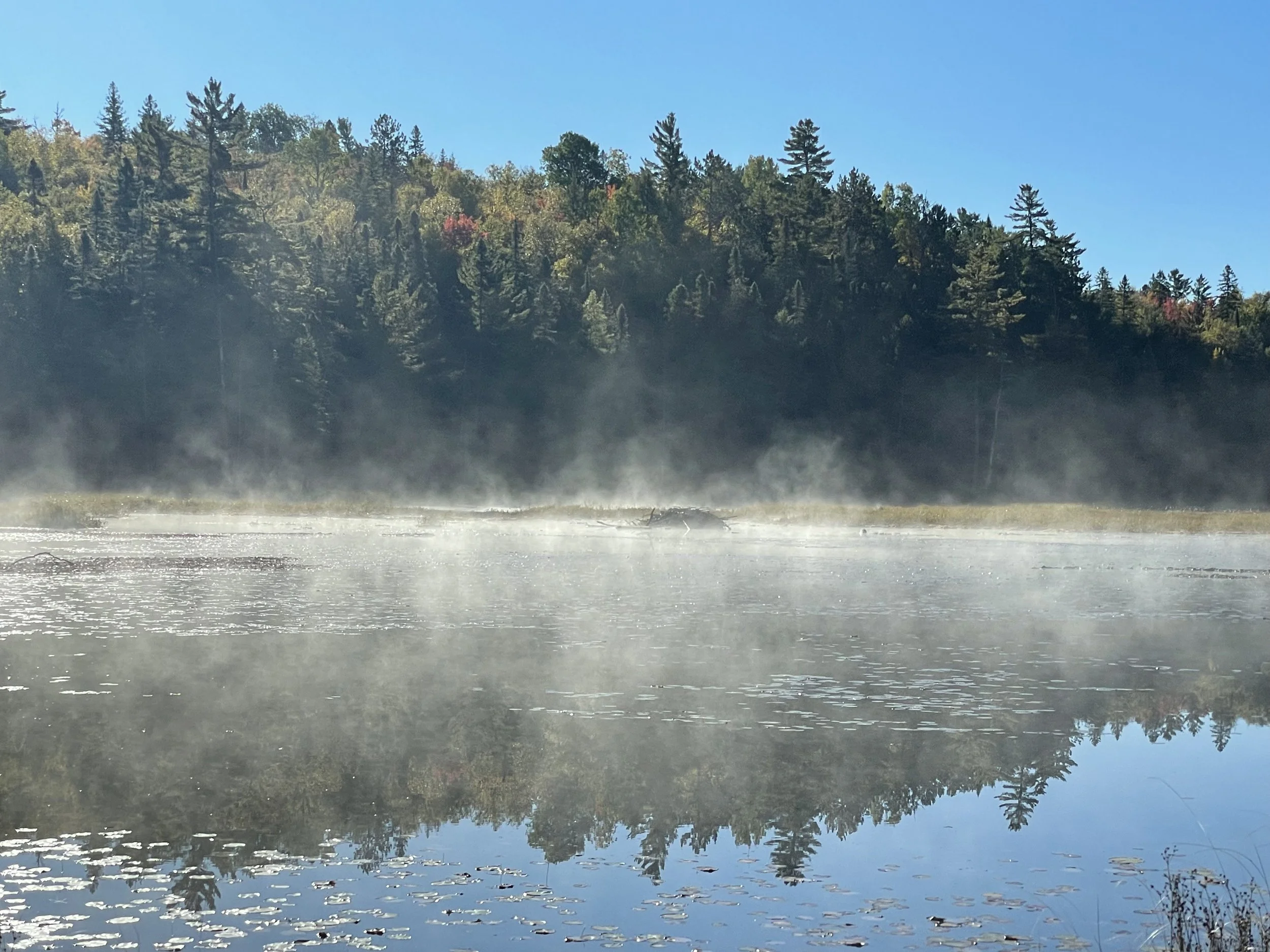
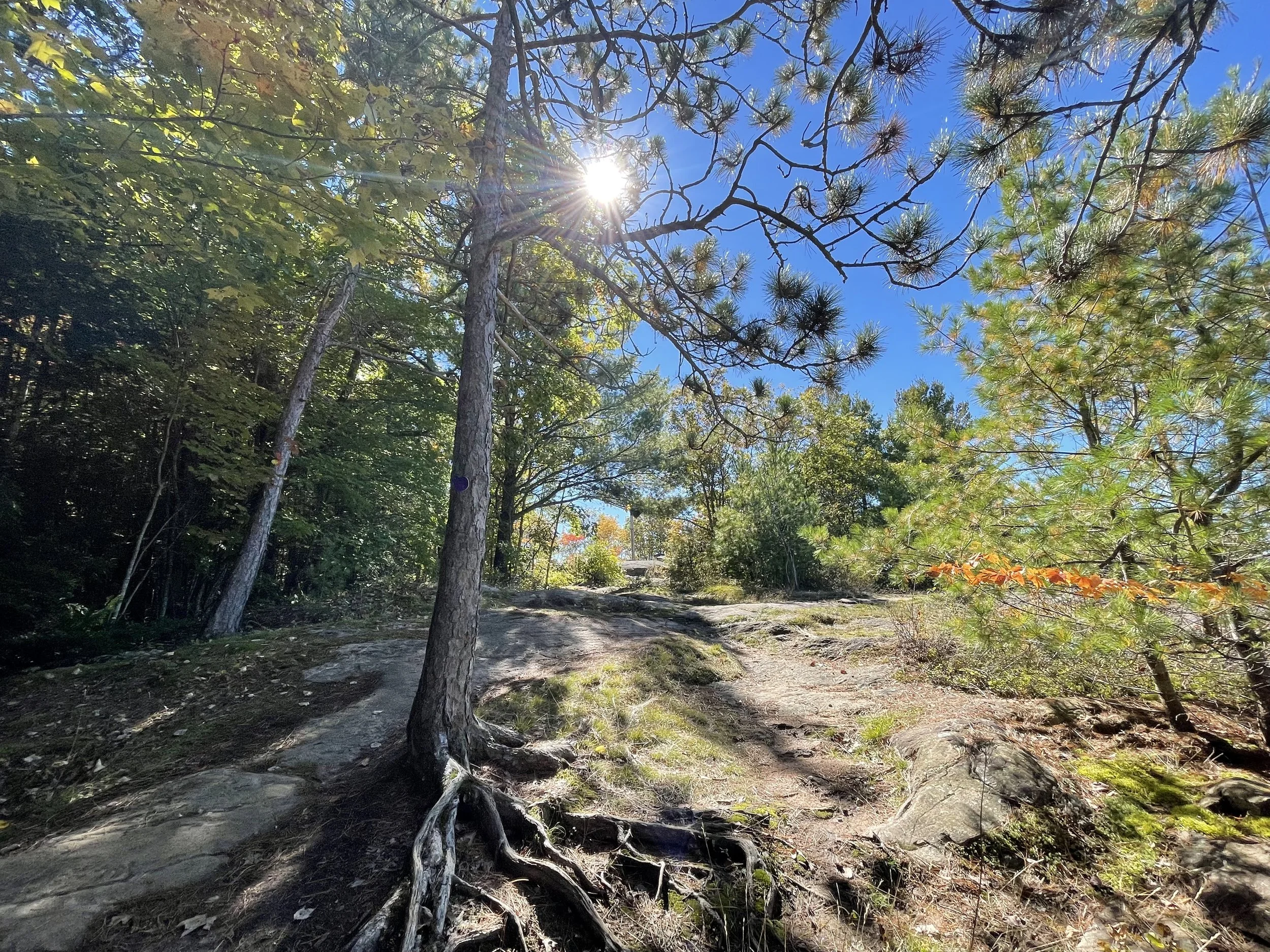
Algonquin Park is the beating heart of wild Ontario.
This iconic park was Canada’s first provincial park, established May 23, 1893 and it is freaking huge (7725 Km sq!!!) .
The sheer amount of wilderness to explore seems endless, with over 2400 lakes and 1200 kilometres of rivers and streams! (Like, what? That’s insane, right?)
Canoes and kayaks are available for rent at various outfitters located in and around the park’s boundaries.
Algonquin also boasts hundreds of kilometres of hiking trails, leading you through the rugged wild landscape of the Canadian Shield.
For wilderness enthusiasts, the backcountry adventure experience in Algonquin Park is a dream. With all of these trails and waterways to explore, you could literally get lost in the park for a month (or a lifetime!).
There are over 1900 backcountry campsites for hikers and canoeists, with convenient (albeit sometimes quite treacherous portages) connecting lakes and hiking trails along the way.
For those who love nature but don’t want to get lost in the wilderness, there are 12 developed, car-accessible campgrounds throughout the park, with over 1300 campsites available.
Most of these areas are located along the Highway 60 corridor, that runs East/West through the south end of the park, leaving the northern mass of the park wide open, pristine wilderness.
Also along the Highway 60 corridor you will find the Algonquin Park visitor’s centre, where you will find lots of information about the park, a gift shop, as well as interactive and interpretive displays about the park’s history, ecology and wildlife. Don’t forget to check out the view from the observation deck behind the visitors centre, it’s spectacular (especially in the fall colours!)
Algonquin is a wildlife lover’s paradise. Beavers, black bears, coyotes, eastern wolves, moose, deer and a wide variety of birds of prey, waterfowl, small critters and fish are common in the park.
Be sure to keep a safe distance from wildlife, always give them the respect they deserve, for their safety and yours!
Whether just for a day trip, or an extended stay, Algonquin Park is a dream destination year-round, with each season bringing different joyful experiences! If you plan to come see the fall colours, be sure to book well in advance, as even day permits are limited and it does sell out quick!
Be sure to add Algonquin Provincial Park to your Canadian bucket list!
5.Prince Edward Island
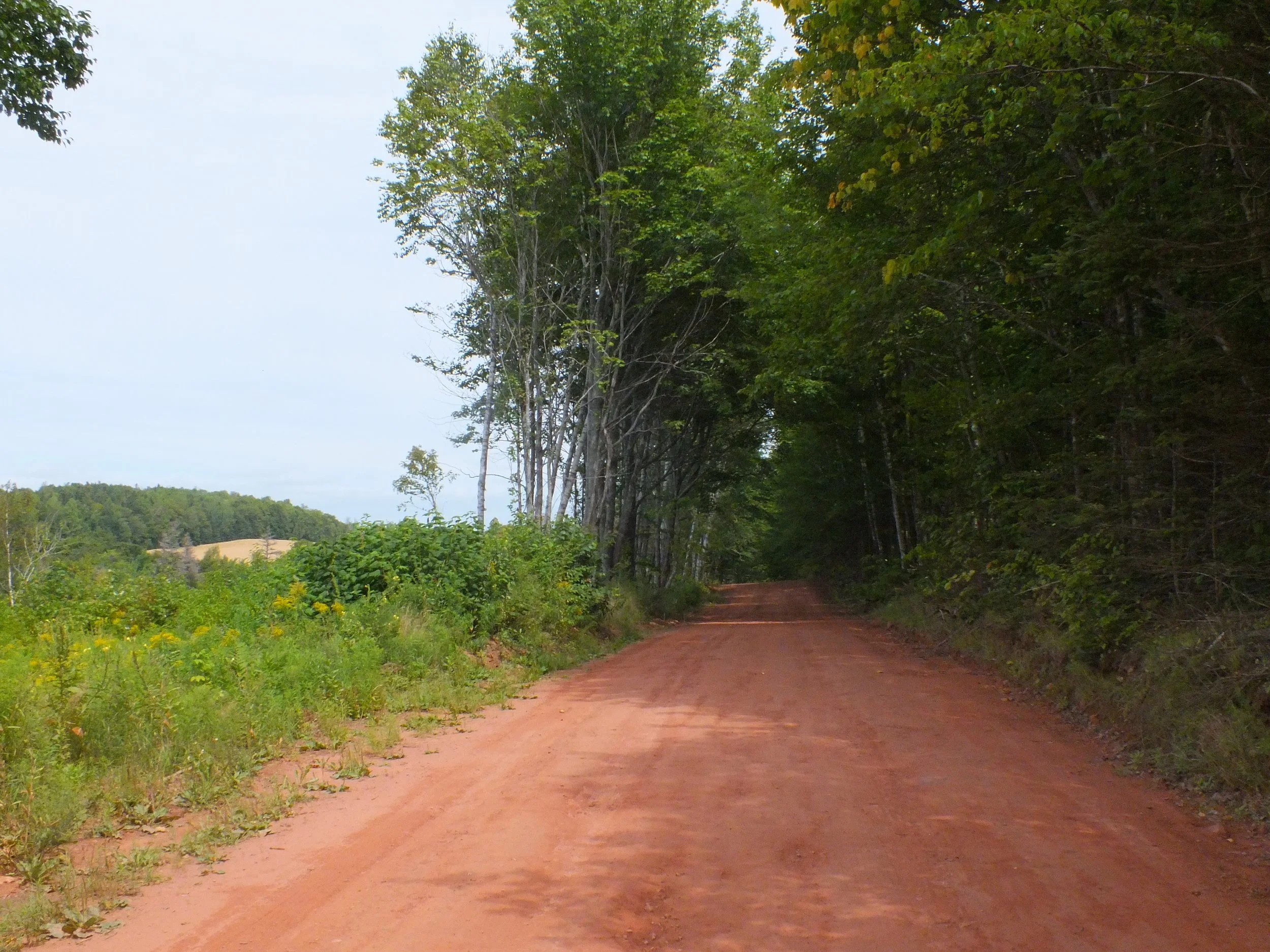
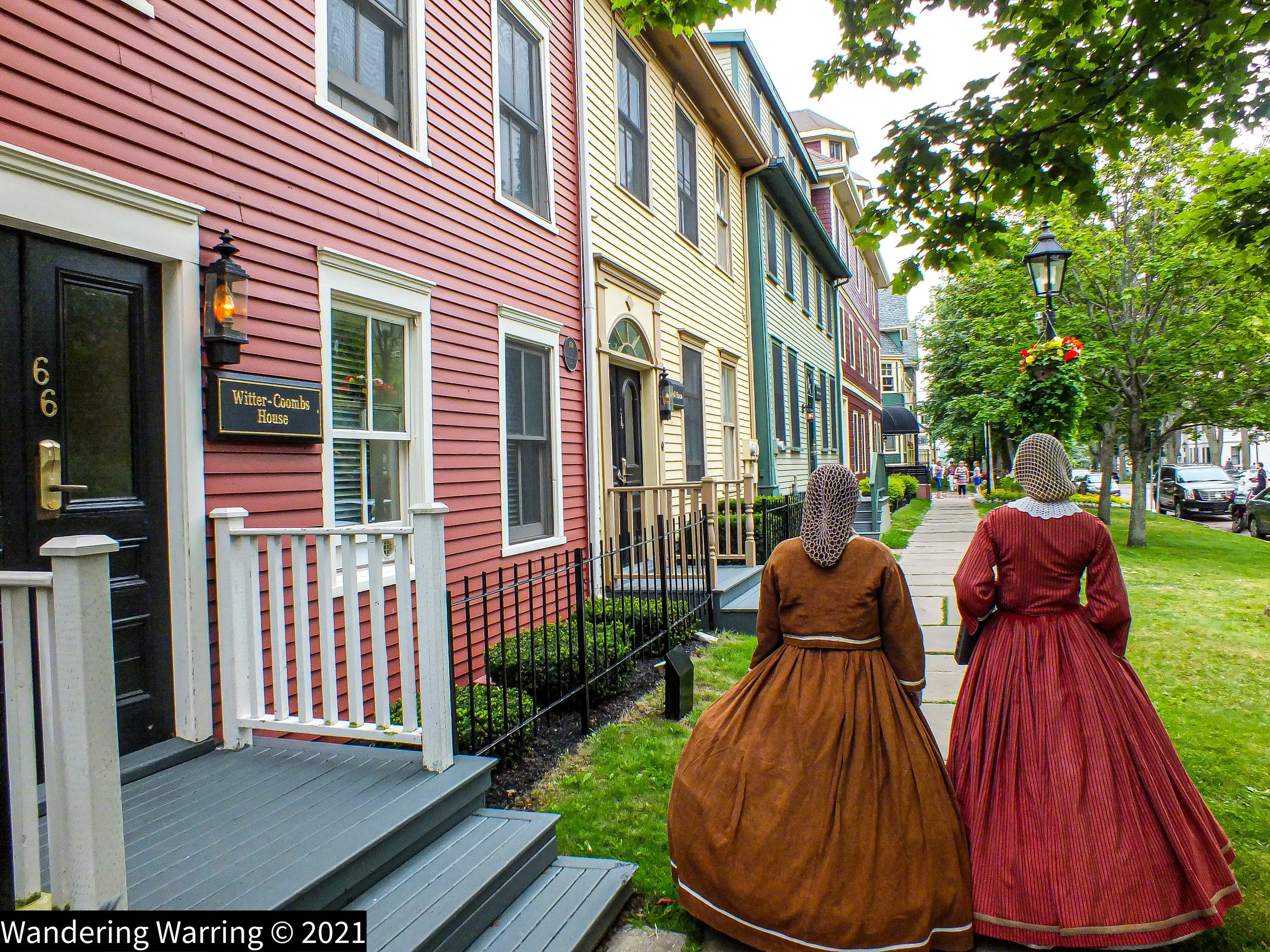
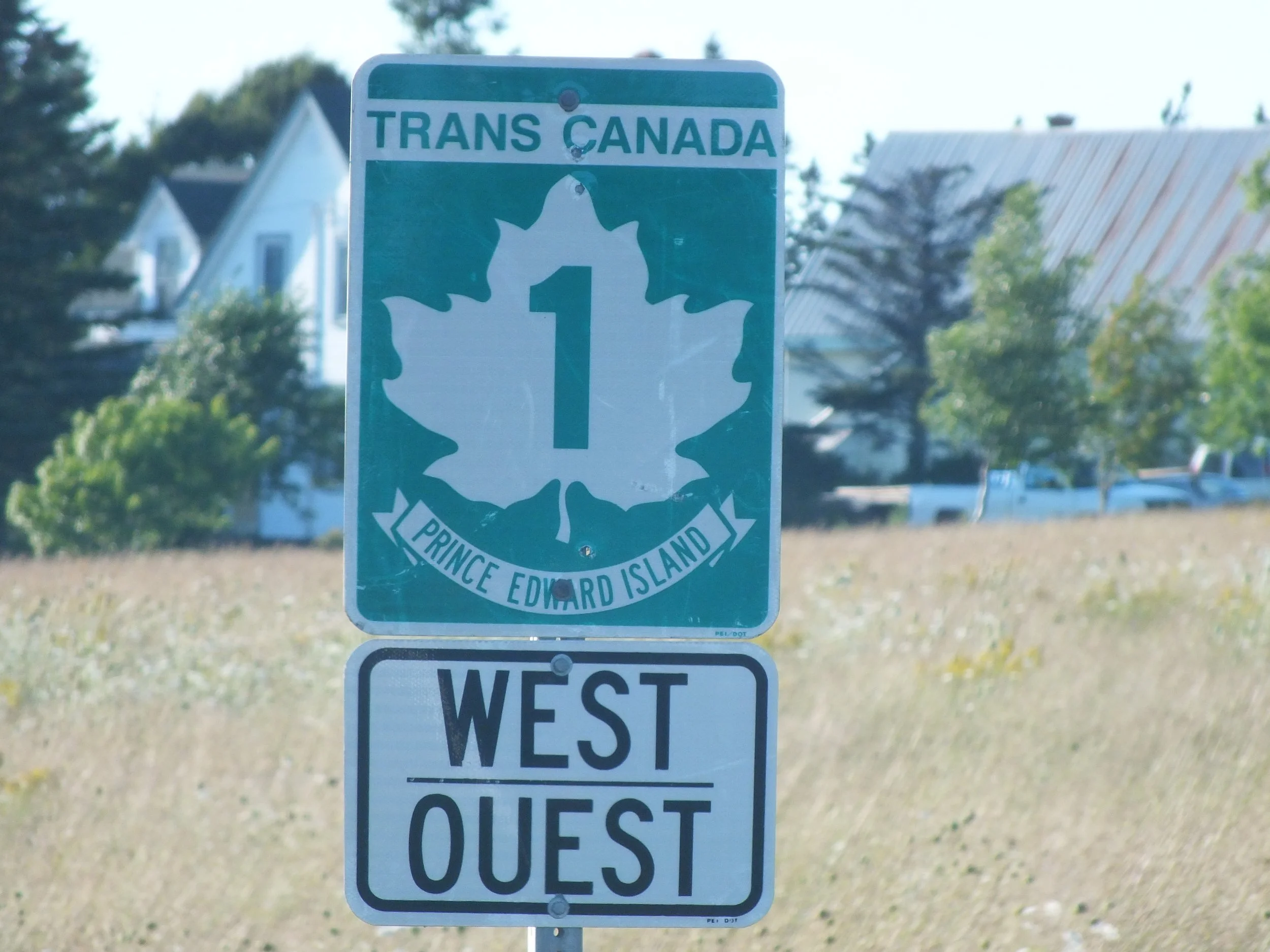
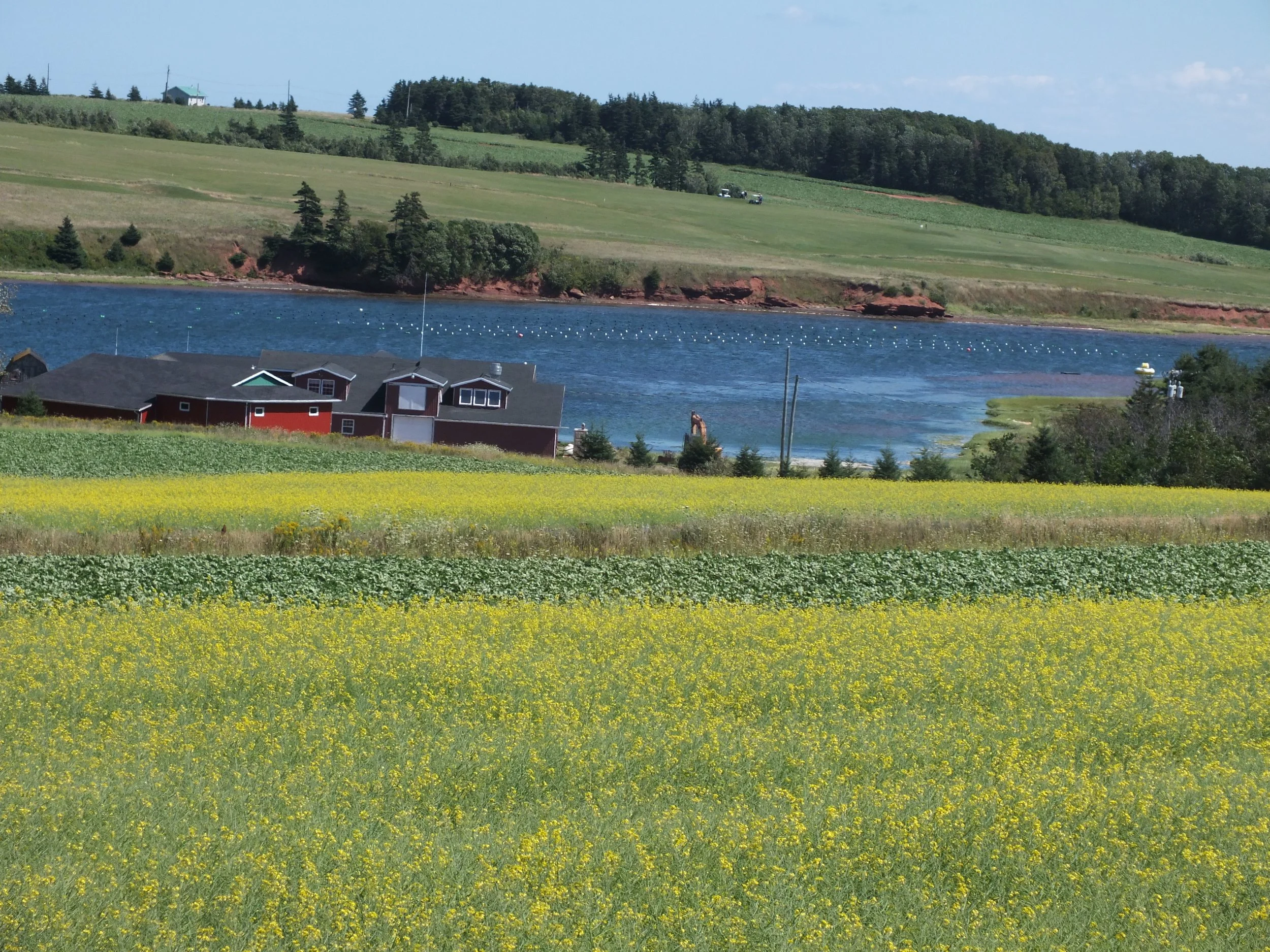
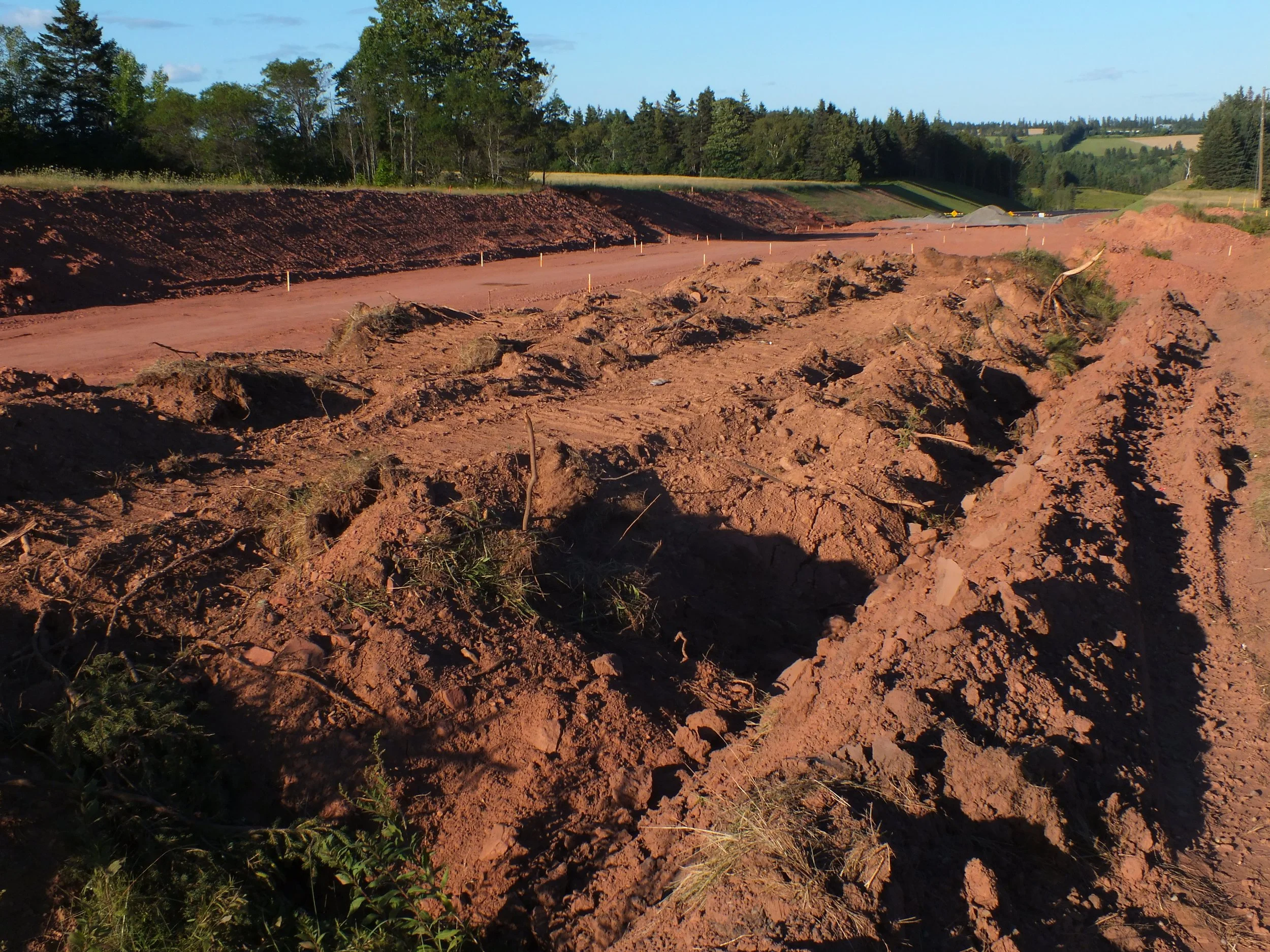
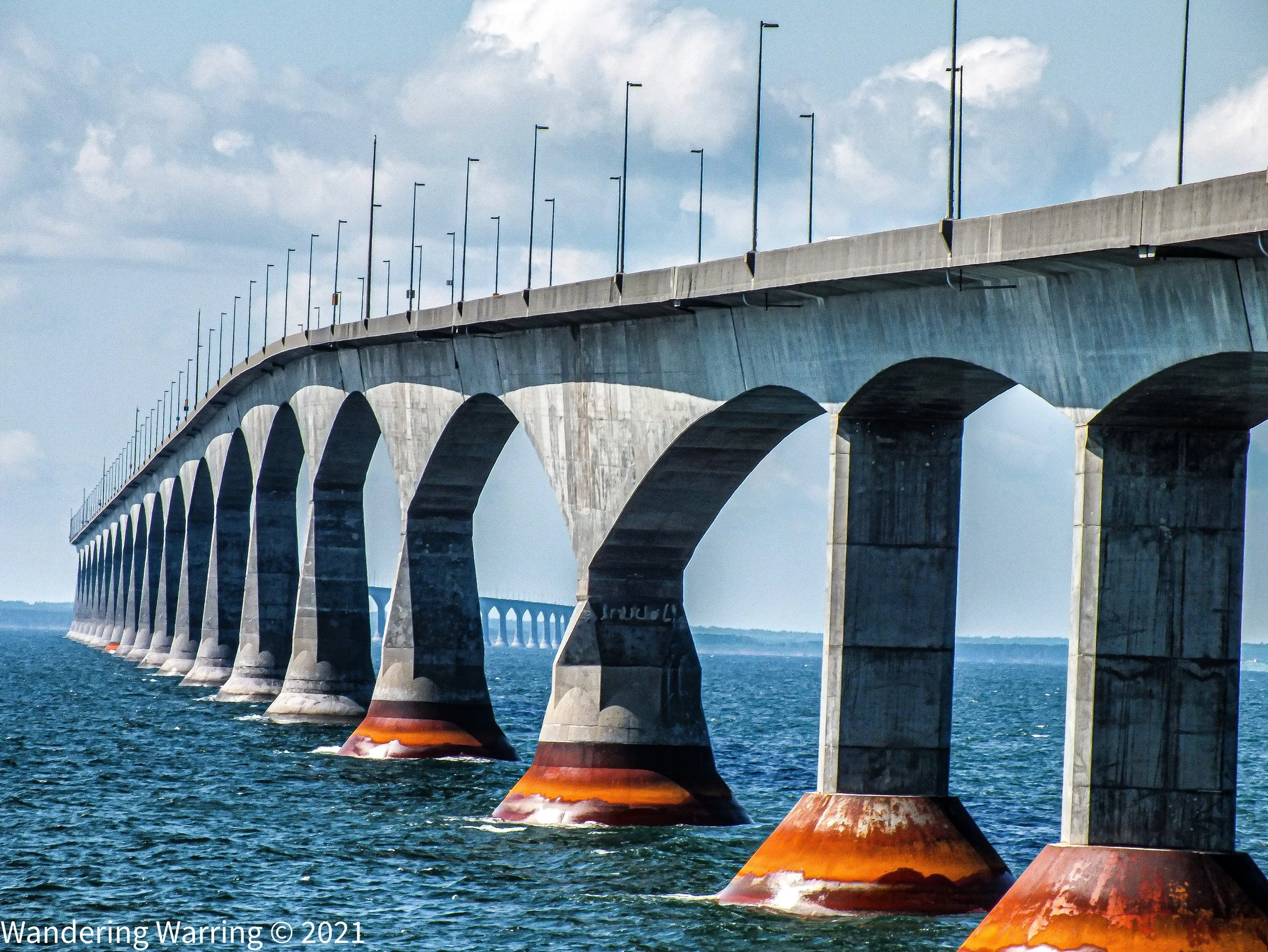

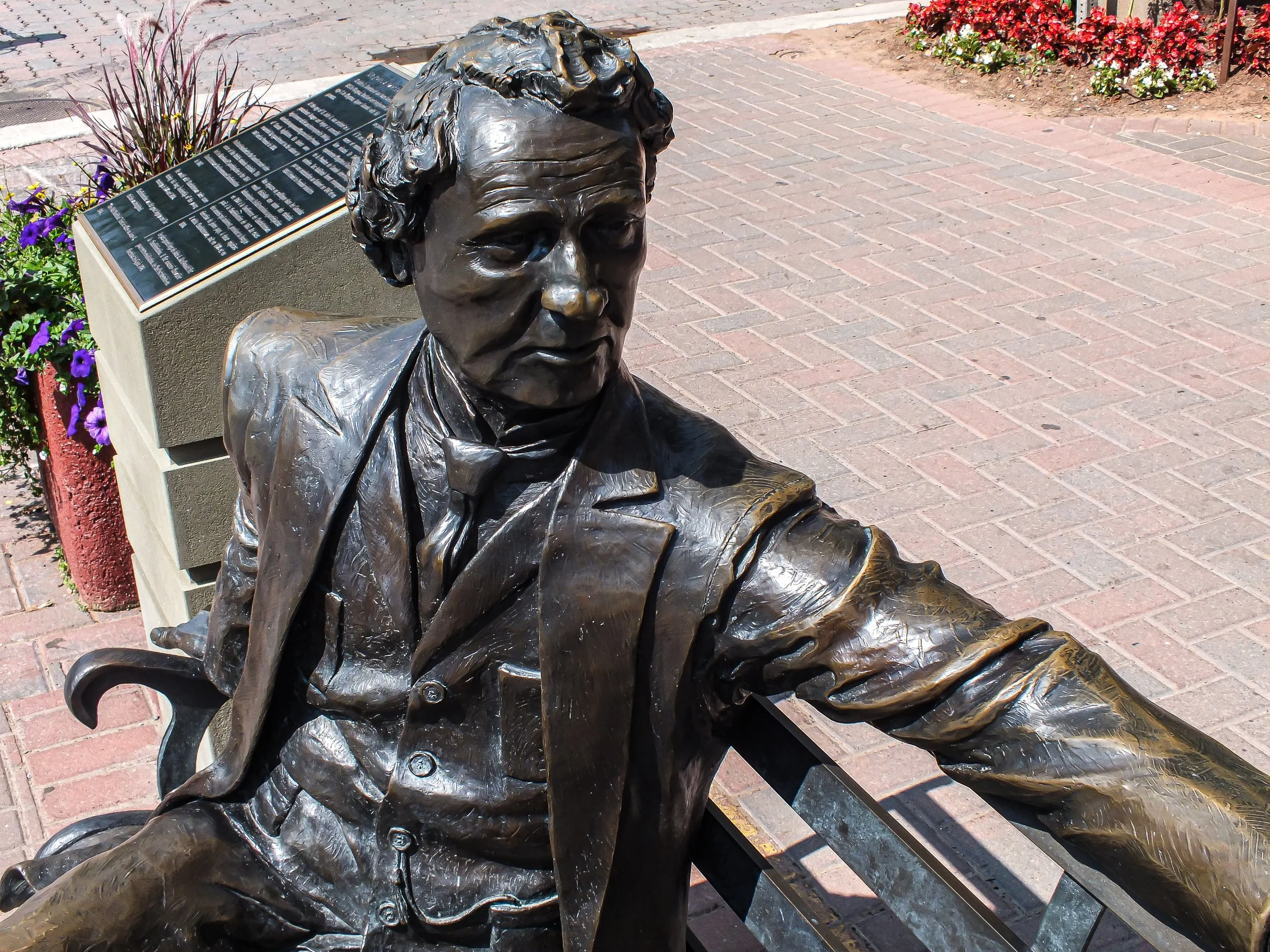
Prince Edward Island; small island, huge culture.
Prince Edward Island, or PEI, is Canada’s smallest province, an island off the east coast, neighbouring New Brunswick and Nova Scotia.
The island can be accessed by ferry, or across the iconic Confederation Bridge, which has been carrying travellers over the Atlantic since it opened in 1997. There is a toll (approx $20 for a car) for those crossing the bridge on the way off the island.
Known for its laid back lifestyle, endless potato farms and the richest, reddest soil, all surrounded by breathtaking ocean views.
No matter where you are on this quaint little island, you are never more that a 30 minute drive away from the ocean! (Which I find brings an ever present ocean breeze, no matter where you are on the island.)
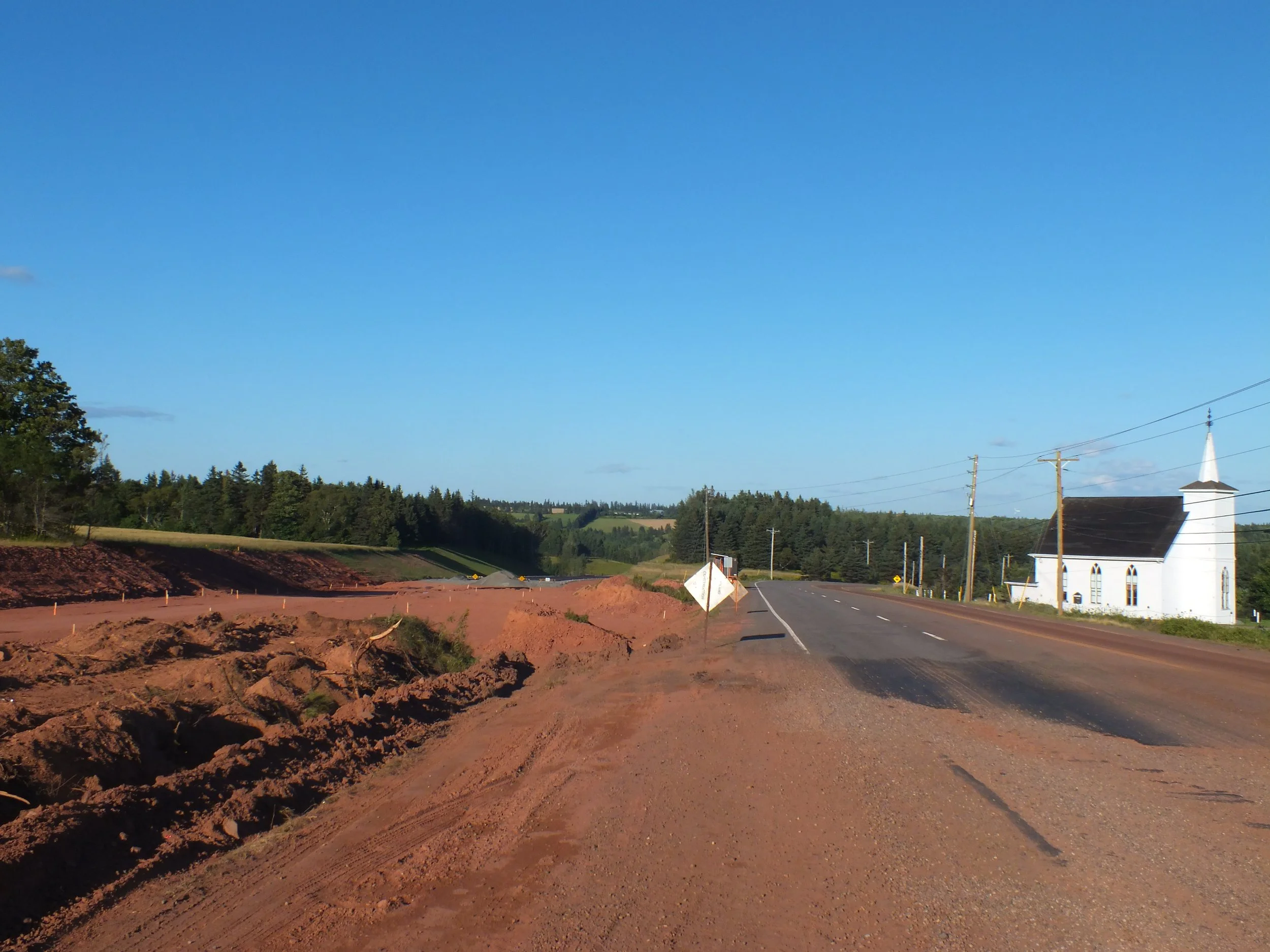
Driving through the PEI countryside, over its rolling hills and humble valleys, red dirt roads leading you along, you can’t help but unwind, relax, and wonder how you’re ever going to go back to a city again.
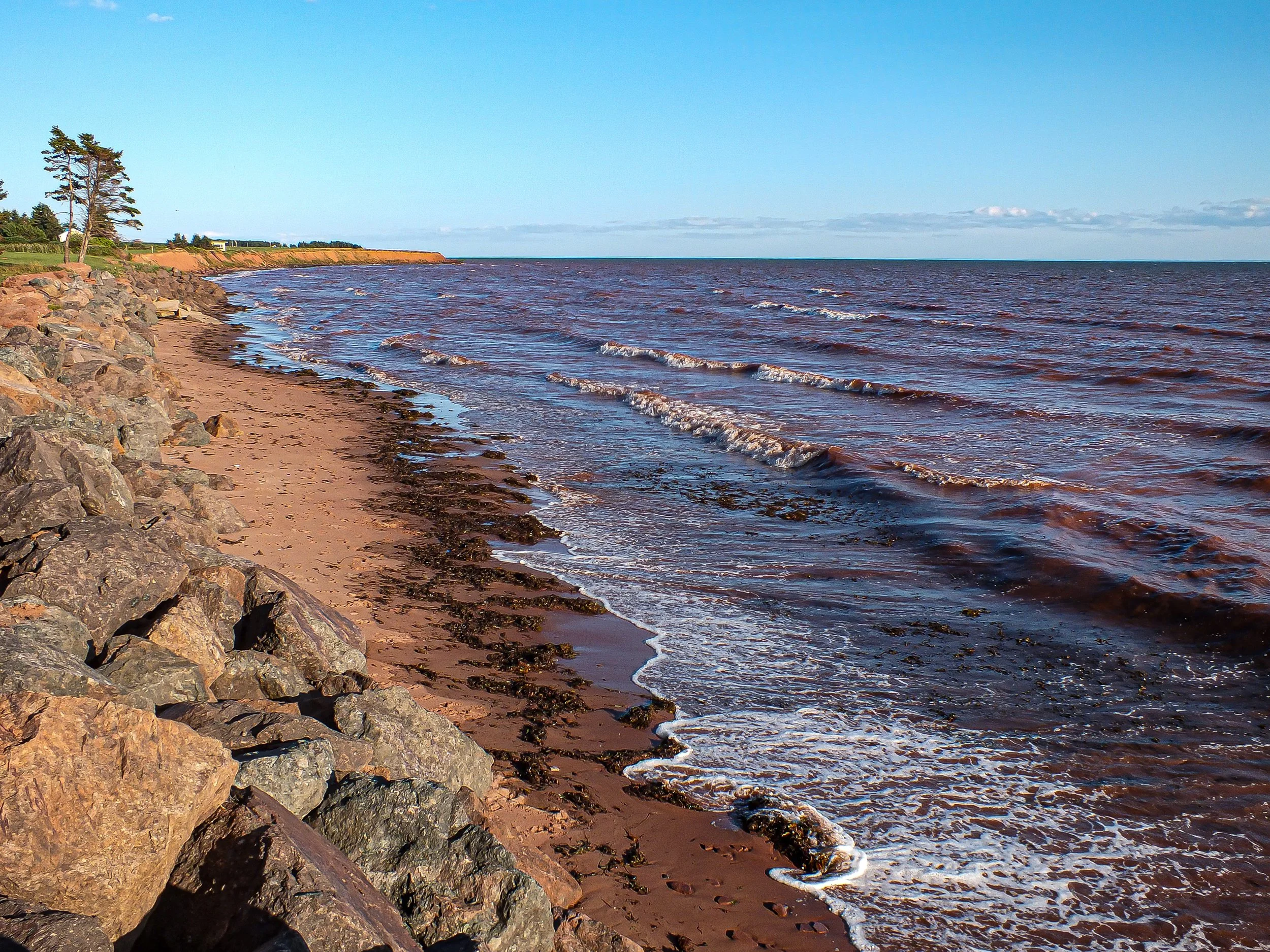
The soil on the island is rich in iron oxide, giving it its hearty red colour, creating the perfect farming environment, which is what gives those PEI potatoes their distinct flavour and quality.
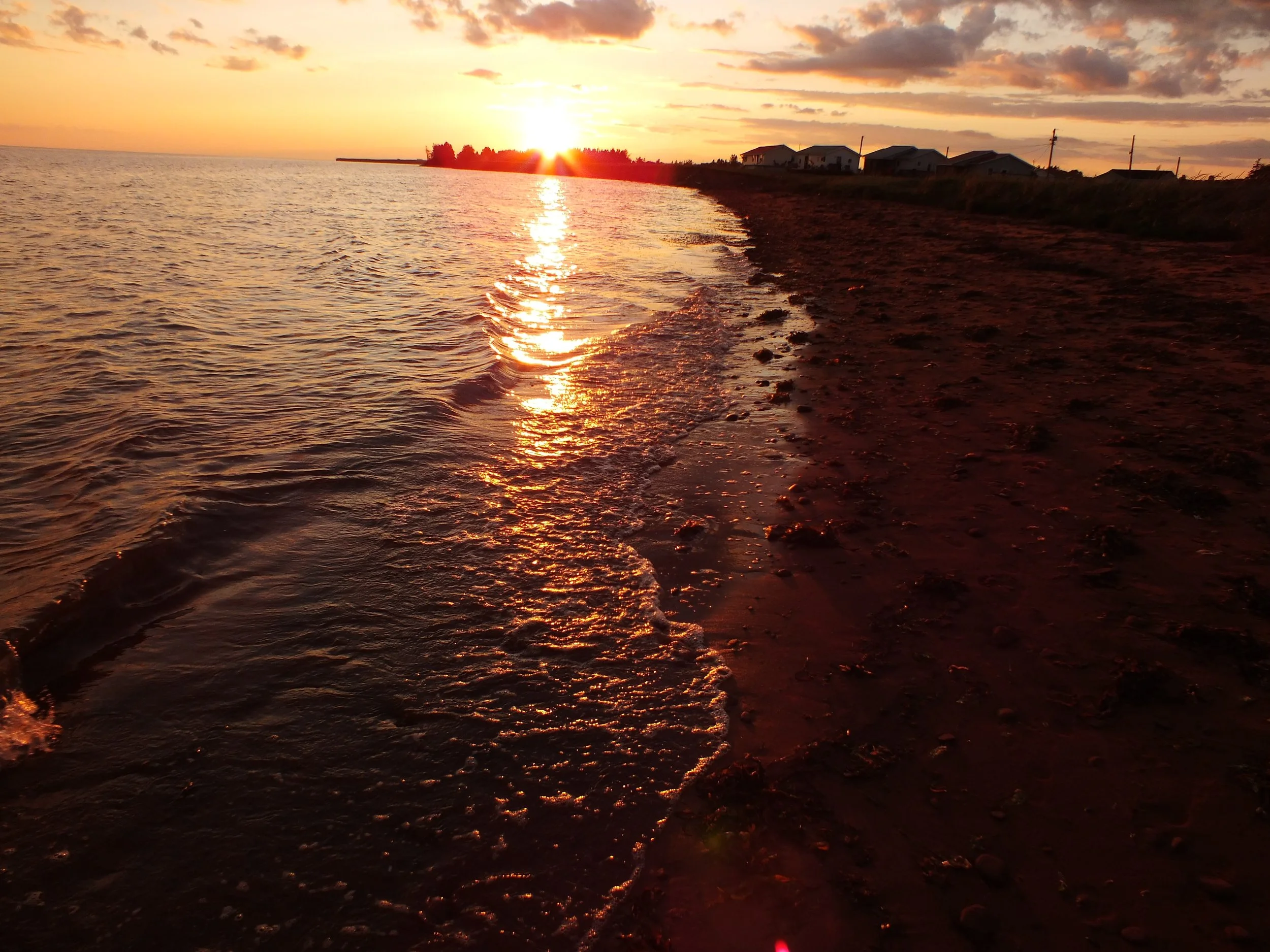
Along the southern shore on the Northumberland Strait, you can waste the days away wandering the vibrant red beaches, enjoying the breeze, the sunsets and the sound of the waves.
When the tide goes out, you may find yourself some sea glass washed along the beach. Sea glass, often found in many colours, is broken glass that’s gone overboard that has been smoothed over by the ocean over time and cast upon the shore by the rolling tide.
Bring a bucket, sometimes there’s lots to find! Sea glass is concentrated highly on the Northumberland shores, remnants of the area’s rich shipping history.
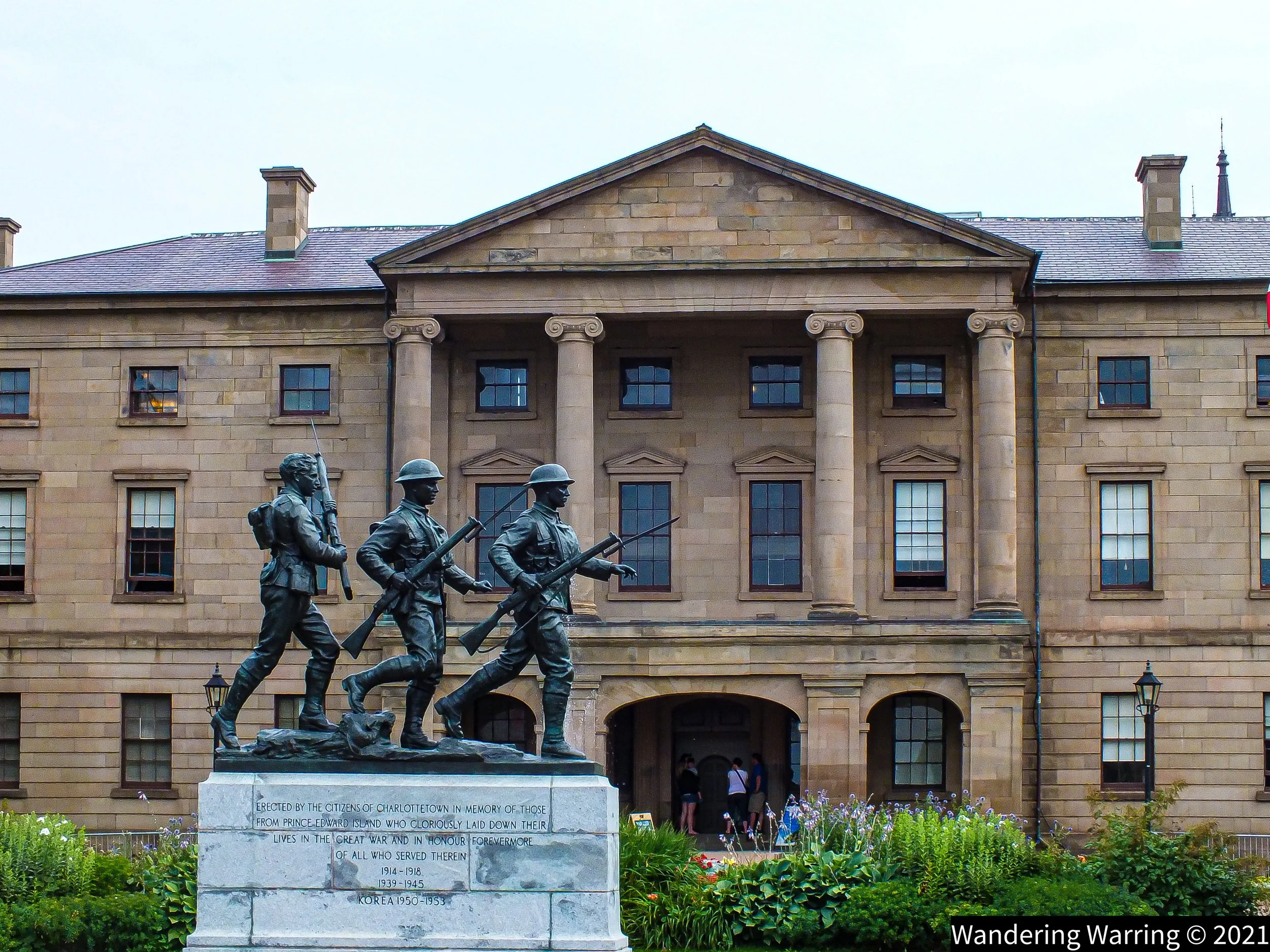
Make sure to make a stop in Charlottetown and explore the quaint maritime charm and history it has to offer. It is, after all, “The Birthplace of Confederation.”
Province House has been the place of Prince Edward Island’s Legislative Assembly since 1847. It was also the site of the Charlottetown Conference in 1864, where our fathers of Confederation met, and the idea of Canada was born.
Prince Edward Island is a wonderful escape from hectic city life. The pace is different here. The people are happy, the air is fresh and the serenity is ever present.
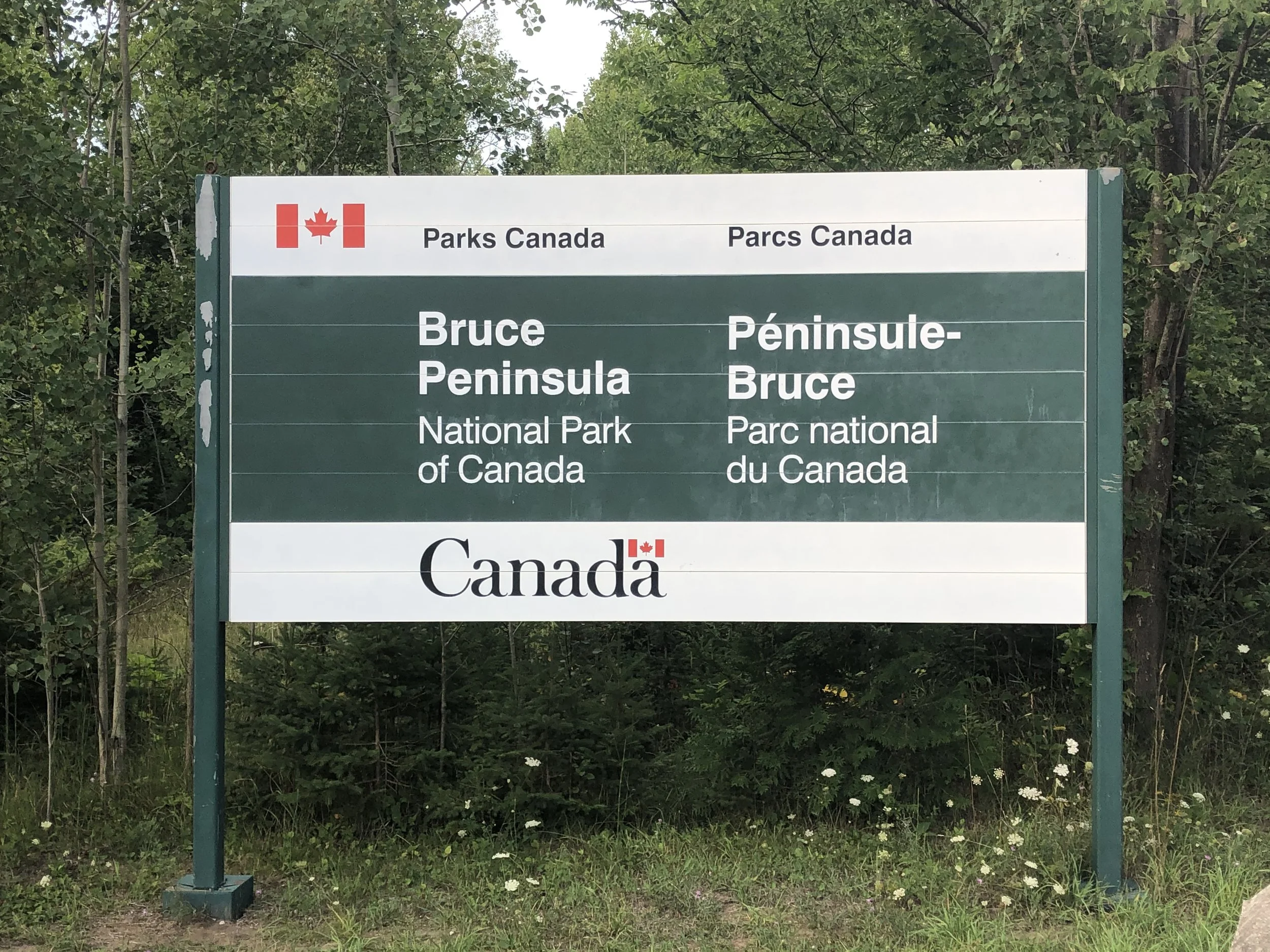
6.Bruce peninsula, Ontario
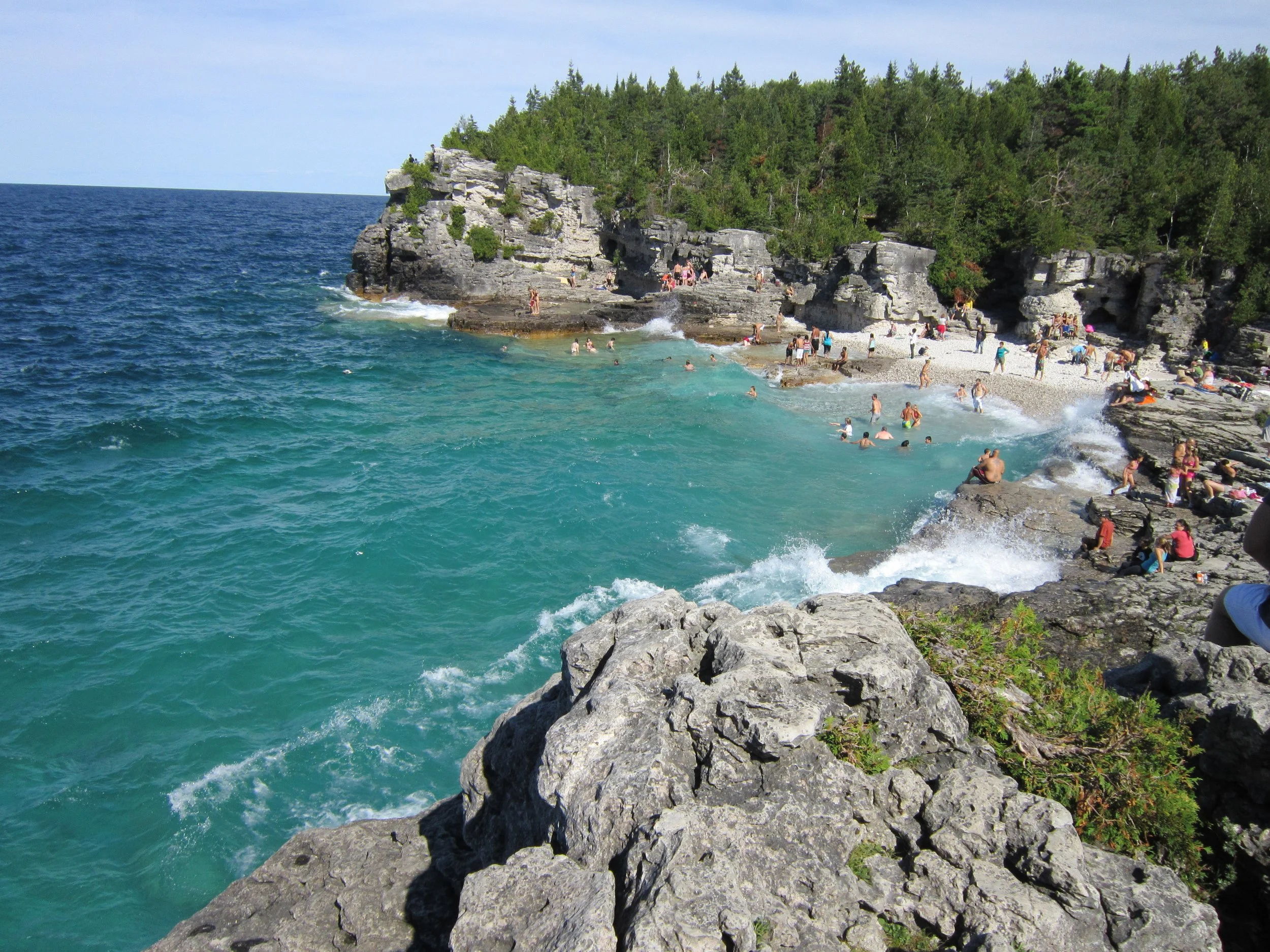
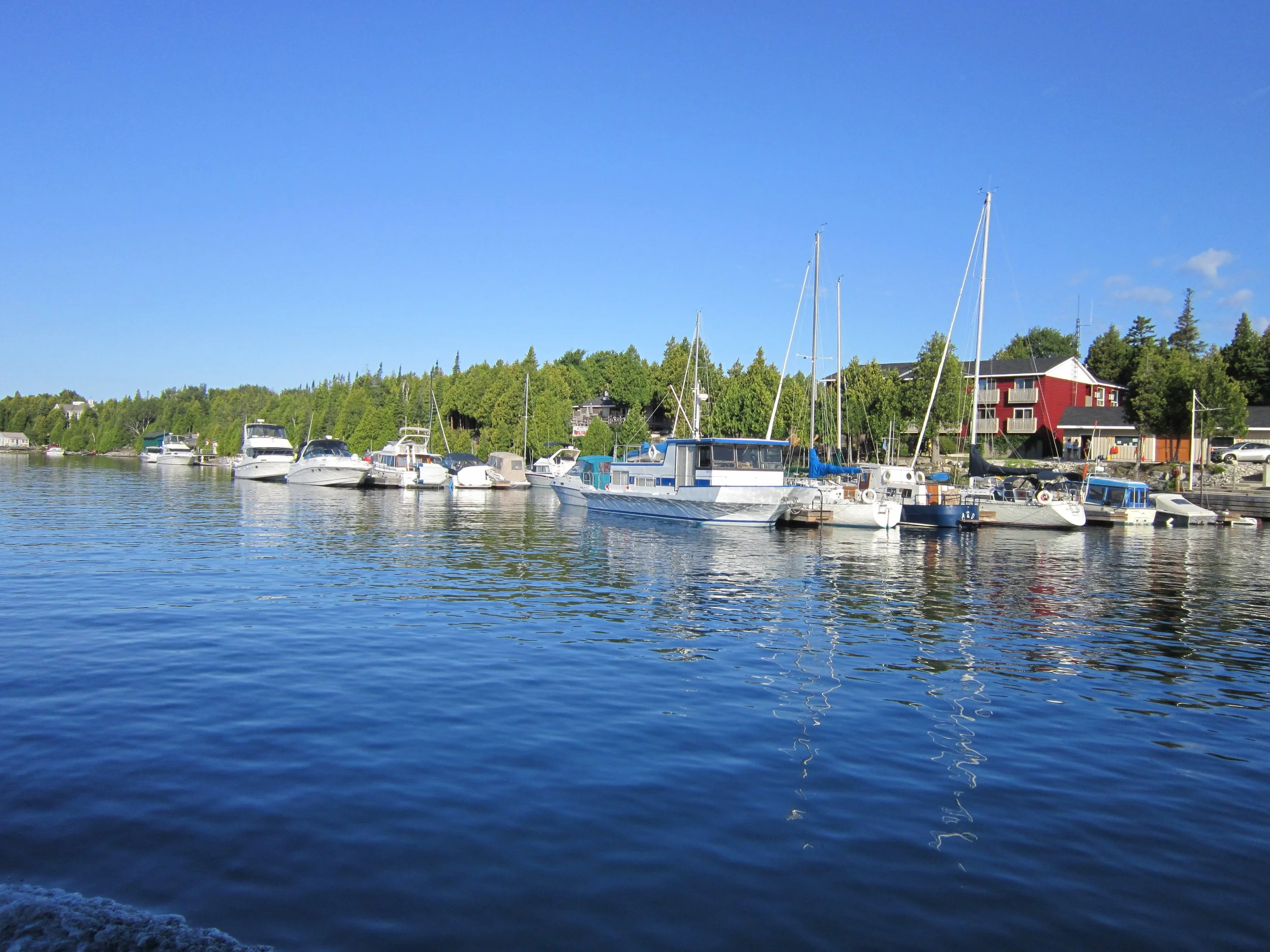
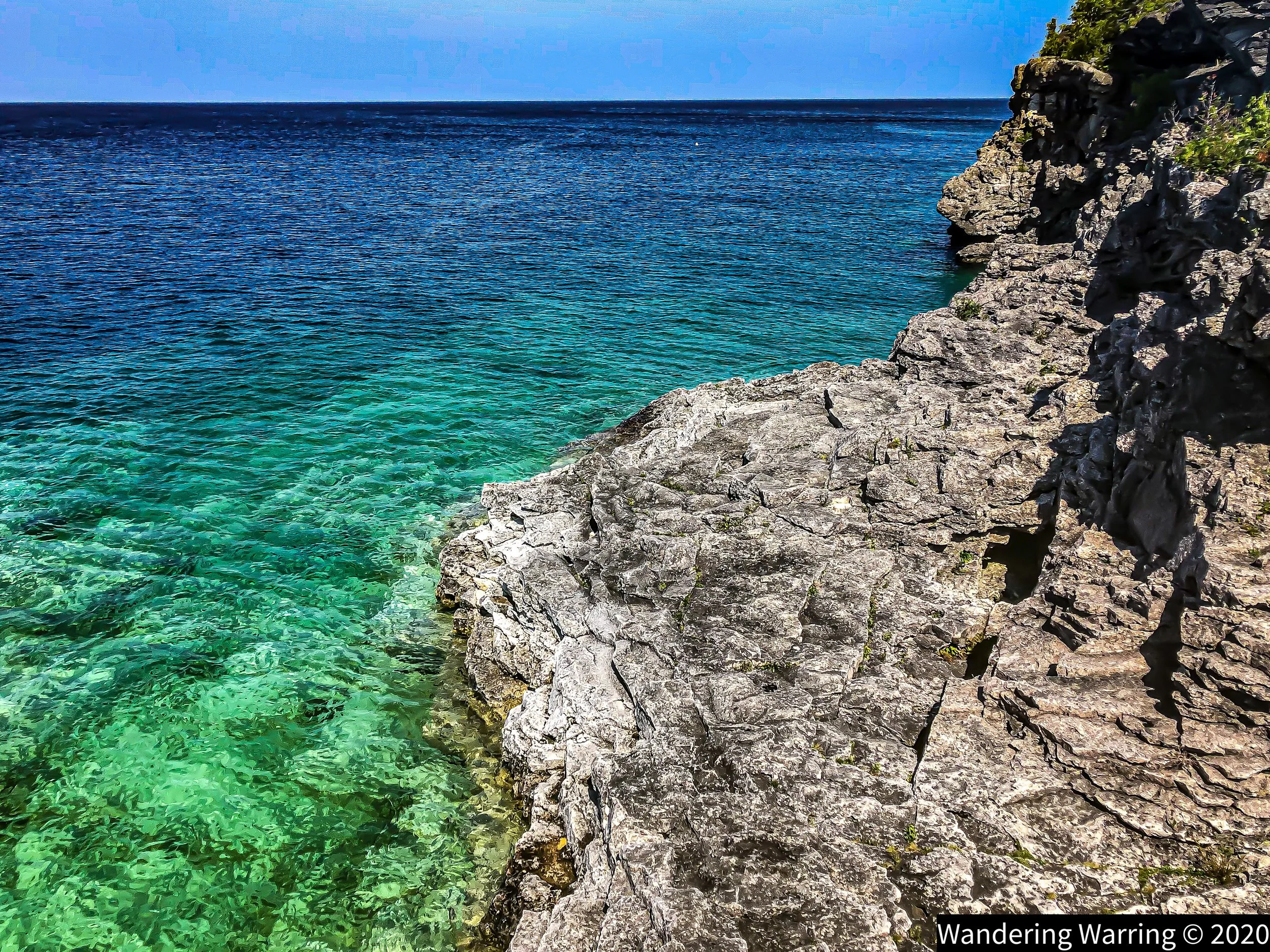
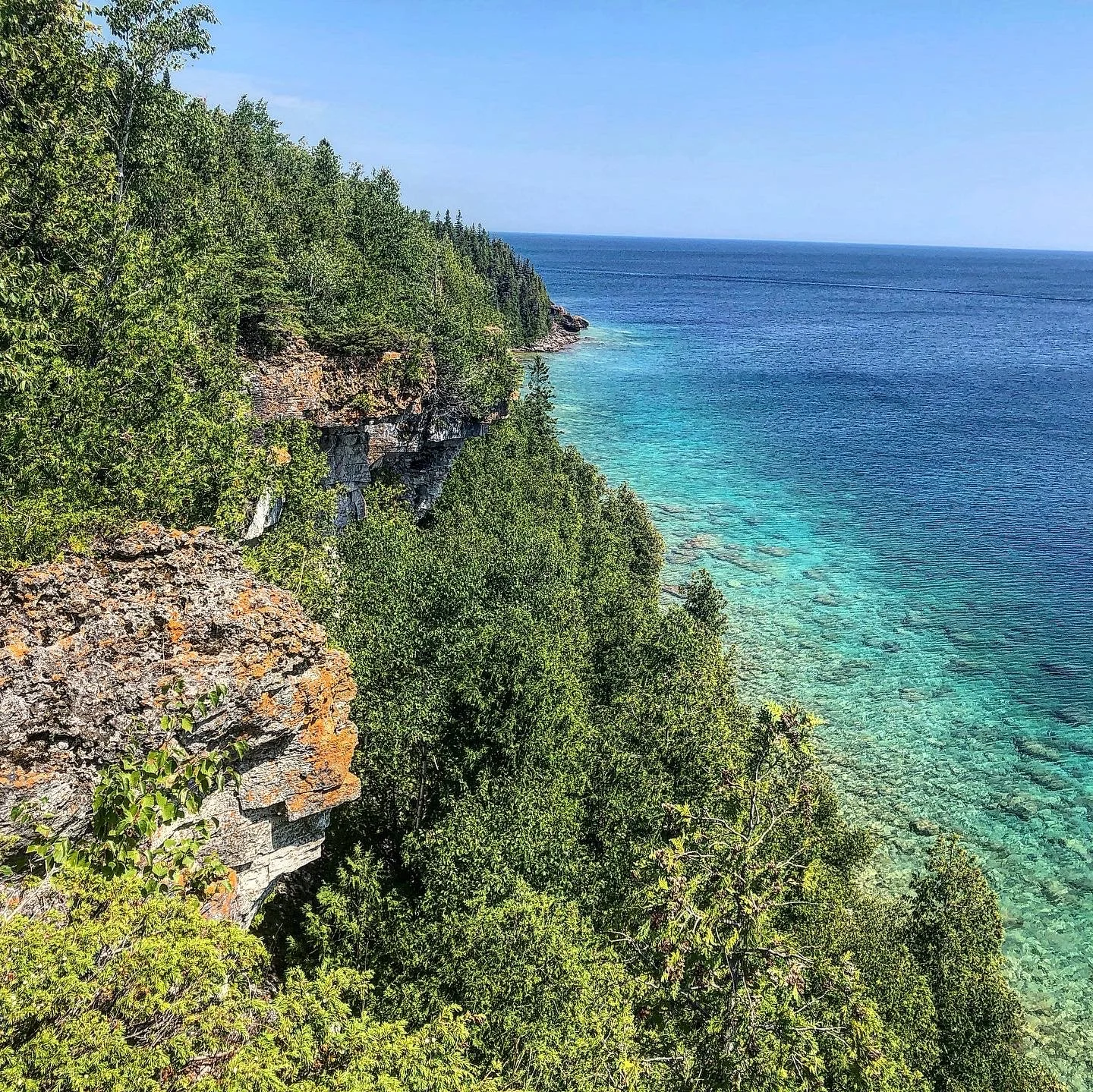
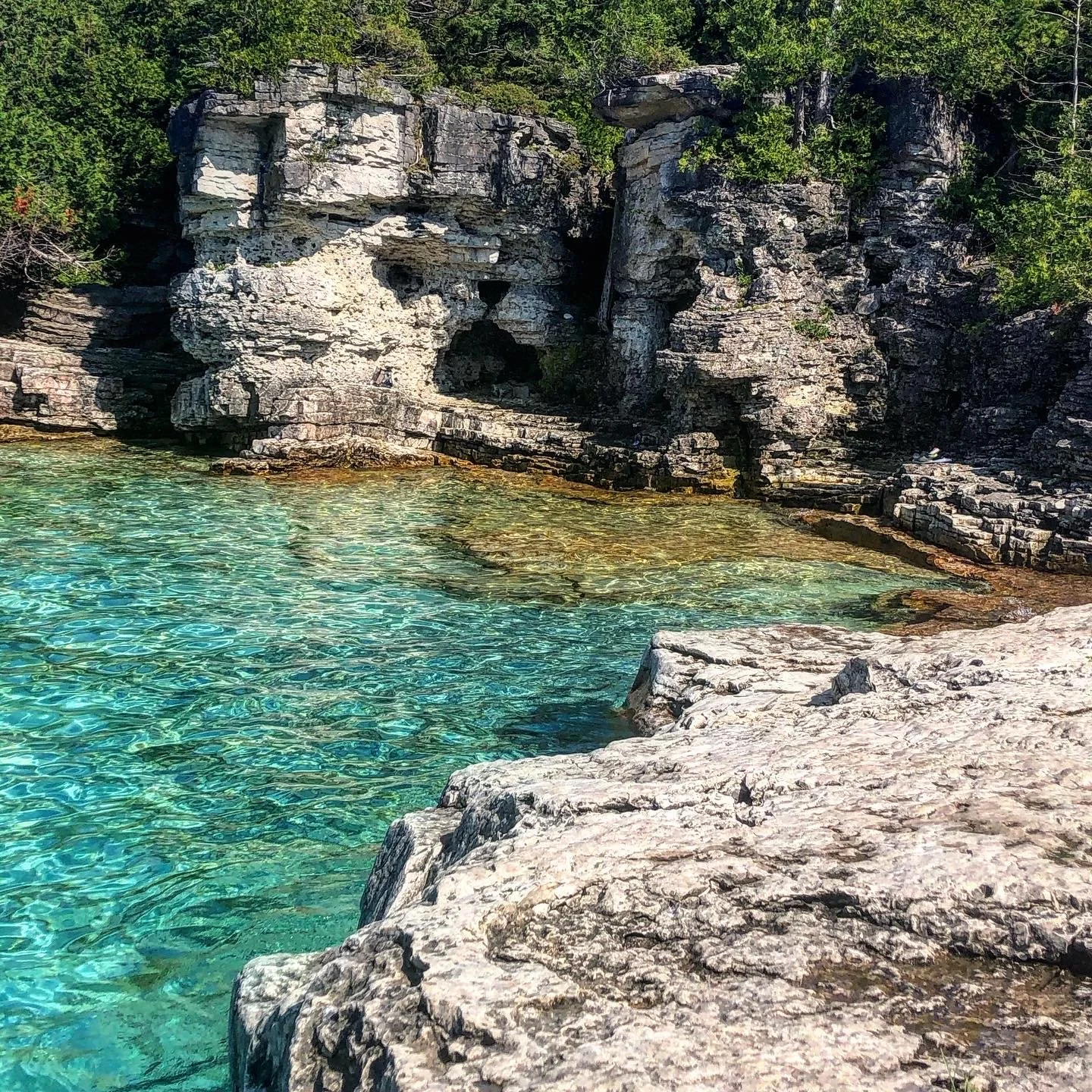
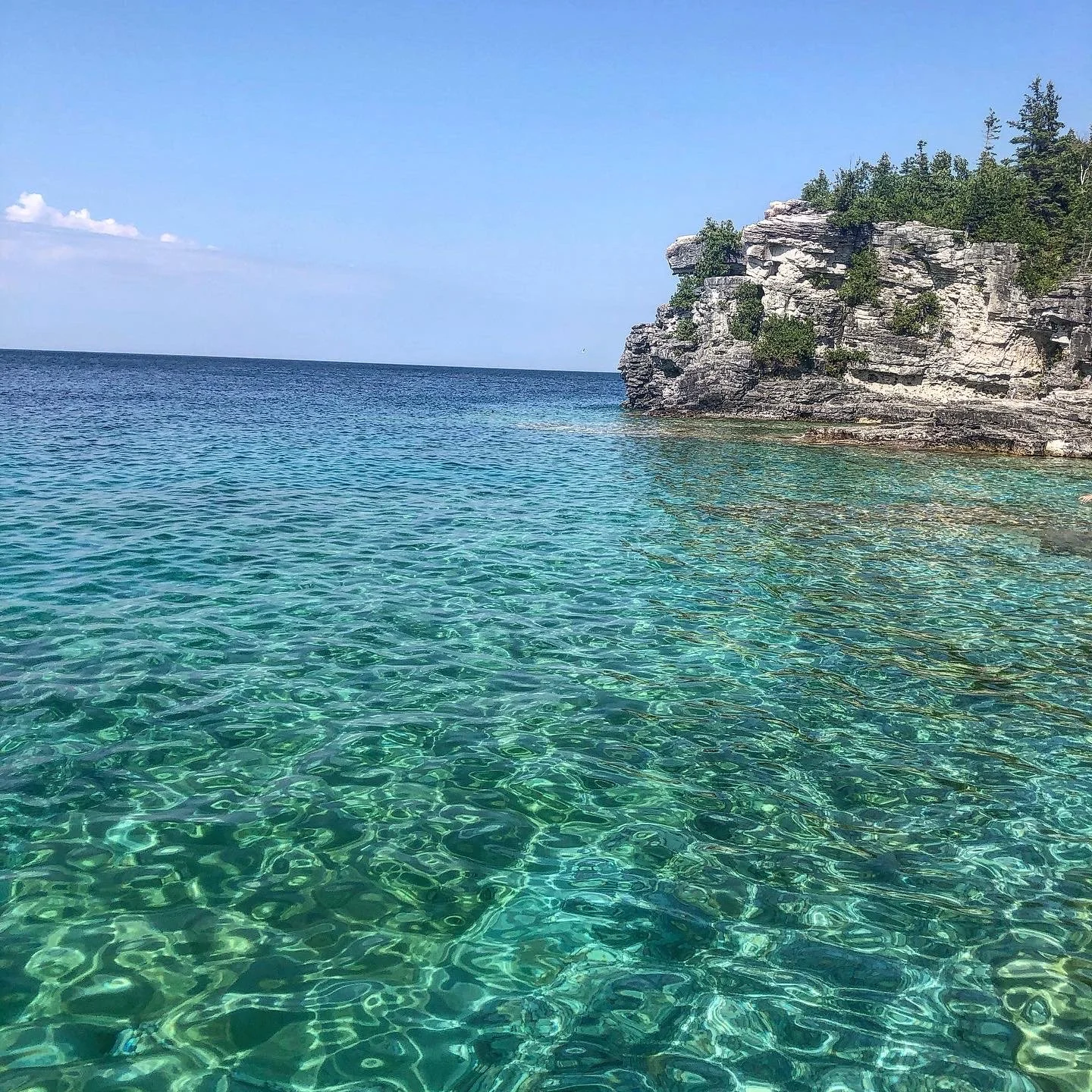
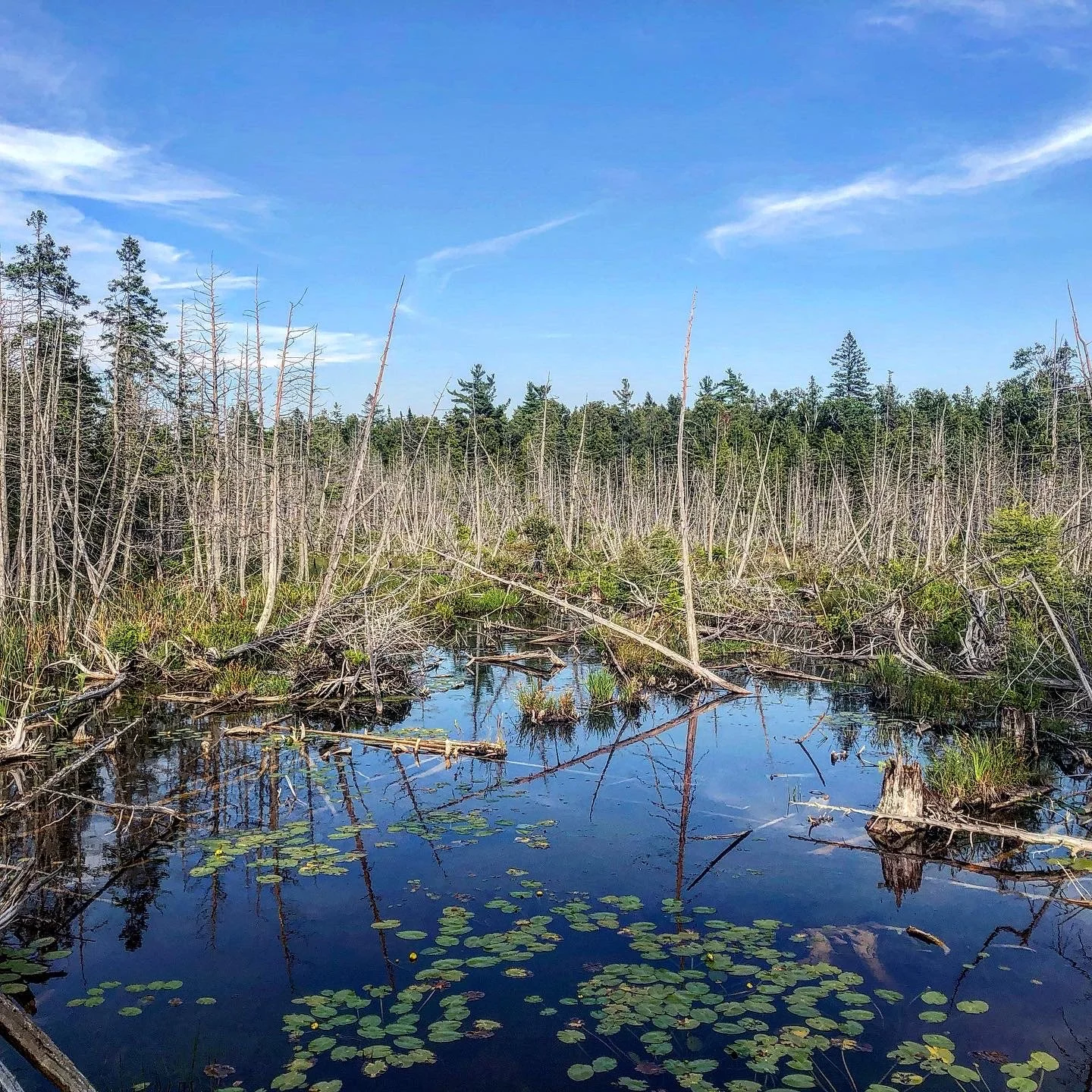
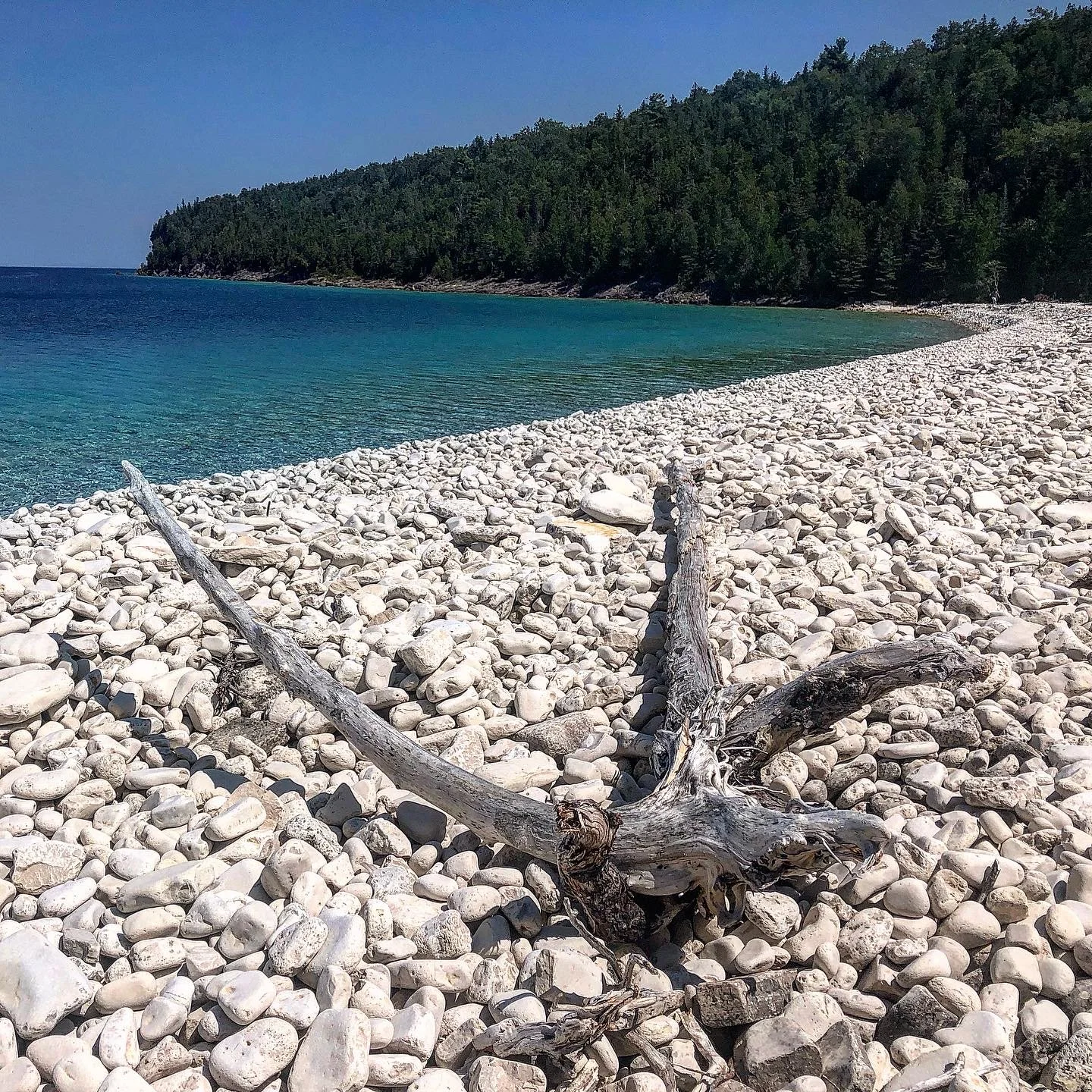
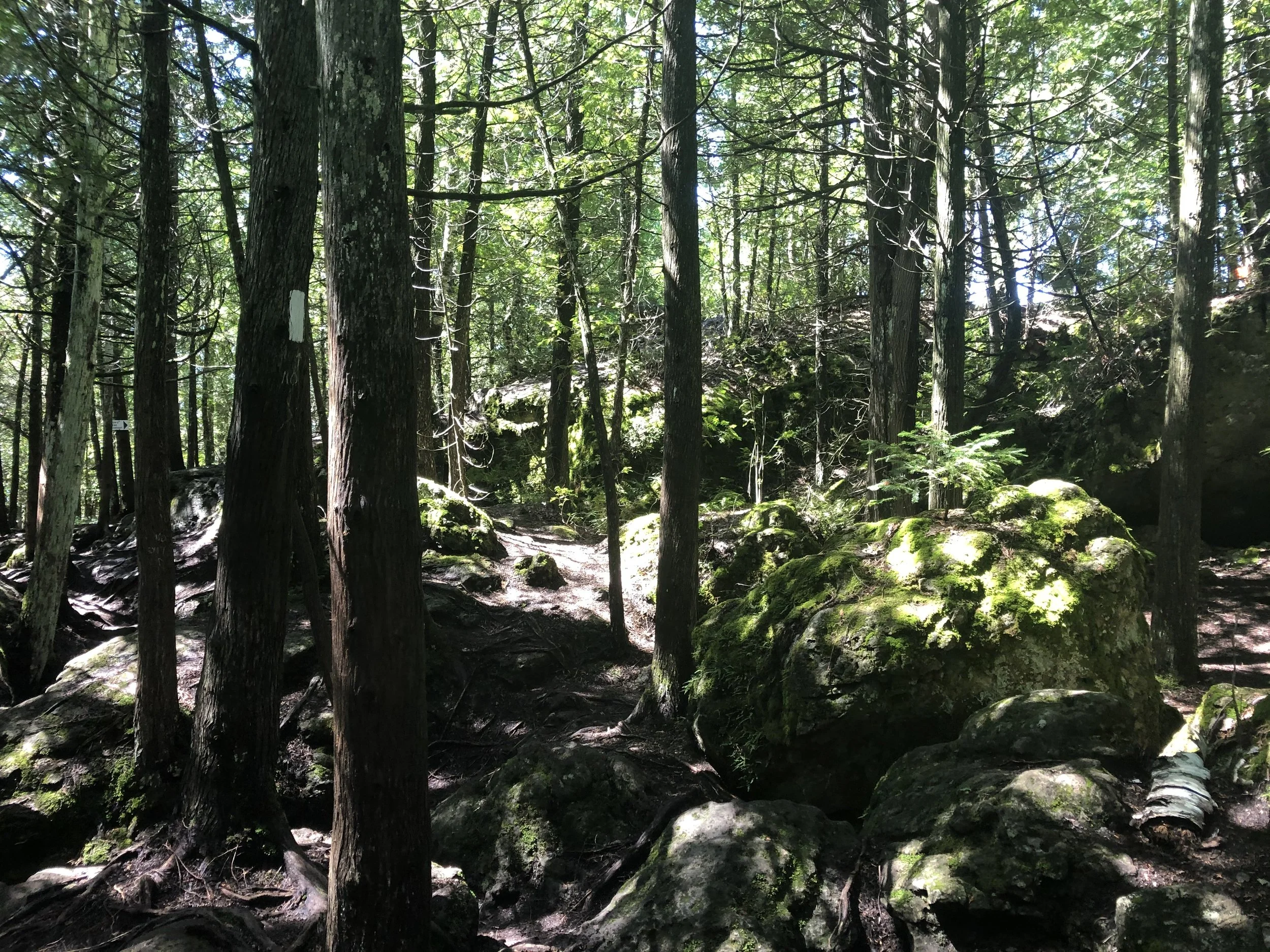
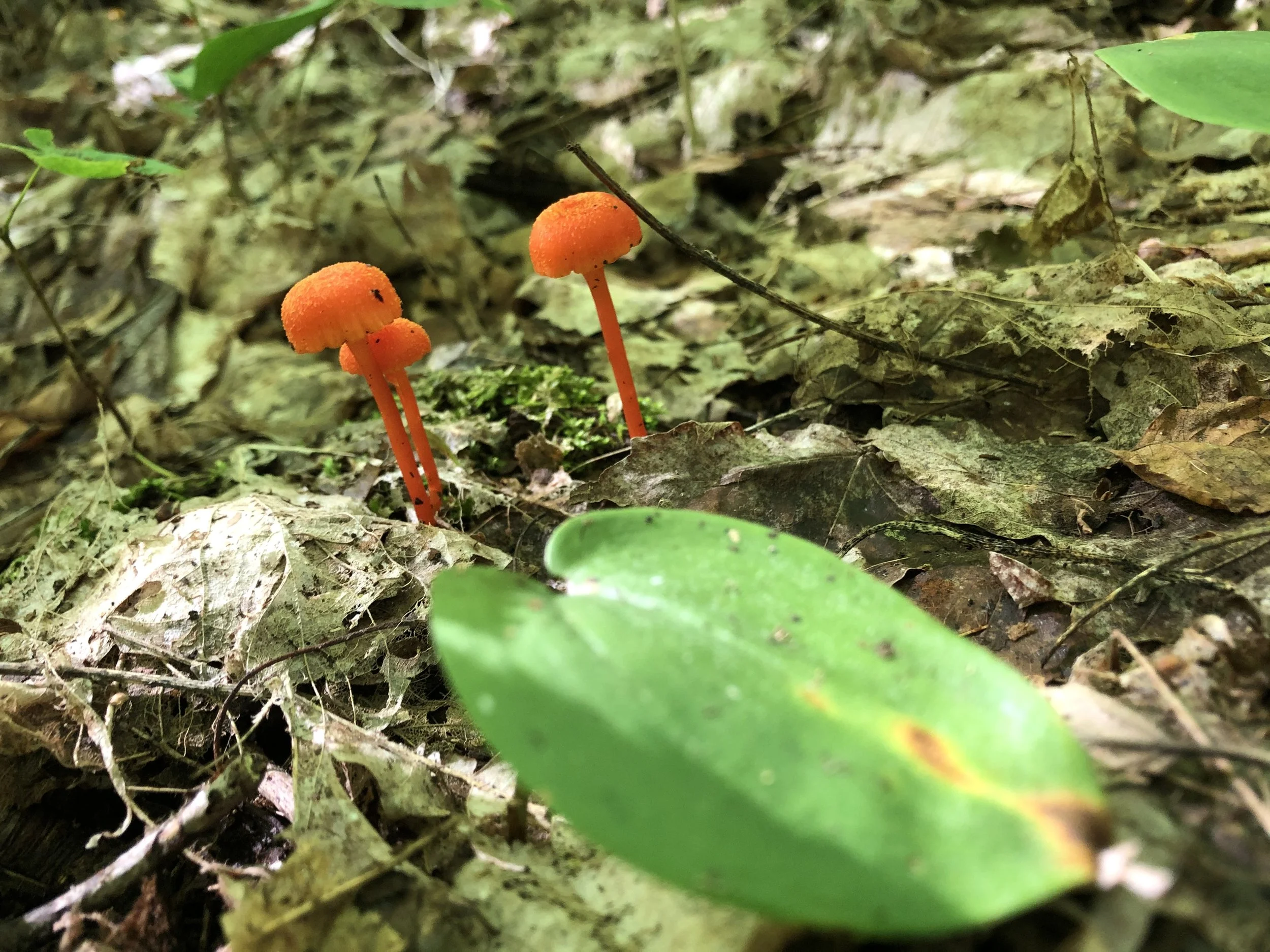
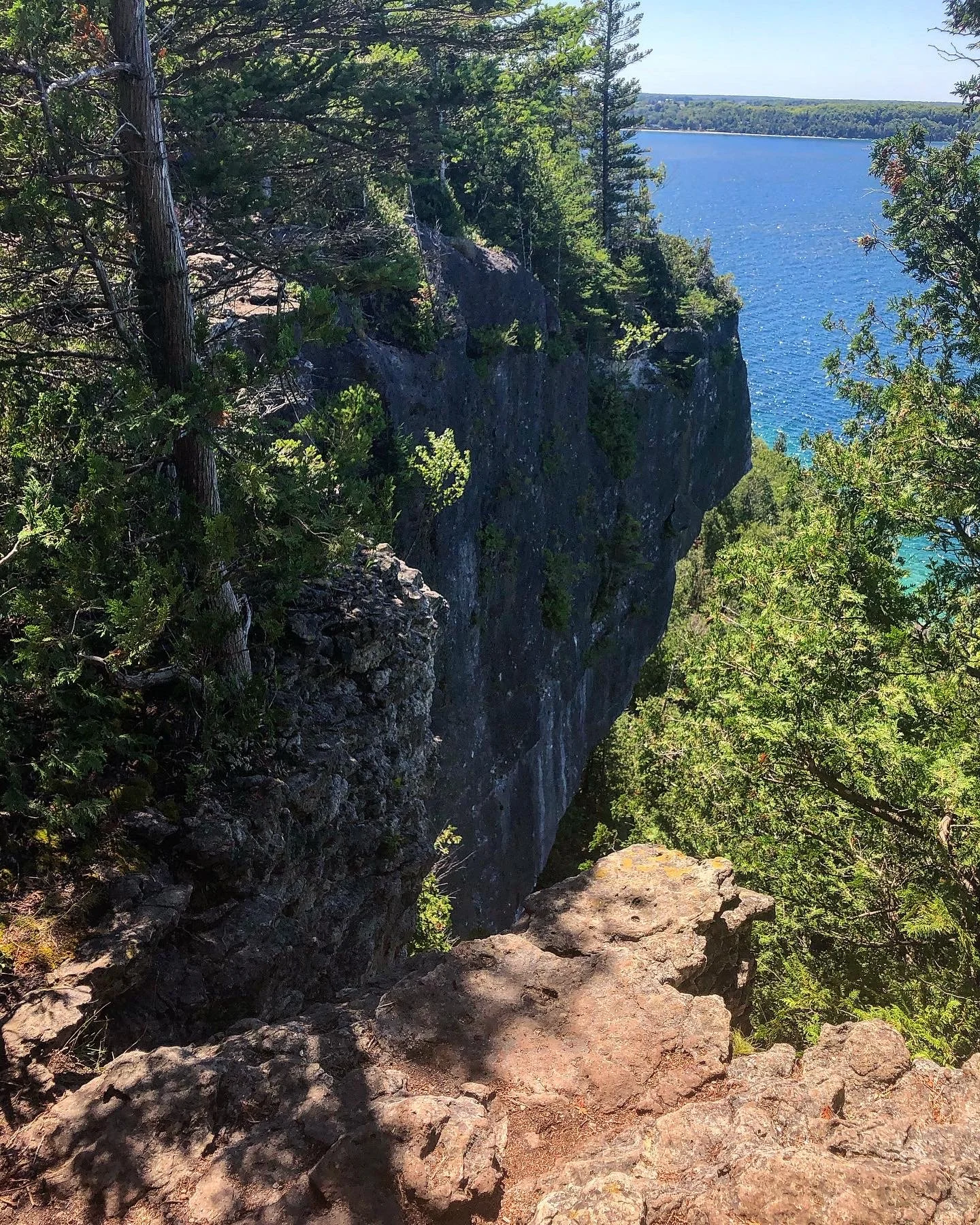
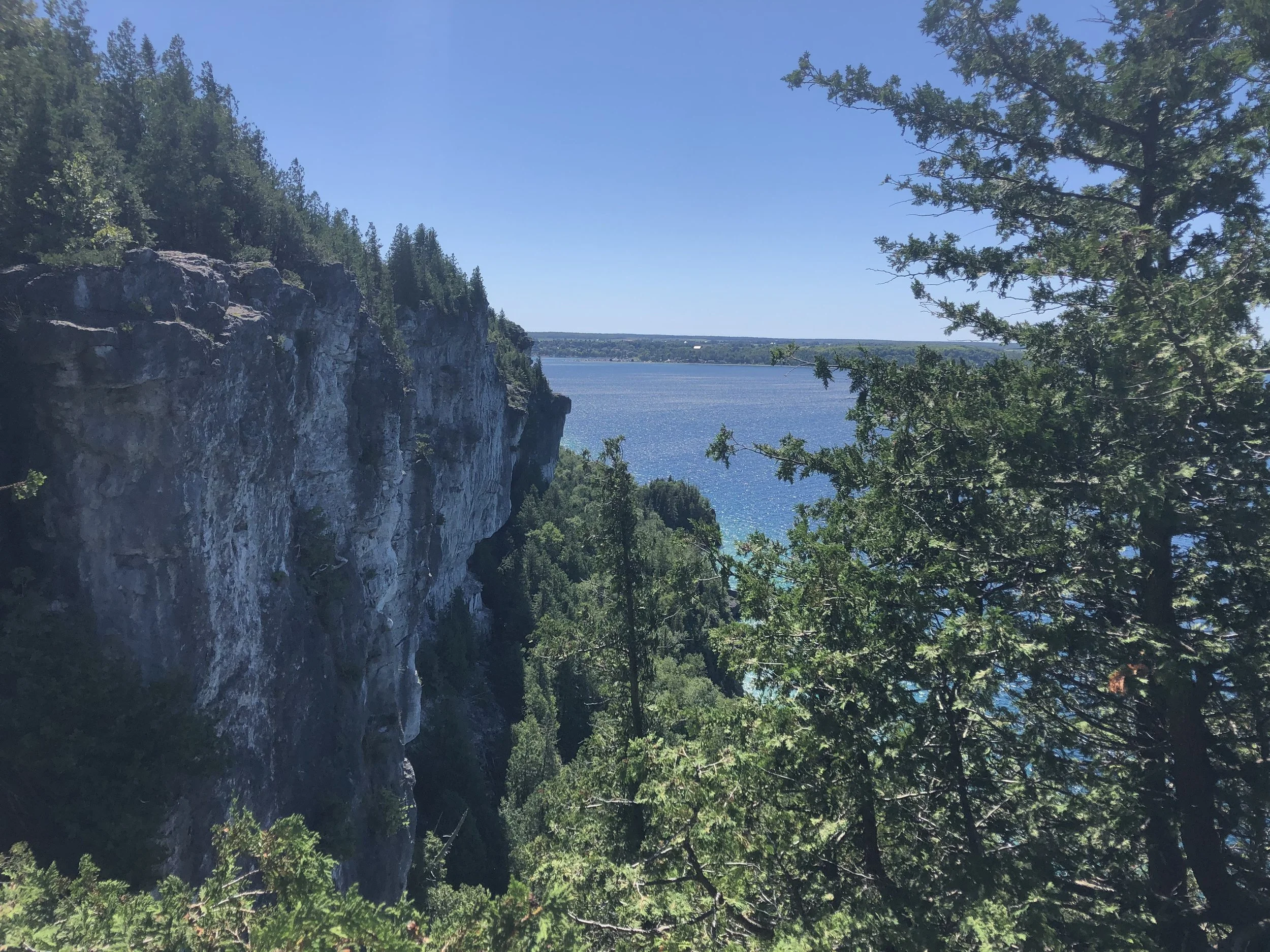
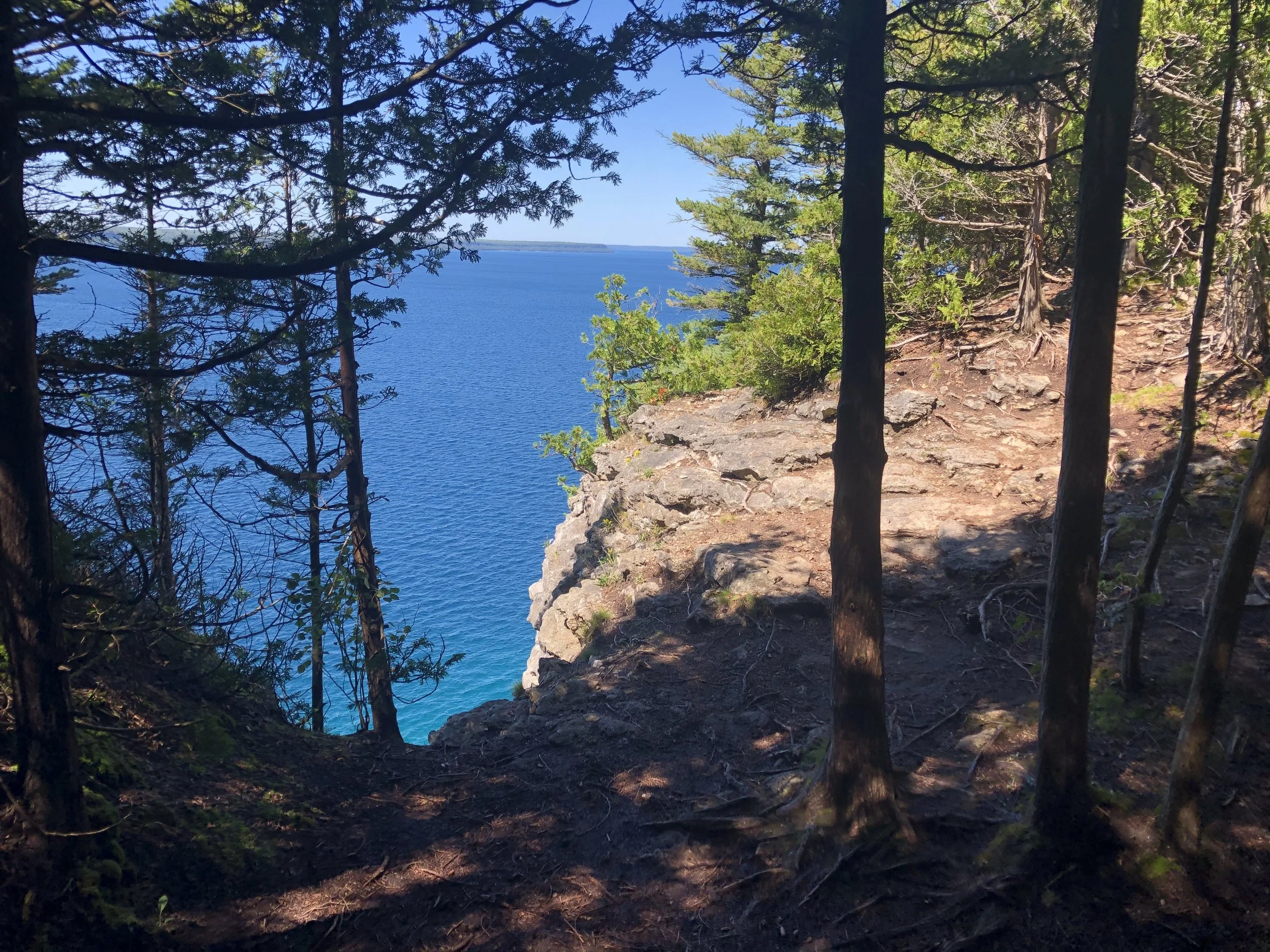
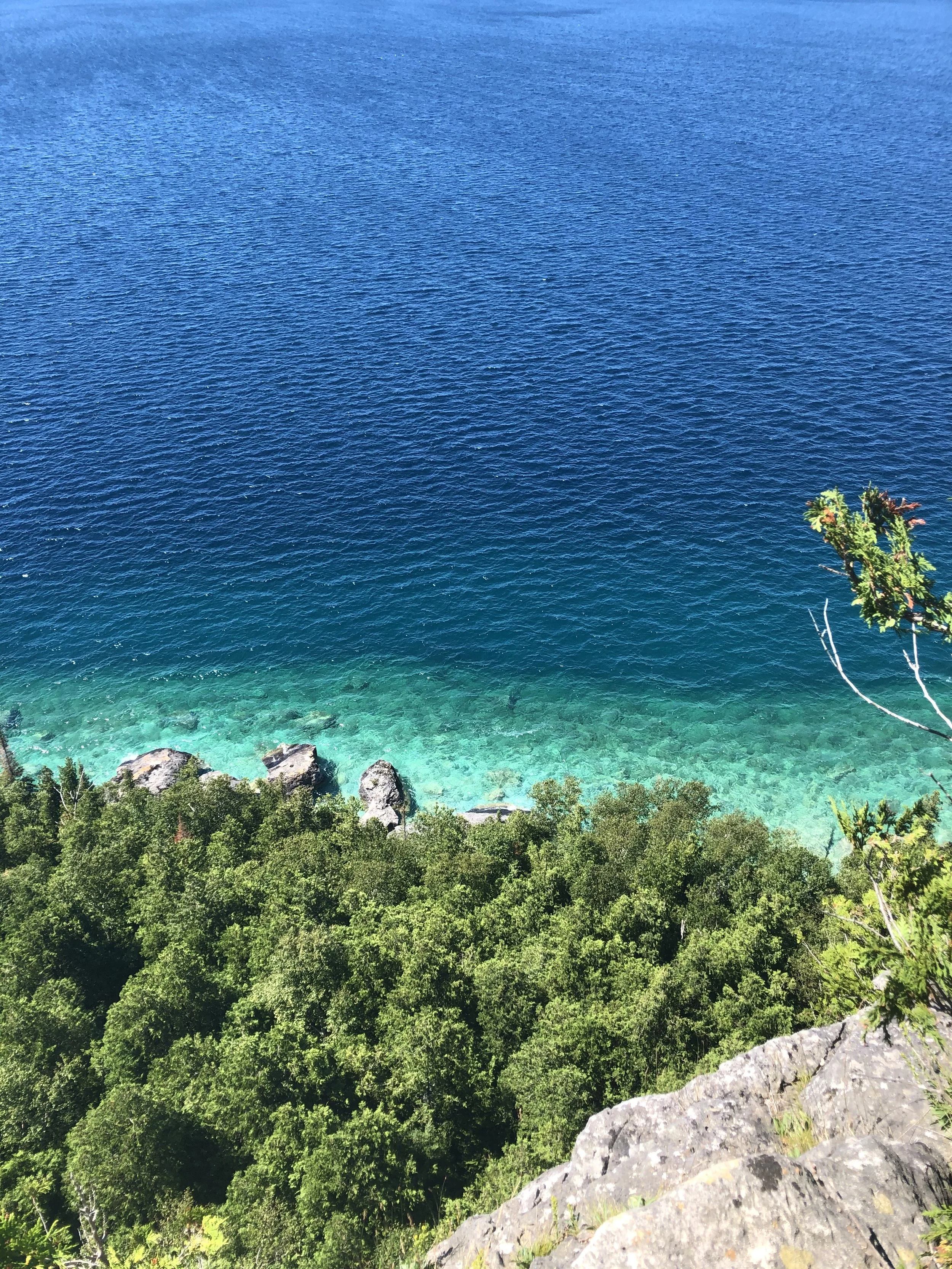
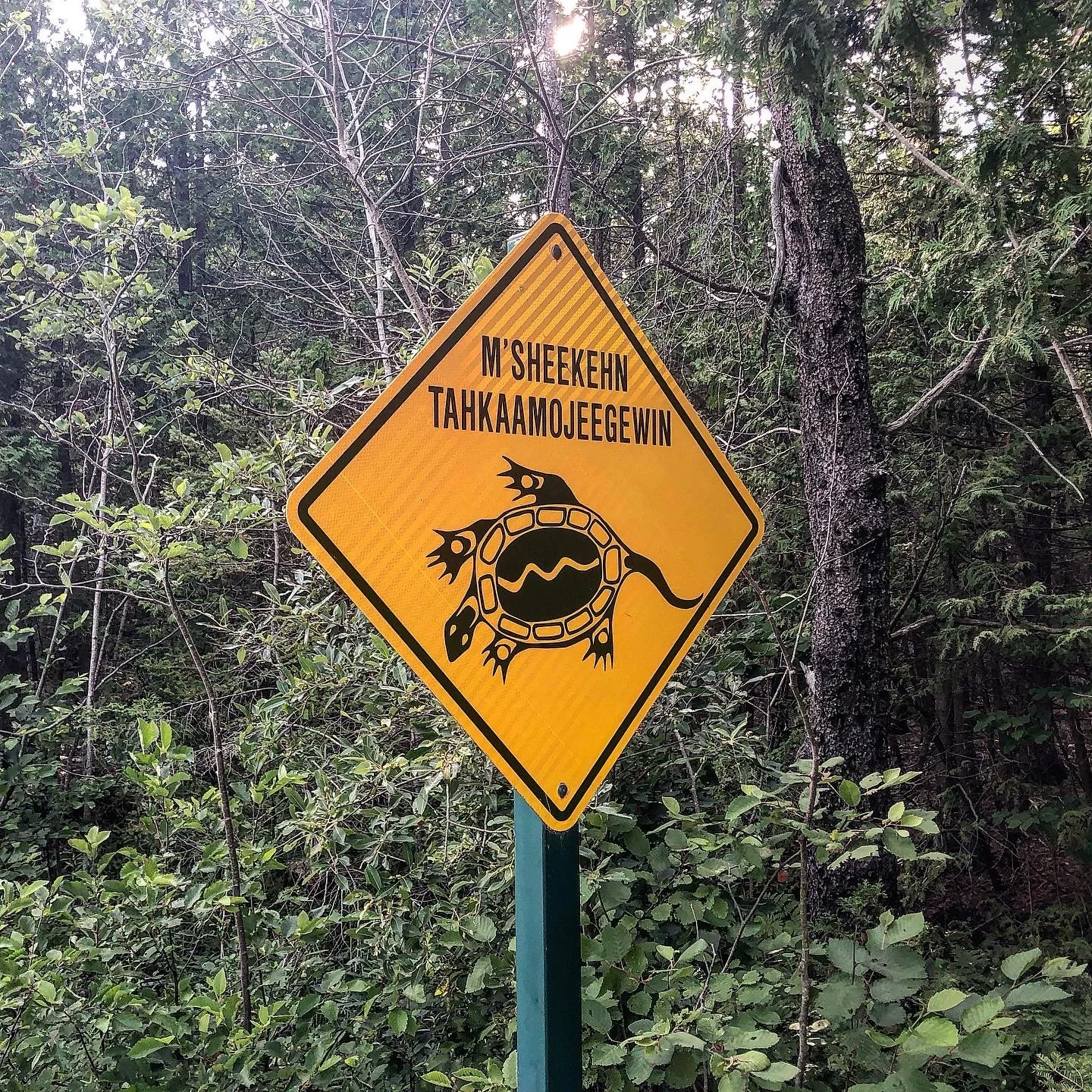
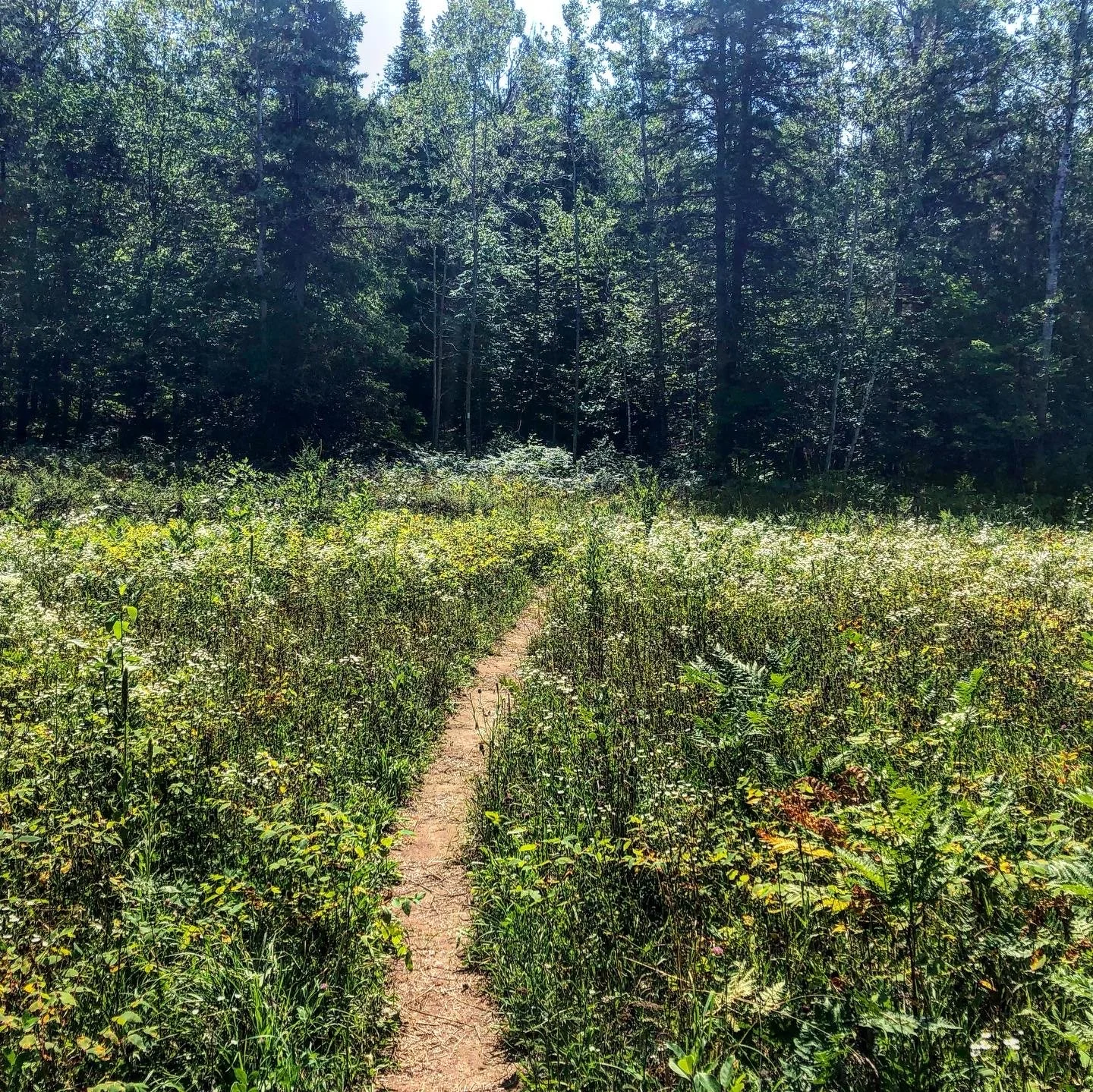
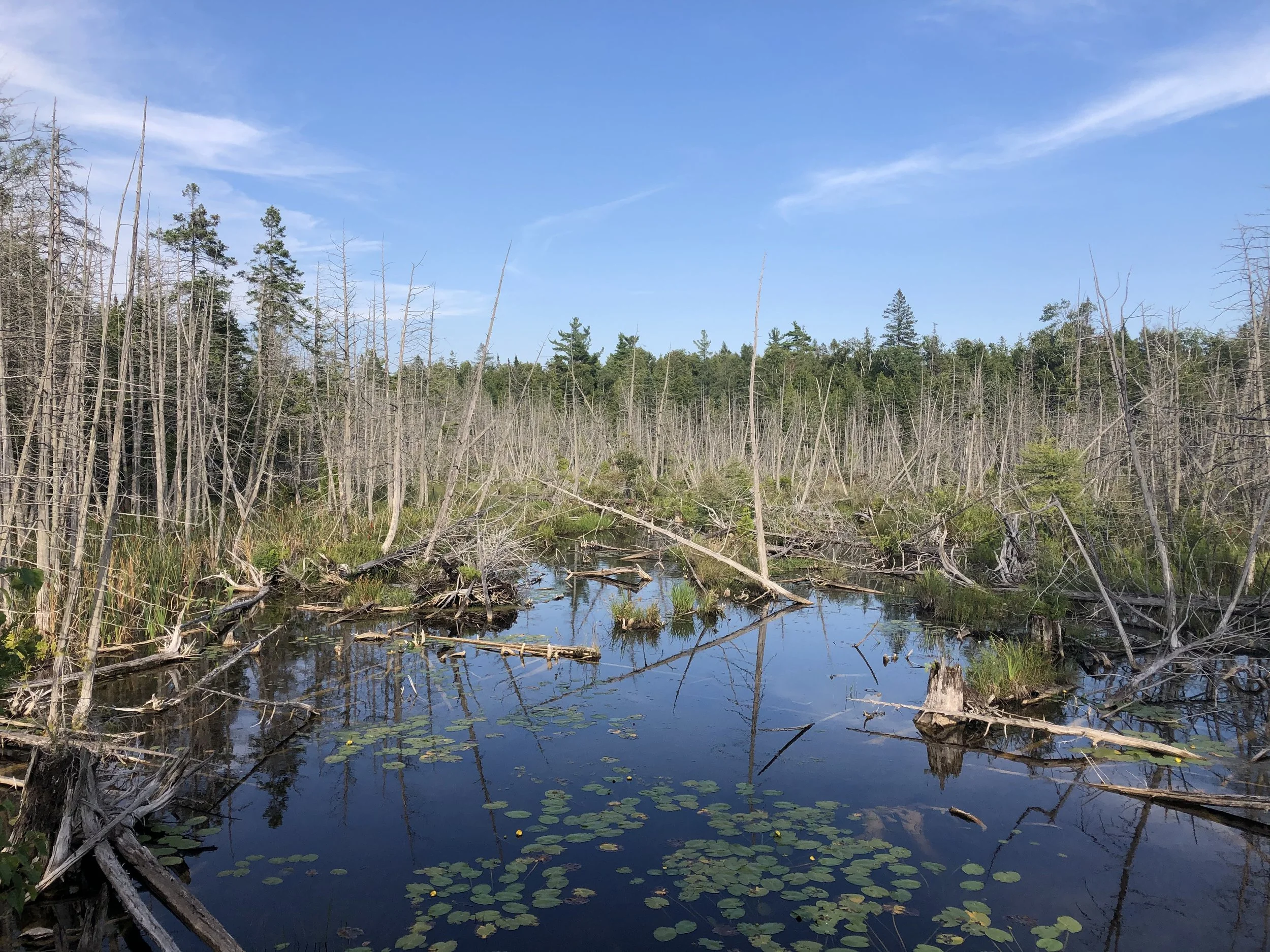
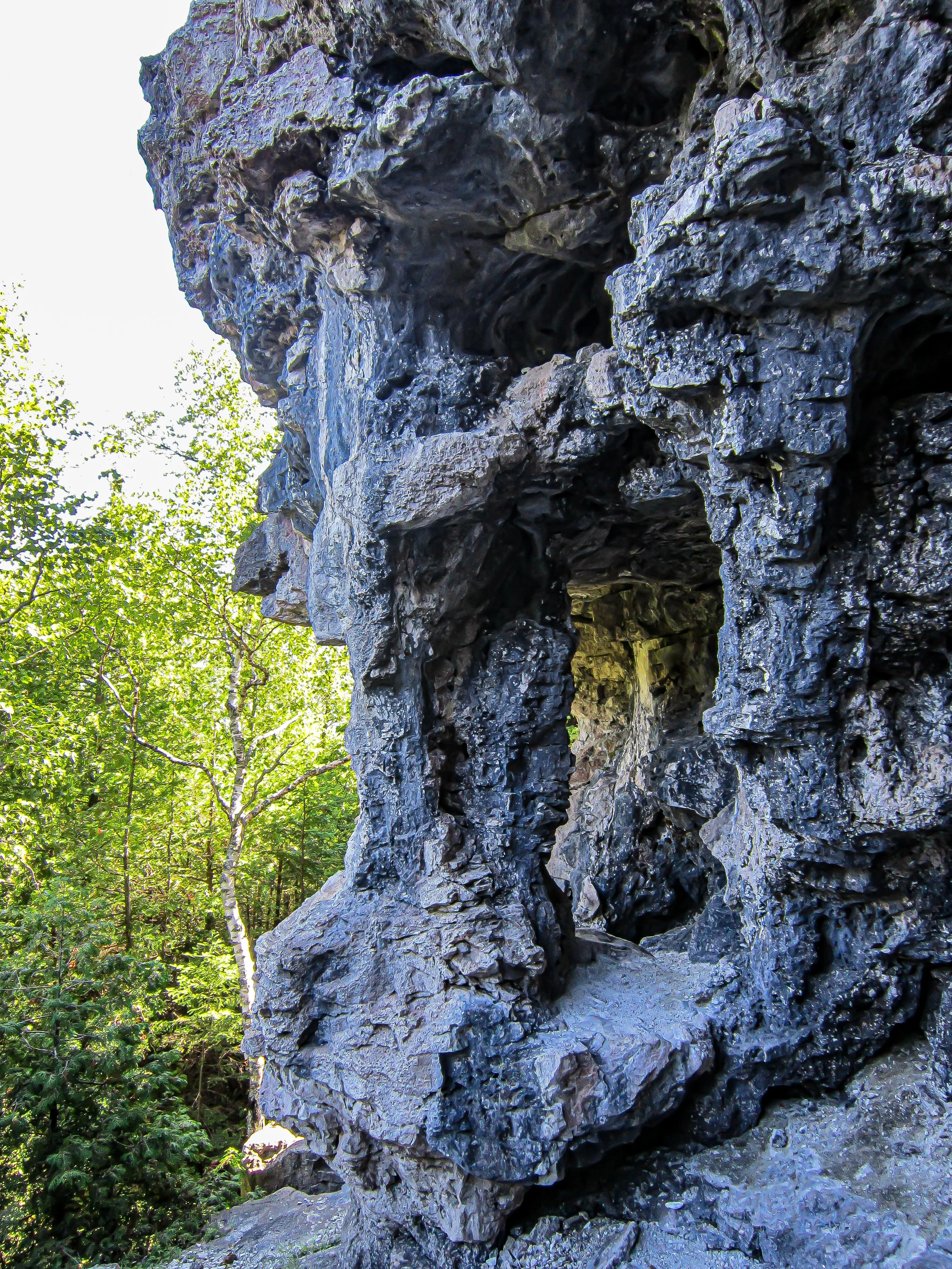
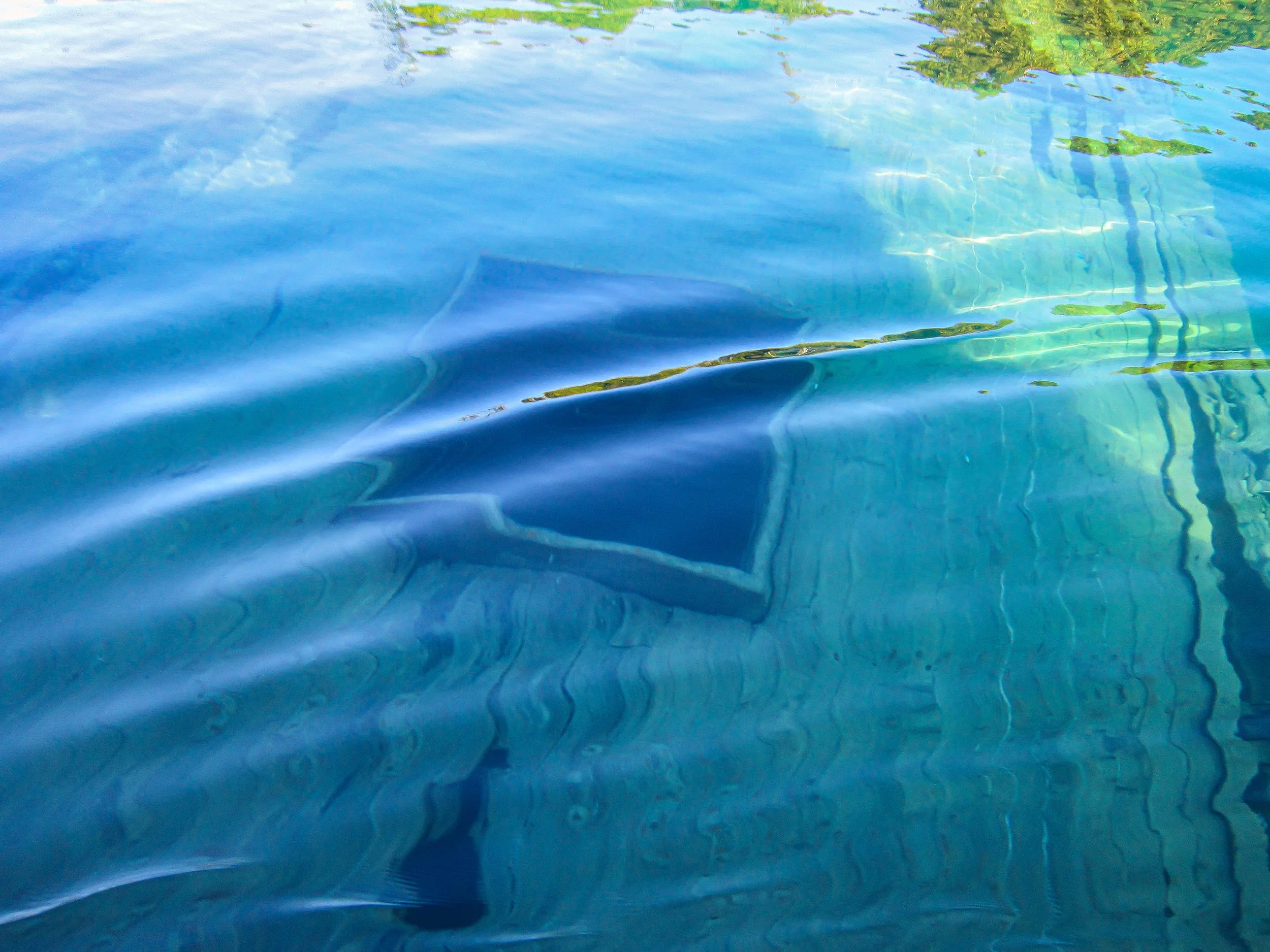
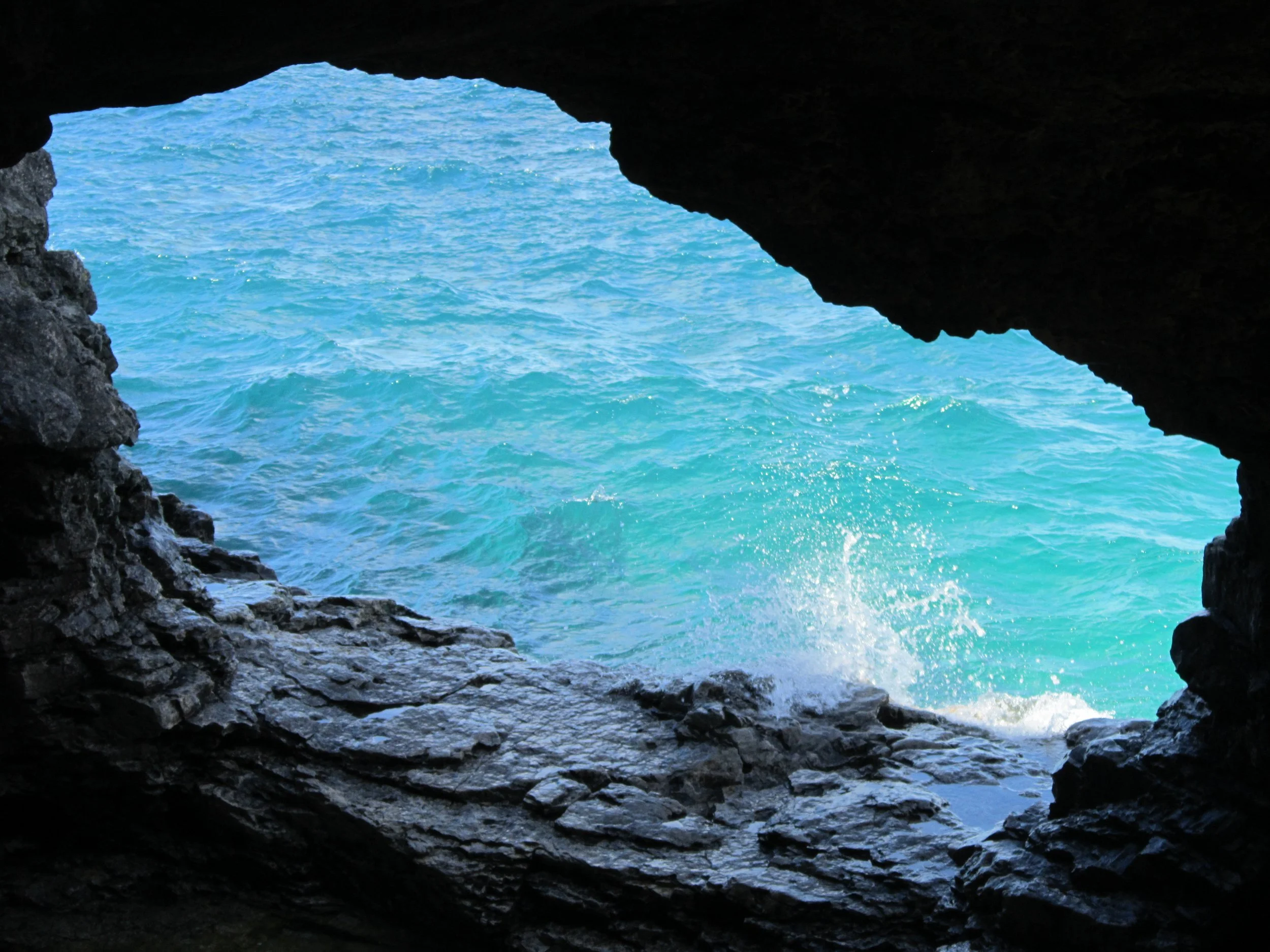
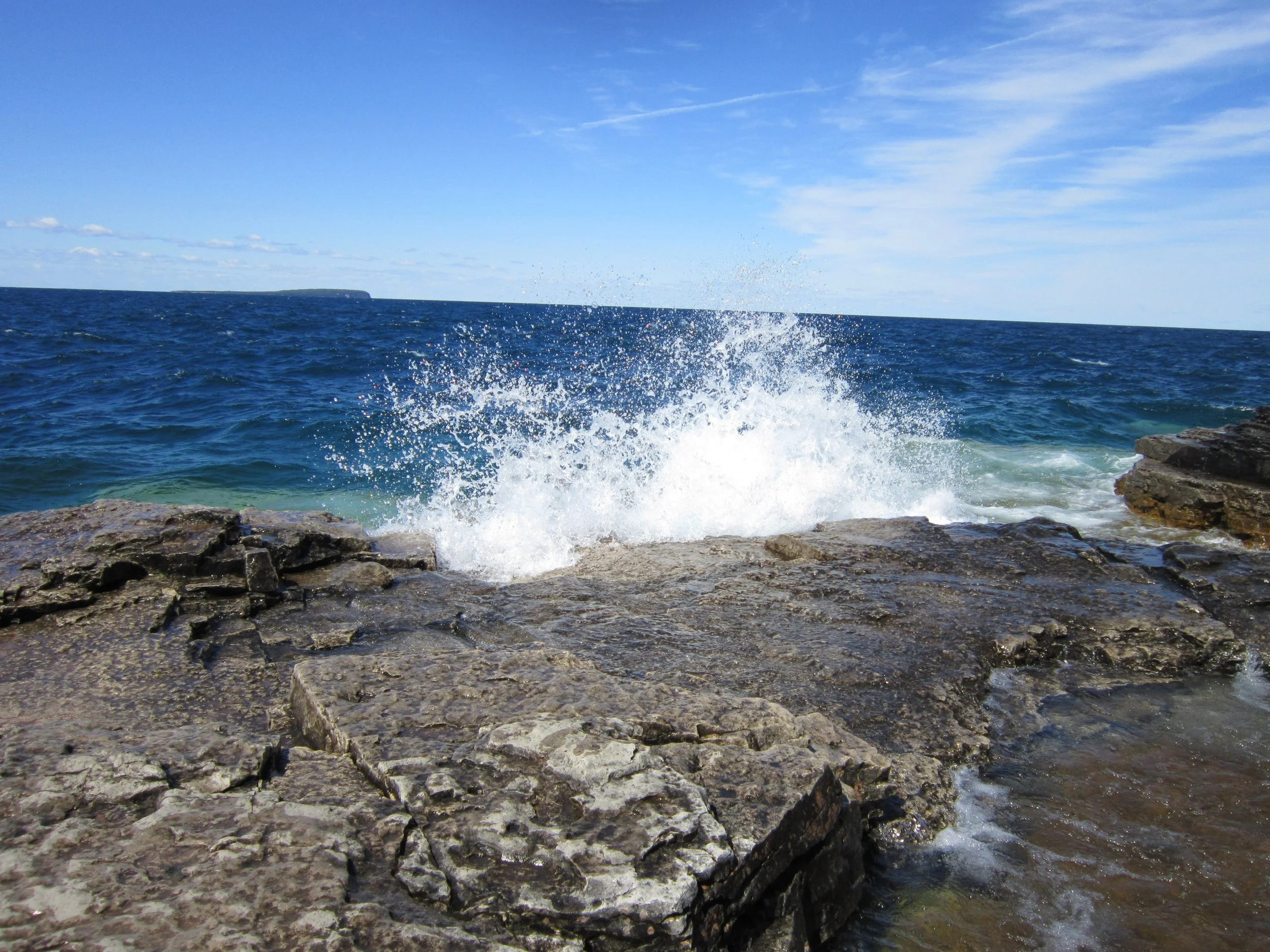
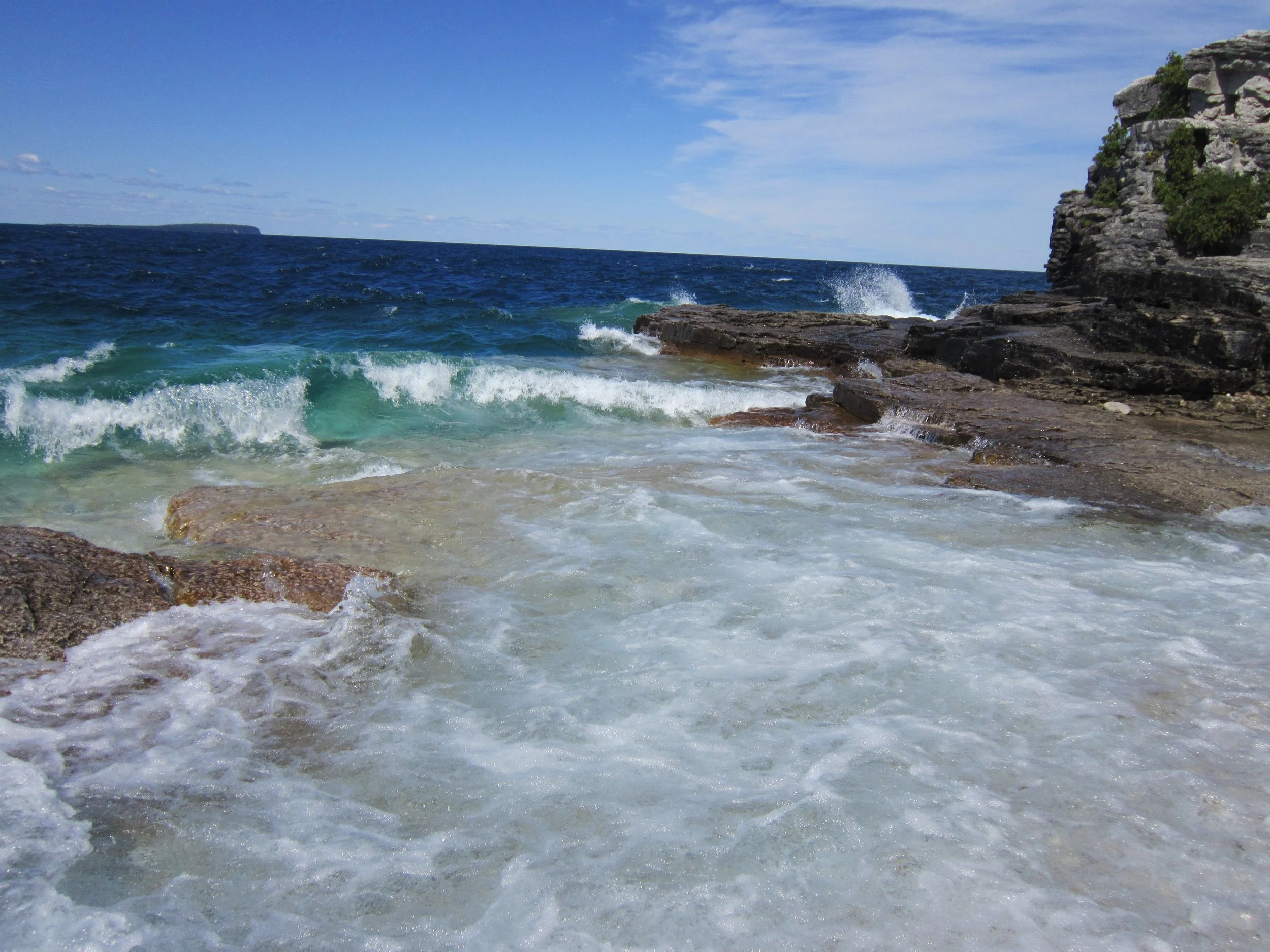
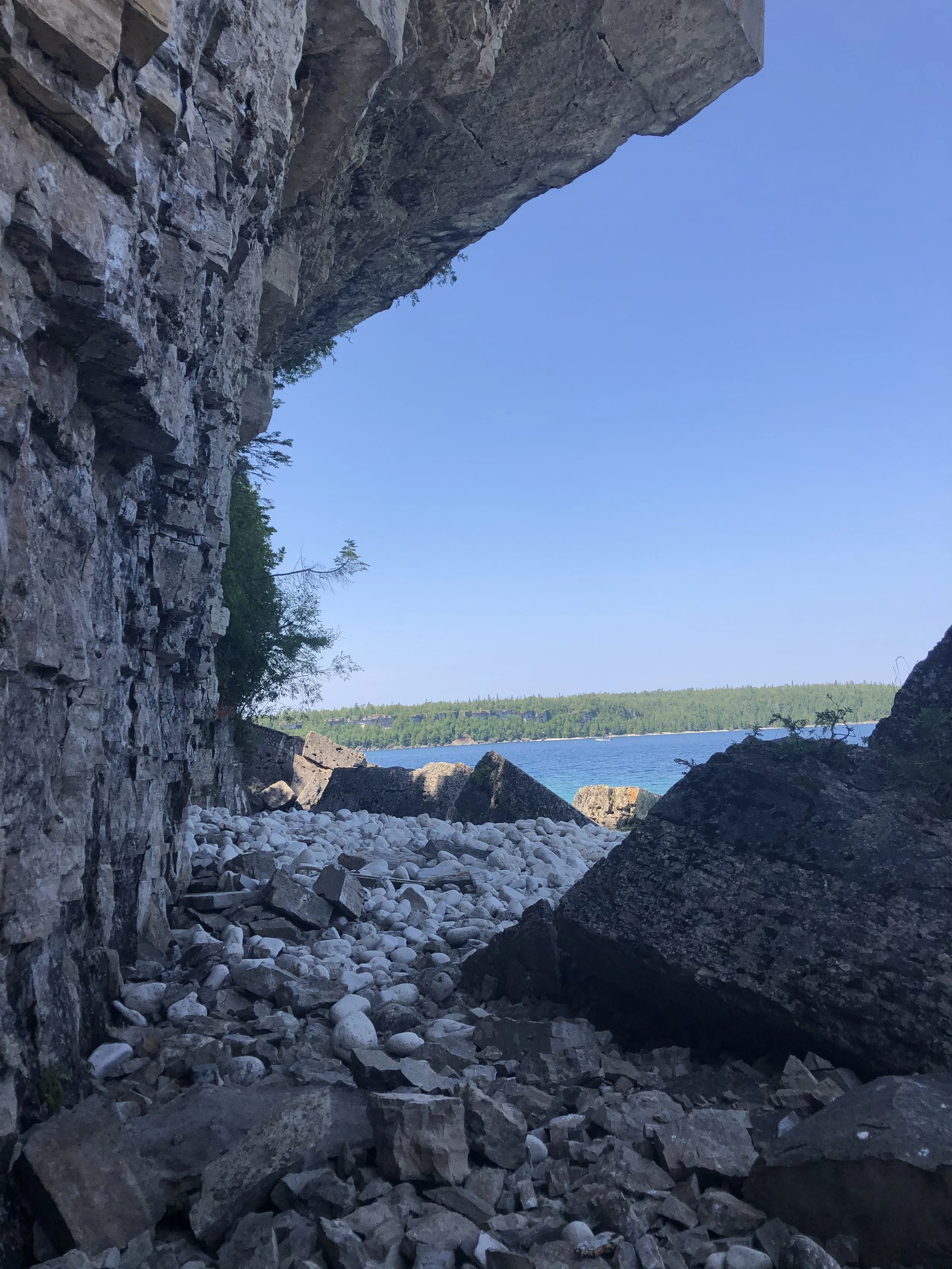
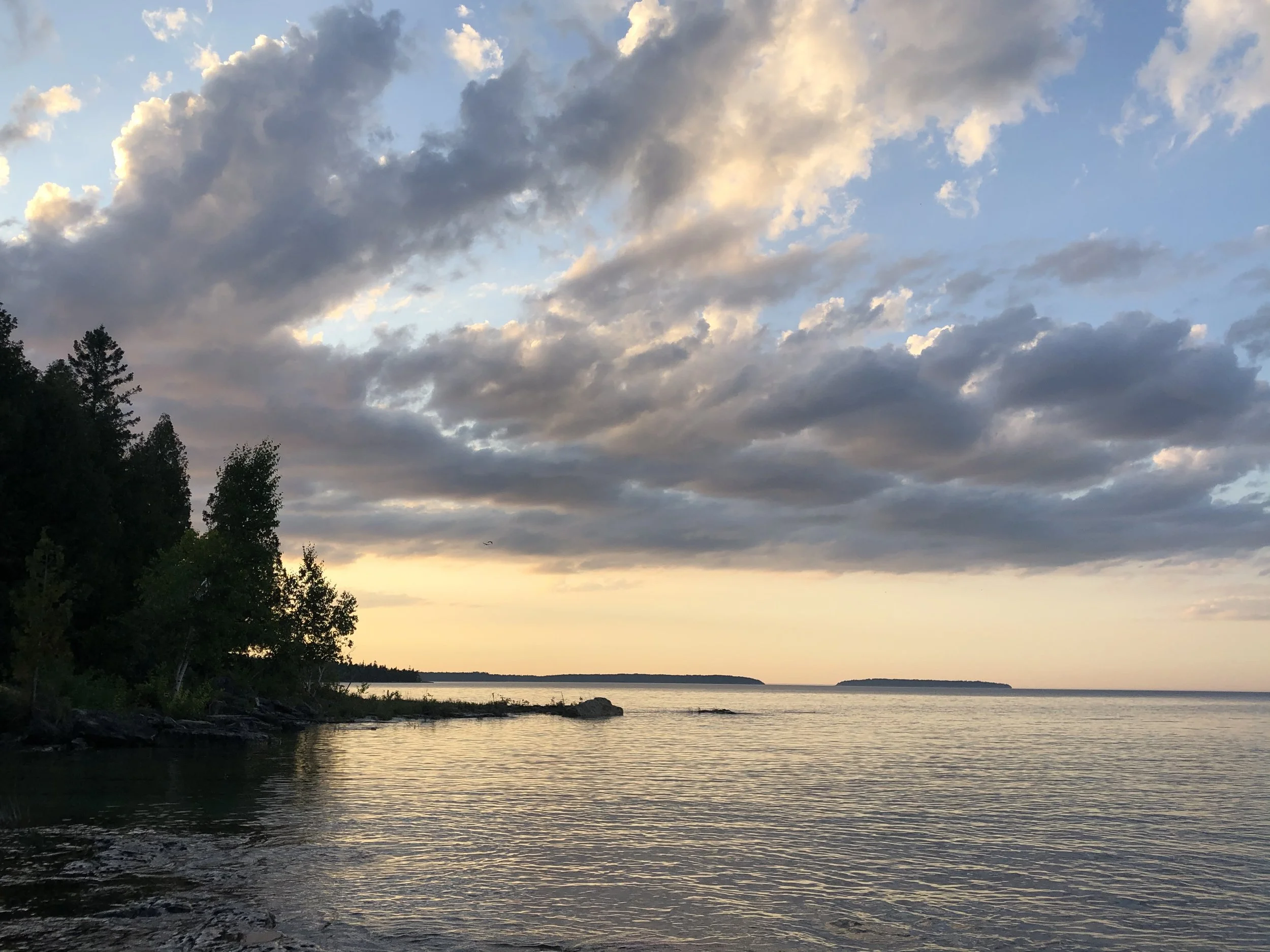
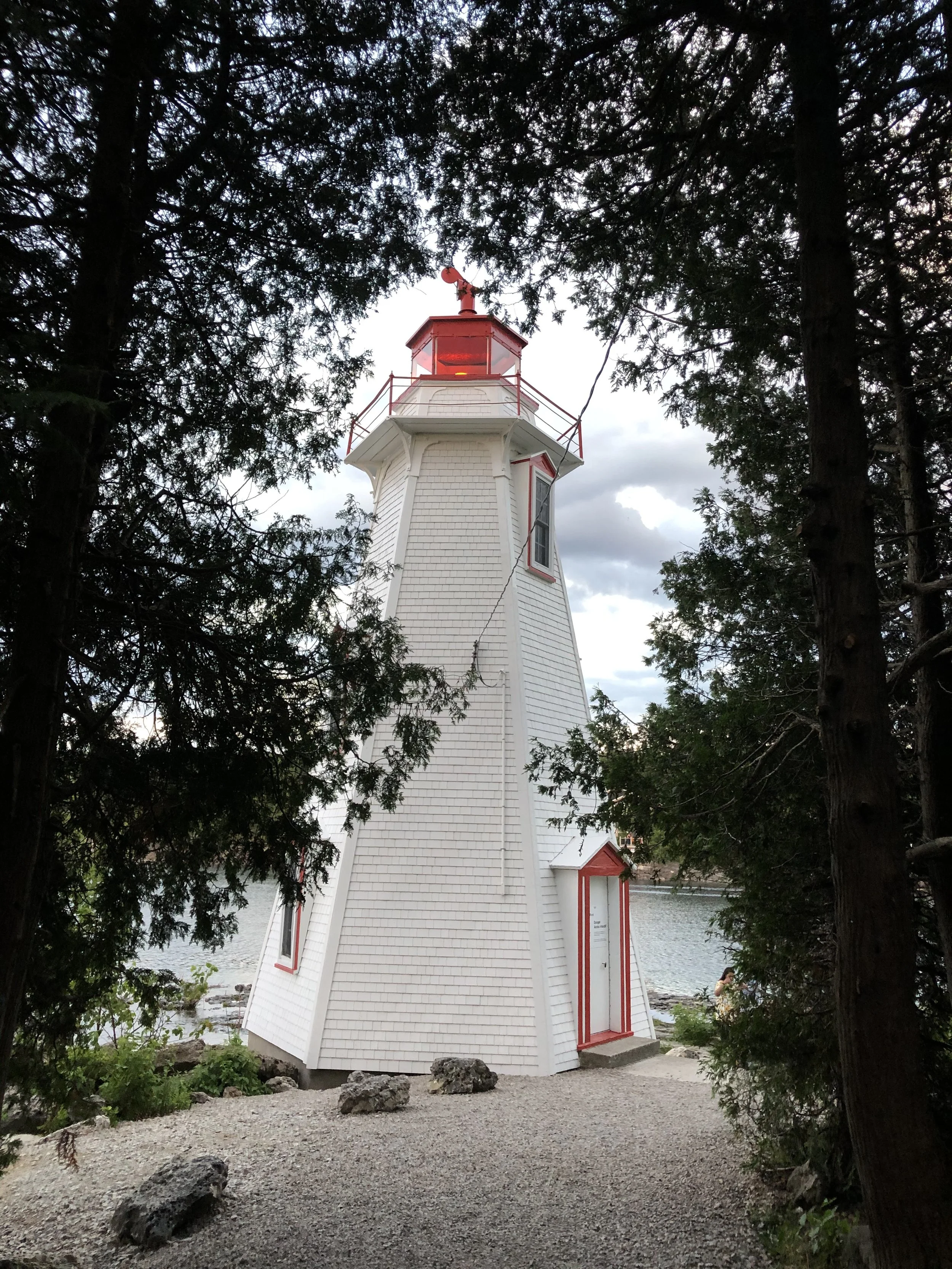

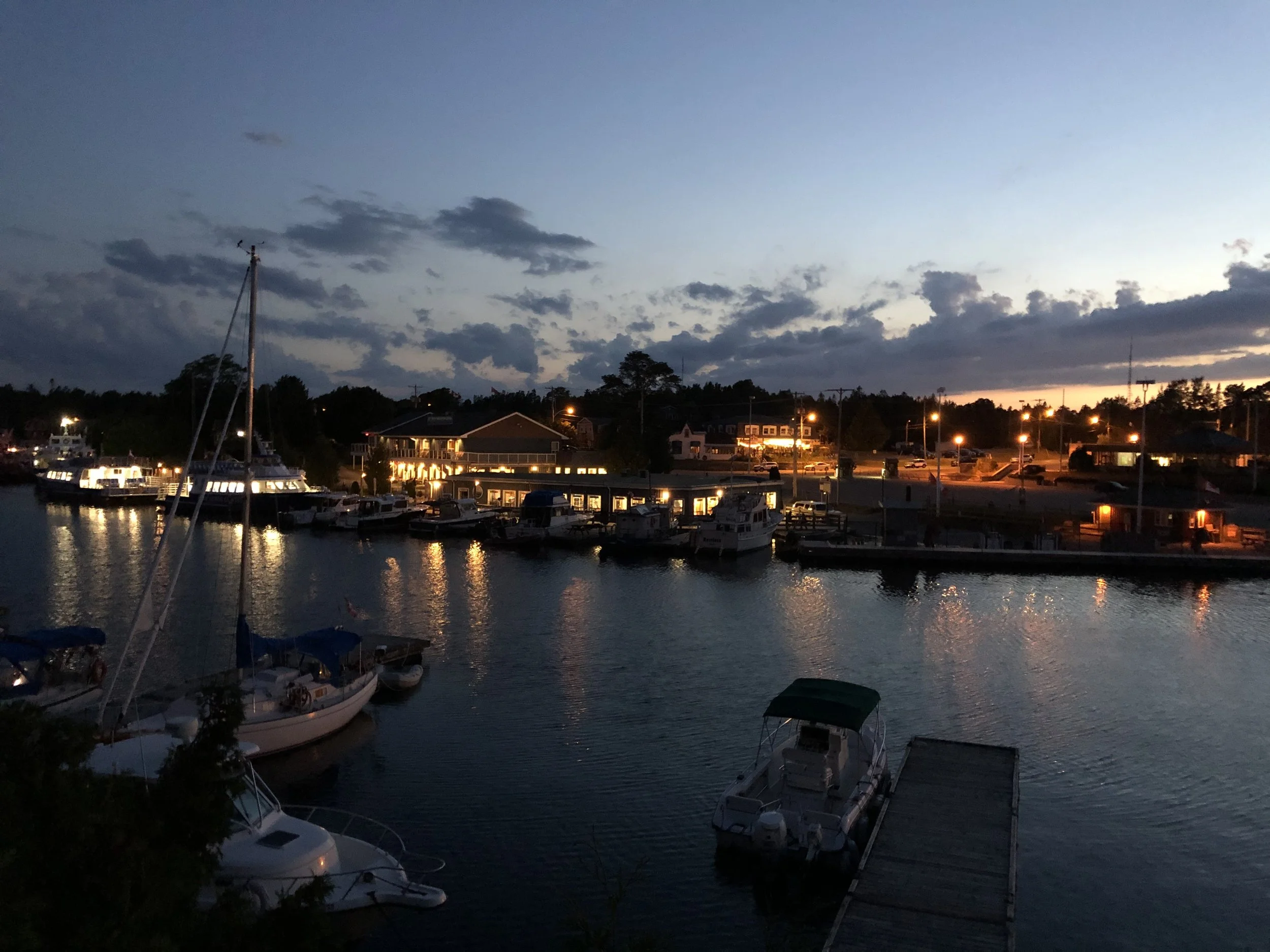
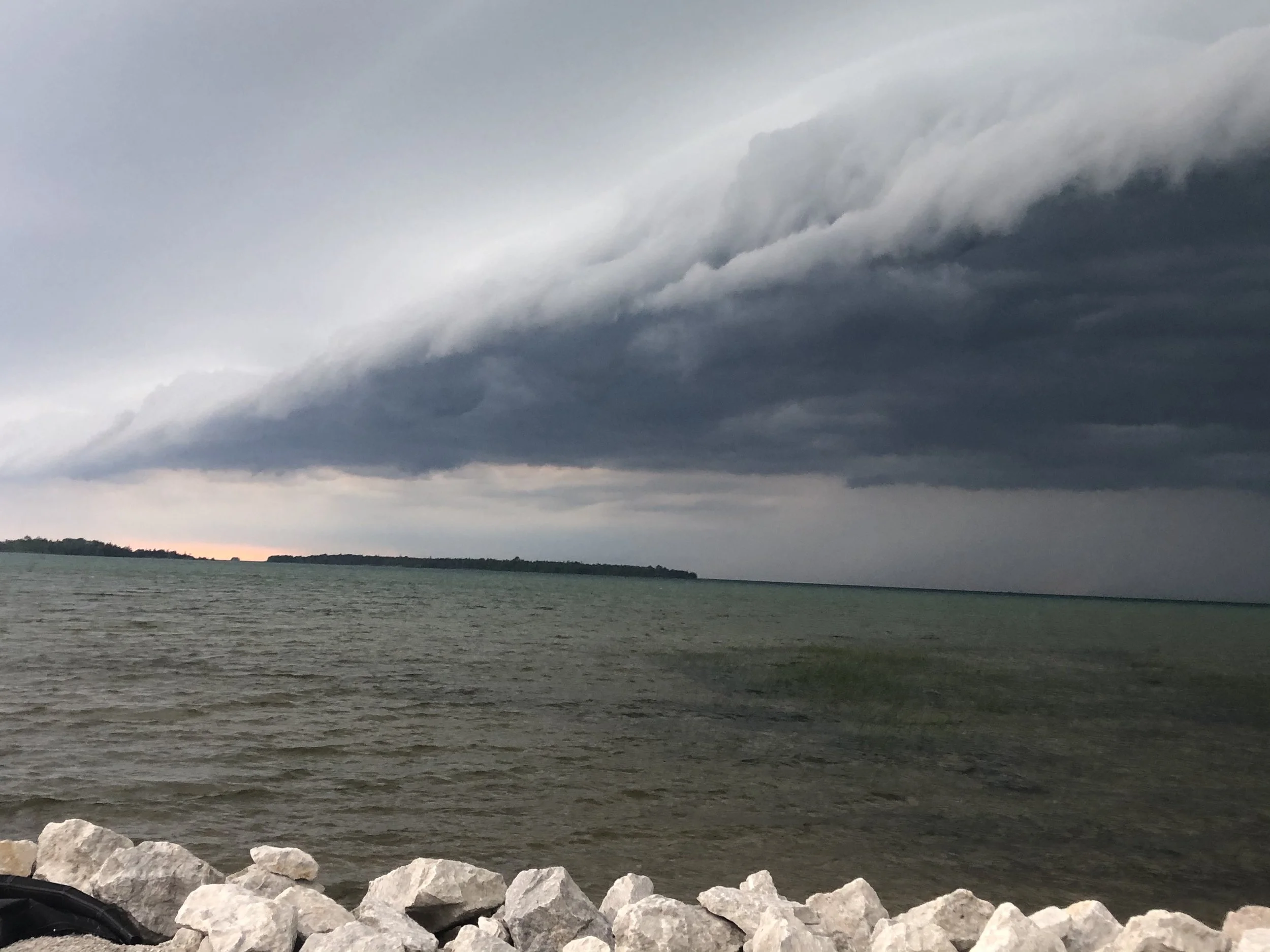
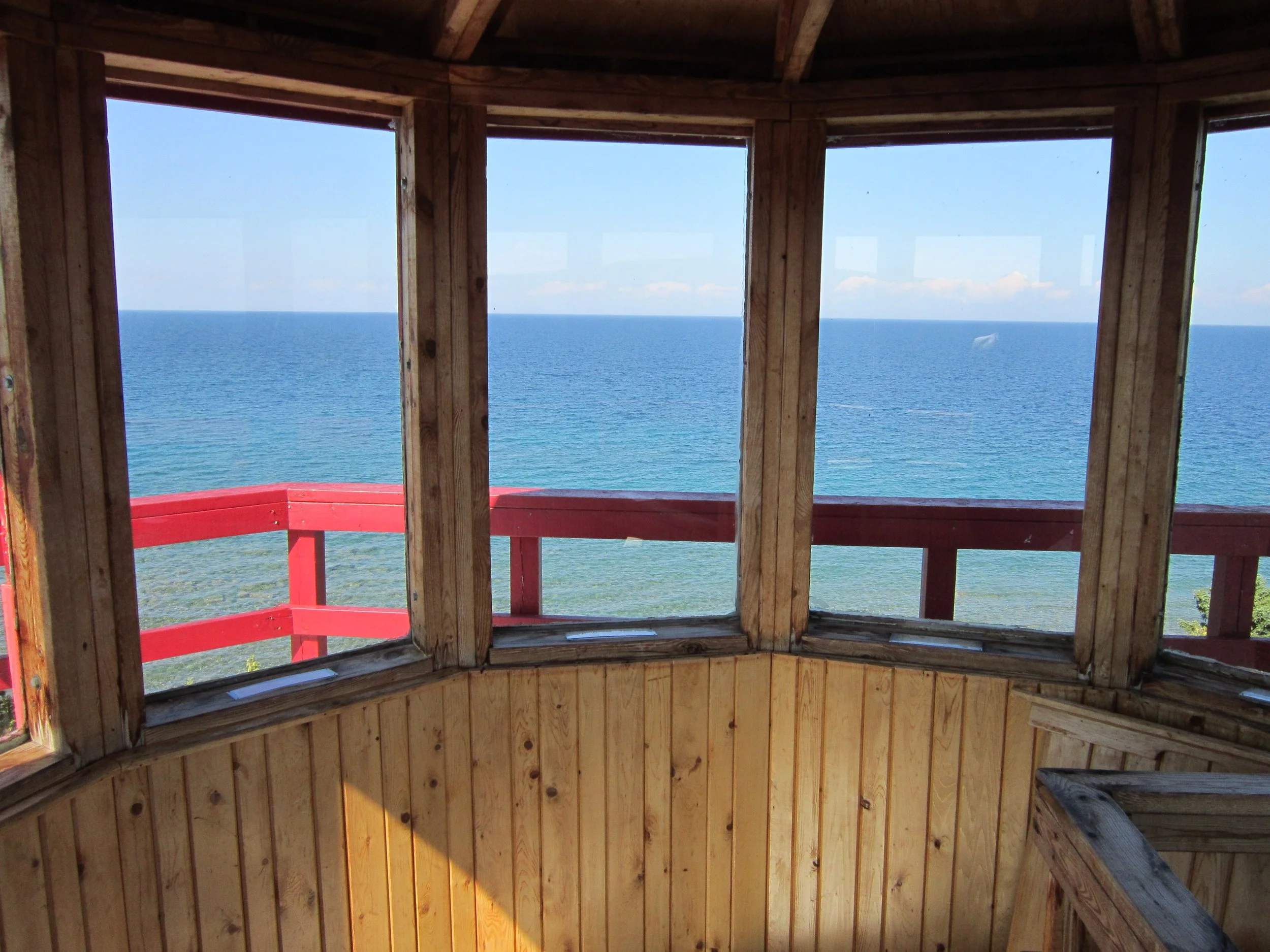
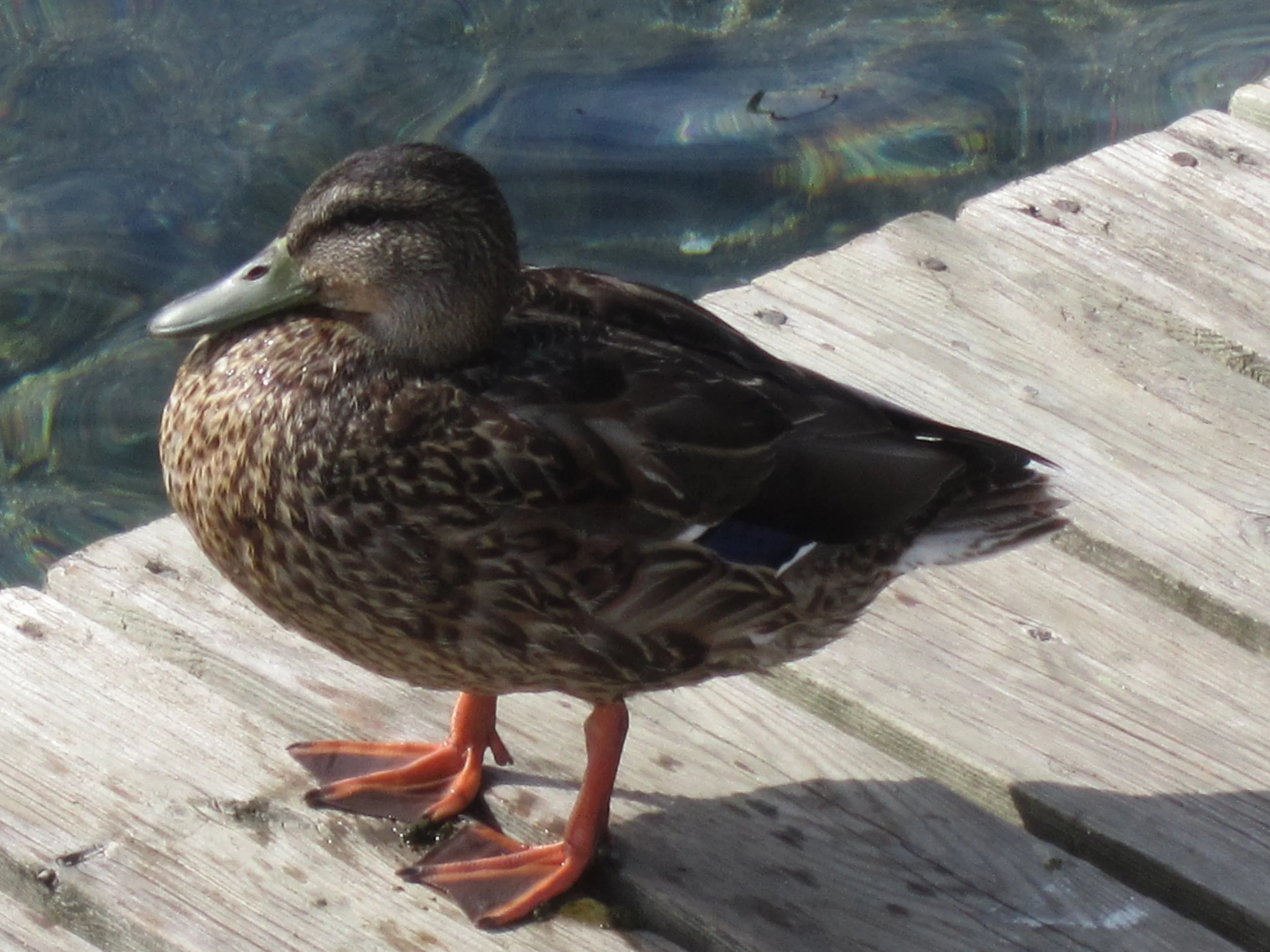
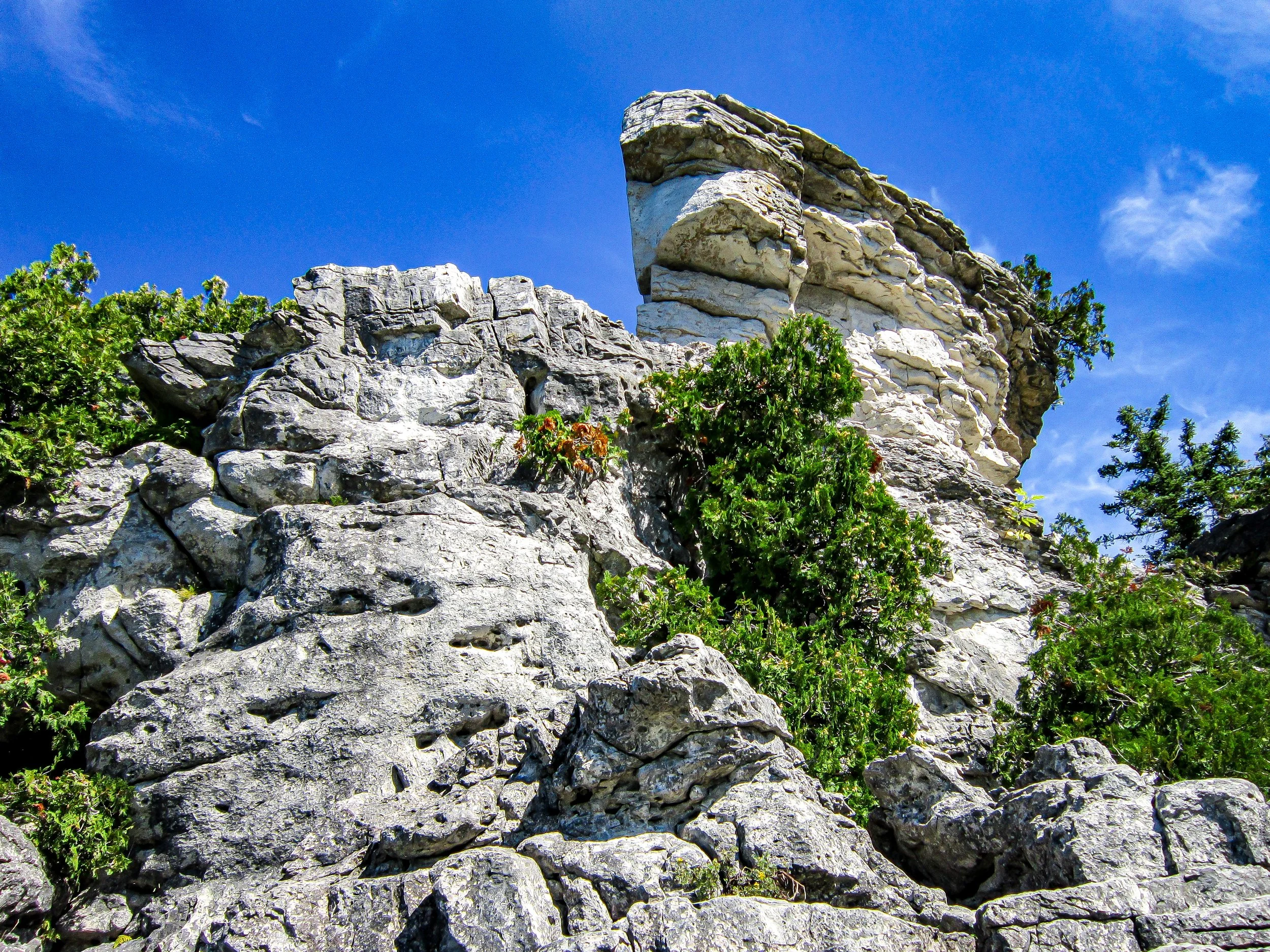
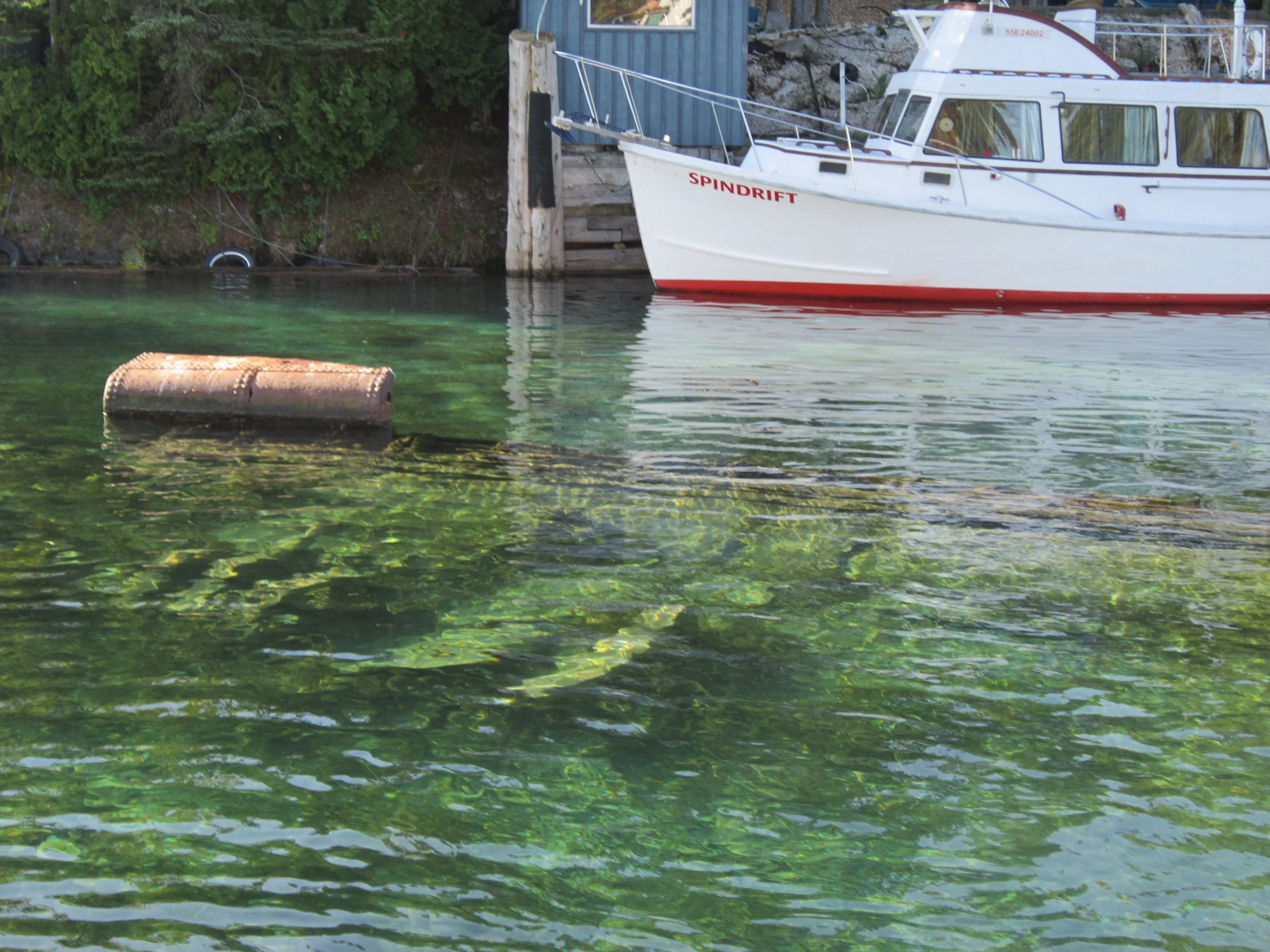
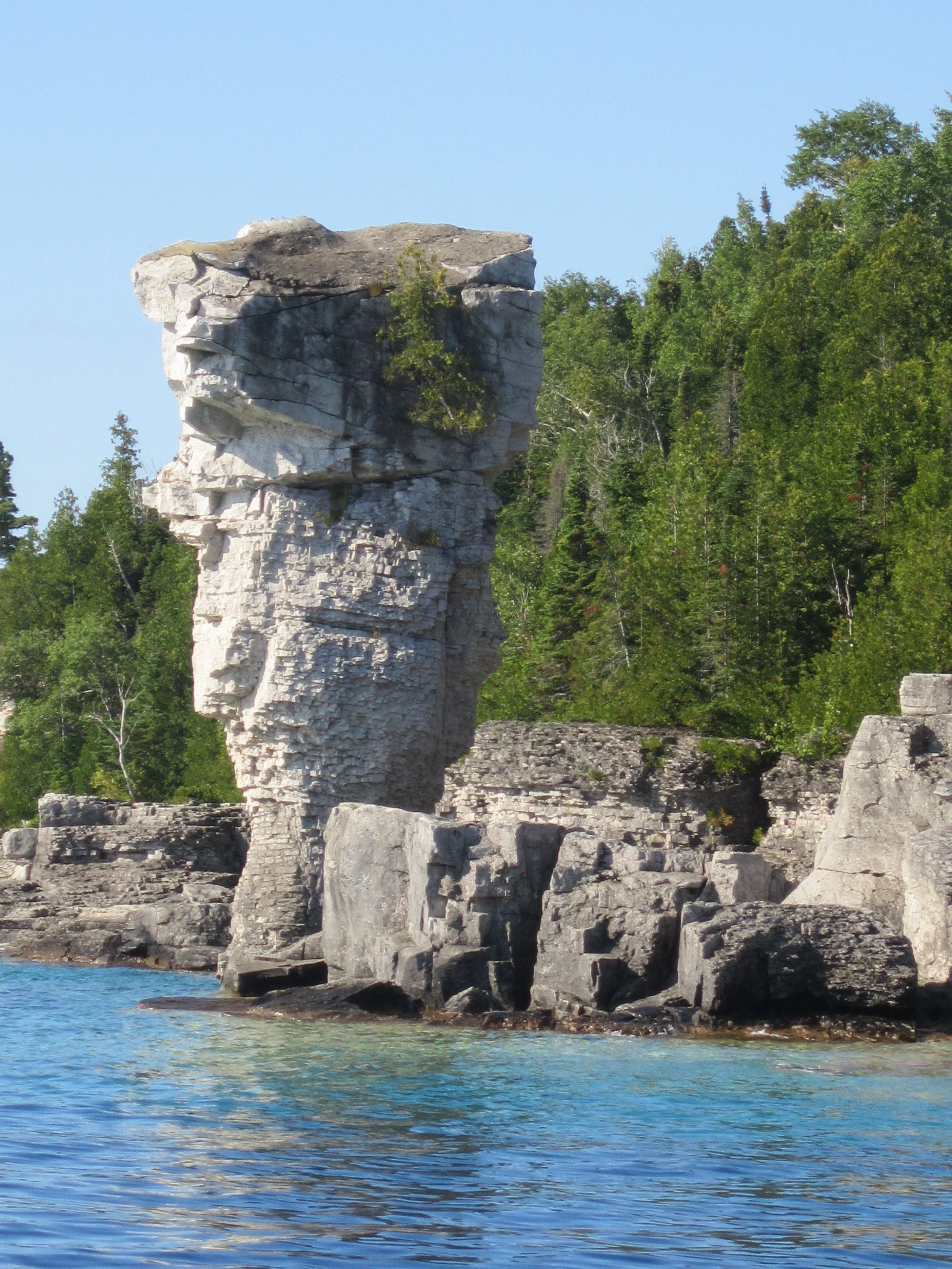
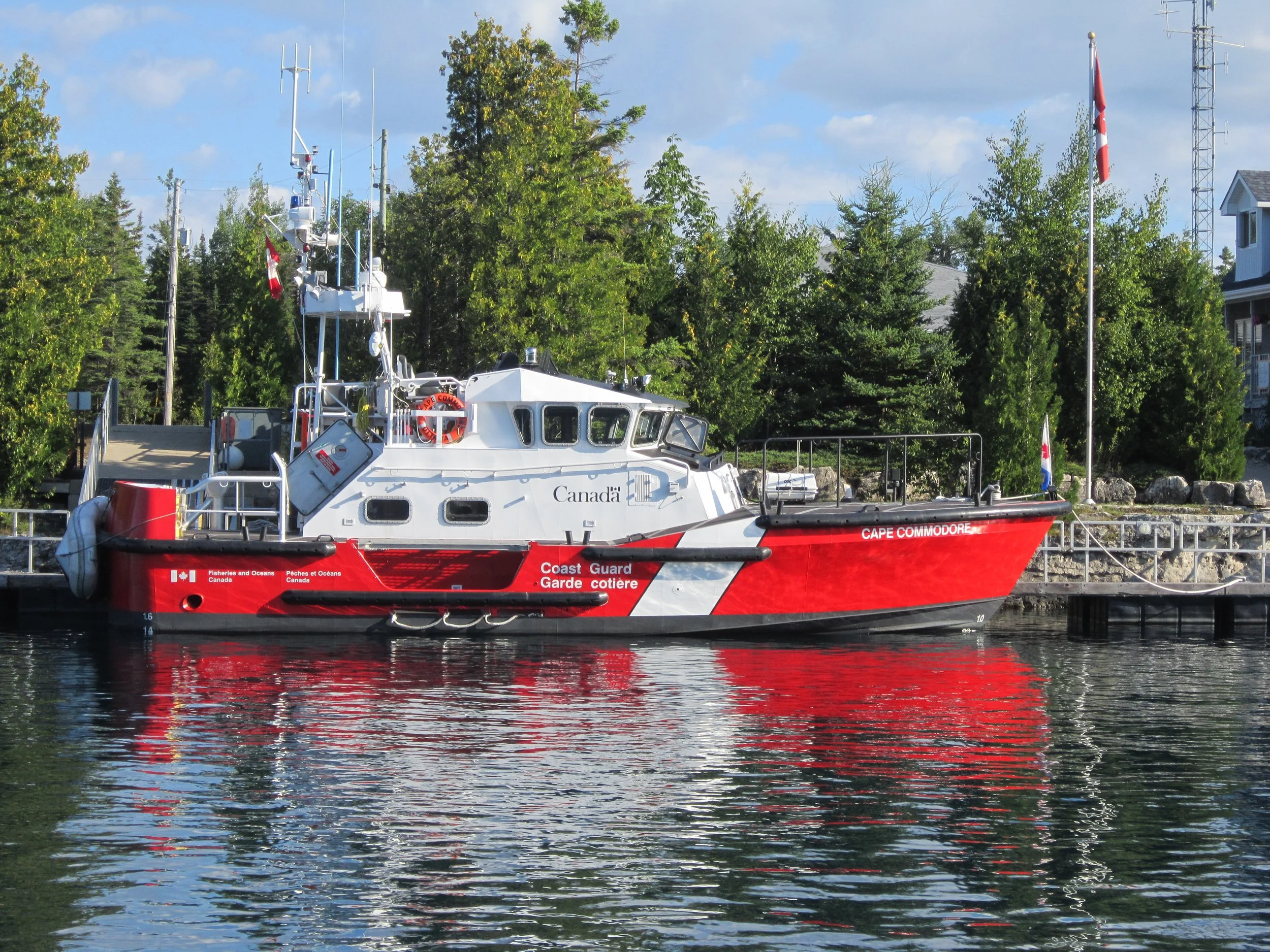
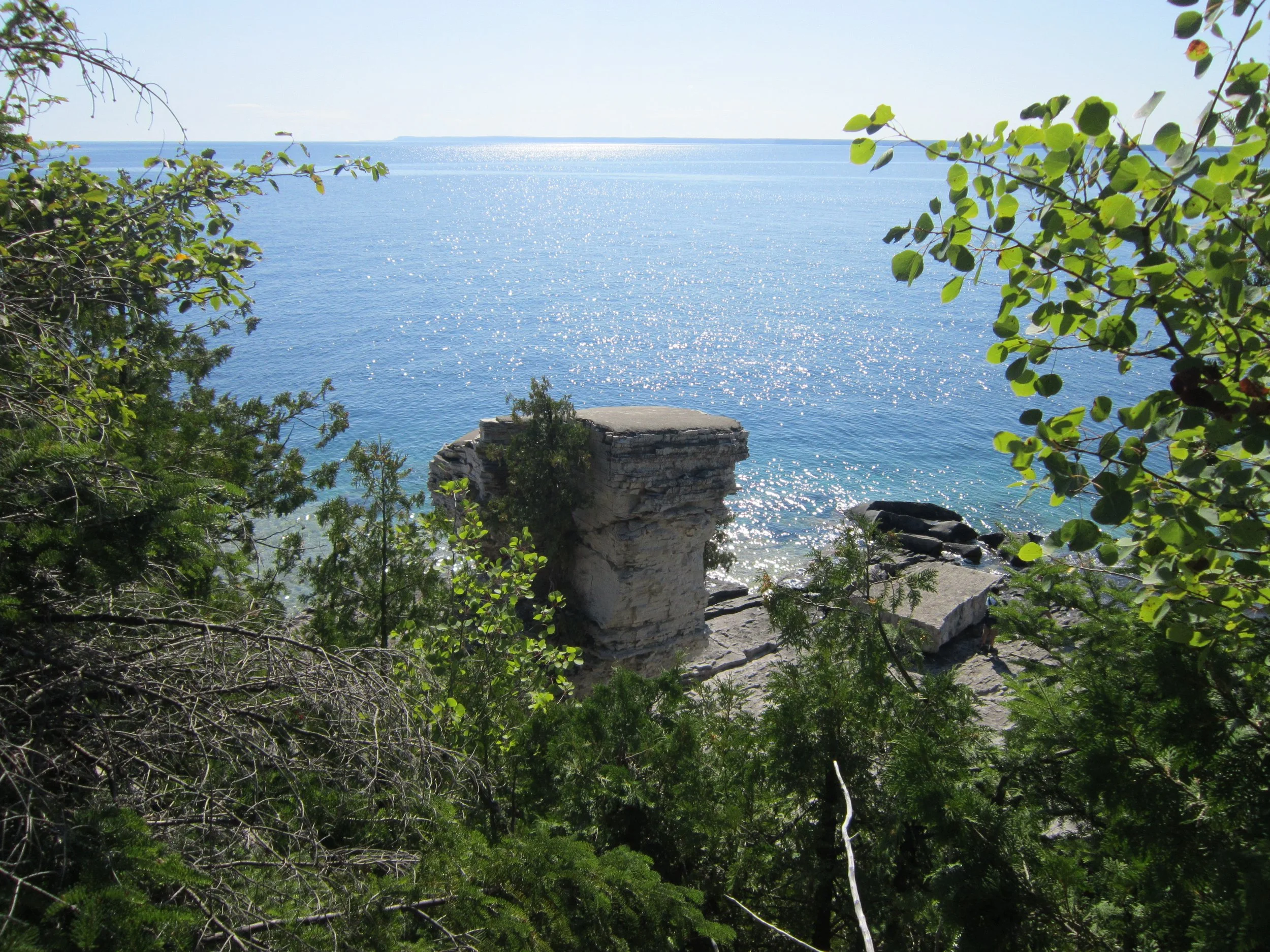
Imagine standing on a windswept cliff where ancient stone meets turquoise waters that stretch on as far as the eye can see.
The Bruce Peninsula is a stunning landform in southern(ish) Ontario (although people from Toronto call it ‘Up North’).
Truthfully, it’s somewhere in the lower middle.
The Bruce Peninsula is a rugged region defined by its natural beauty and maritime history, making it a popular destination for vacationers and nature lovers.
It is also a popular destination for scuba divers, who come from all over the world to explore over 22 shipwrecks scattered throughout the area.
The Bruce is about 100 kilometres long, and juts out into Lake Huron, with the wide open lake to the west, and forming Georgian Bay to the east. The peninsula is only 38 kilometres across at its neck.
The peninsula is outlined by the northernmost stretch of the Niagara Escarpment, a UNESCO World Biosphere Reserve. The escarpment, a 725 kilometre ridge reaches from Niagara in the south all the way north to the tip of the Bruce Peninsula.
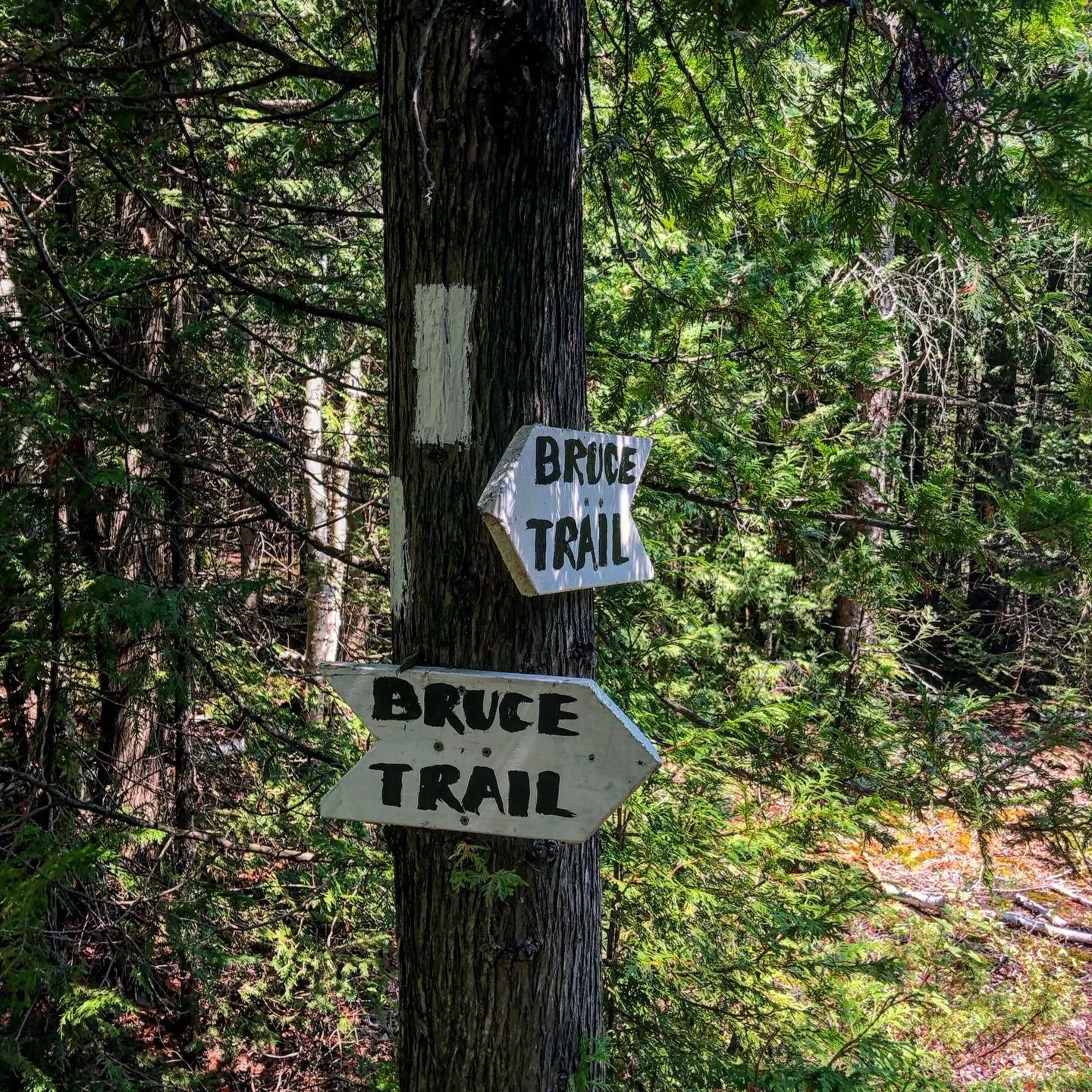
Avid hikers can hike the entire stretch along the Bruce Trail, a winding route that finds its way through forests, countryside and even through towns and cities along the way. Completion of the entire trail from end to end is on many hikers’ bucket lists (definitely on mine!) usually taking approximately a month to complete.
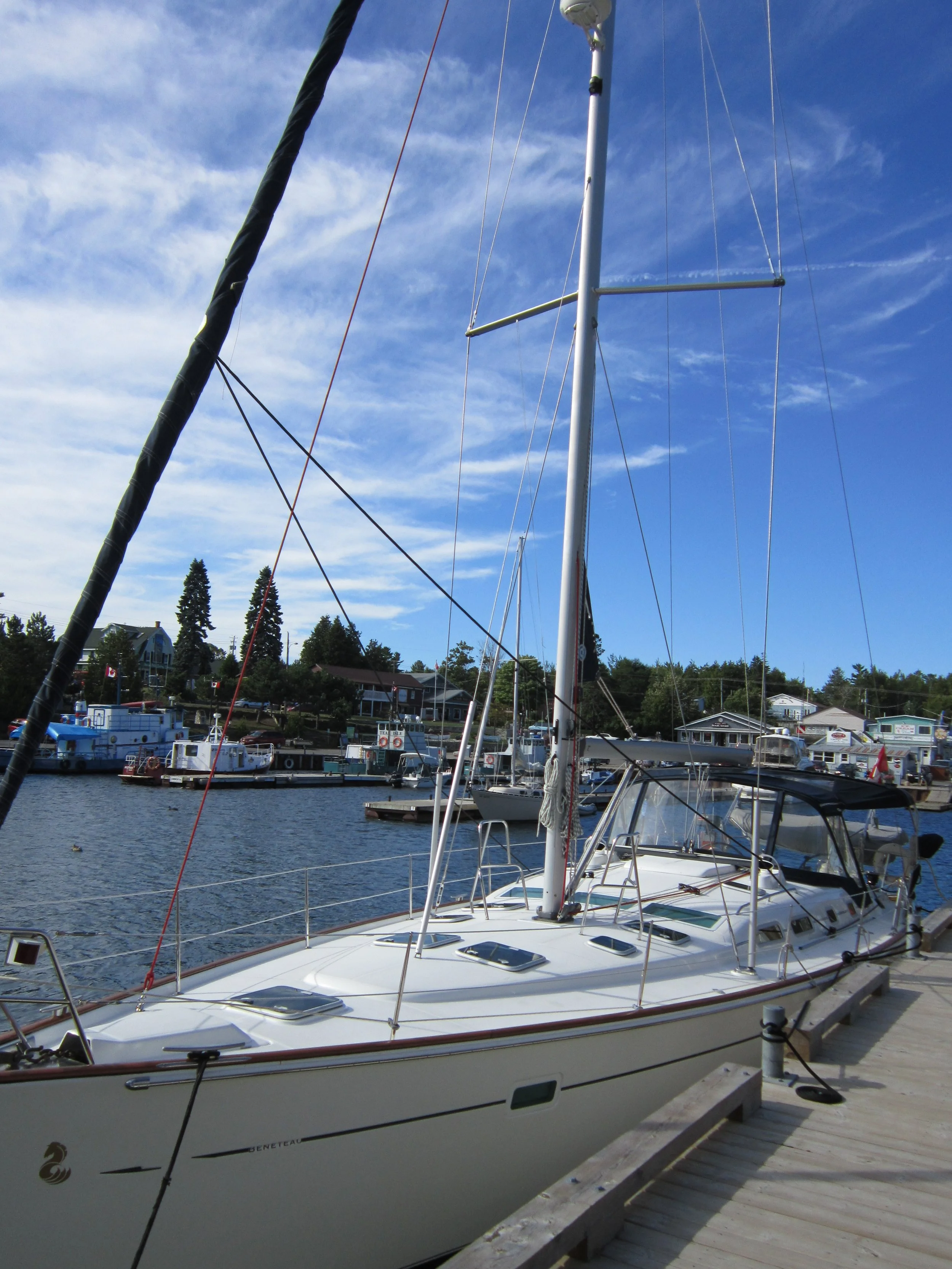
The Bruce Trail reaches its northern terminus in the harbour town of Tobermory, a cute little town filled with quaint shops, restaurants and hotels and cottage rentals for travellers to the region.
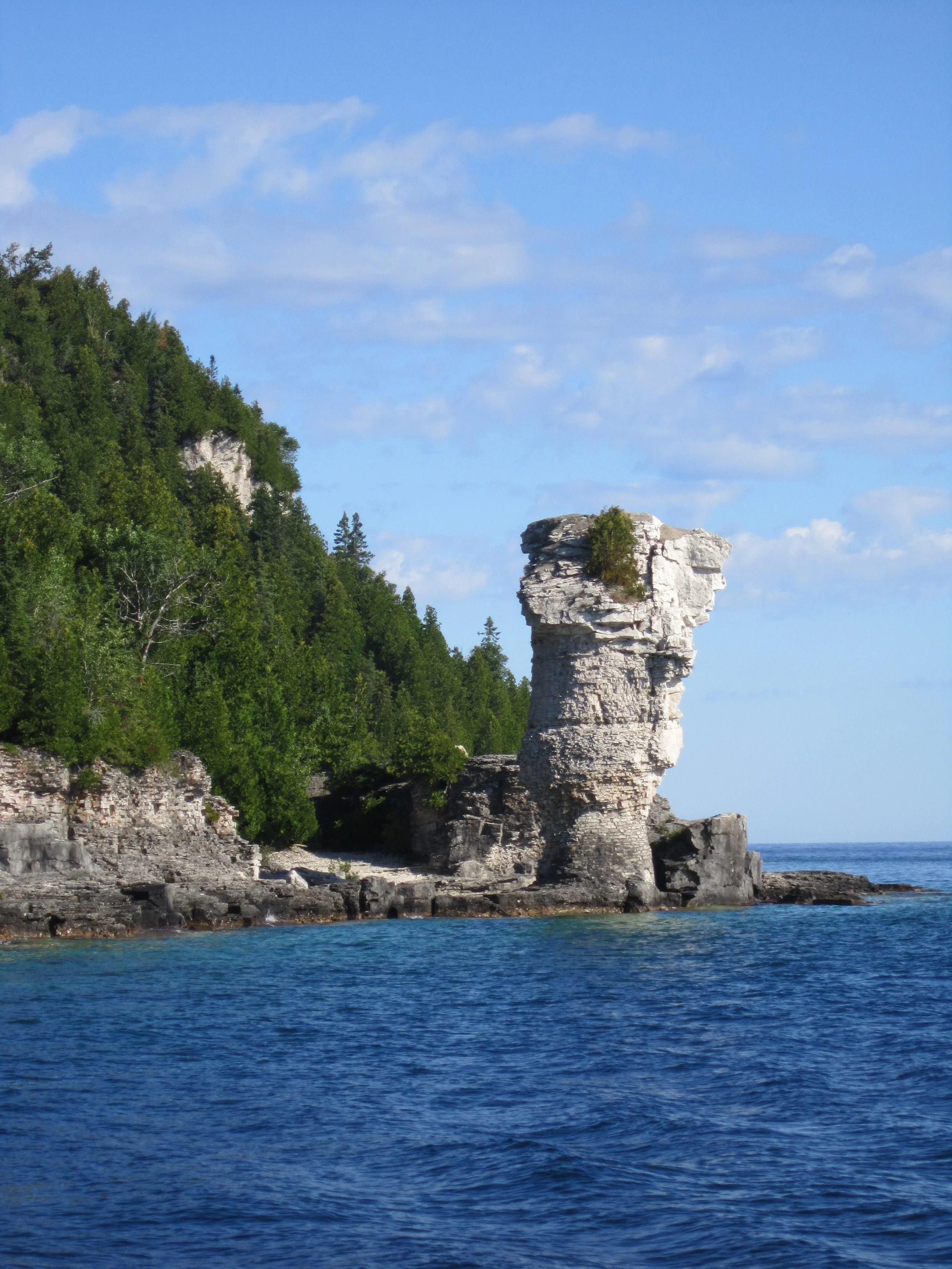
From there you can also set yourself up for a glass bottom boat tour and get out to explore the waters and shipwrecks of the surrounding Fathom Five National Marine Park, before arriving at Flowerpot Island, known for its breathtaking rock formations.
If you want to explore some of the areas most beautiful places on foot Bruce Peninsula National Park boasts some of the best landscapes in all of Canada.
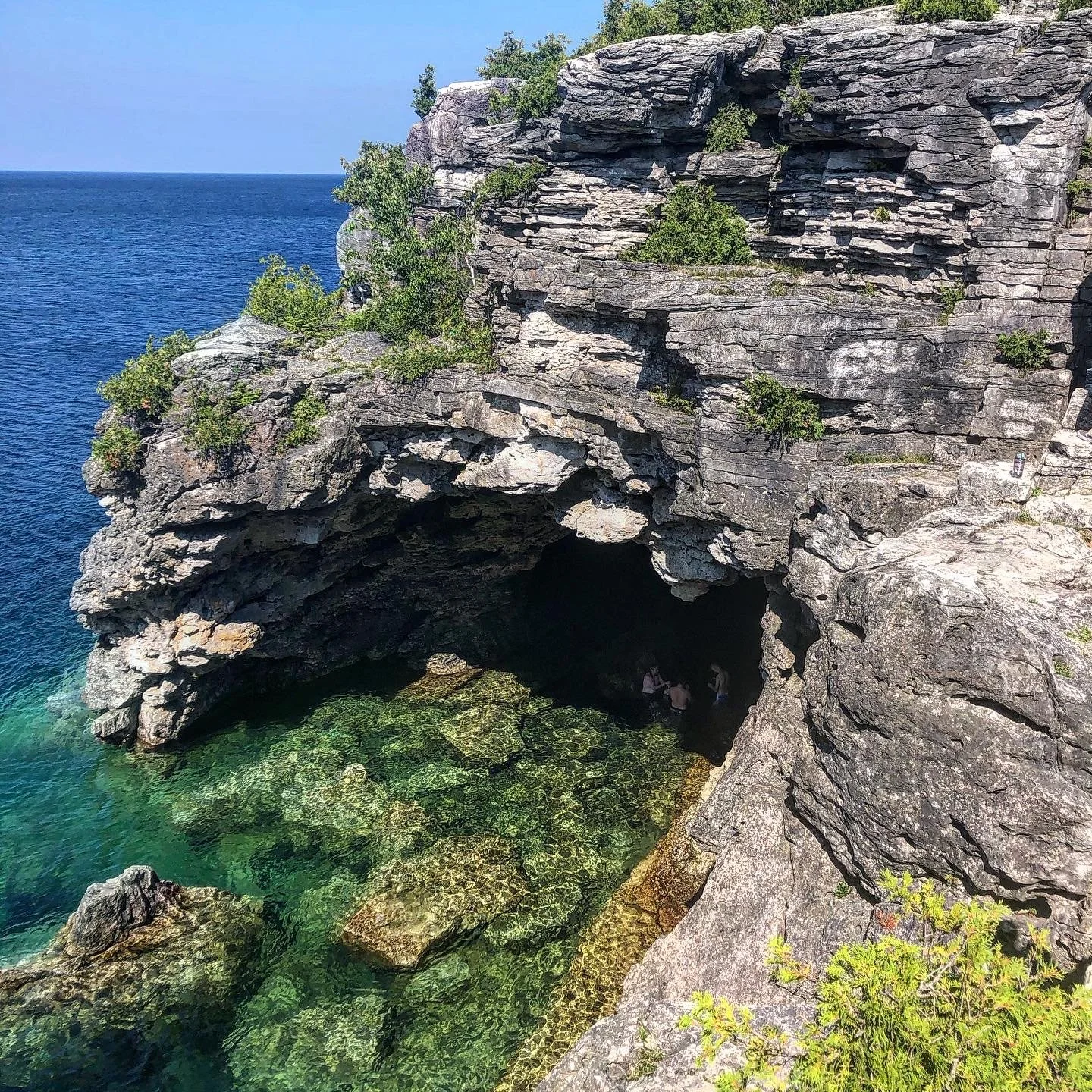
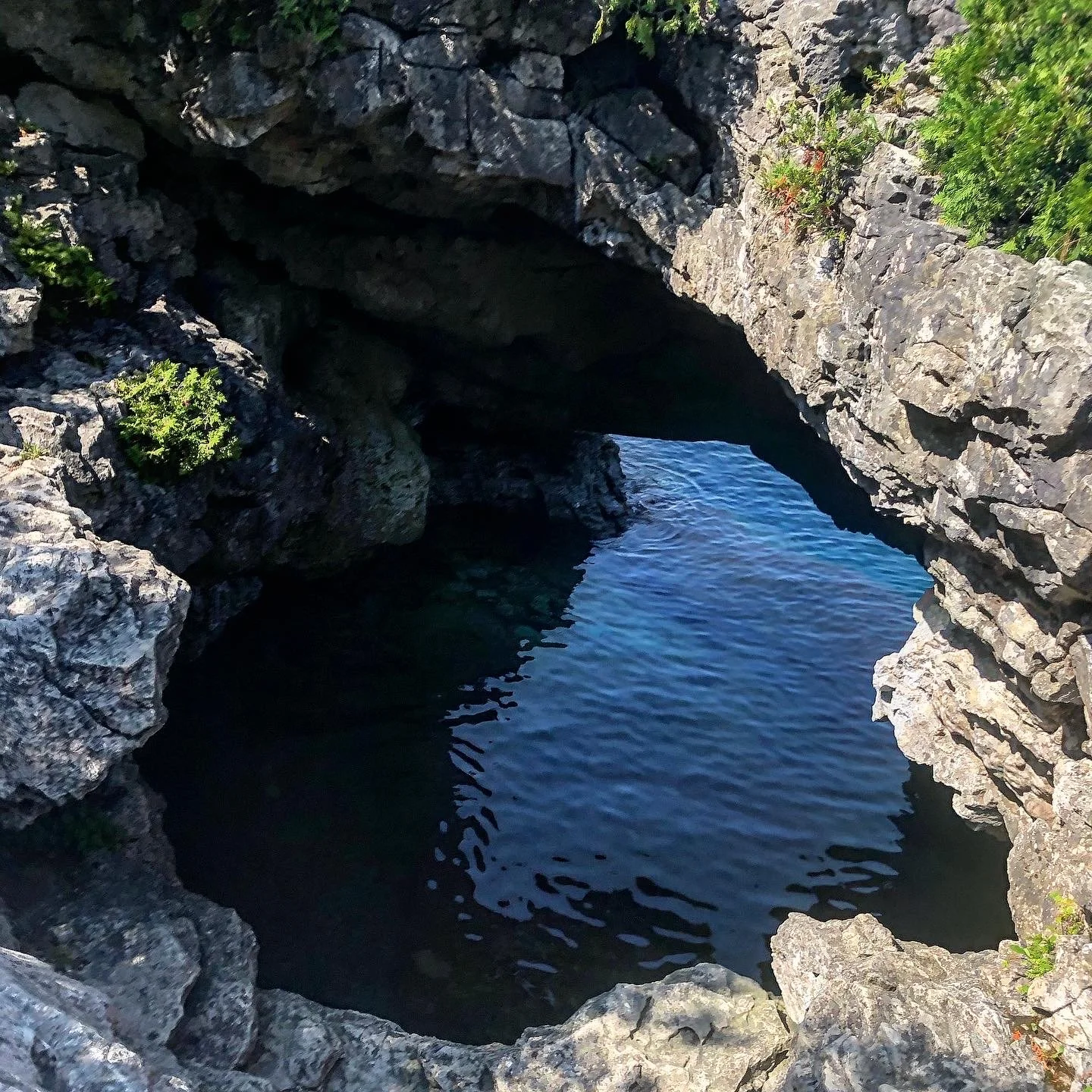
Camp at the Cyprus Lake campground and spend your days exploring stunning wild places such as Lion’s Head, Halfway Log Dump, and be sure not to miss Indian Head Cove. There you will find The Grotto, a sea cave immersed in the stunning Crystal Clear turquoise water that hugs the limestone coastline.
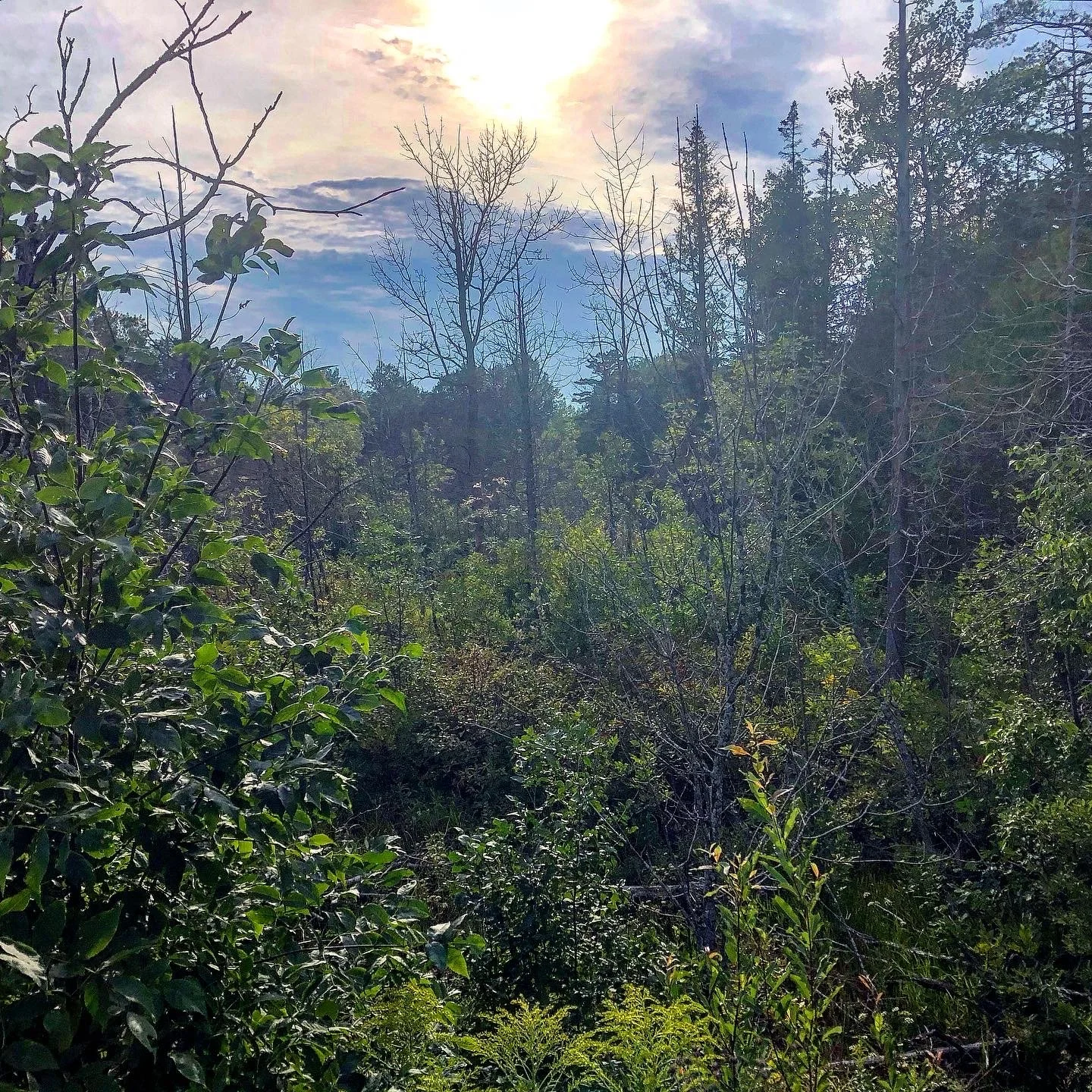
Up on the cliffs, the Bruce Trail winds its way along stunning vistas through old growth forests, where you will find ancient cedars hugging the landscape and the most breathtaking views in all of Ontario.
You won’t regret a trip to this wild and wonderful region.
Truthfully, you may never want to leave!
7.Dundas Valley, Ontario
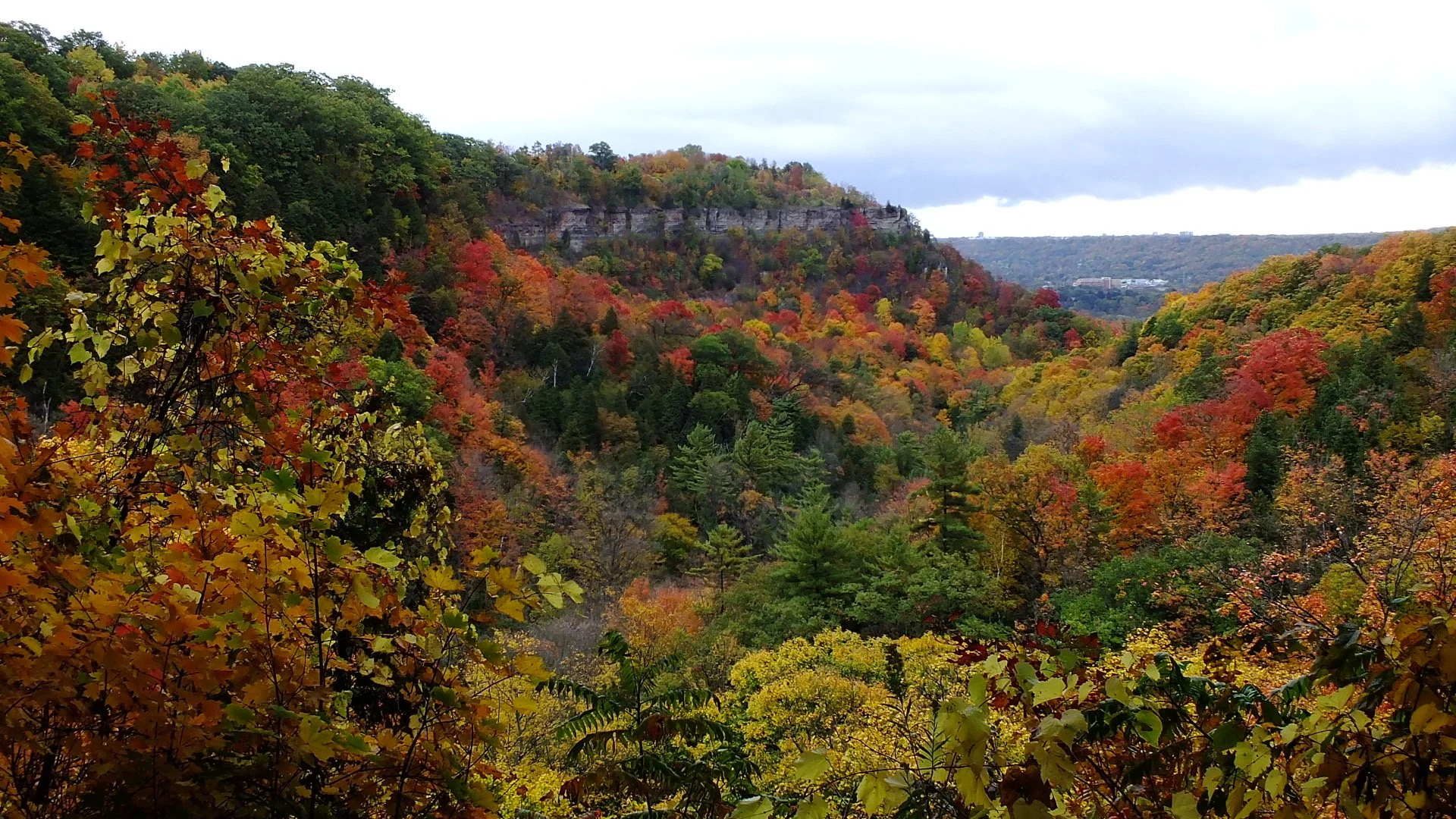
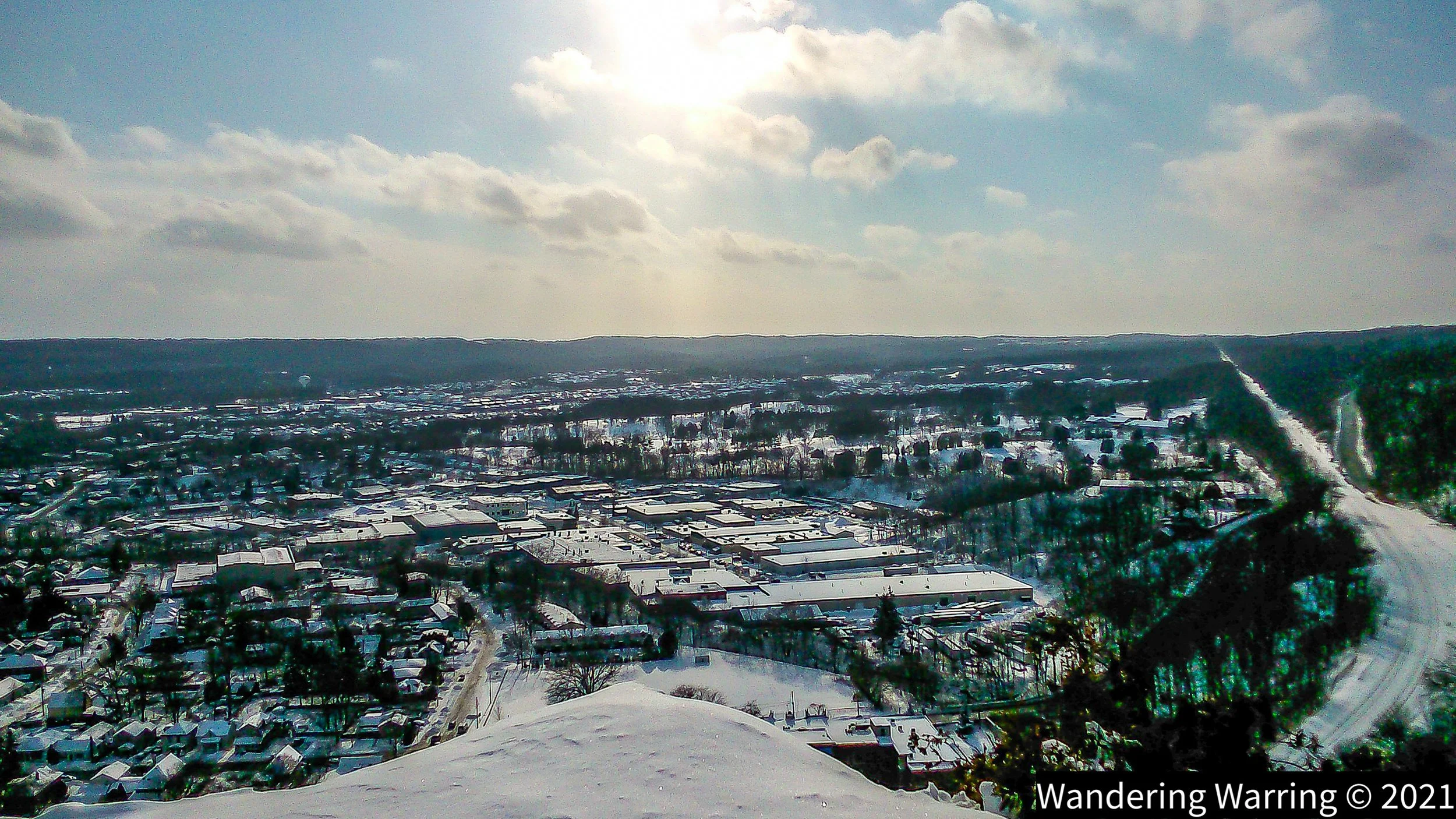
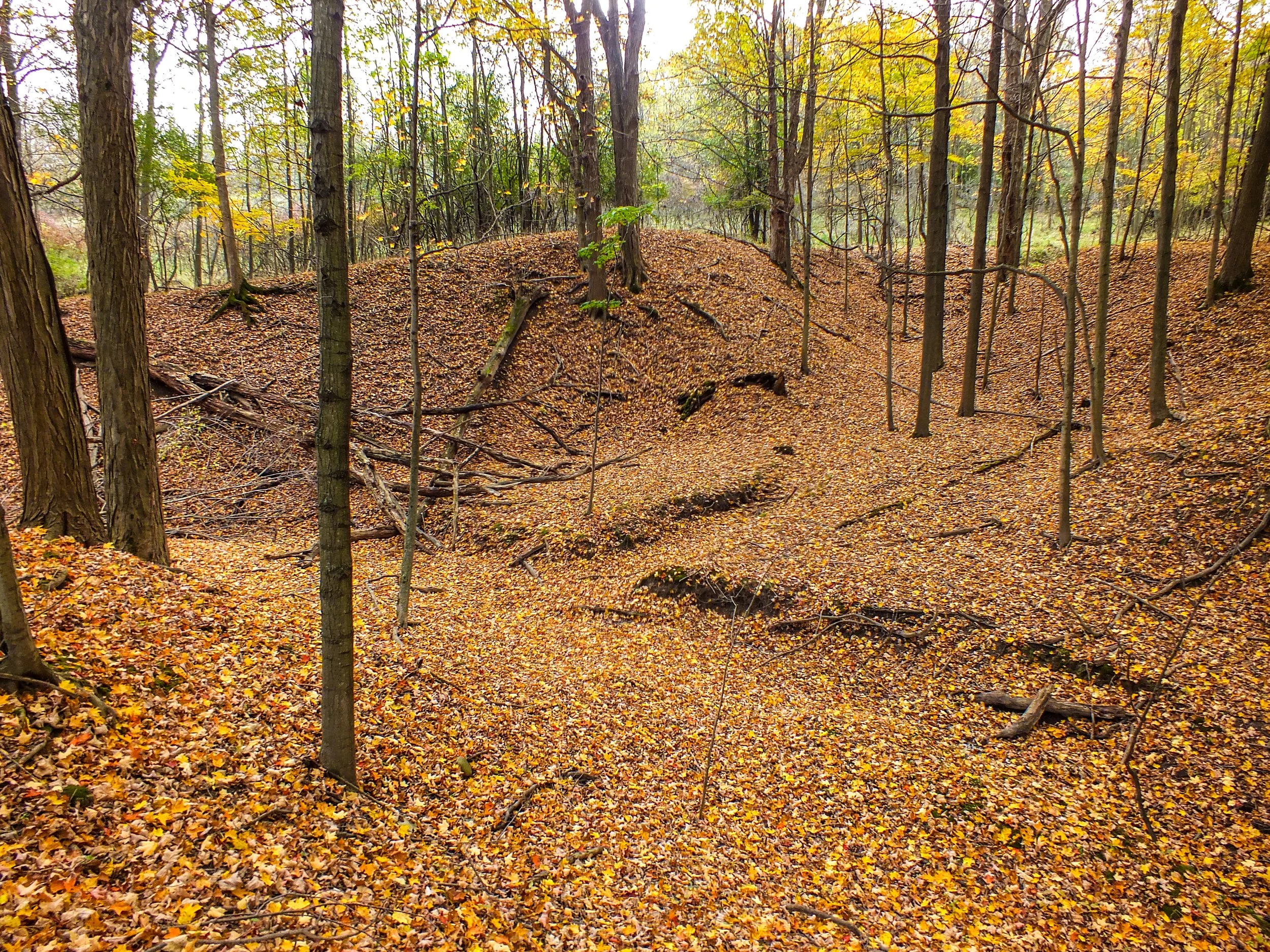
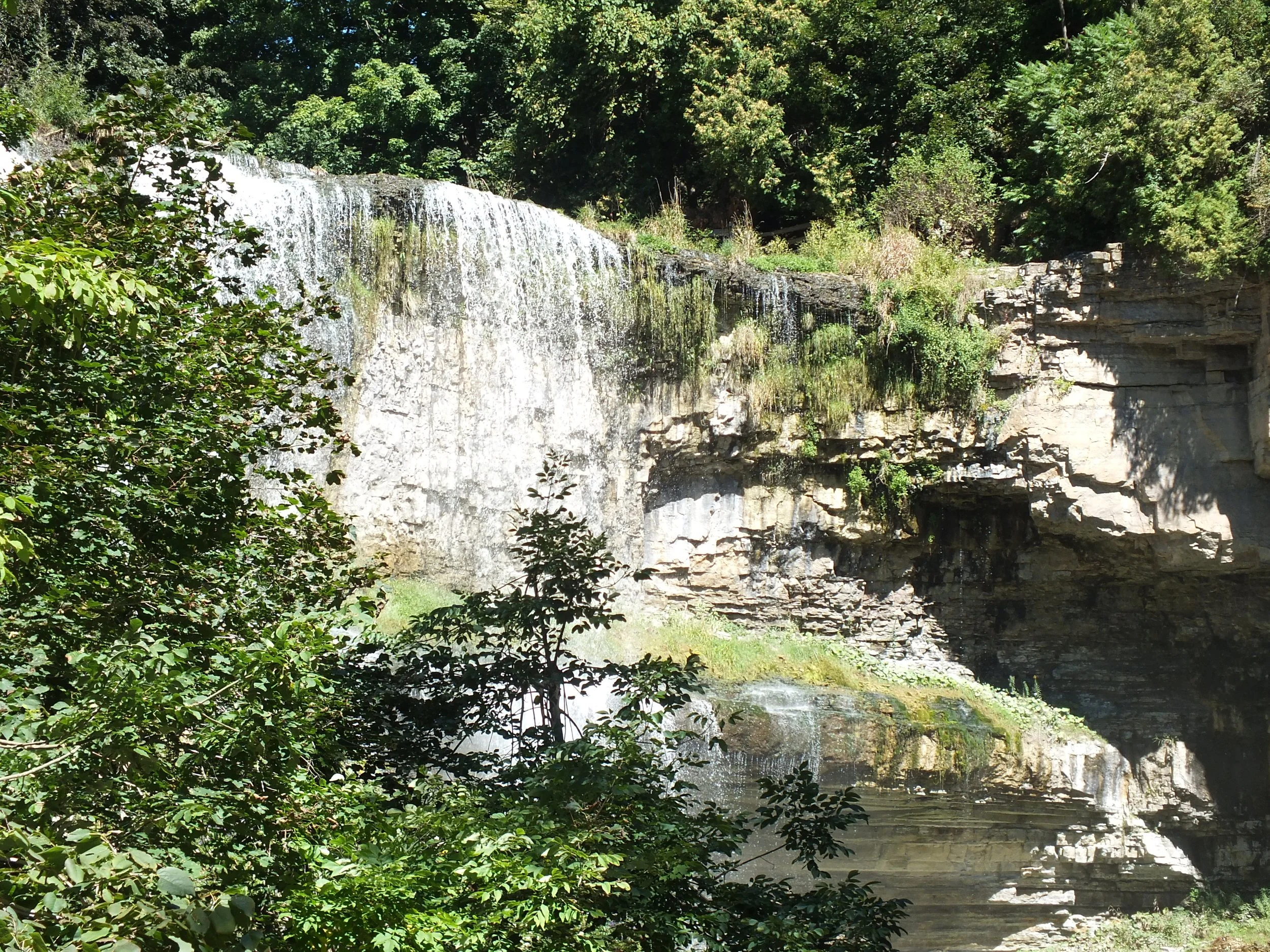
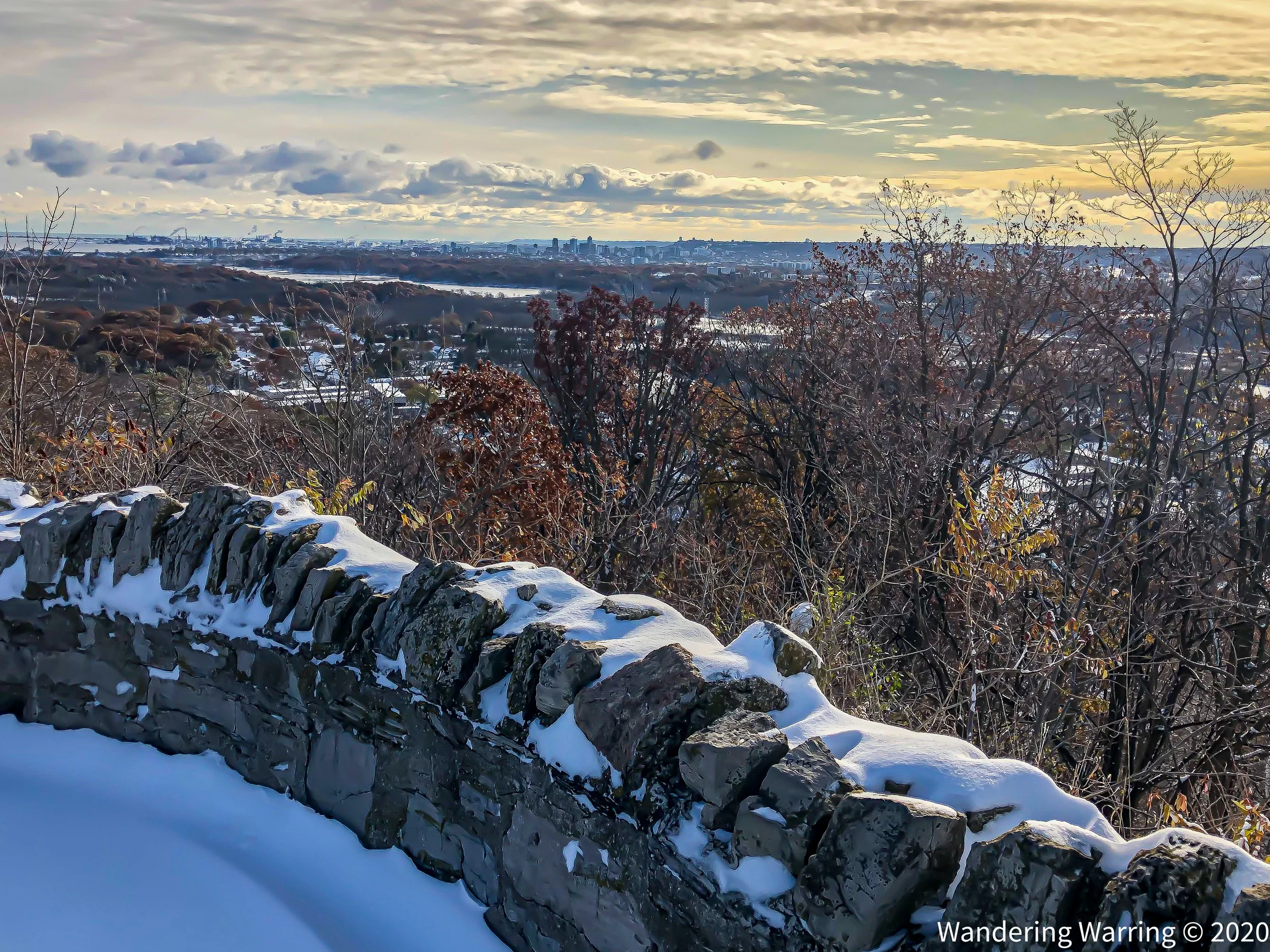

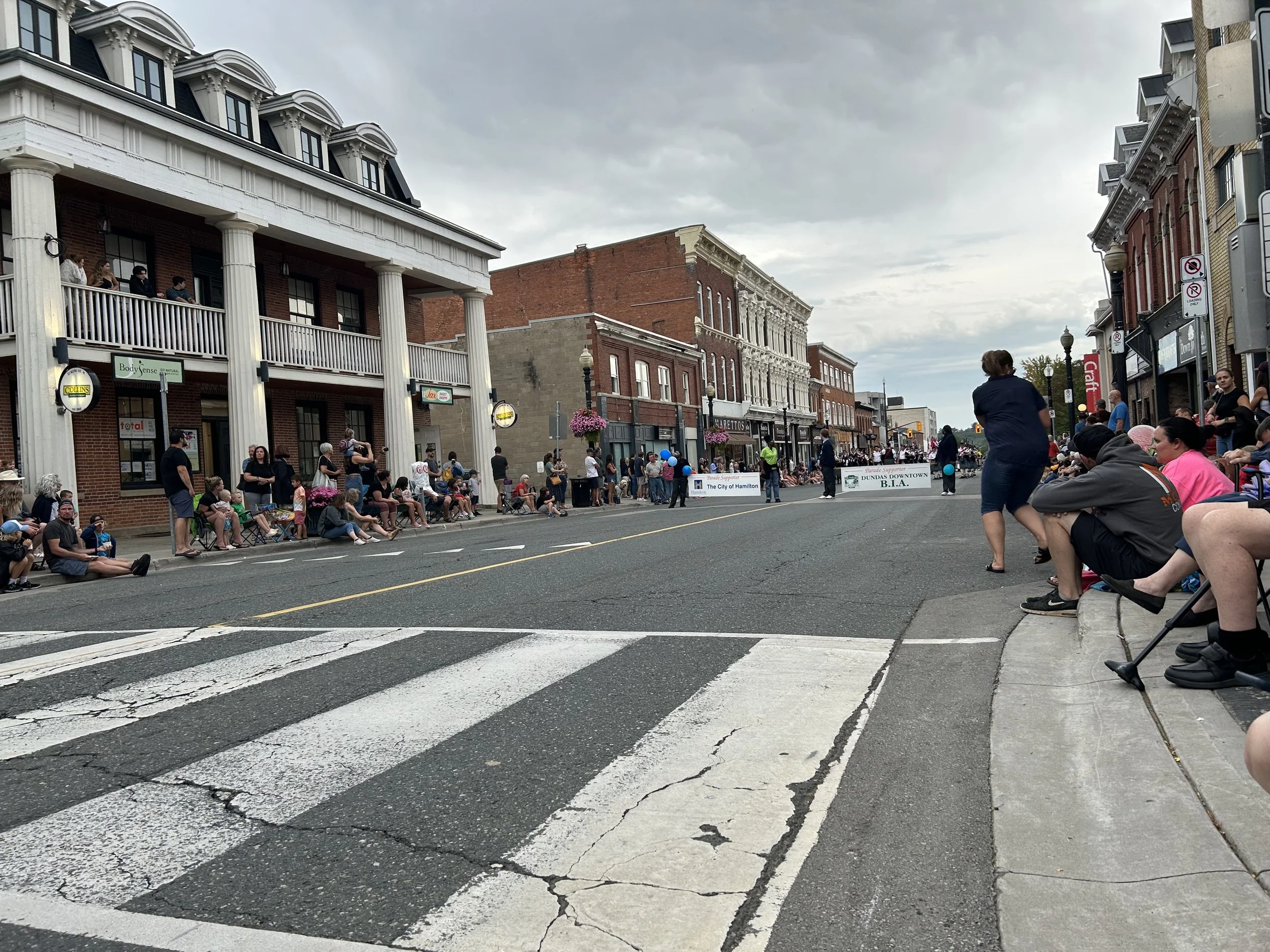
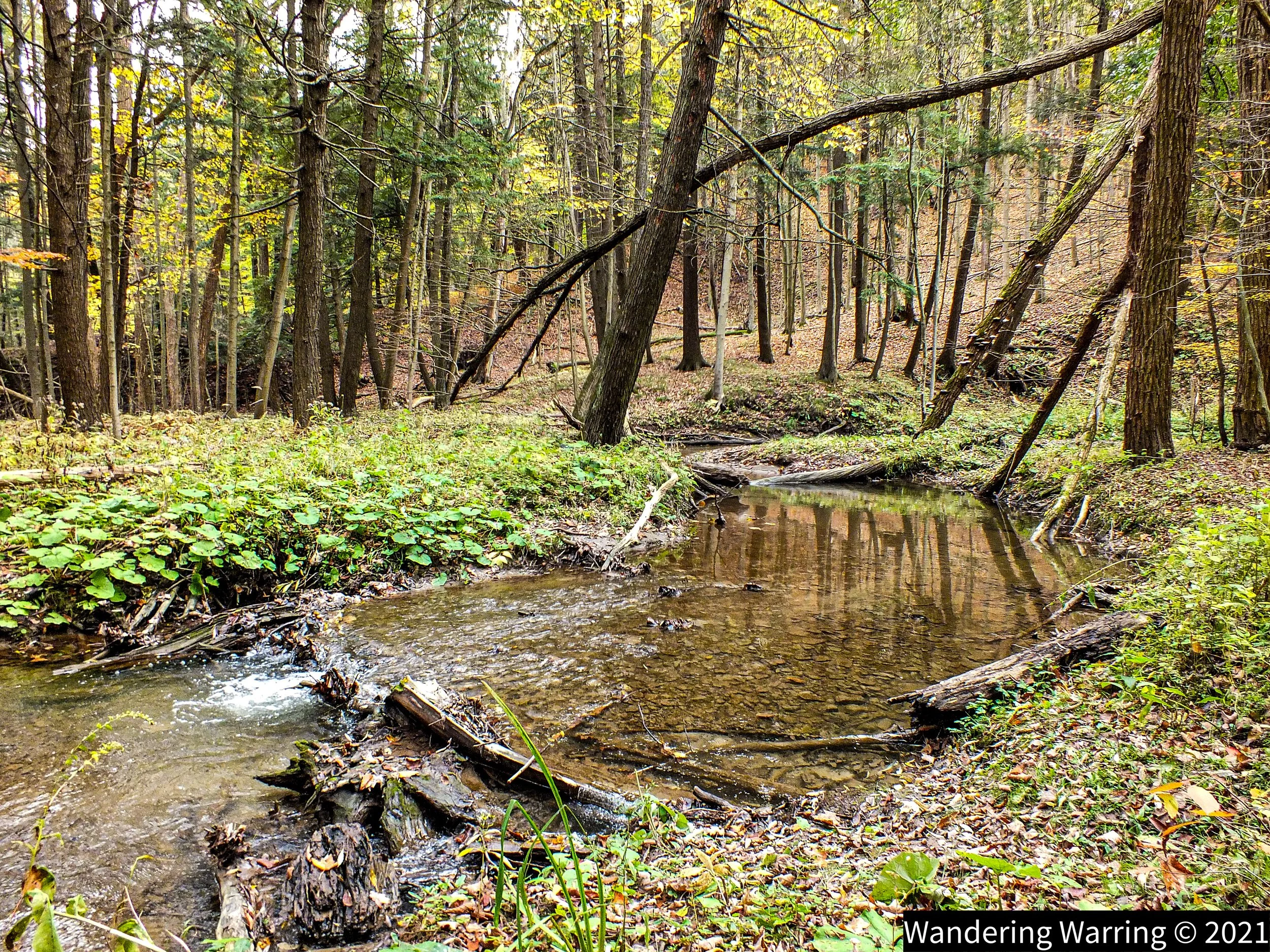
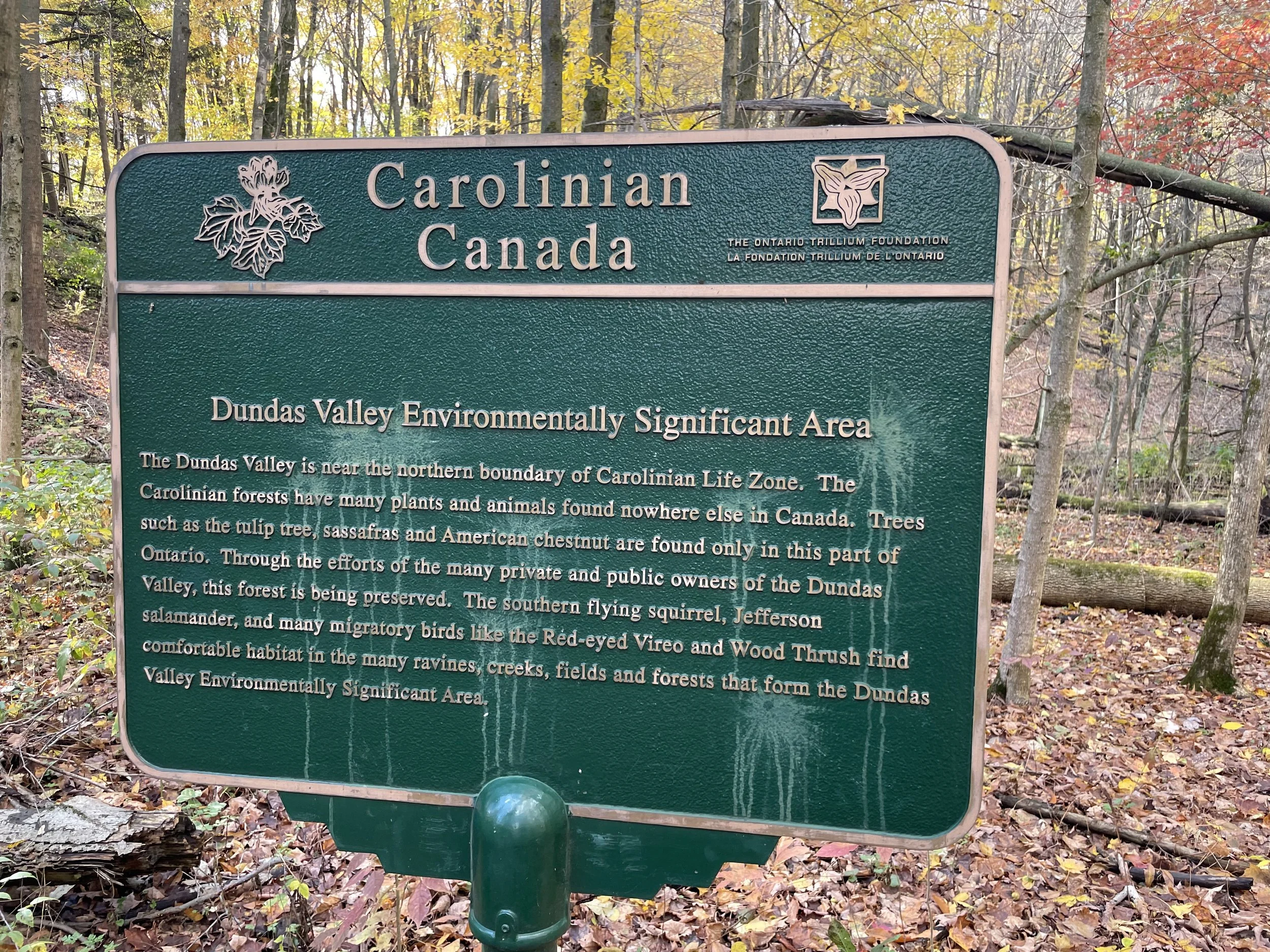
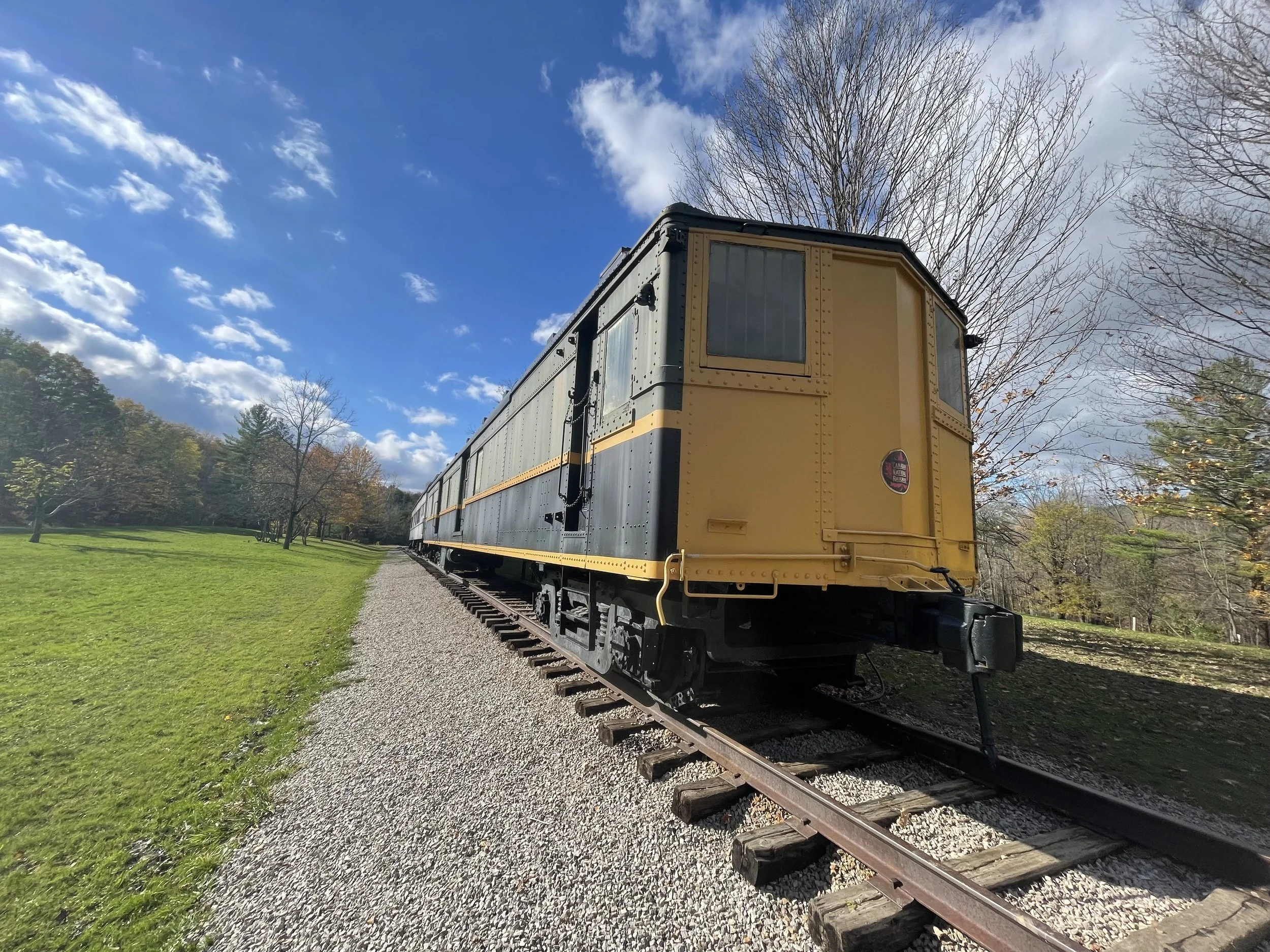
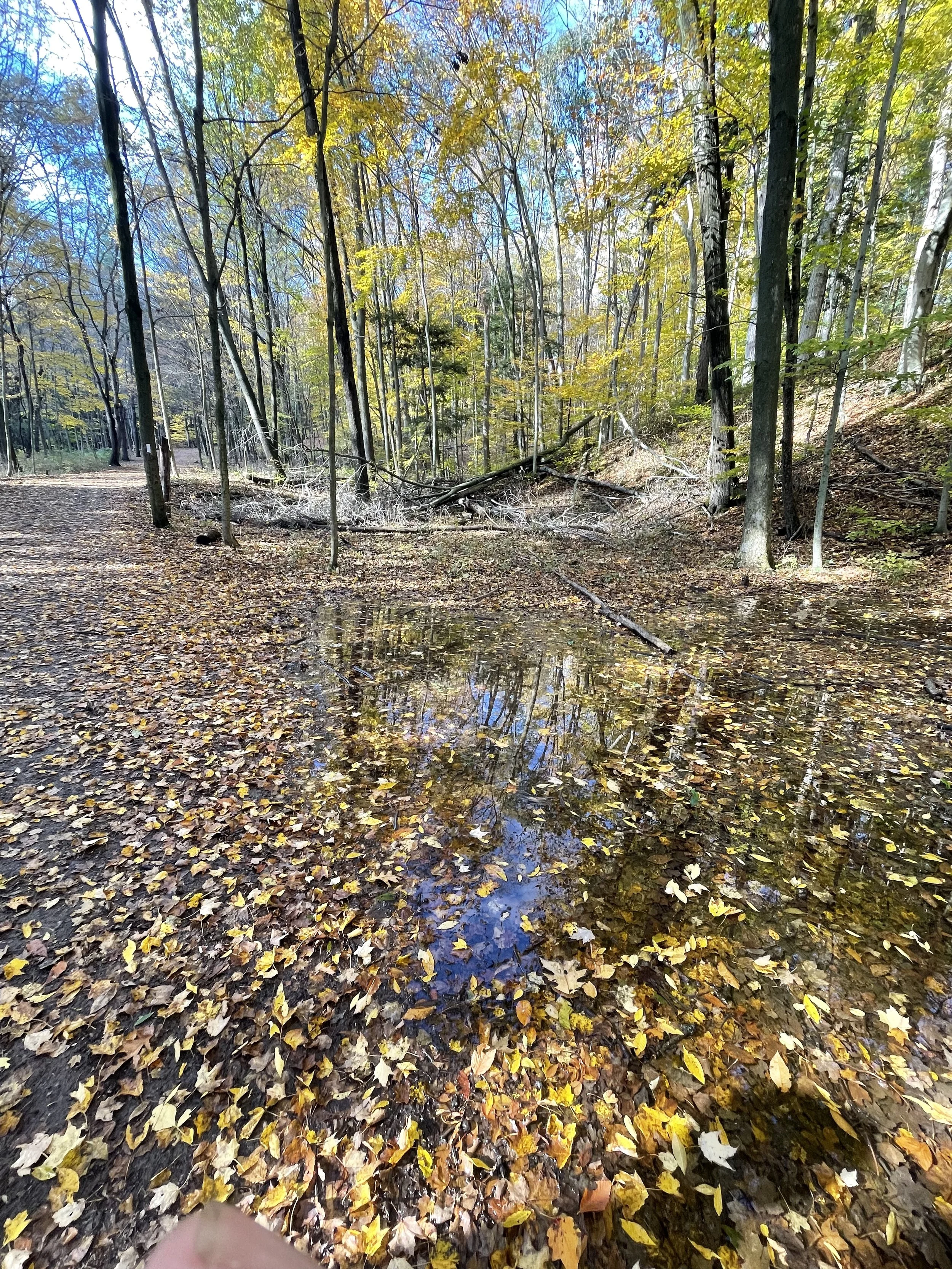
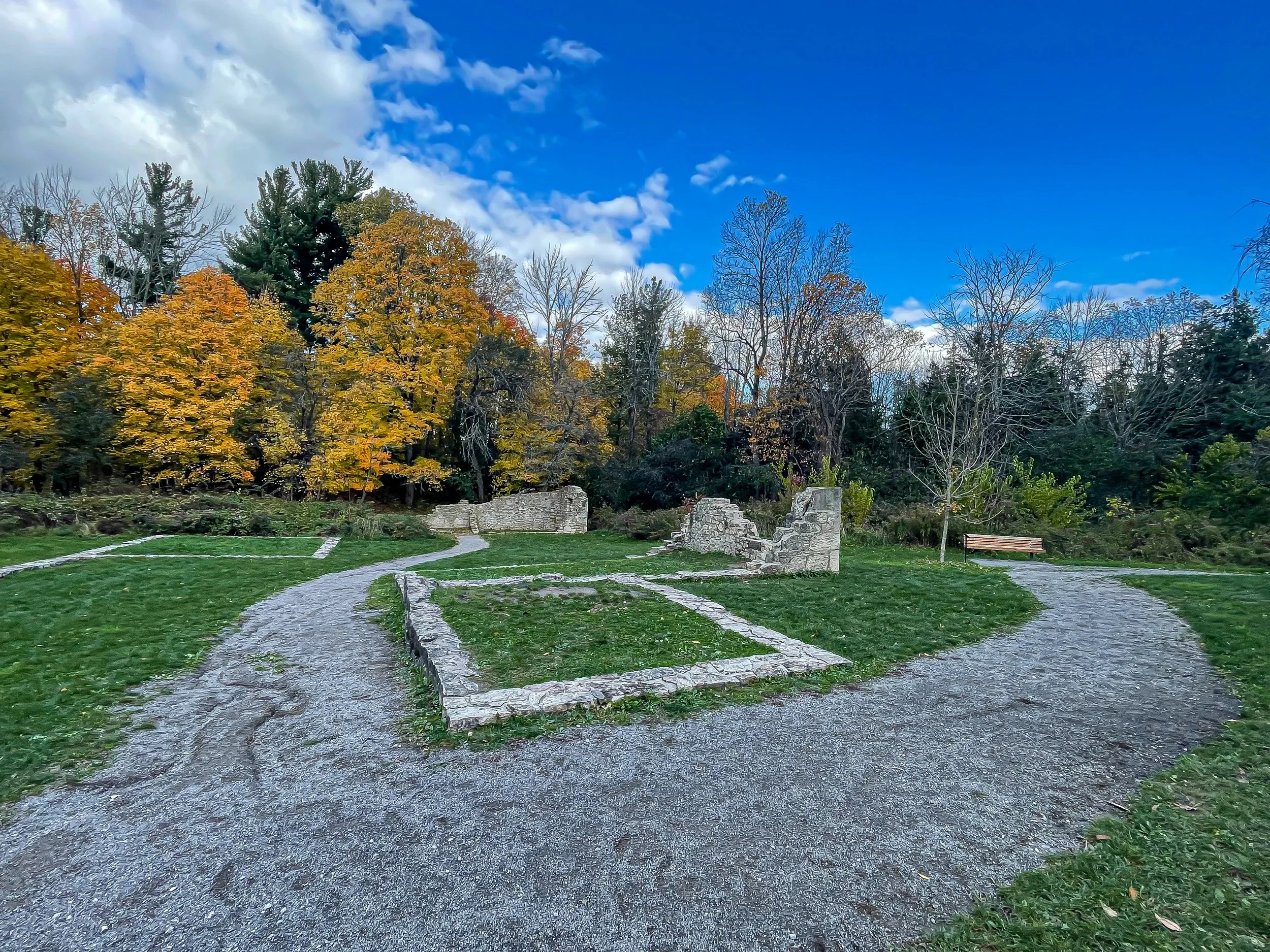
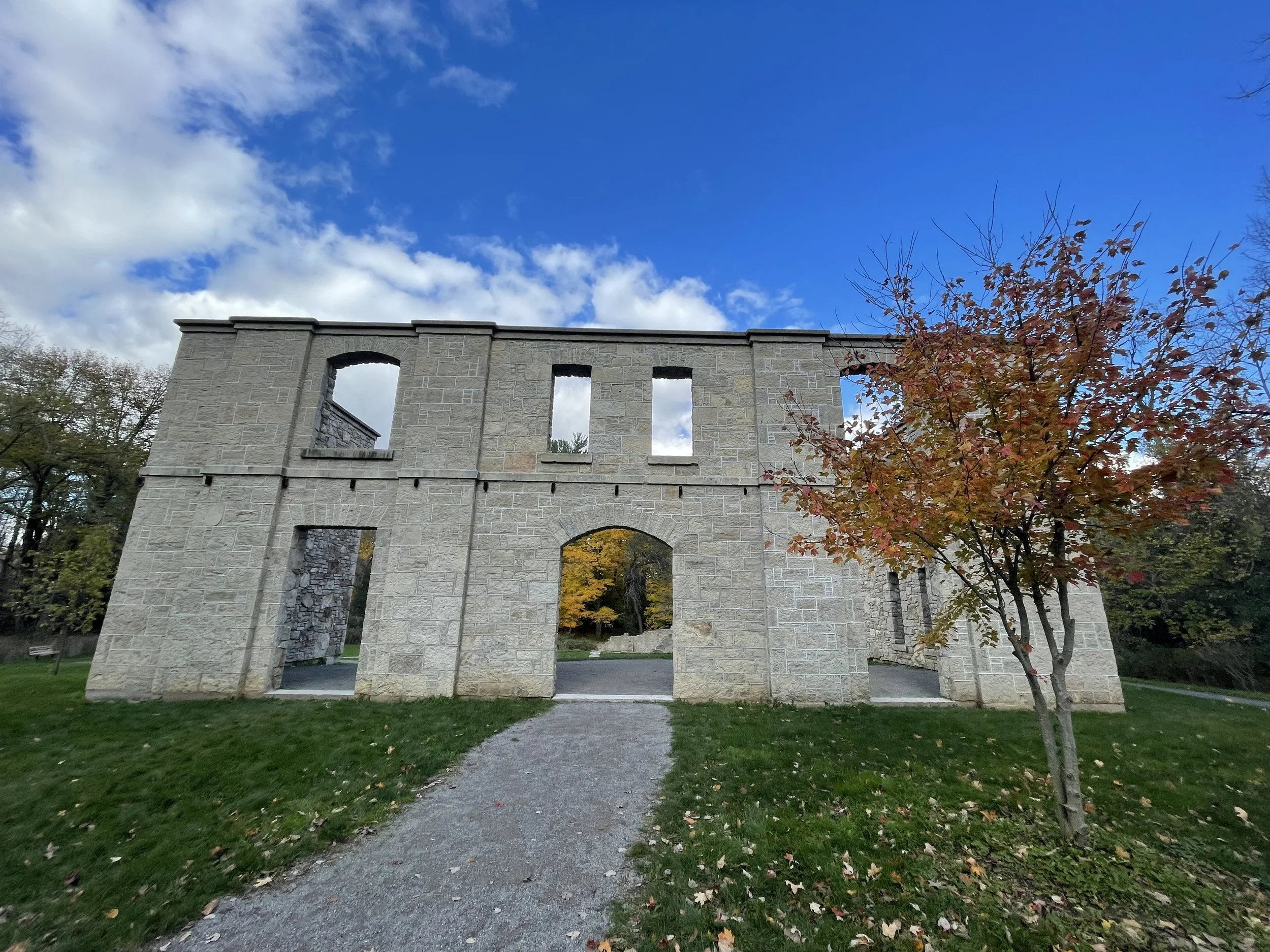
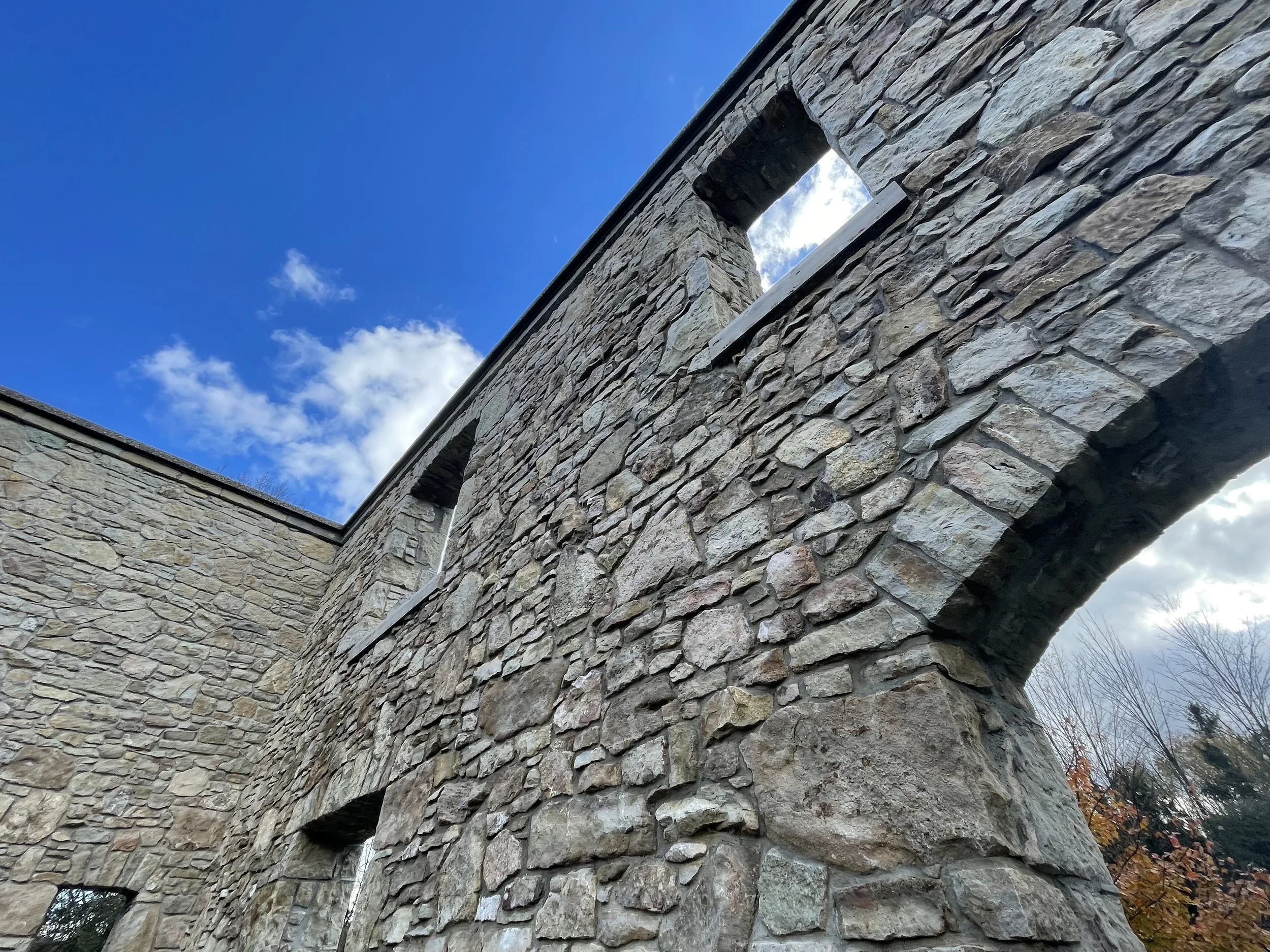
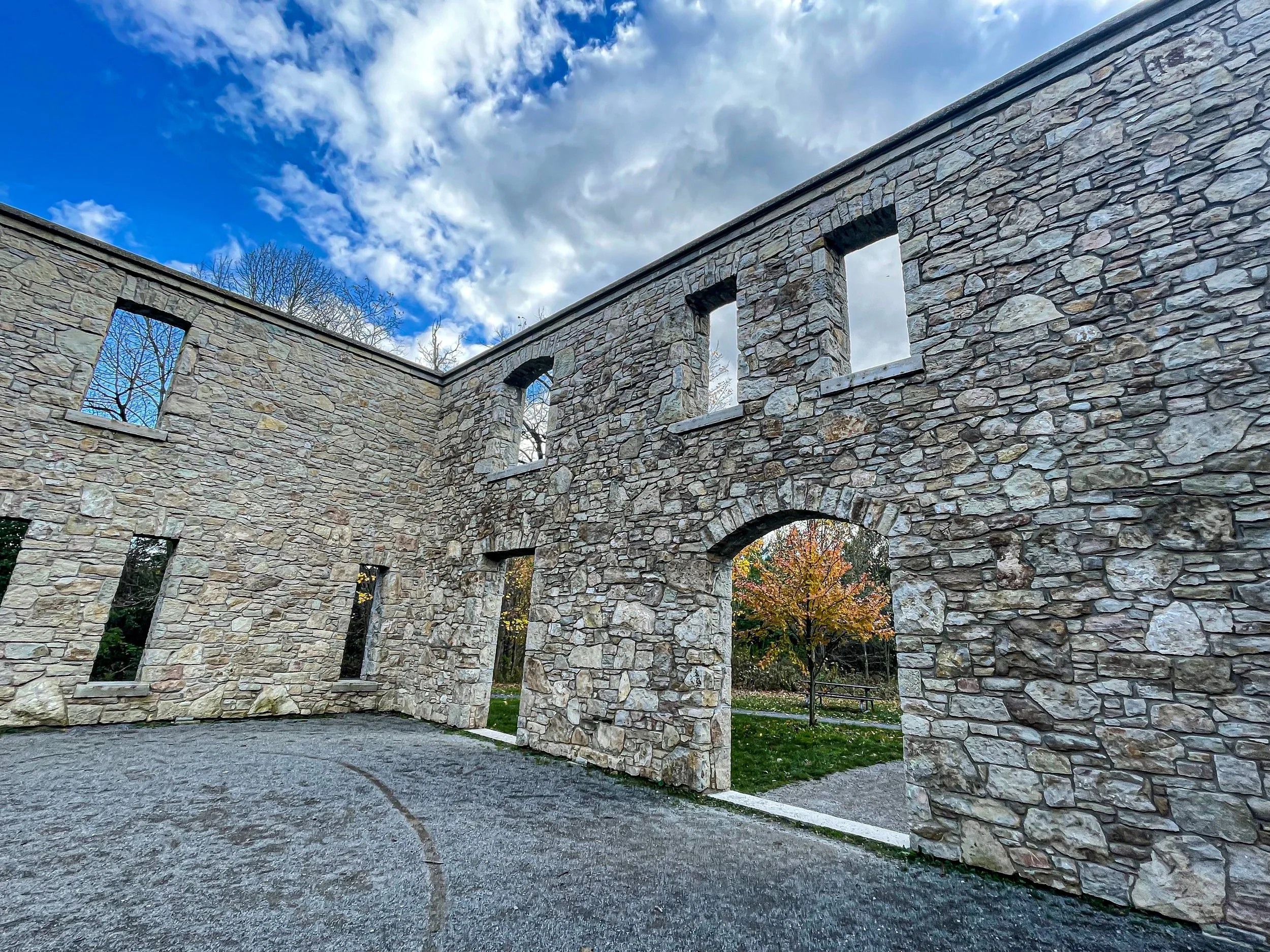
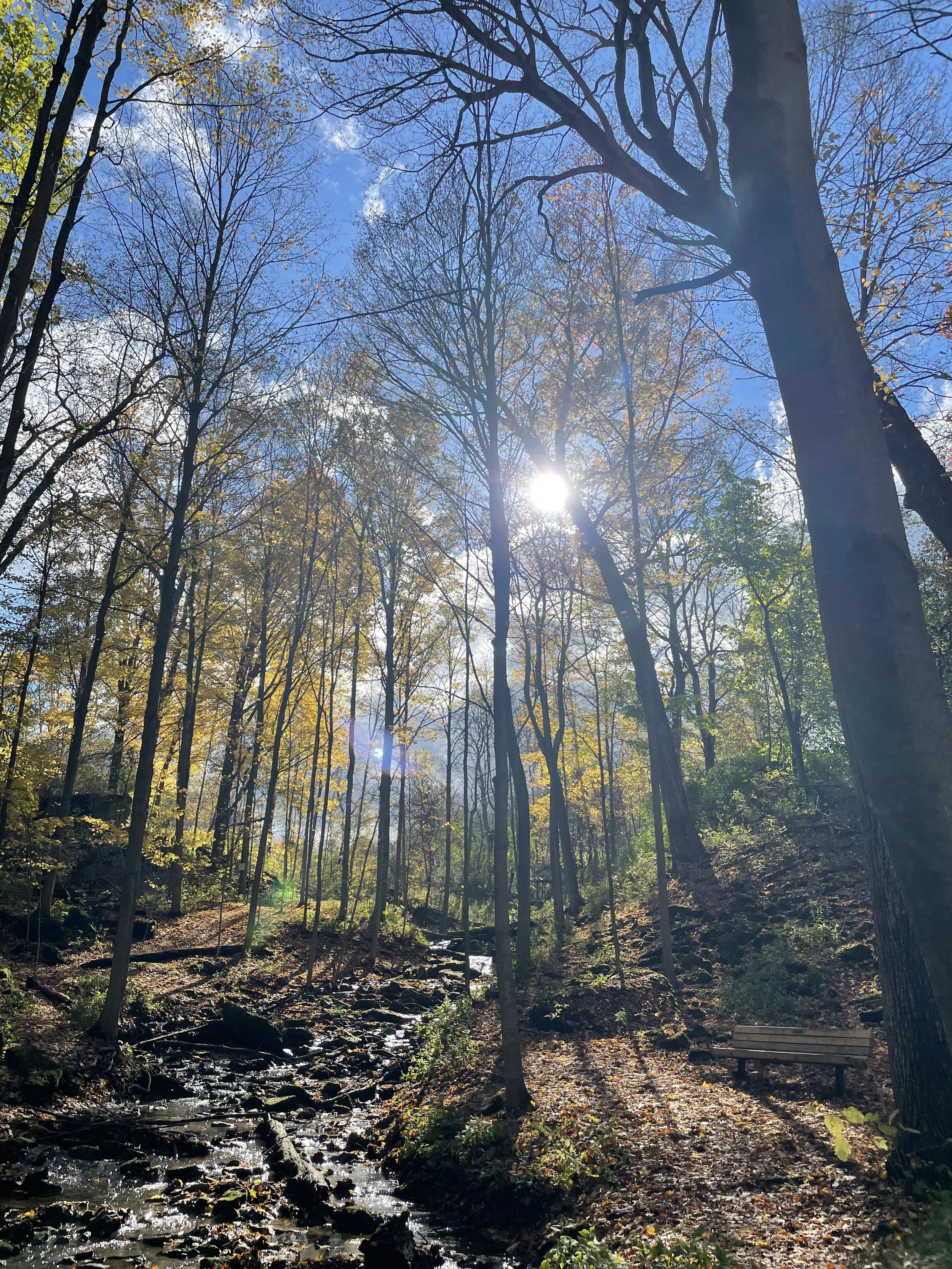

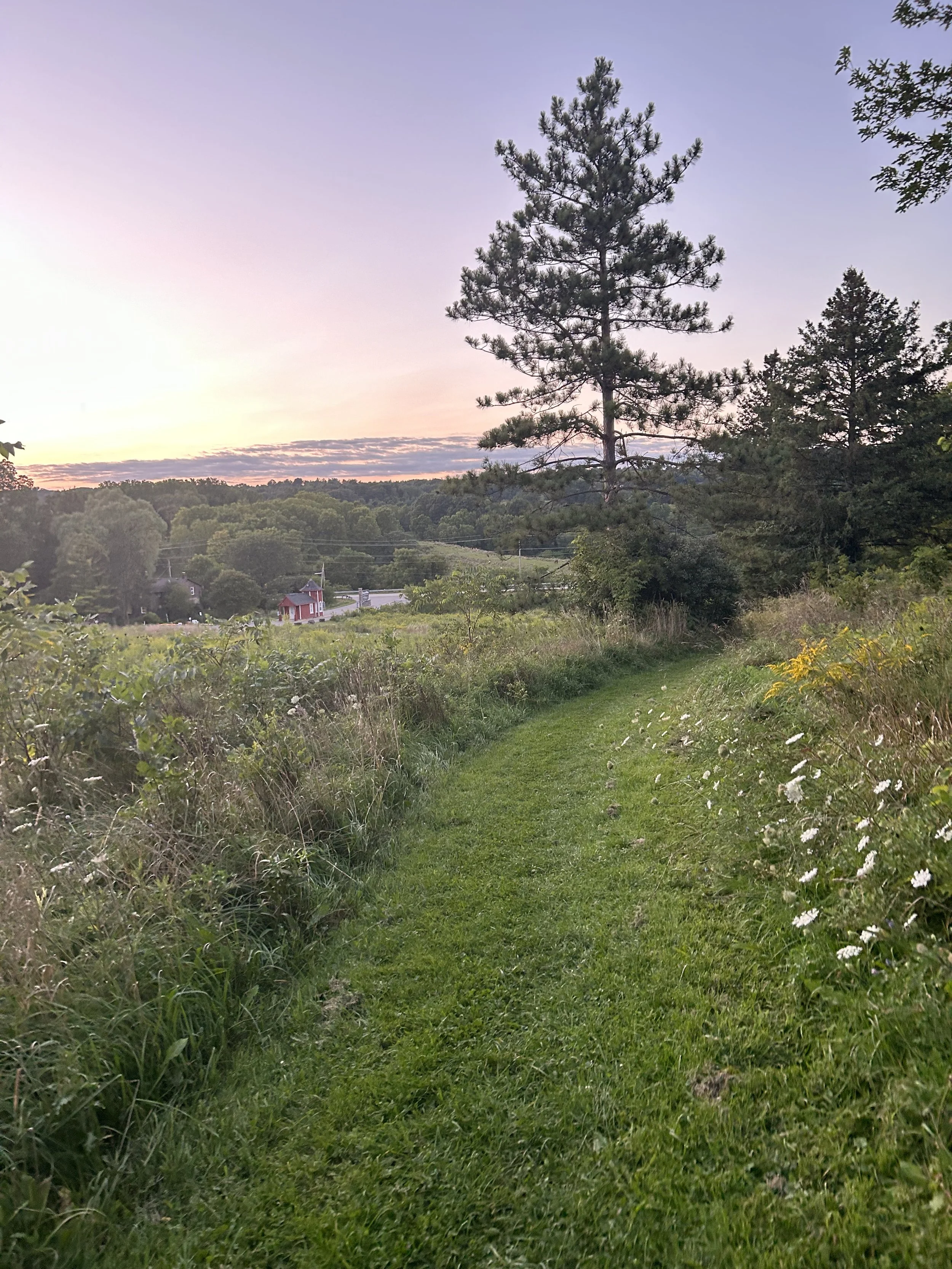
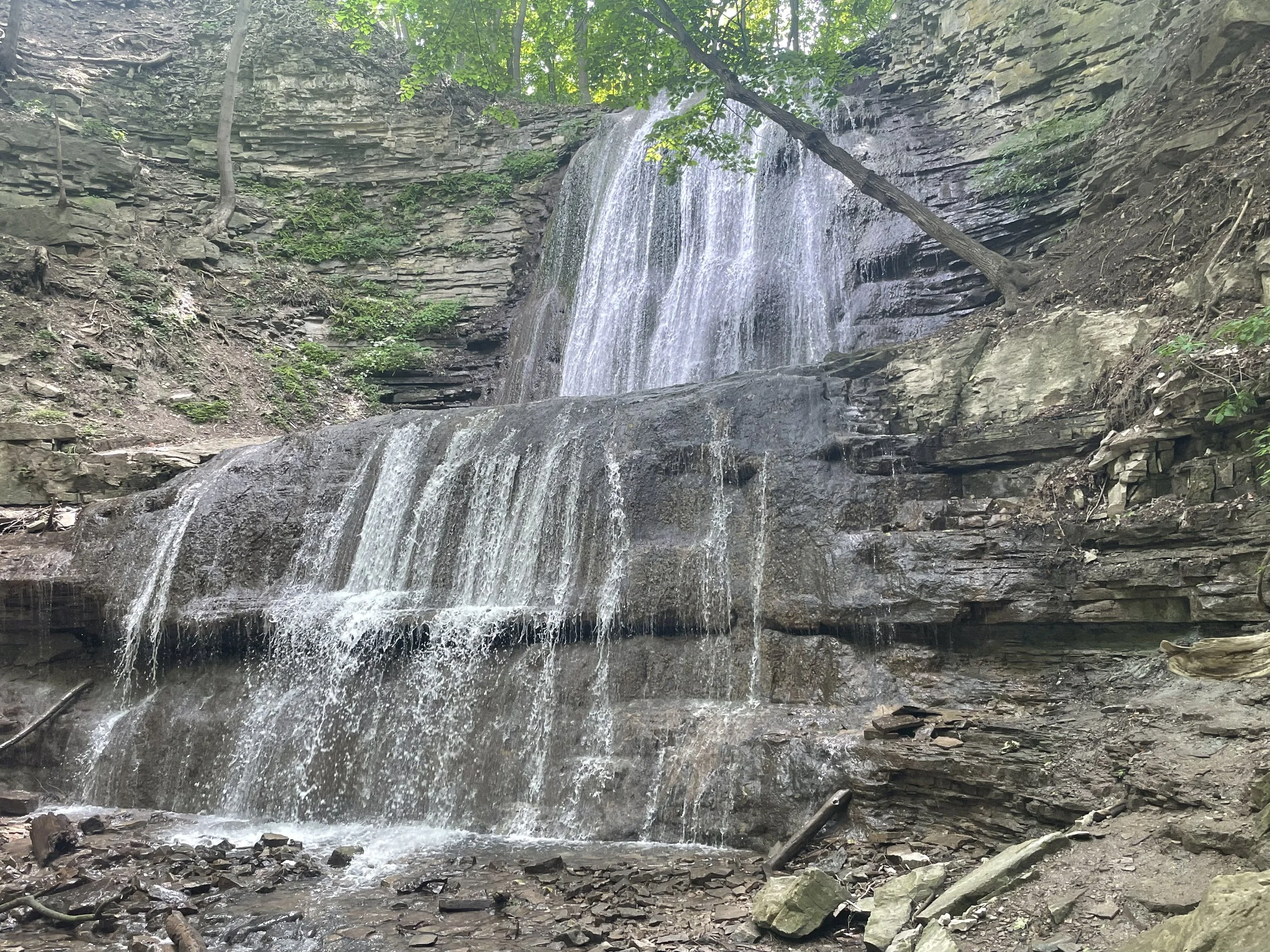
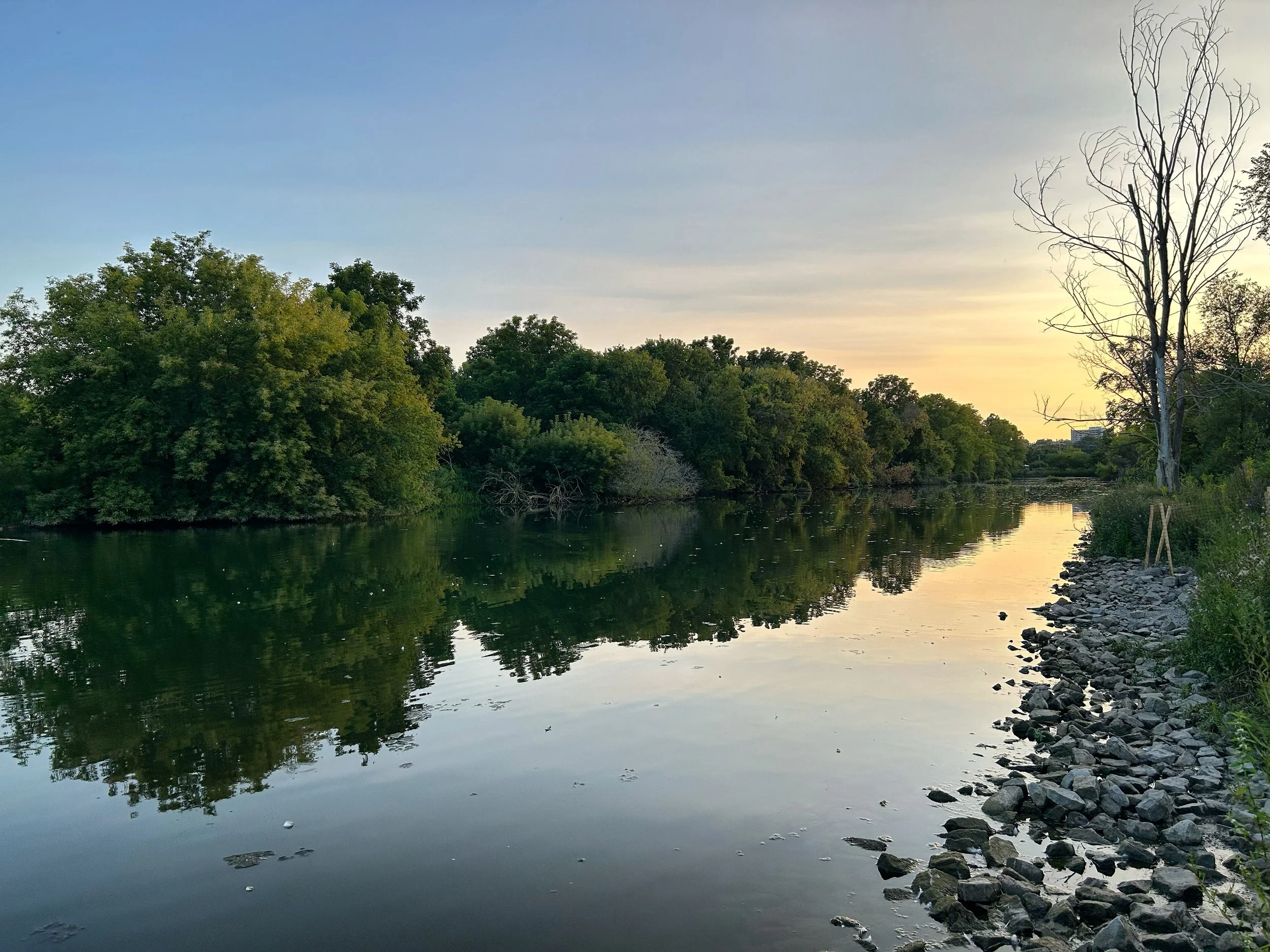
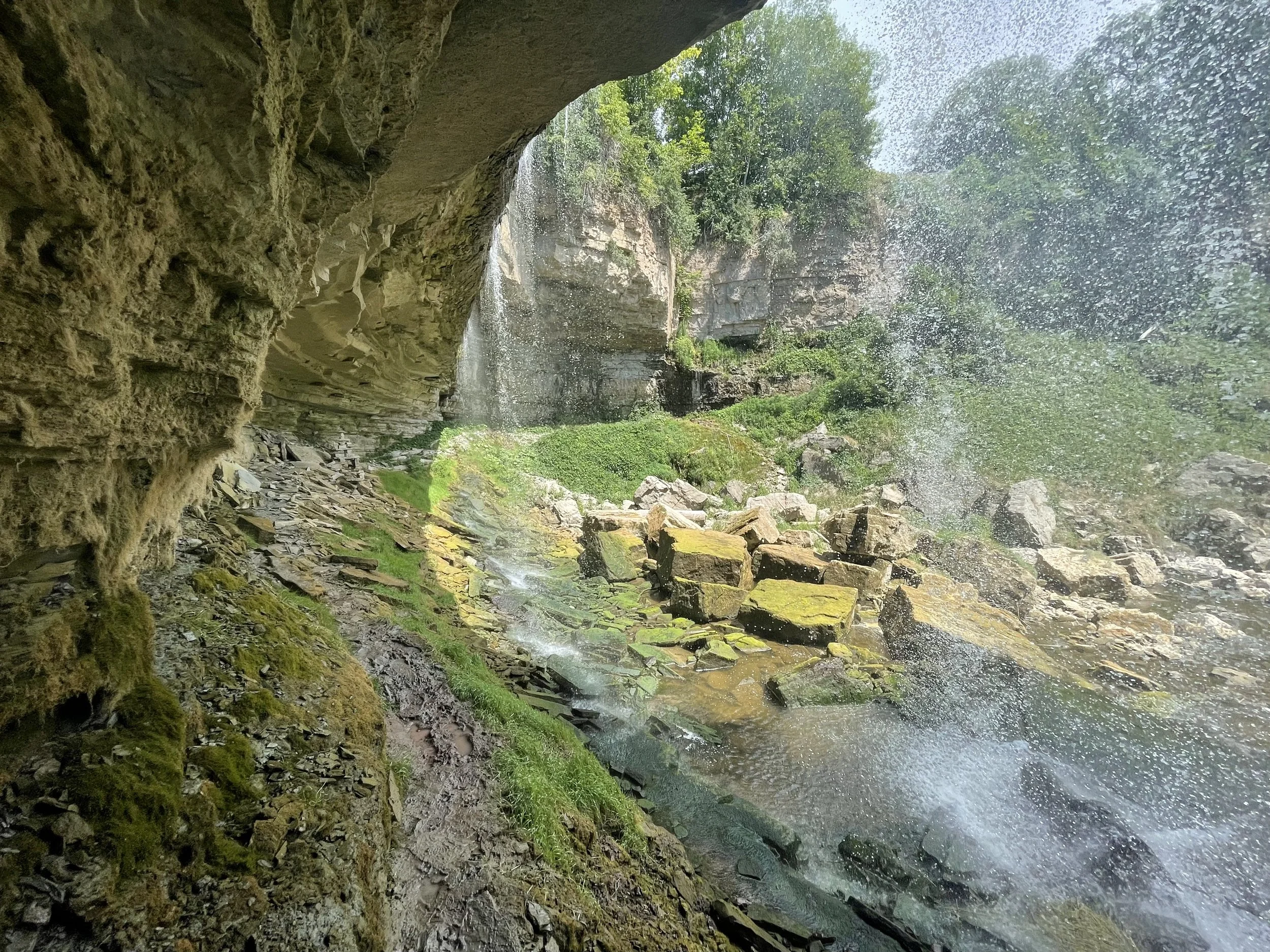
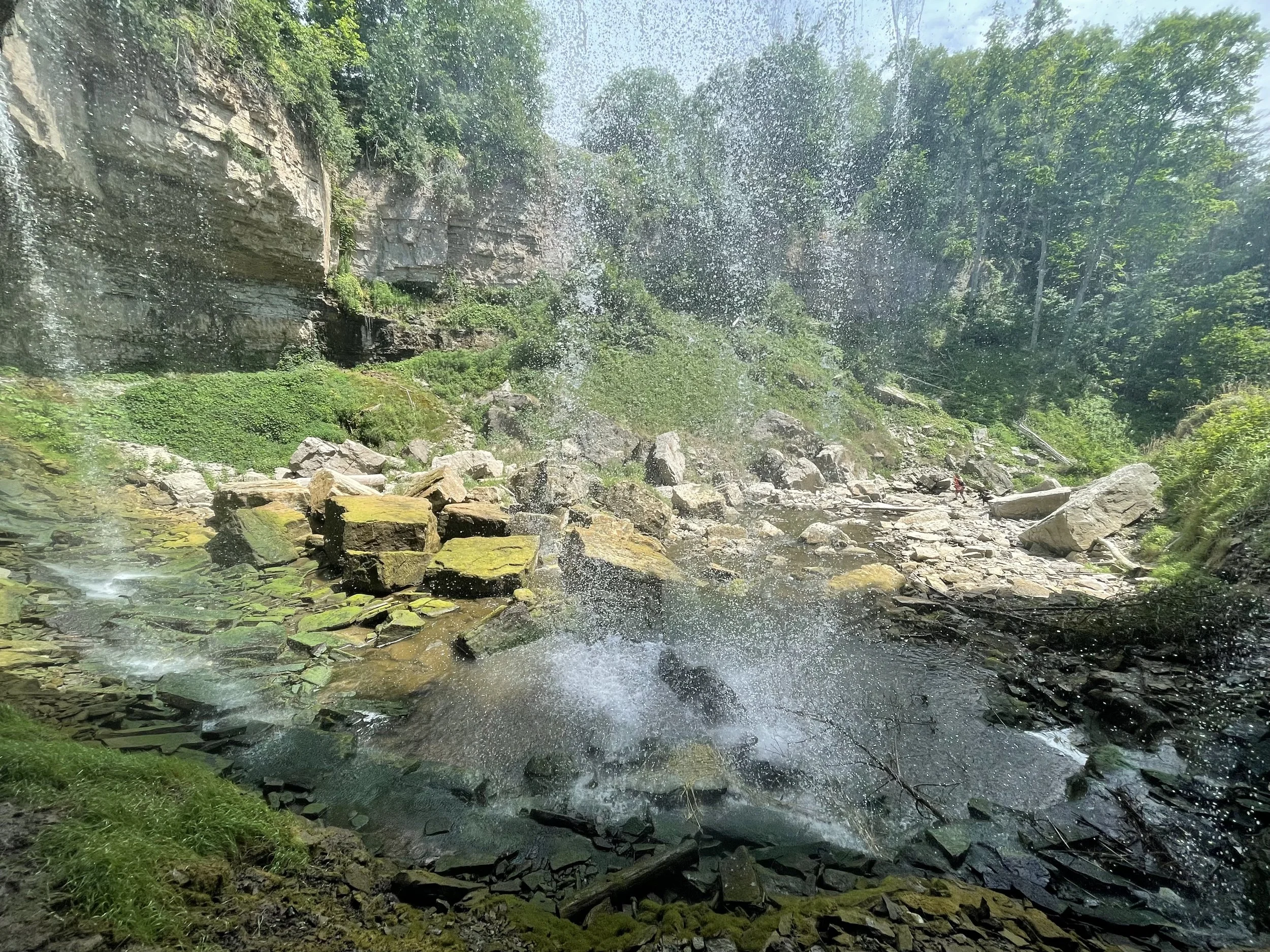
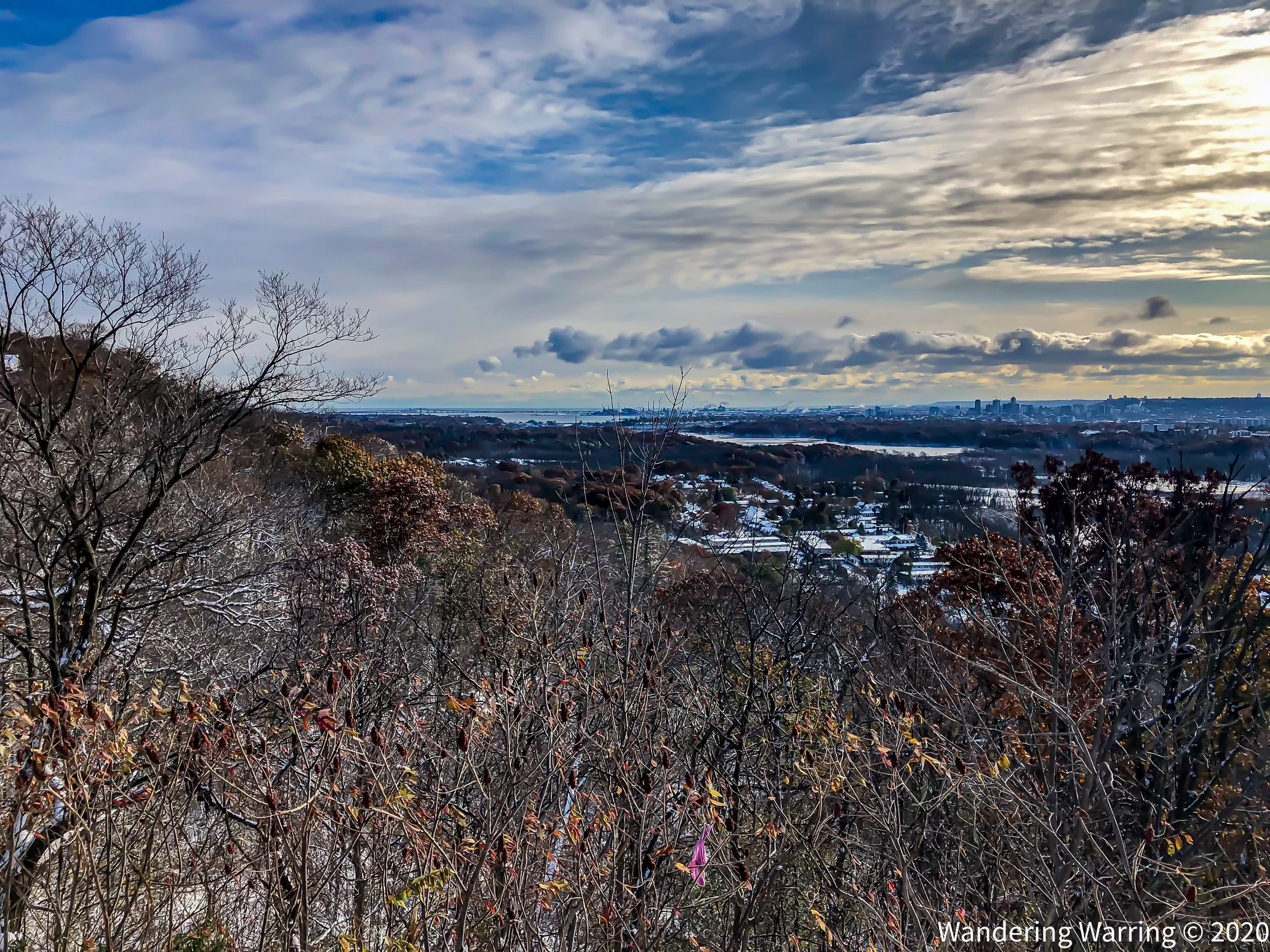
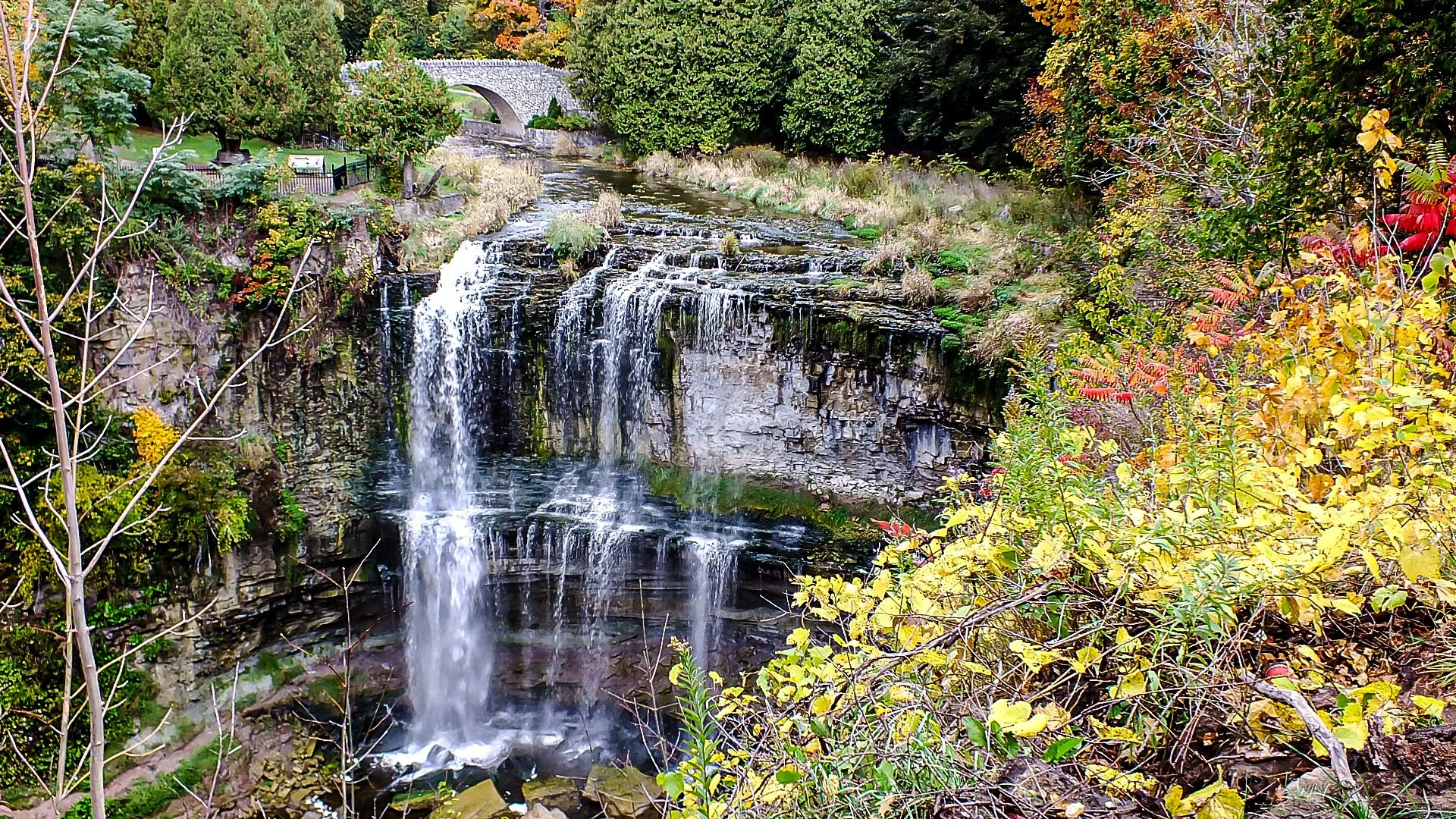
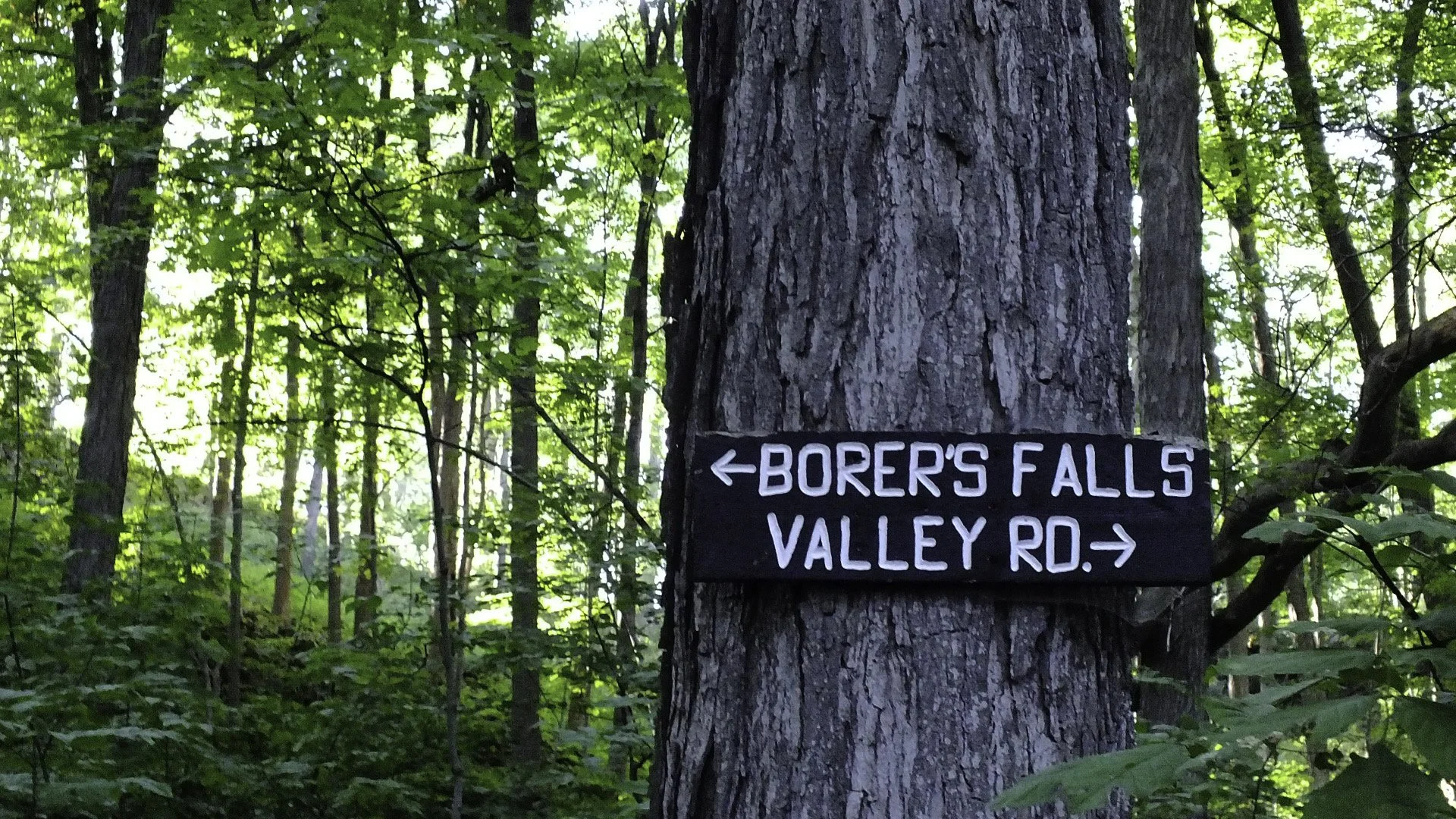
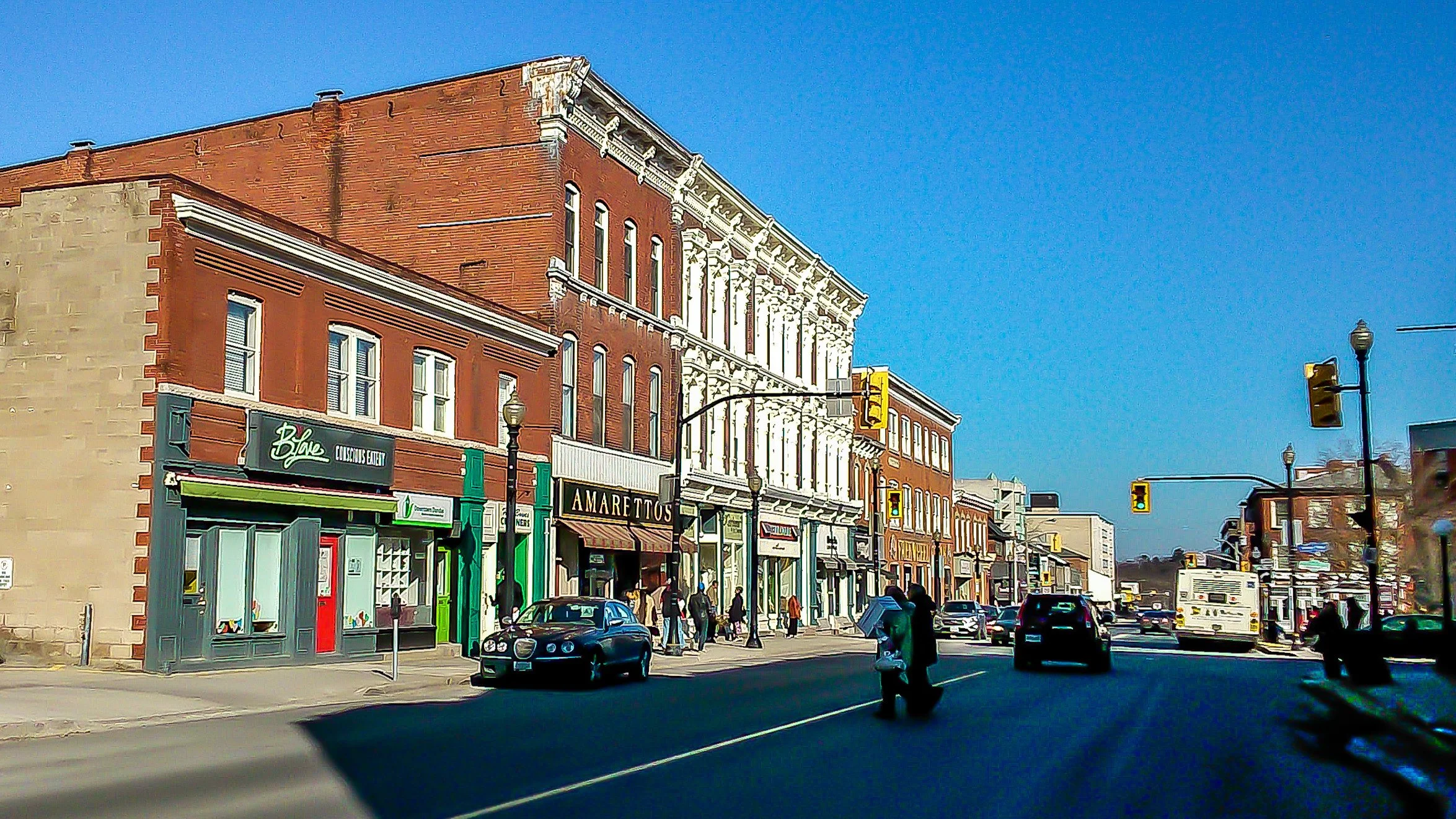
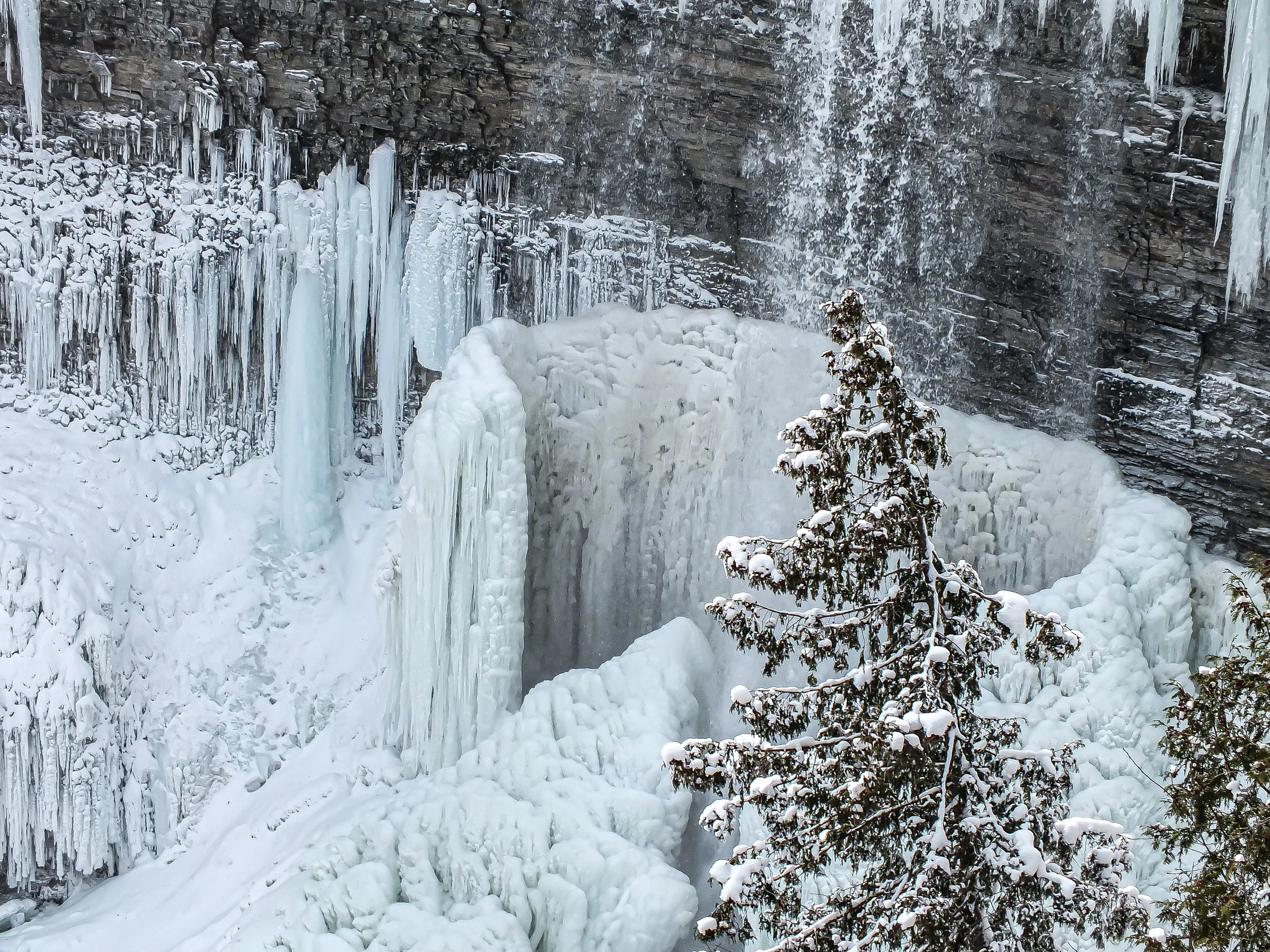
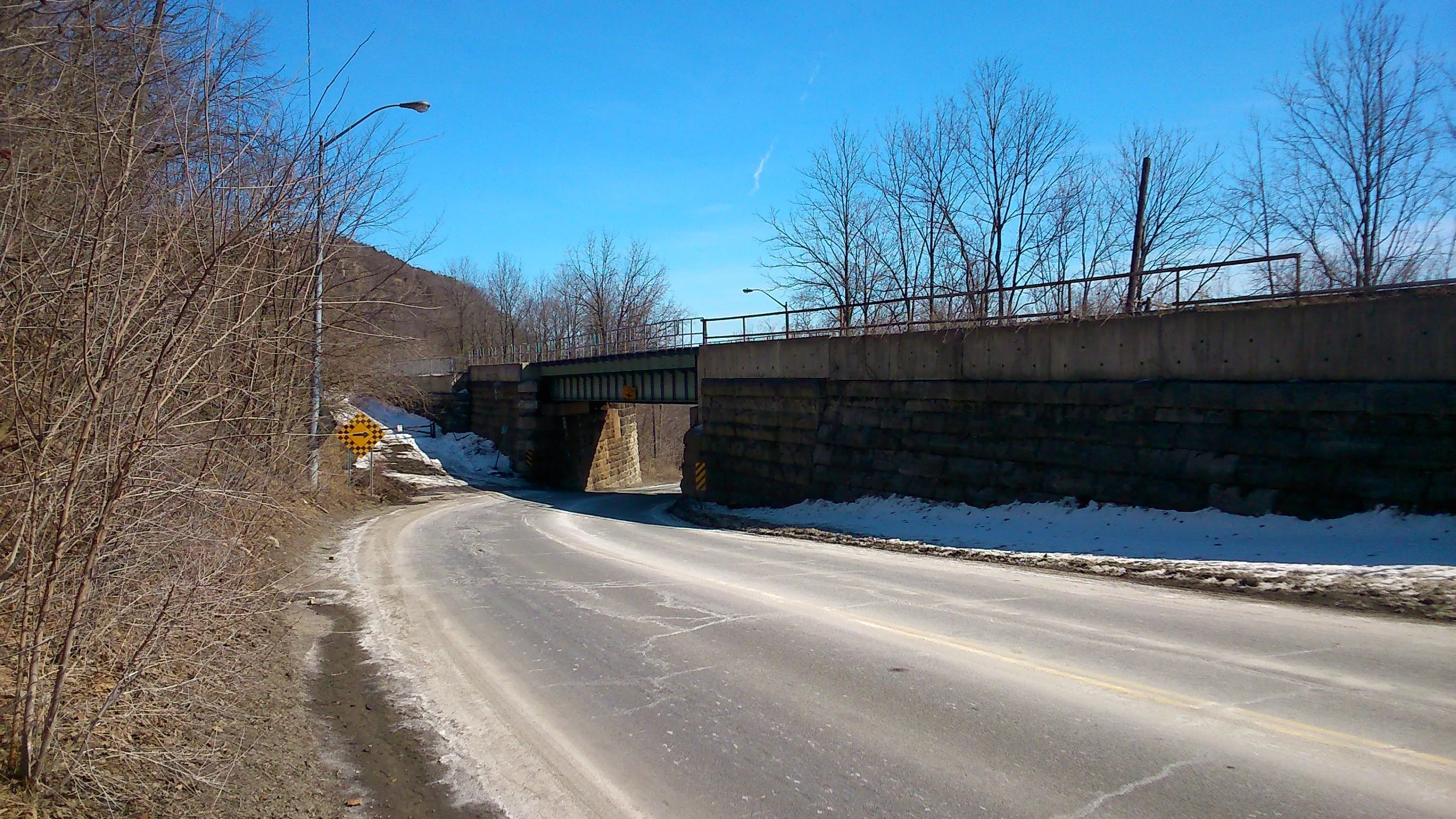
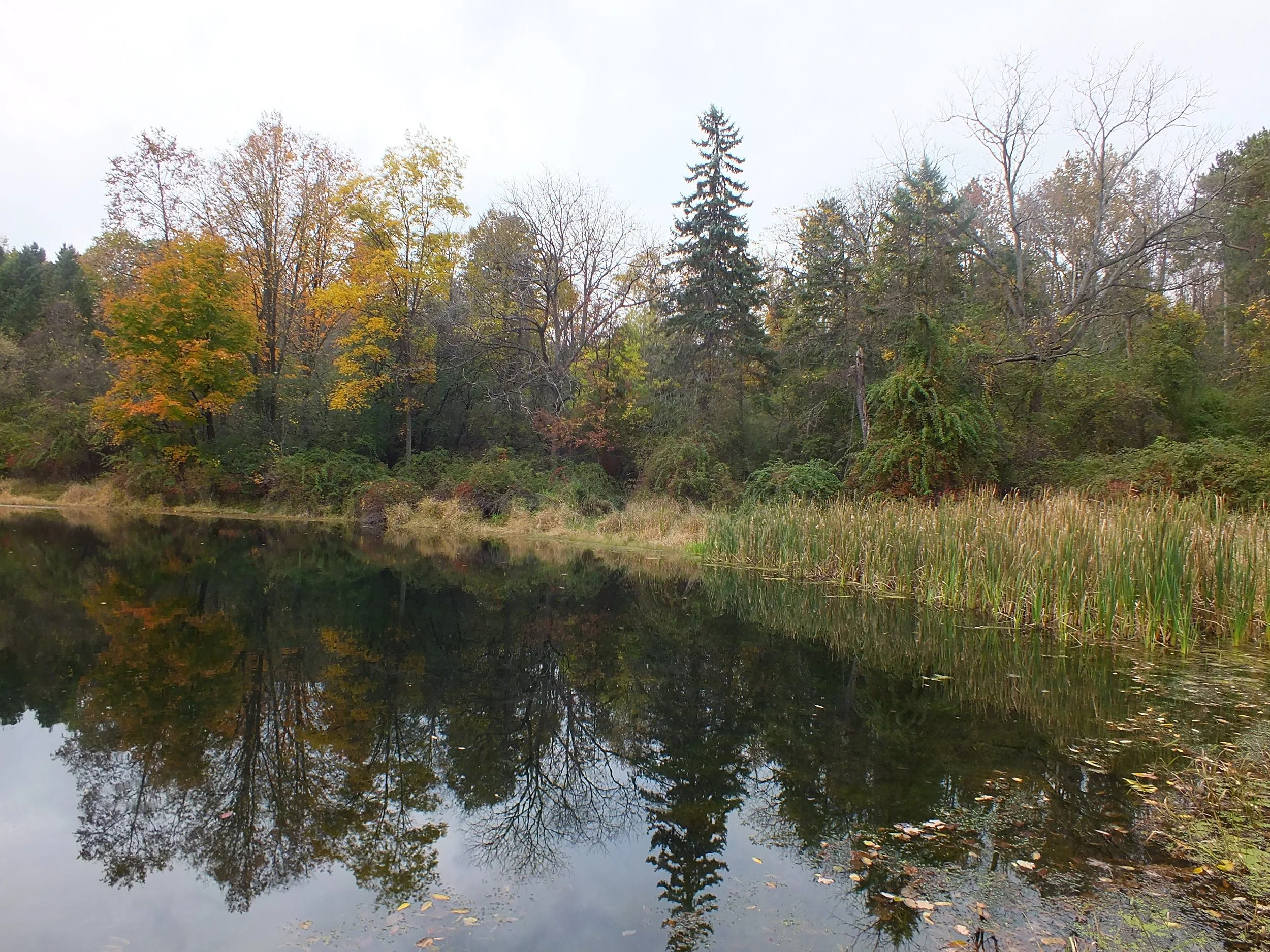
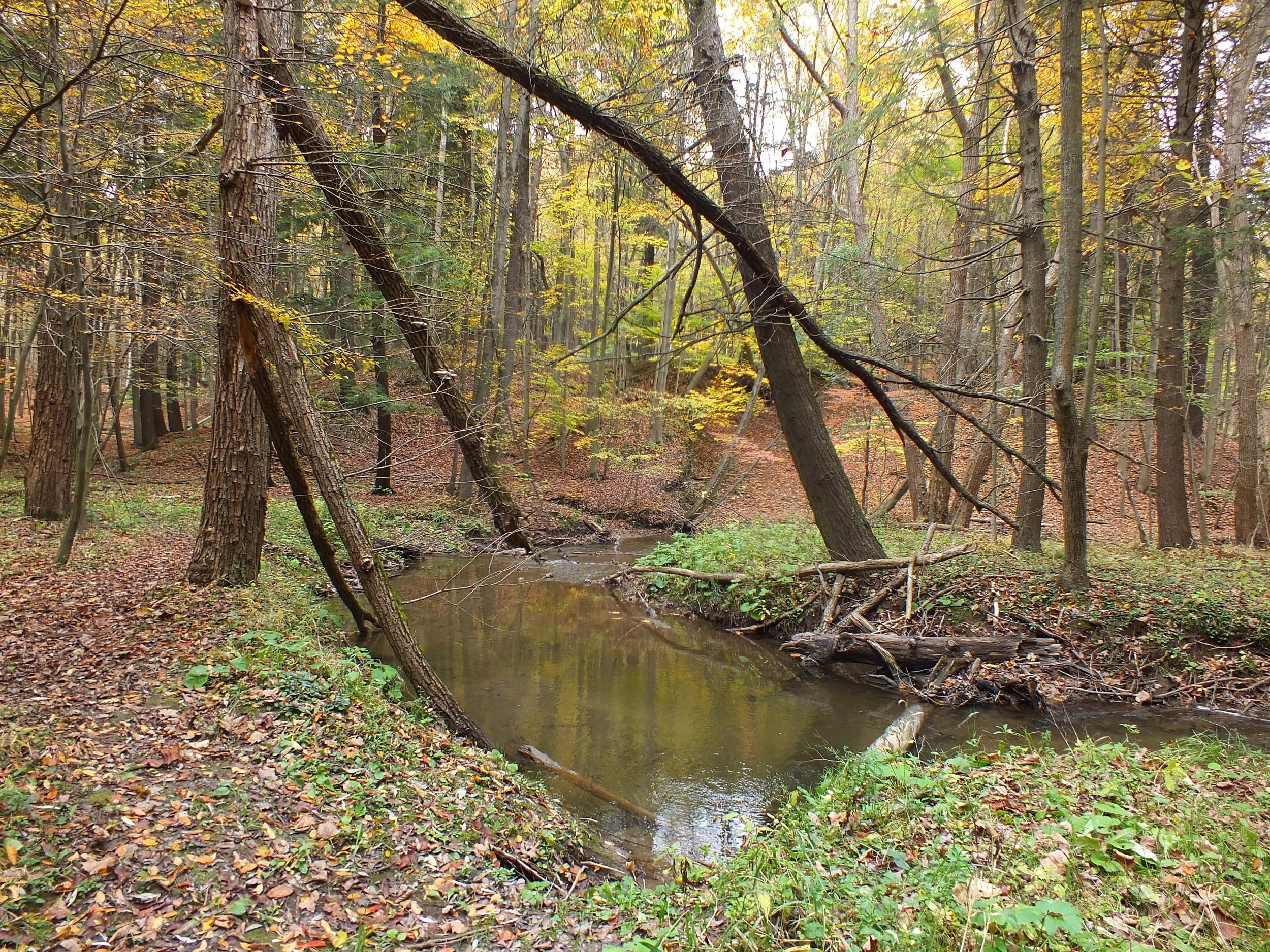
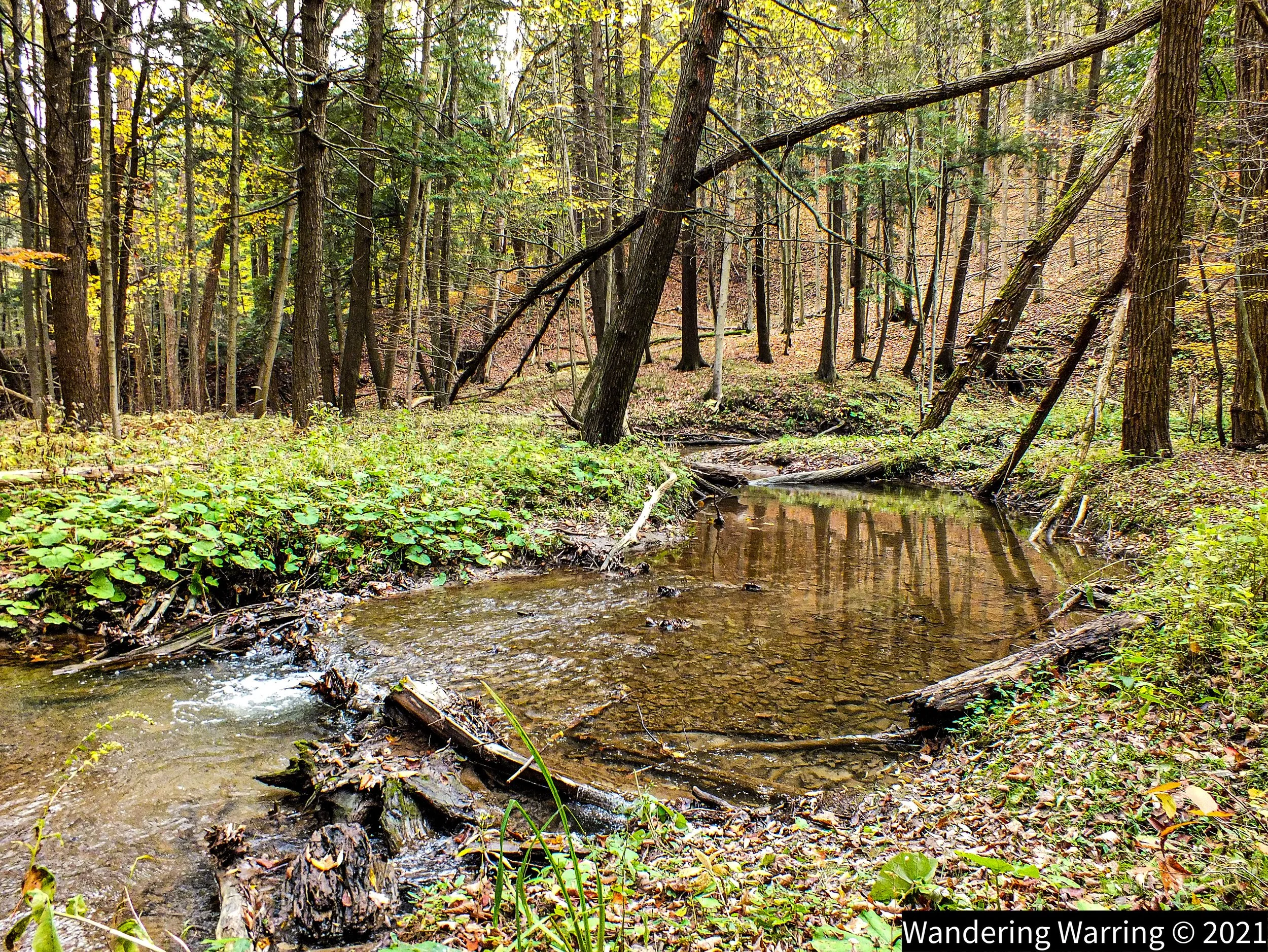
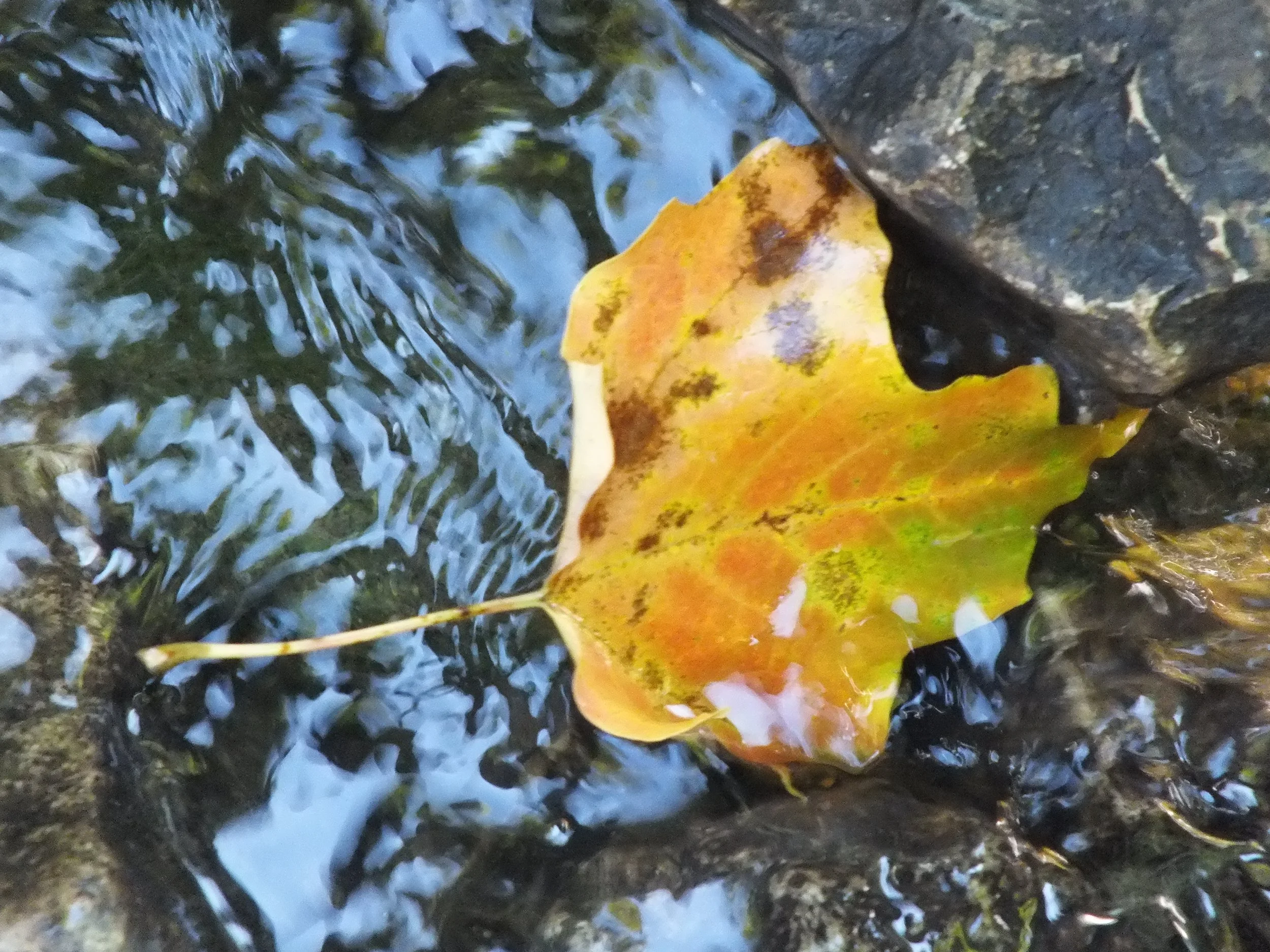
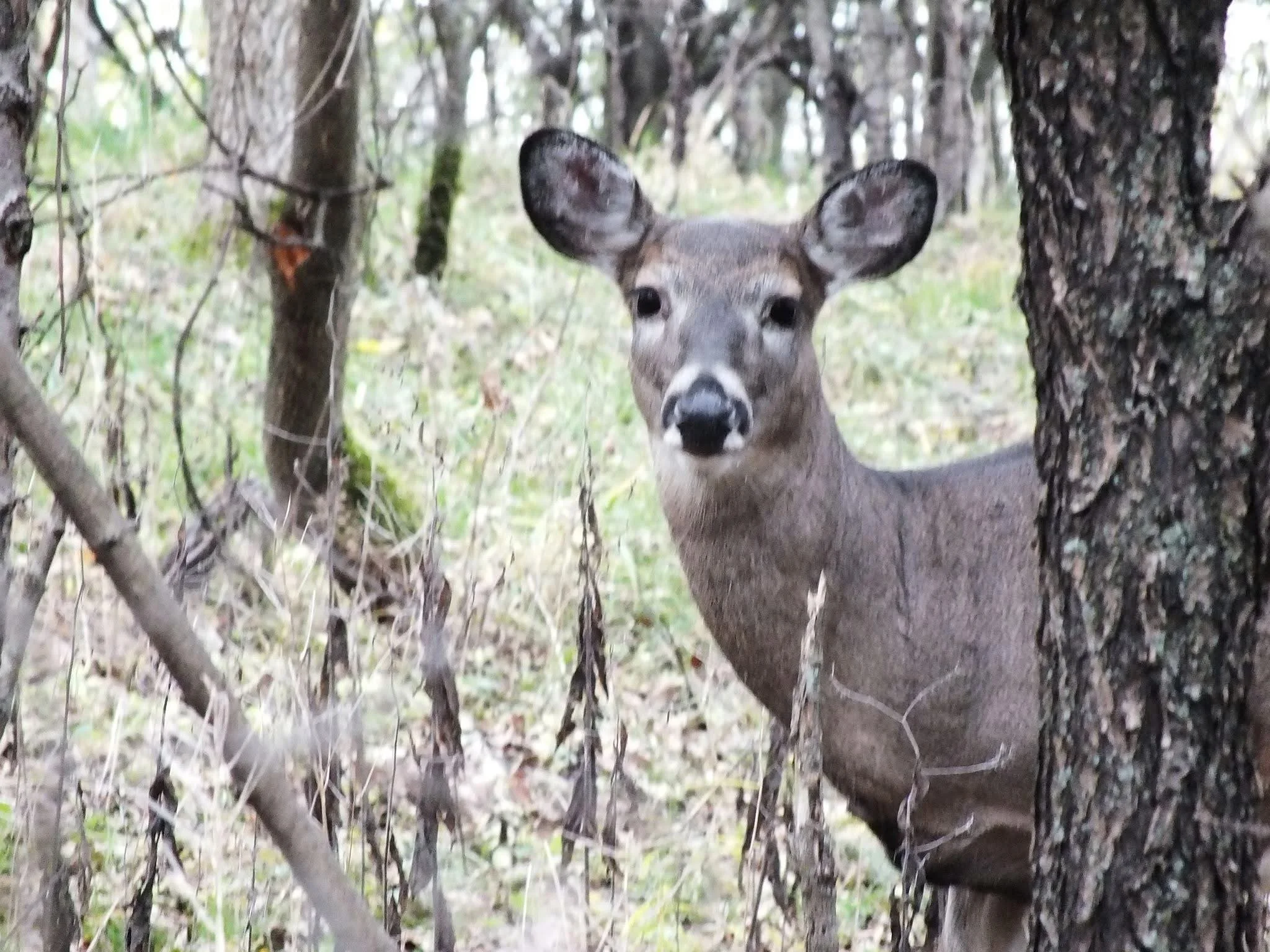
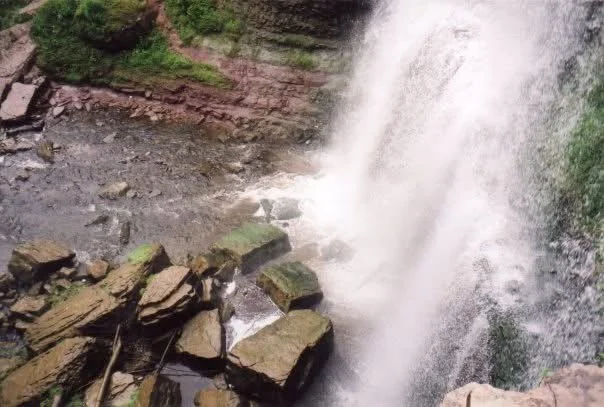
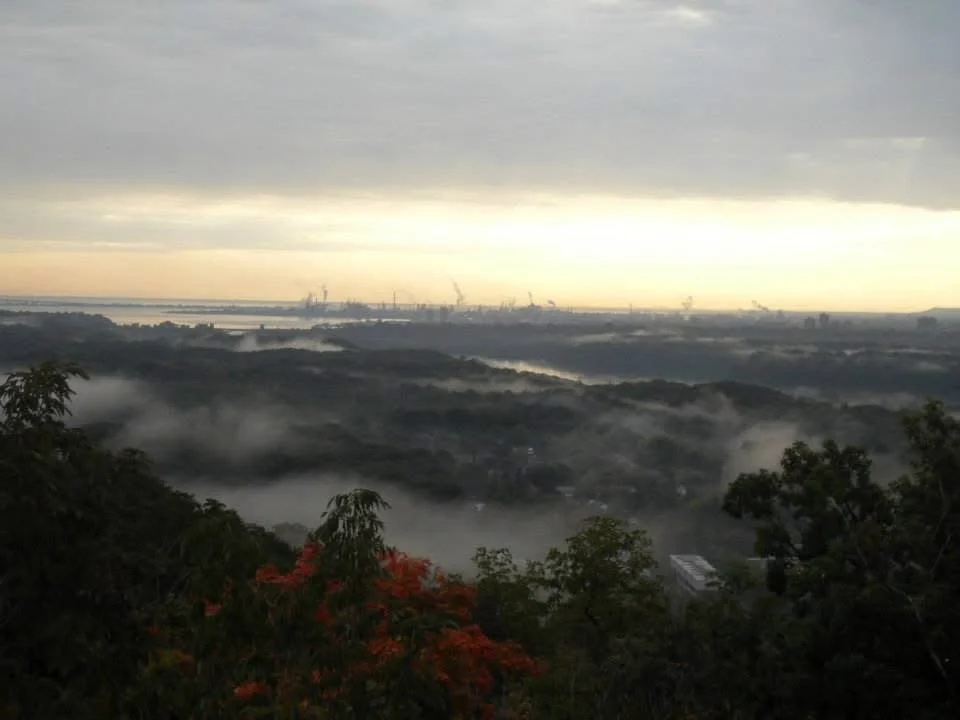
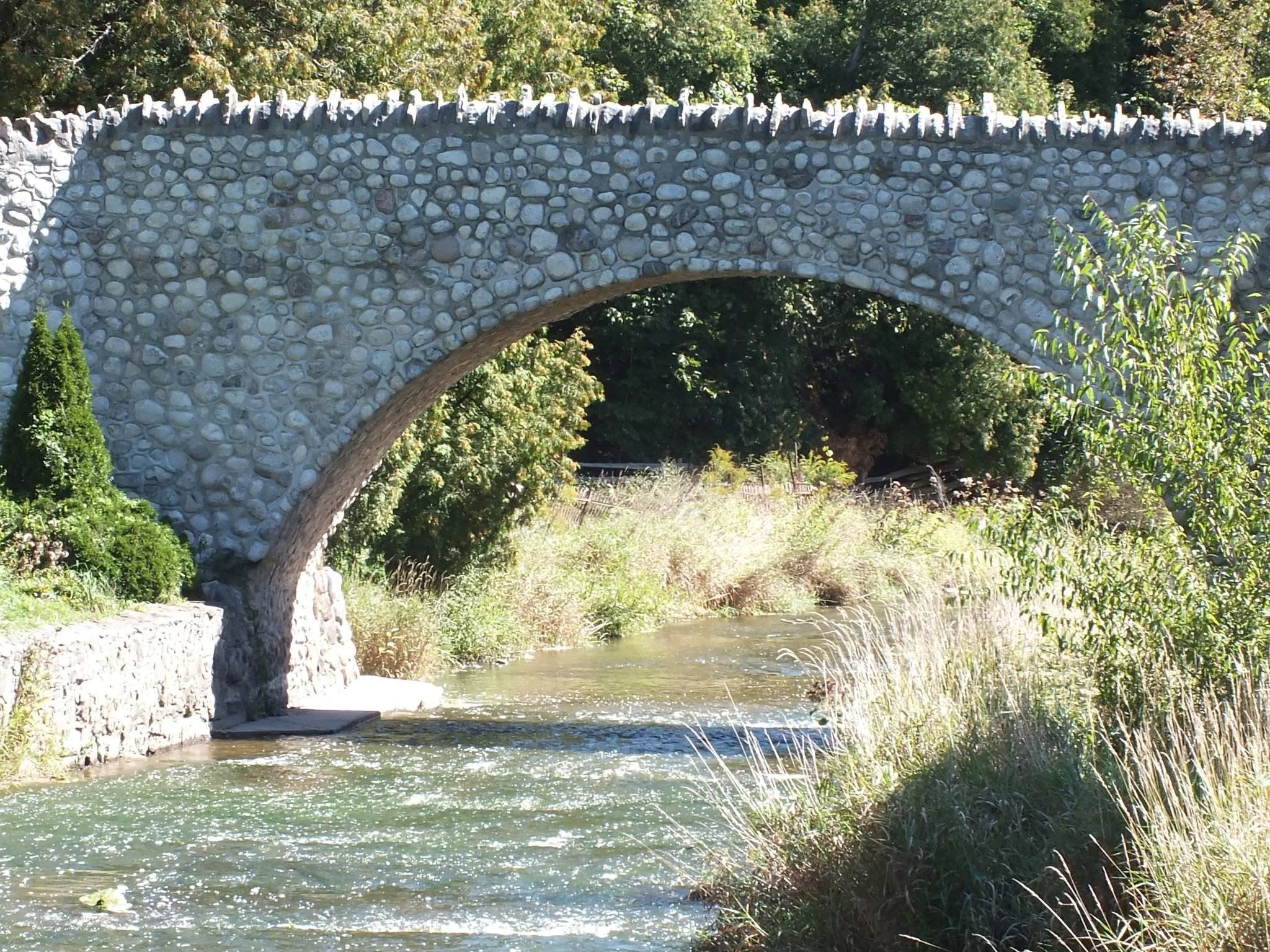
Dundas Valley, home sweet home.
I have to include my hometown of Dundas and the surrounding valley region on this list, not just because it’s home, but because it is one of Canada’s most underrated hidden gems.
The Dundas Valley sits at the western end of Lake Ontario, adjacent to the city of Hamilton. The valley was cut out by glaciers long receded, leaving a wonderful natural area in its wake.
Located along a southern portion of the Niagara Escarpment, the Bruce Trail cuts through the Dundas Valley, taking you through vibrant Carolinian forest, running streams and the serene Spencer Creek.
If you want stunning views of the valley, the hike to Dundas Peak is what you’re looking for, giving views of the valley that sweep across from the city of Hamilton, spanning the breadth of the valley and melting in the distance to the west.
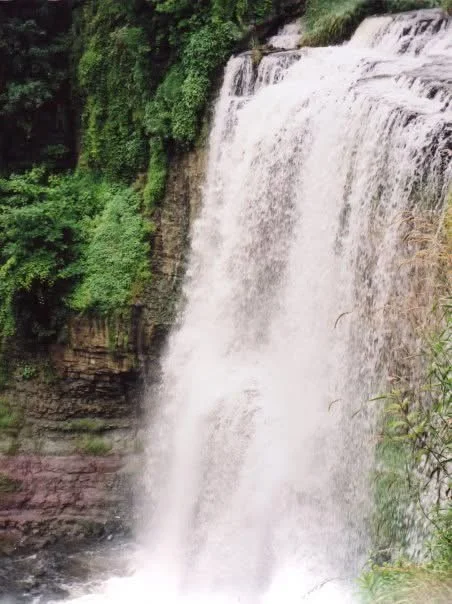
Along the ridge of the valley, you will find many waterfalls, including Webster’s Falls, with it’s iconic stone bridge crossing over Spencer Creek before it plunges 22 metres over the cliffside, pouring into the valley below. Nearby Tews Falls is even more magnificent at 40 metres tall!
Below the falls, Spencer Creek runs right through the heart of the town of Dundas, offering a peaceful retreat to residents of this charming little town. If you’re lucky, you may see a beaver swimming by or working away at his craft. (Beavers have recently returned to the area after being hunted to extinction in the area over 150 years ago!)
In the springtime the creek is raging from the snow melt. In the fall, you can see Chinook Salmon swimming upstream from Cootes’ Paradise at the western end of Lake Ontario to spawn in the creek!
The region is rich in Canadian history. The town of Dundas and nearby village of Ancaster have been home to European explorers for over 200 years. While the town and village are filled with cute shops, old buildings and trendy places to eat and drink, the real history can be found in the old stone ruins that are scattered throughout the region. Many of them are hiding in the woods, including several mills as well as the remains of The Hermitage, a notoriously haunted stone manor in the middle of the forested valley.
The region is also home to abundant wildlife, many who find homes in the shelter of protected natural habitats in the Dundas Valley Conservation Area and the nearby Royal Botanical Gardens . Along with the beavers in the creek, coyotes, deer, raccoons, squirrels, skunks, possums and a wide variety of birds including the always stunning Red Tailed Hawk. If you’re lucky you may even catch a glimpse of a bald eagle.
If you find yourself travelling through Southern Ontario, or if you need a break from the hectic life of downtown Toronto, then make sure to take some time to breathe in the serenity and natural charm of the Dundas Valley.
8.Vancouver Island, British Columbia
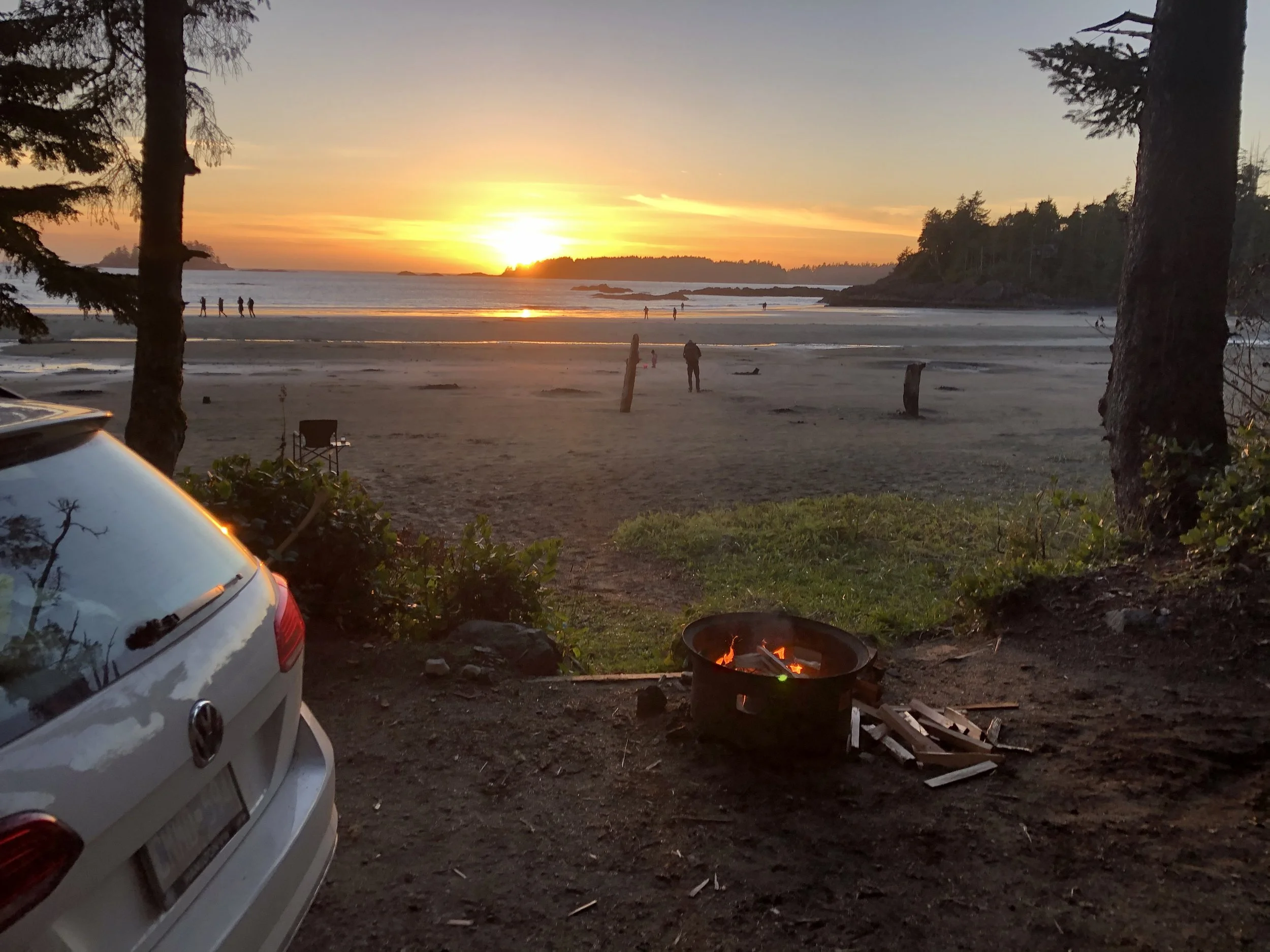
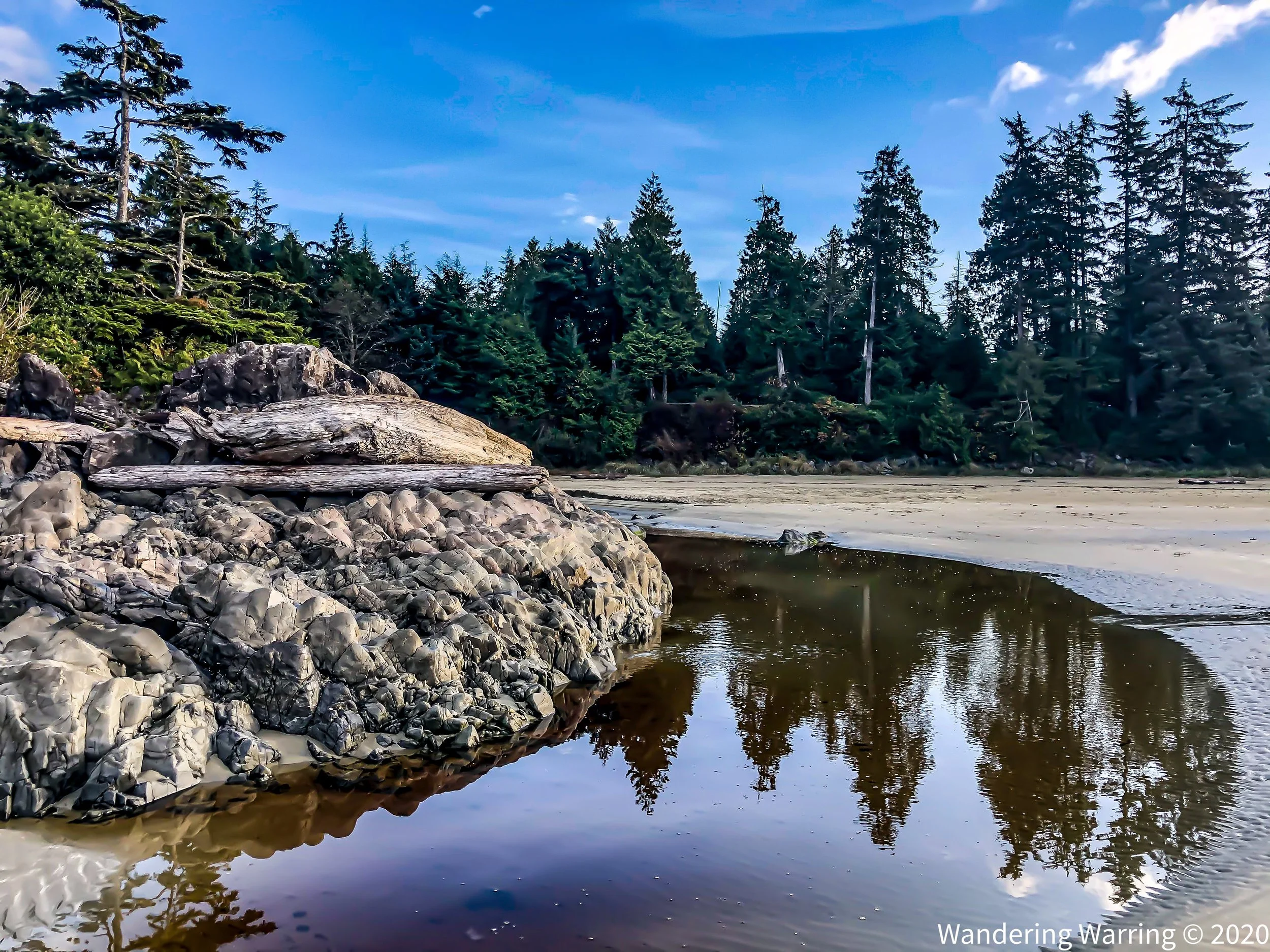
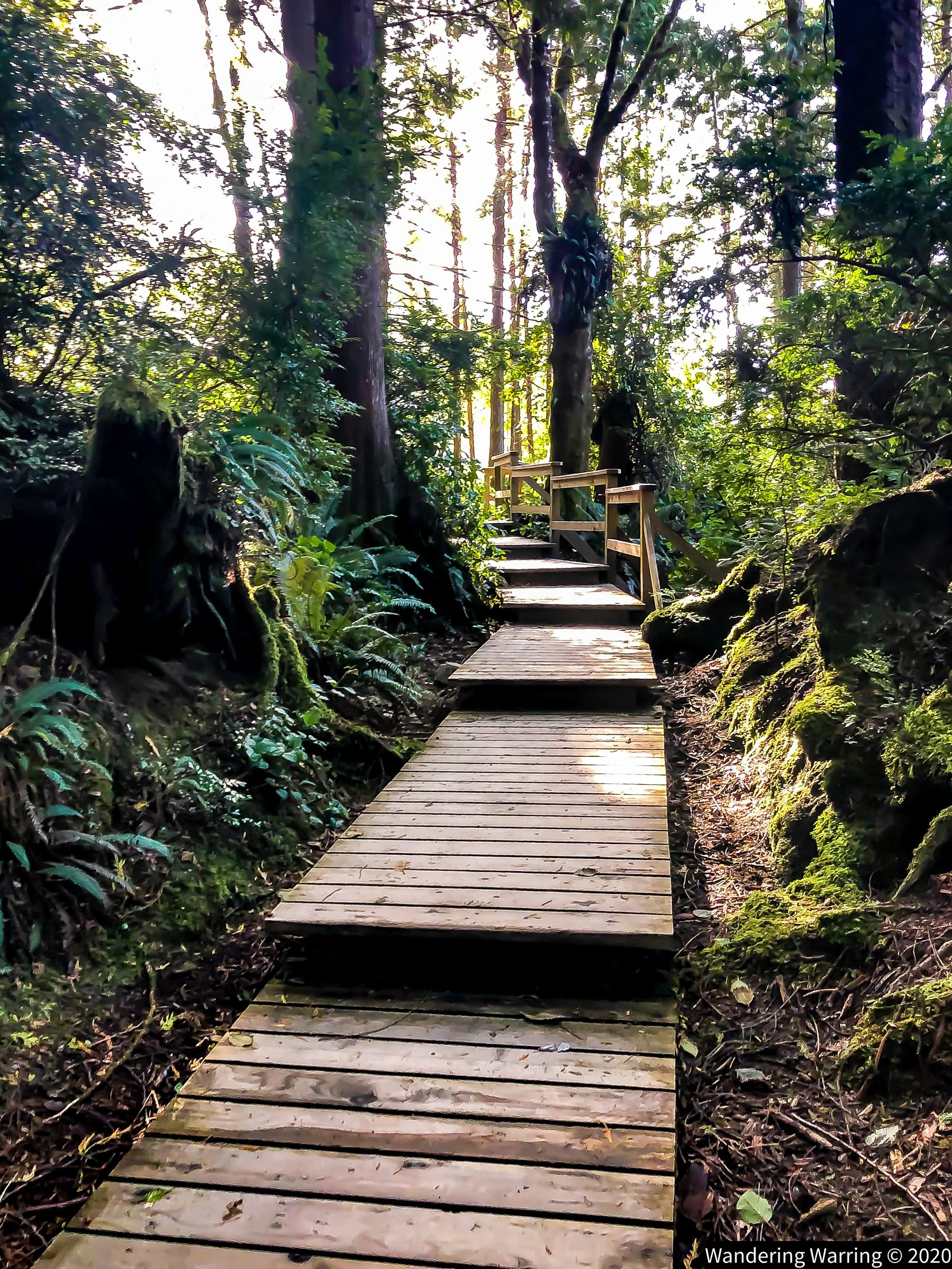
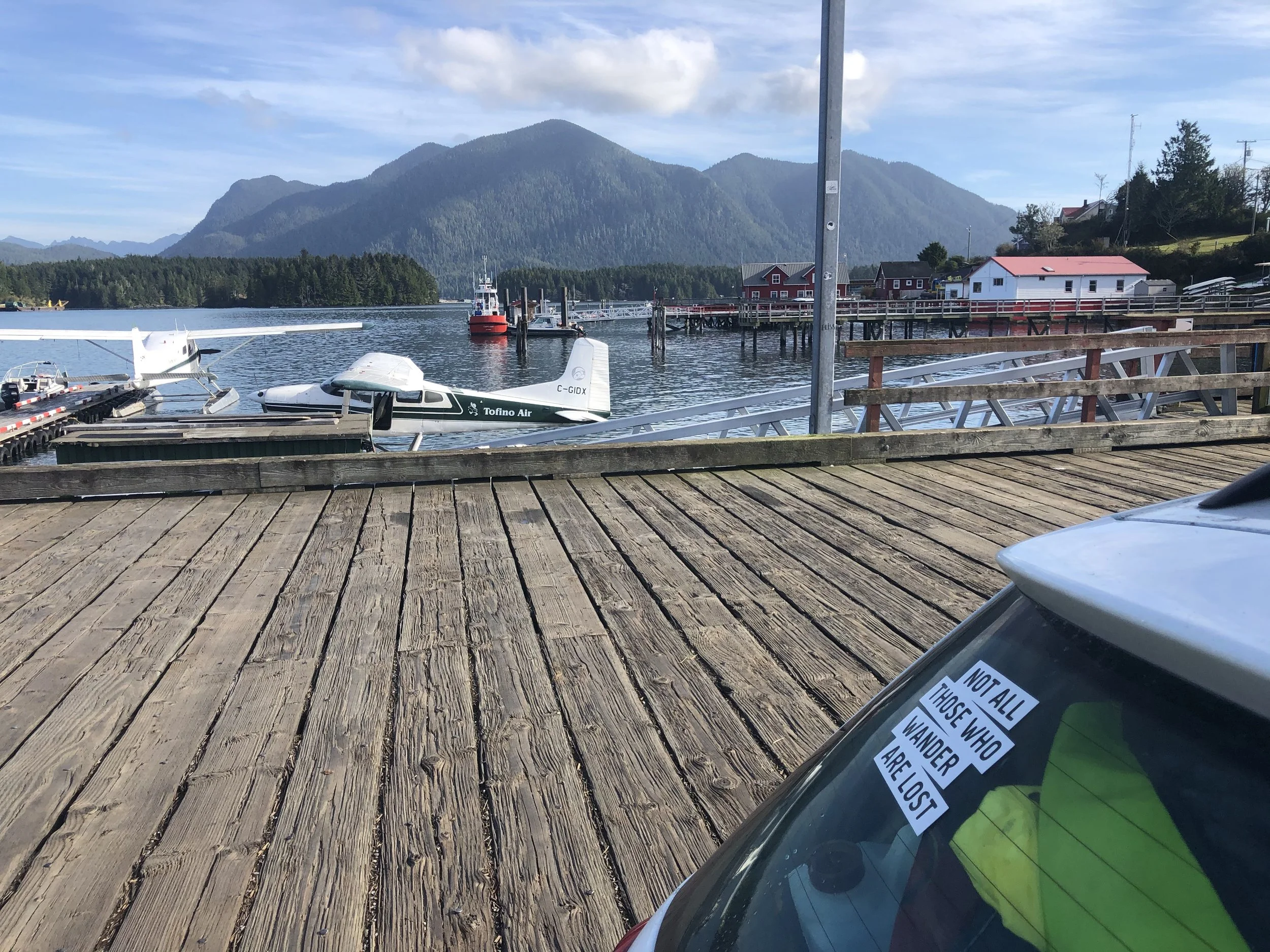
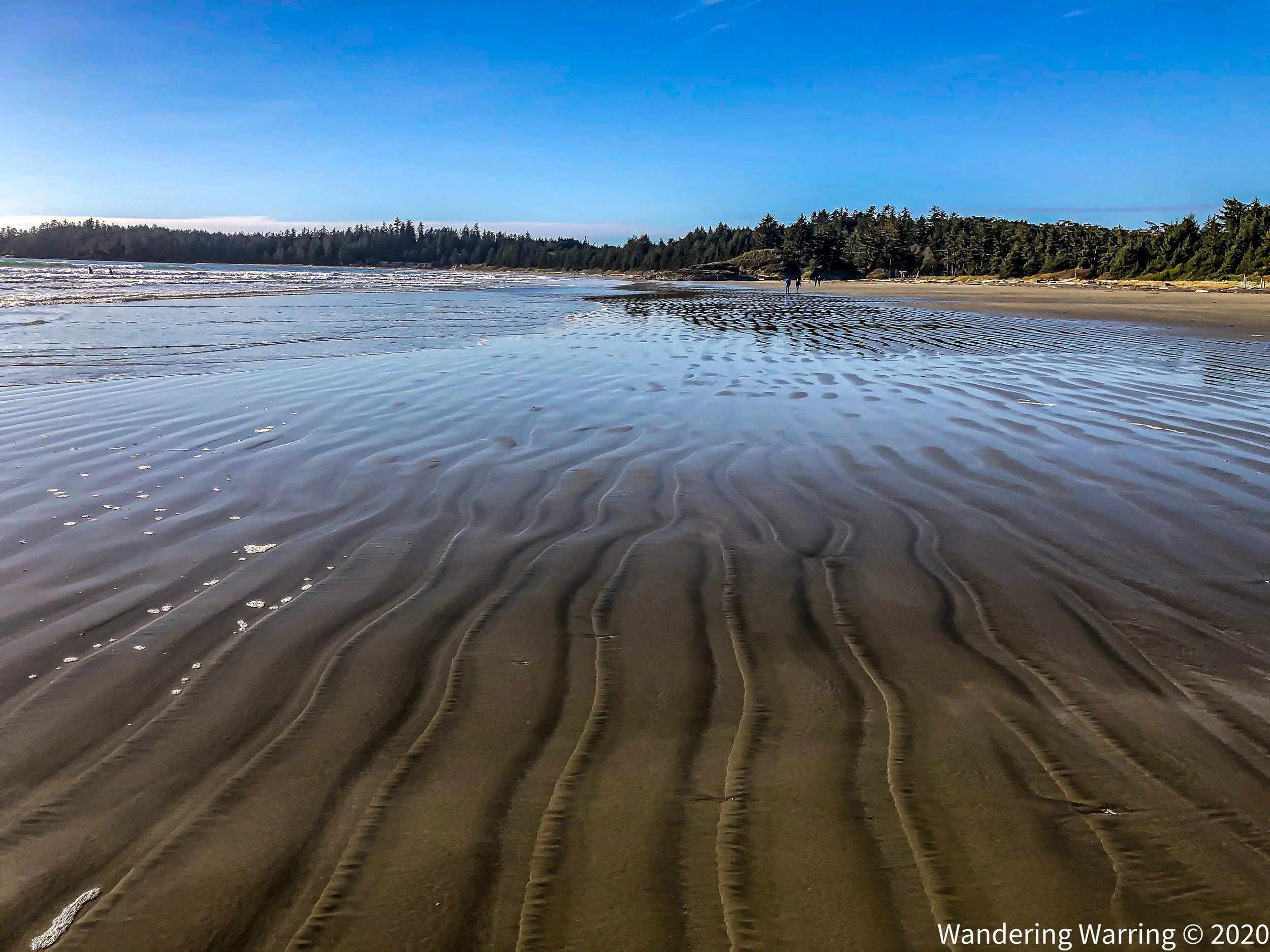
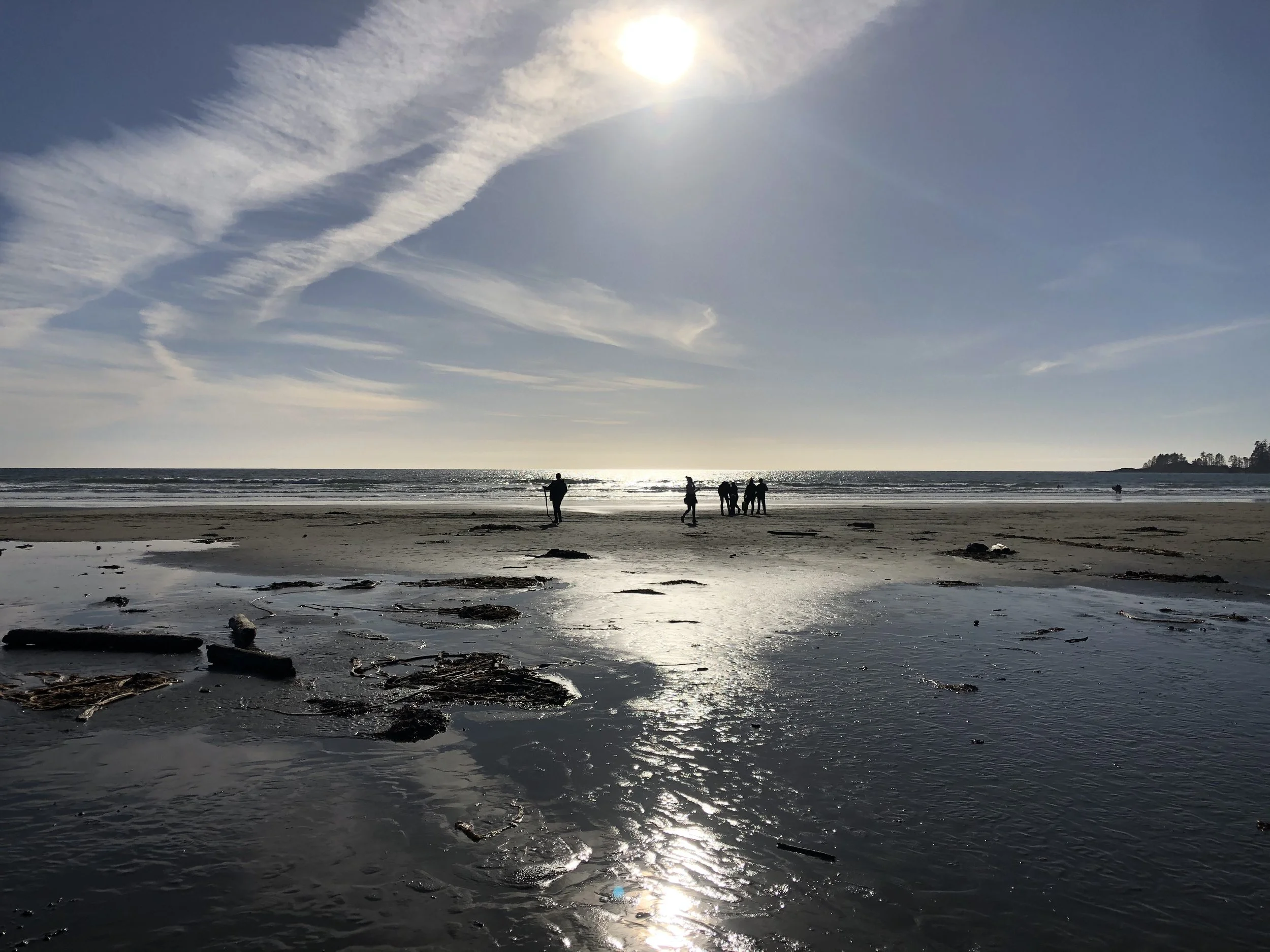
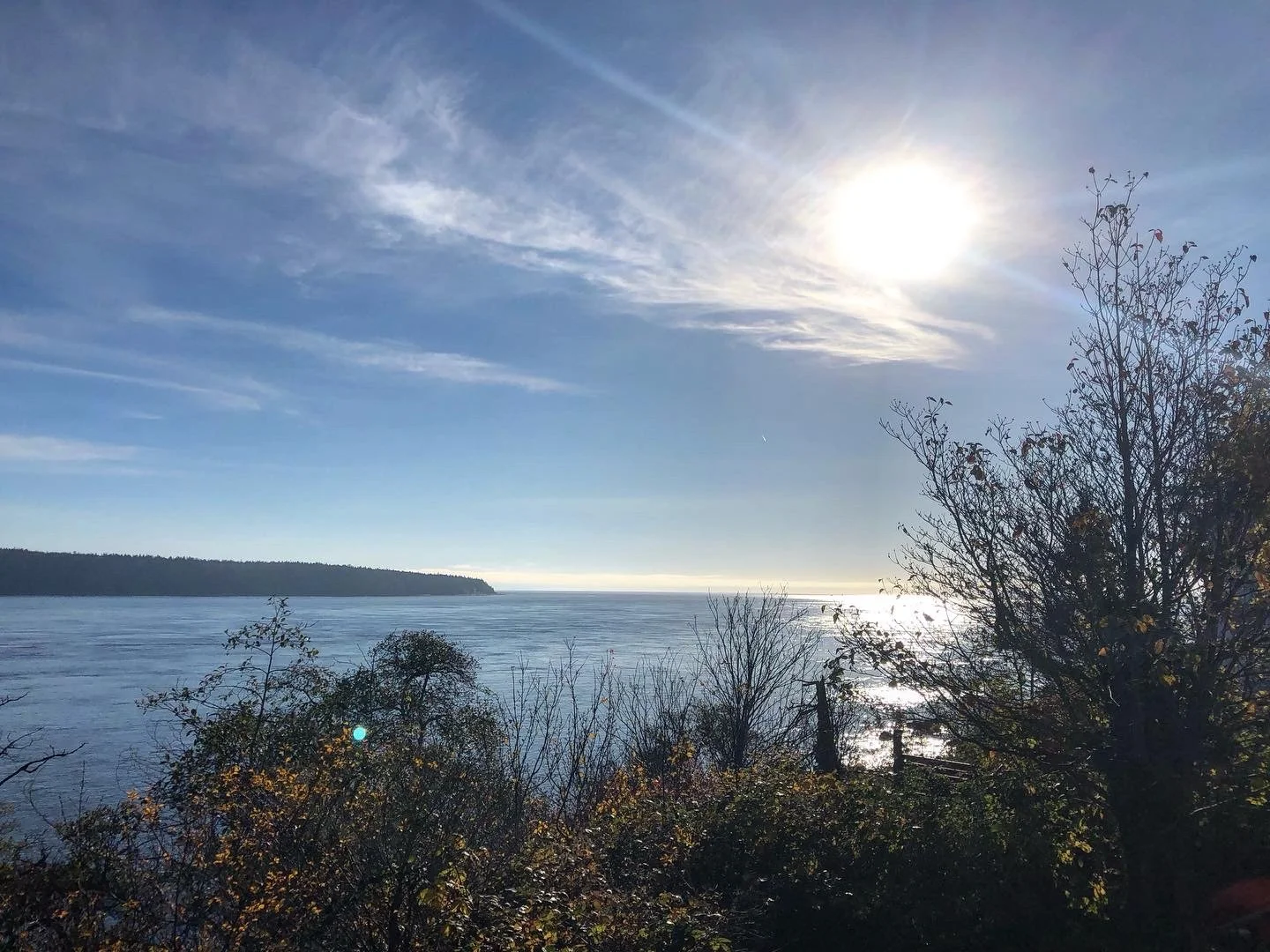
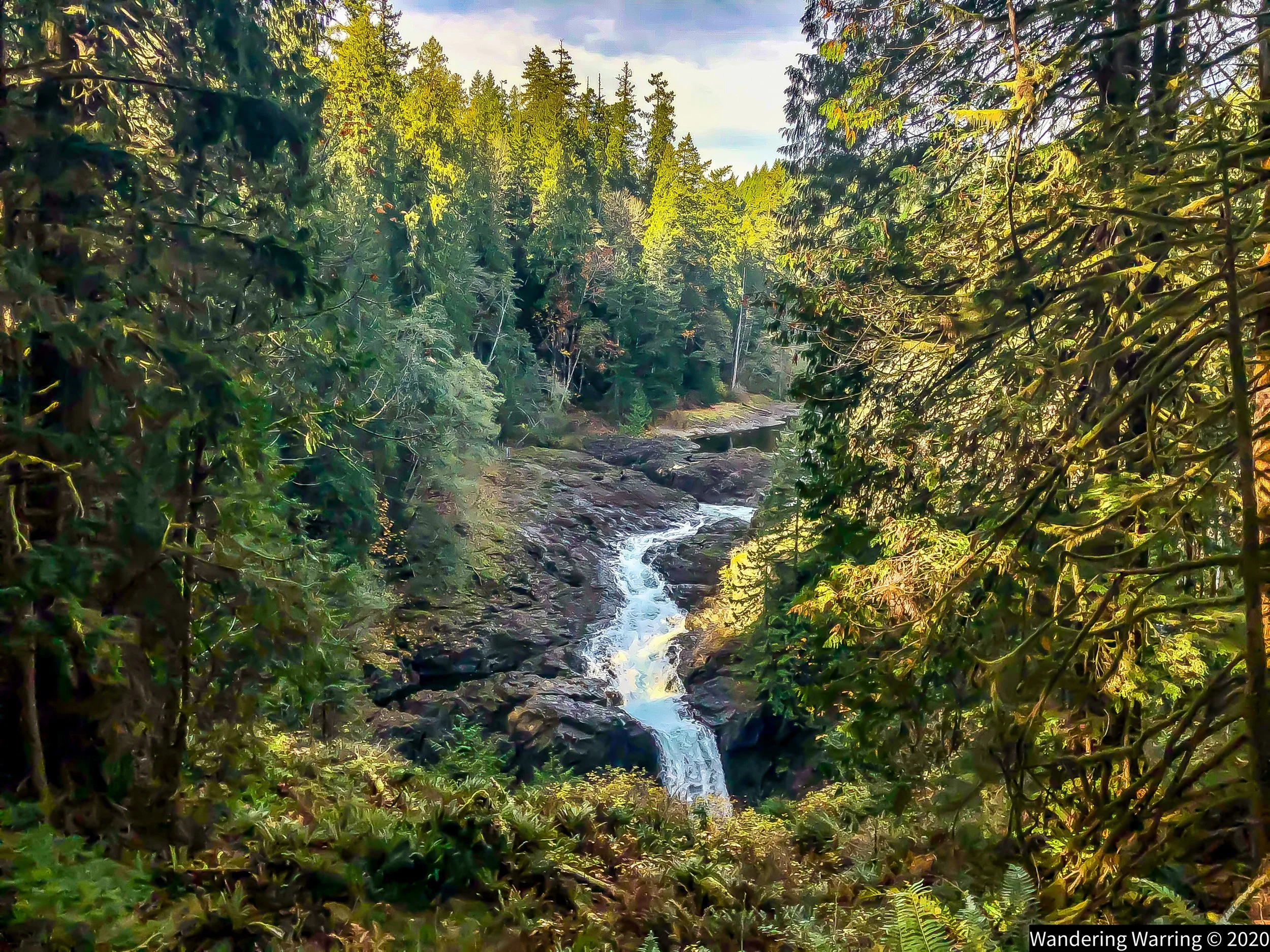
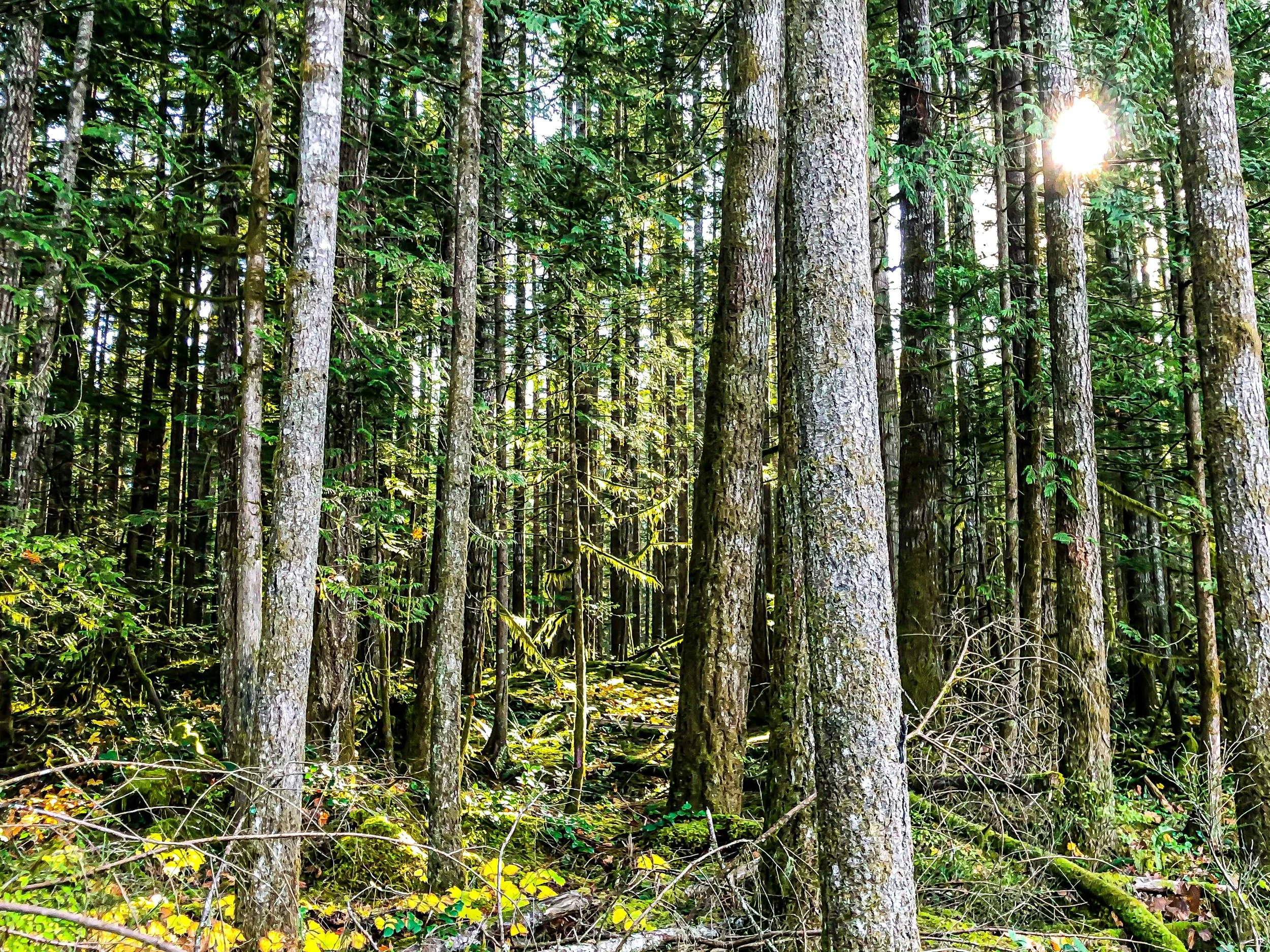
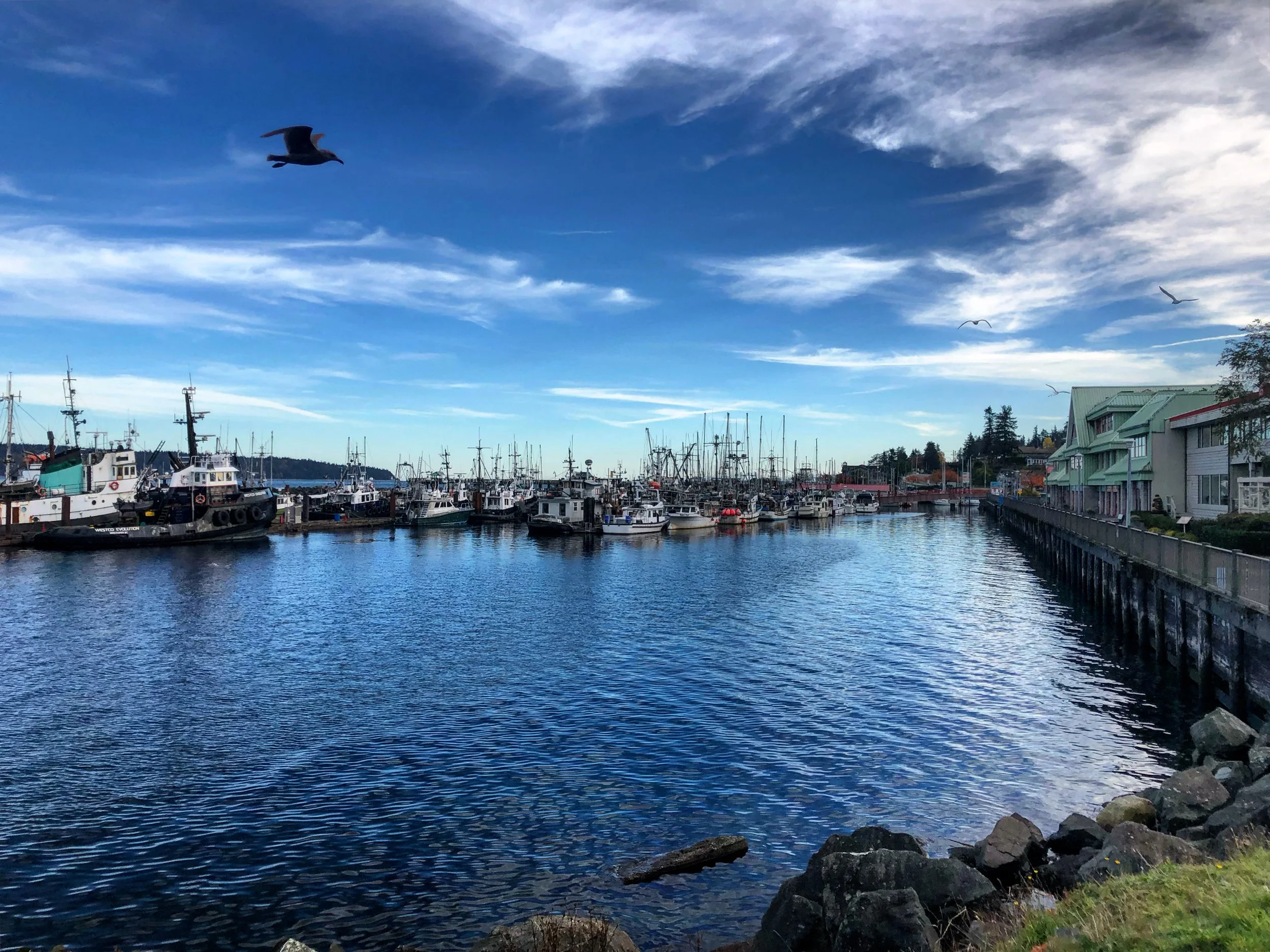
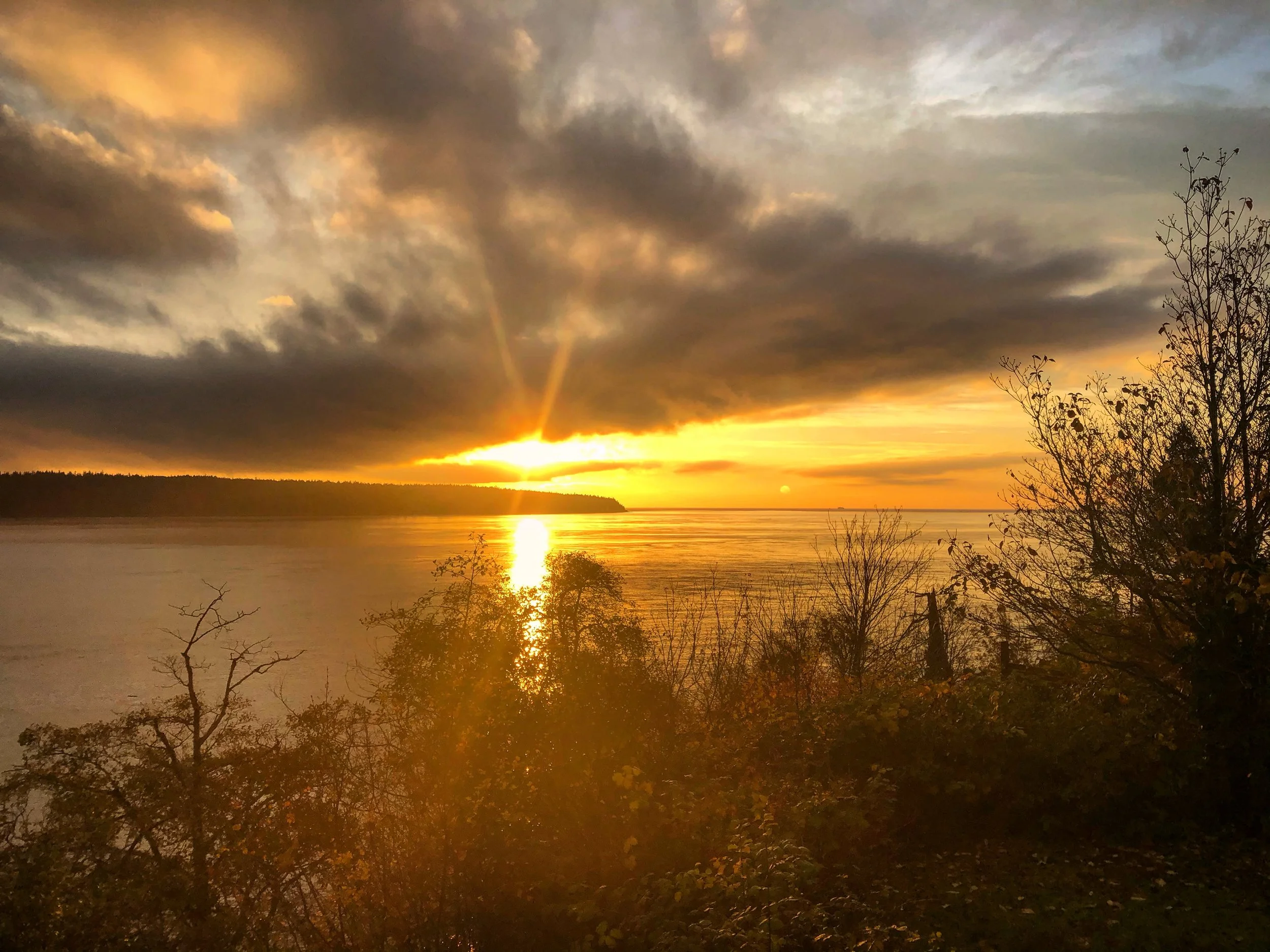
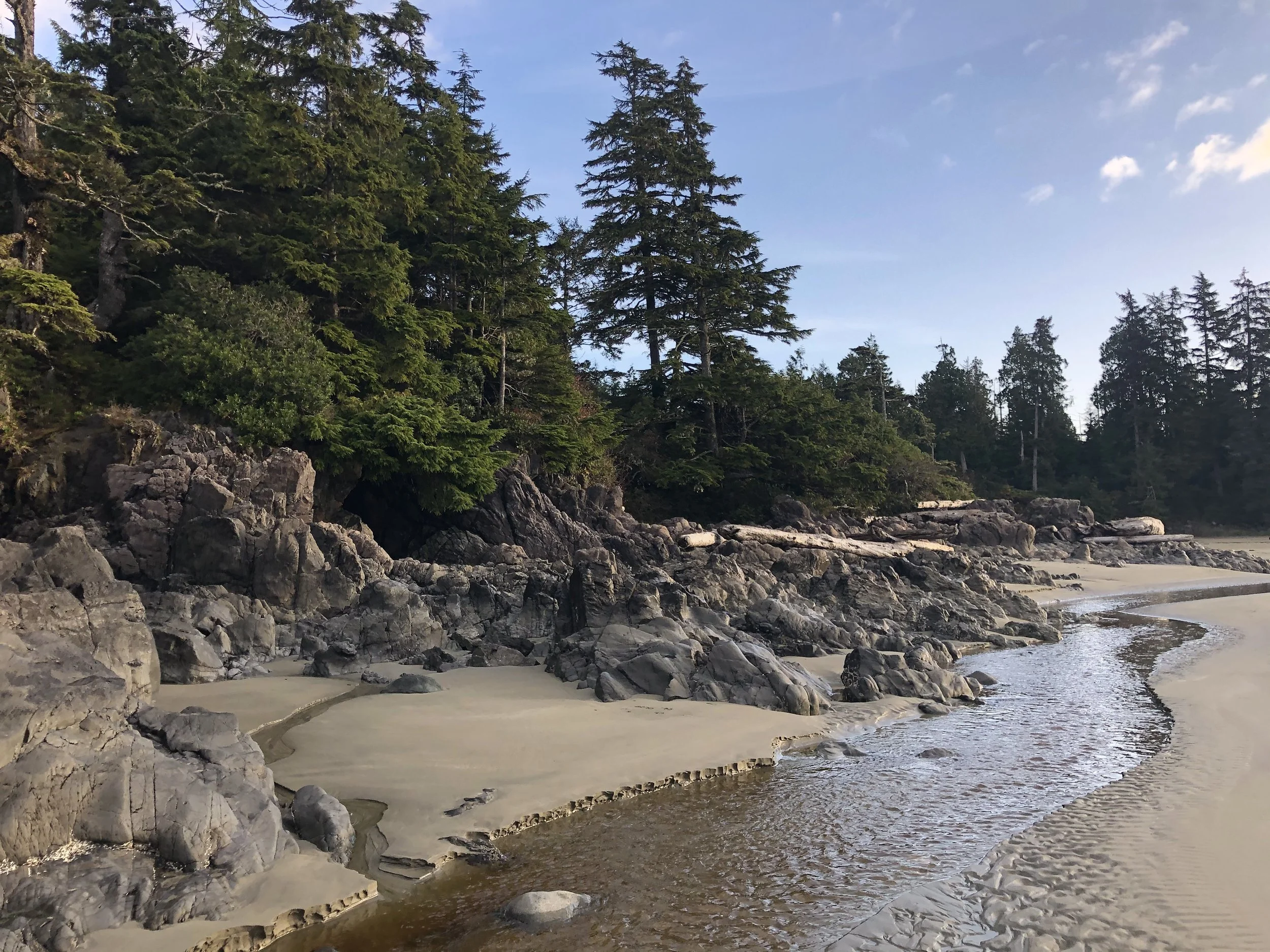
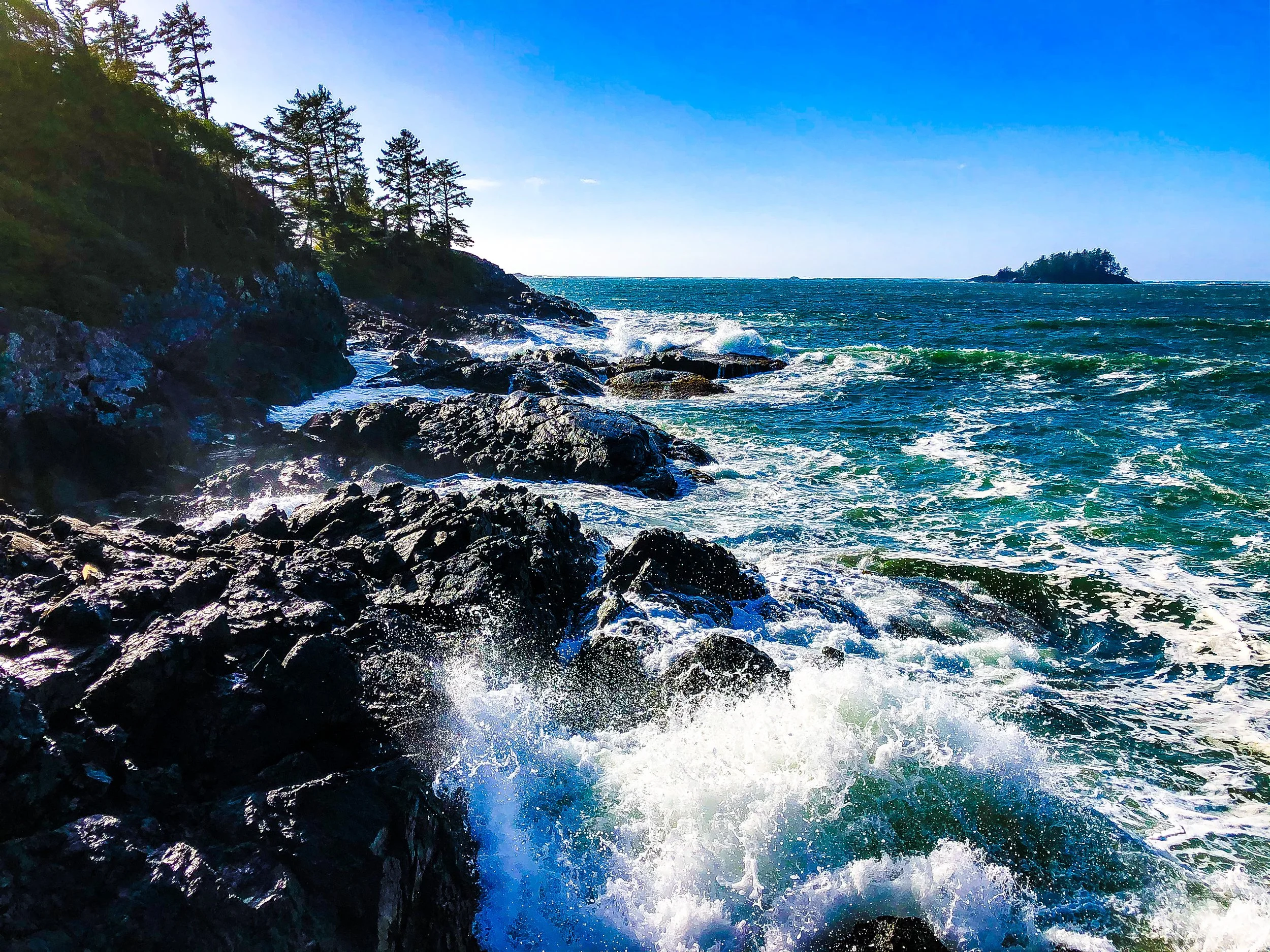
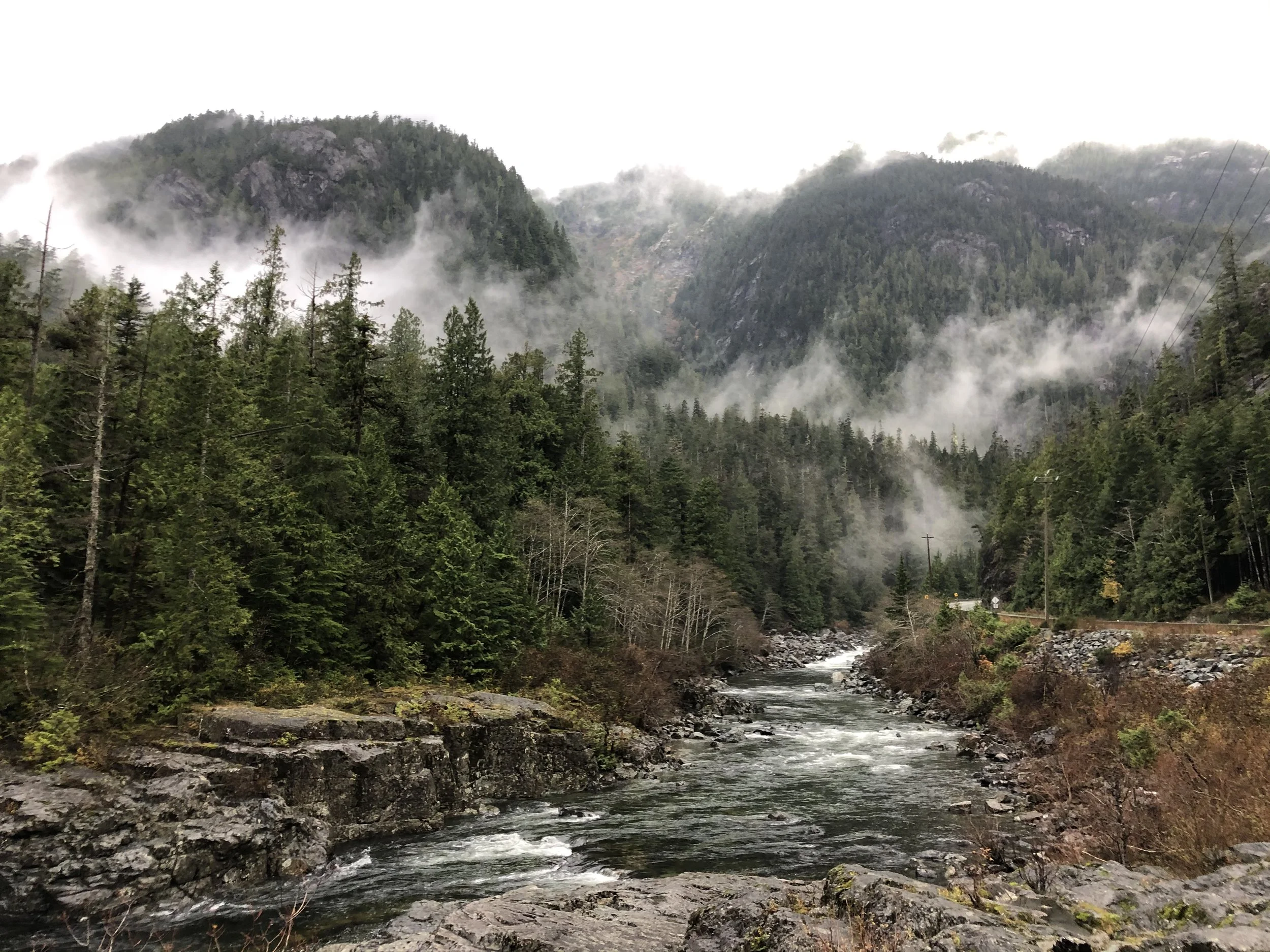
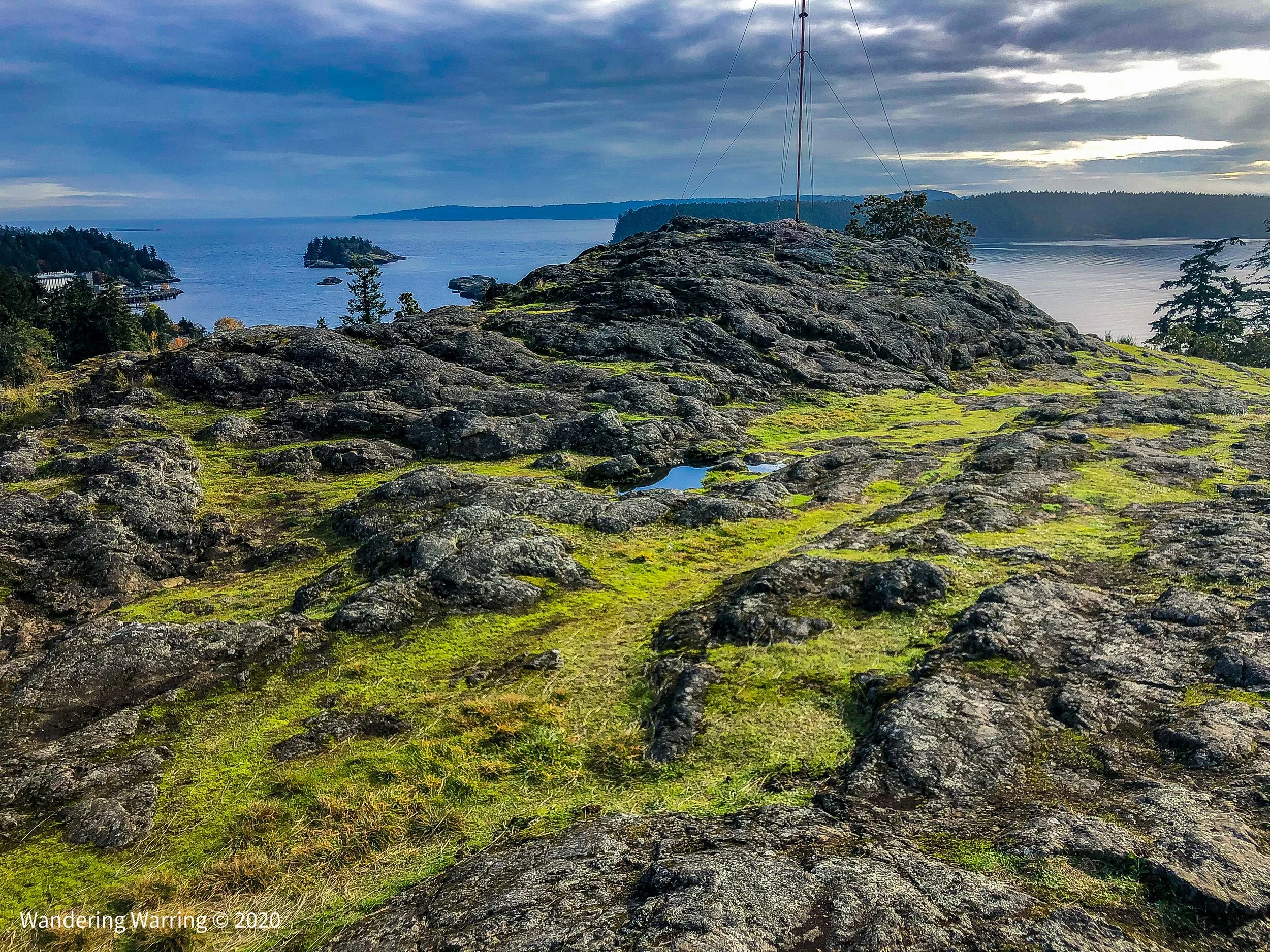
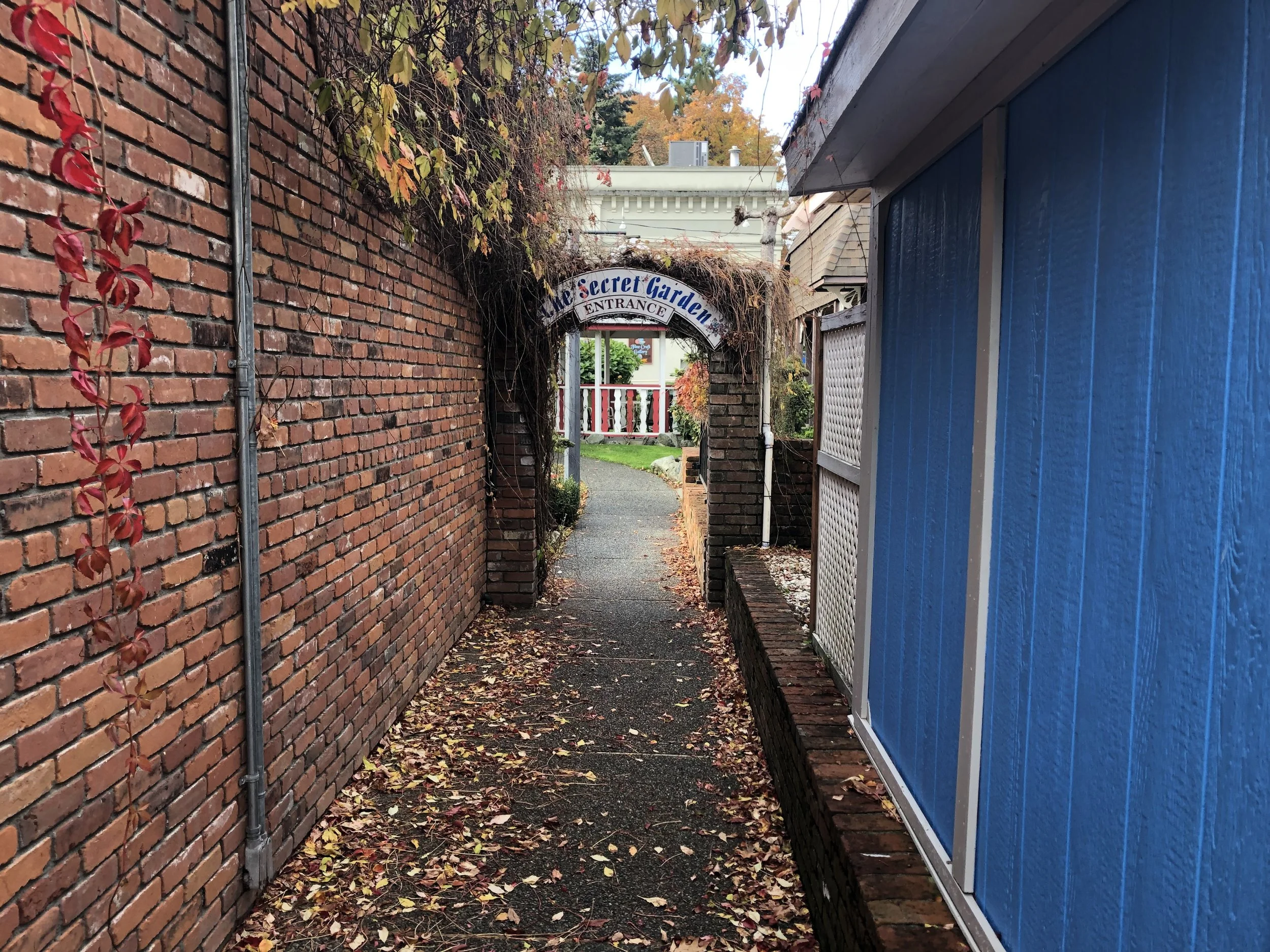

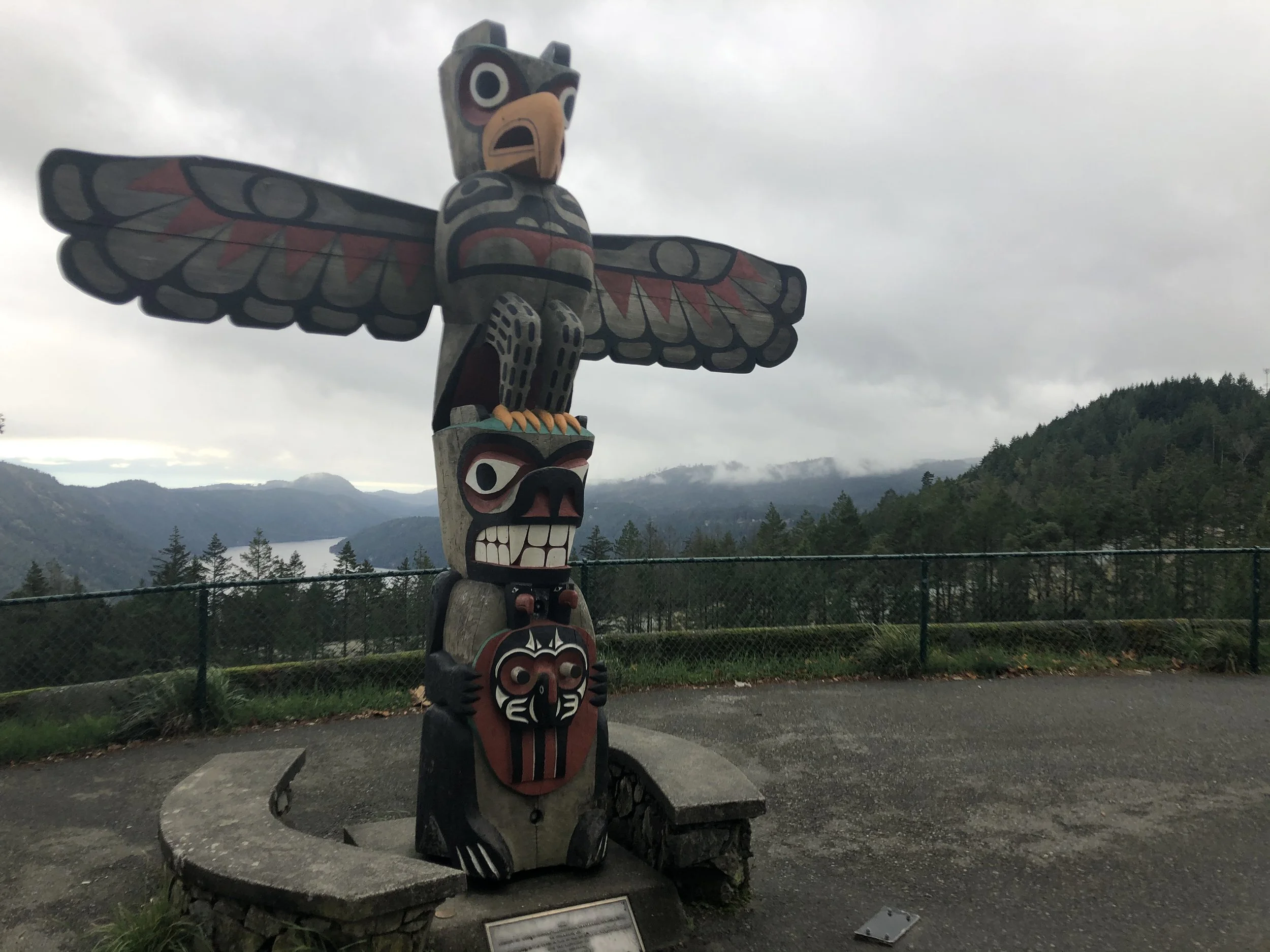
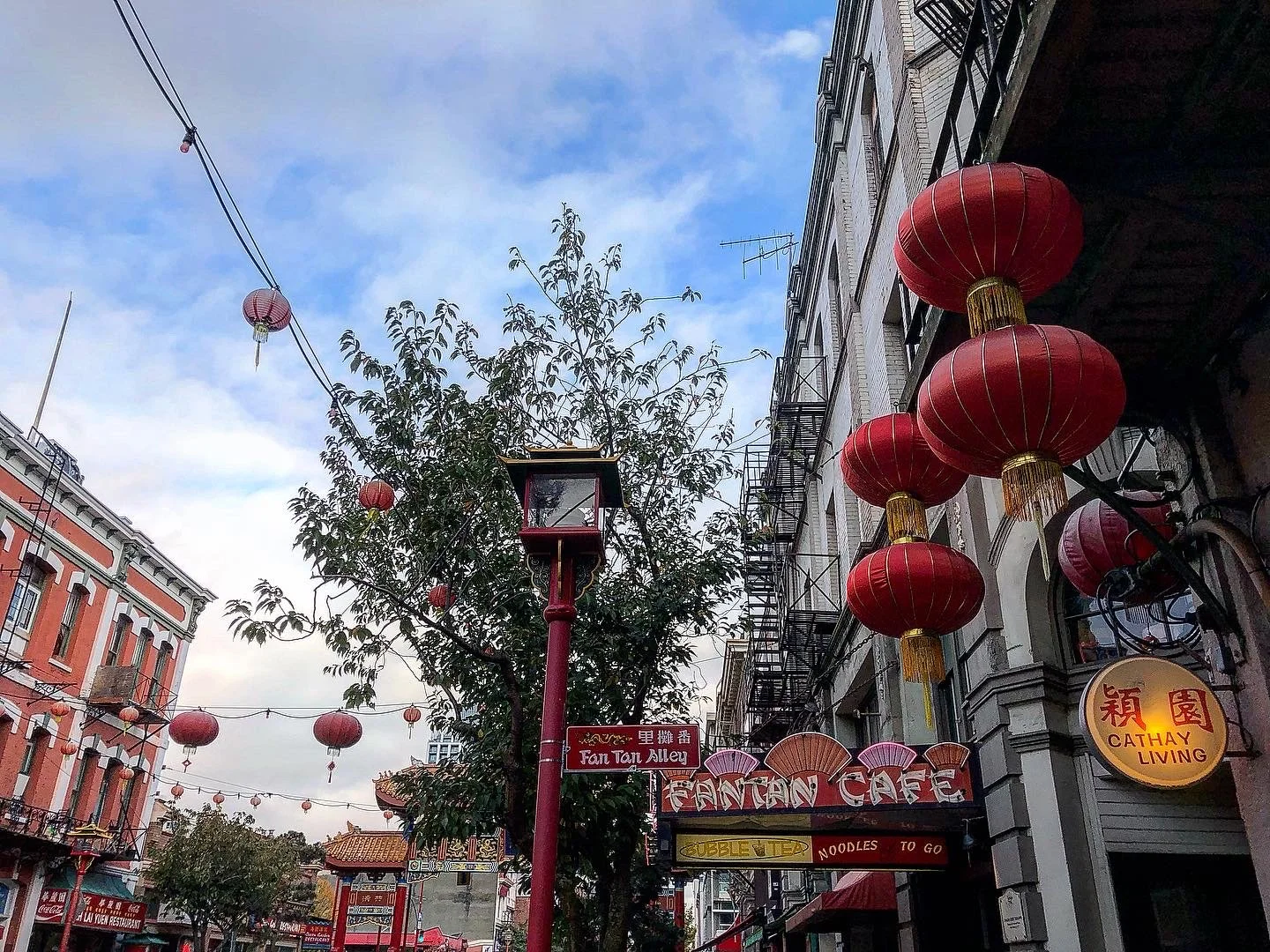
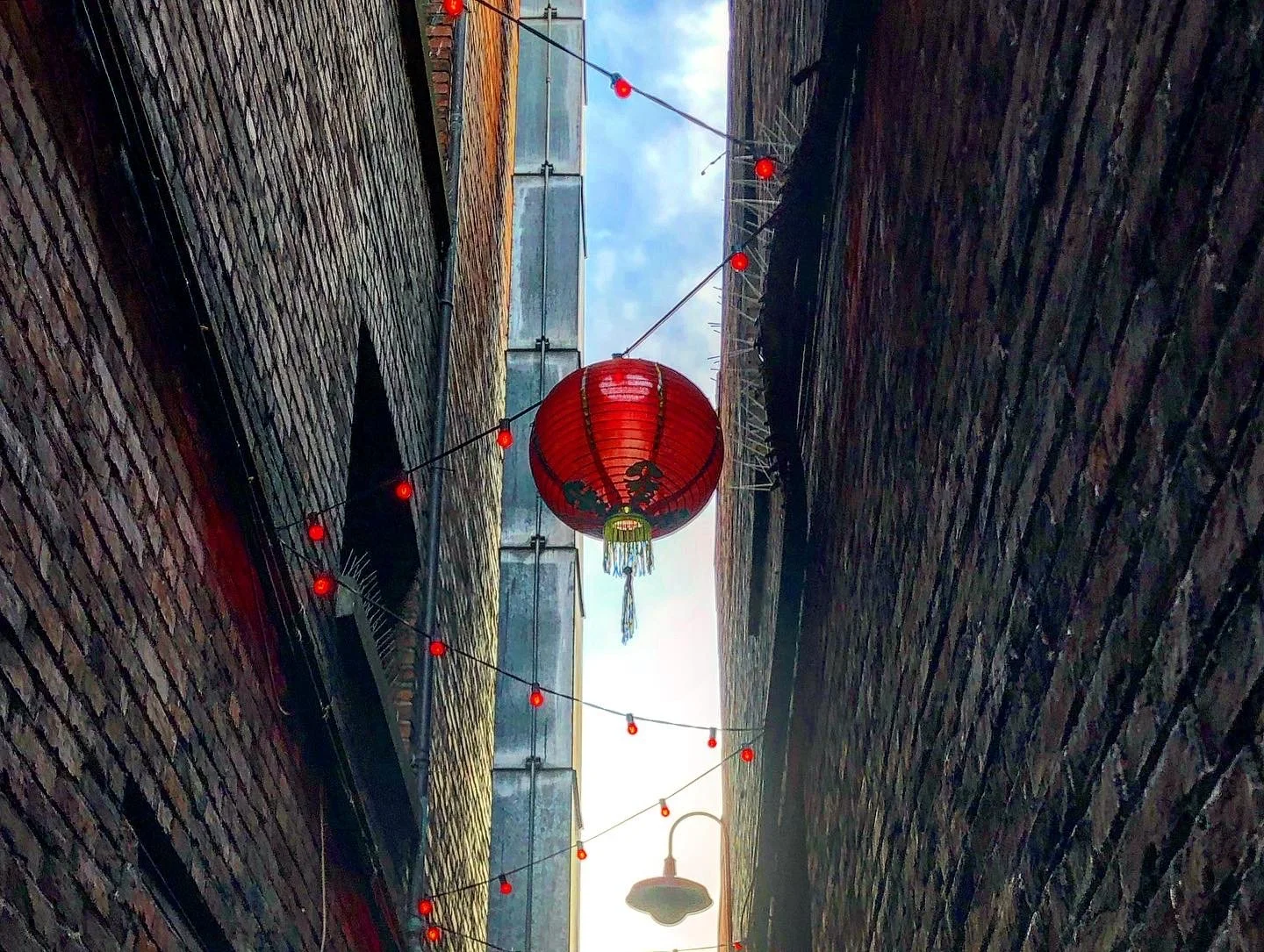
Vancouver Island, like Prince Edward Island, is a land of its own.
From Victoria, British Columbia’s capital city, to the stunning shores of Tofino and all of the mountains, rainforests, winding roads and charming towns in between, Vancouver Island is a place that will forever capture your heart.
Accessible by a convenient and well run ferry system, with multiple ports of entry, one already feels like they’ve been on an adventure once they land at the port. (Maybe even got lucky enough to see orcas or dolphins on your journey across!)
Take some time in Nanaimo, a vibrant harbour city and hot destination for sea kayaking. Be sure to get yourself a Nanaimo bar while you’re there! (One of Canada’s all time best dessert creations!)
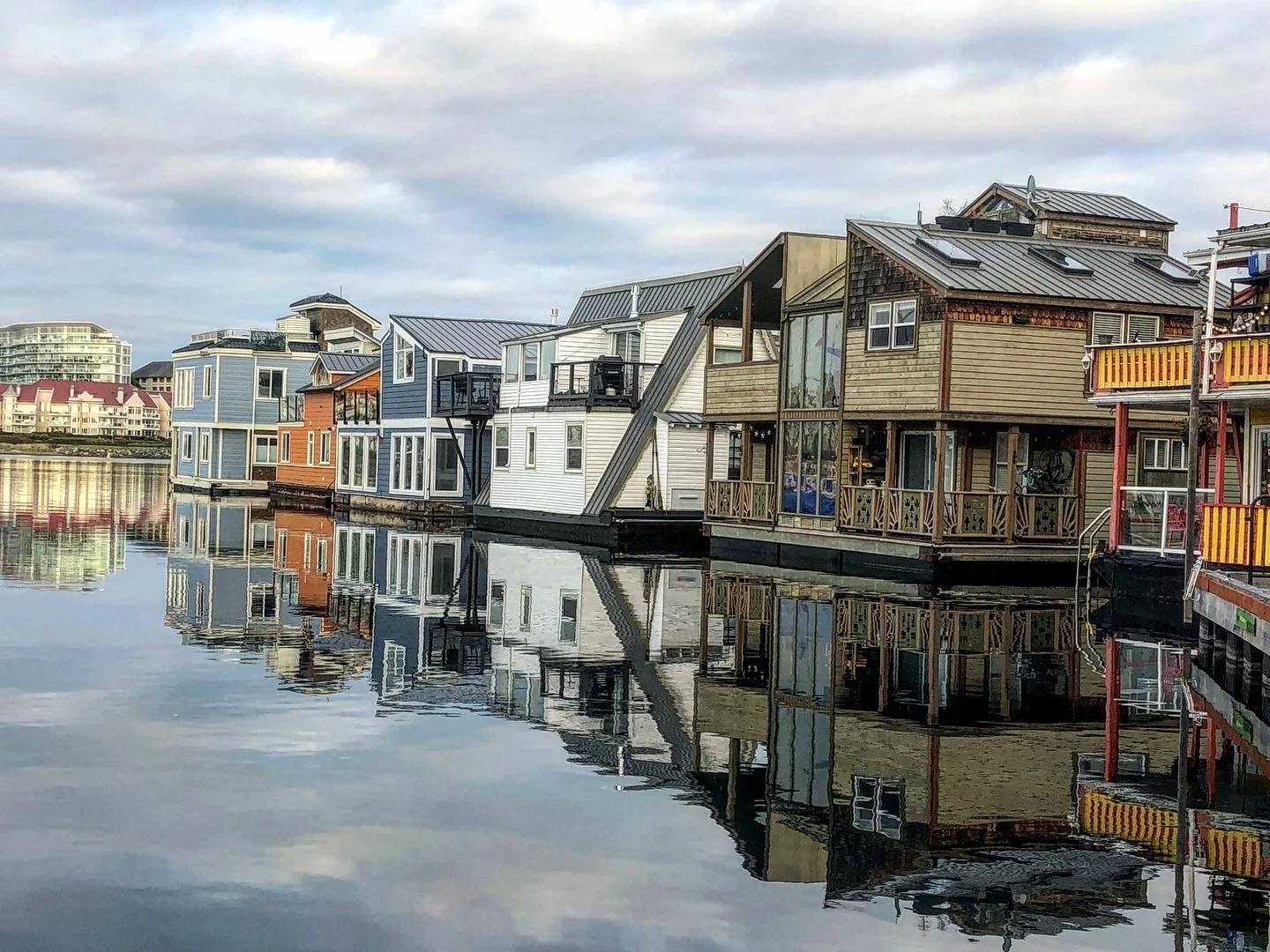
Victoria, British Columbia’s capital city is a charming mix of oceanside vibes and old world British style. Stroll through the old part of the city, you will feel like you might be somewhere in merry old England. Be sure to check out the colourful Fisherman’s Wharf and grab a bite at one of the fresh seafood spots you will find.
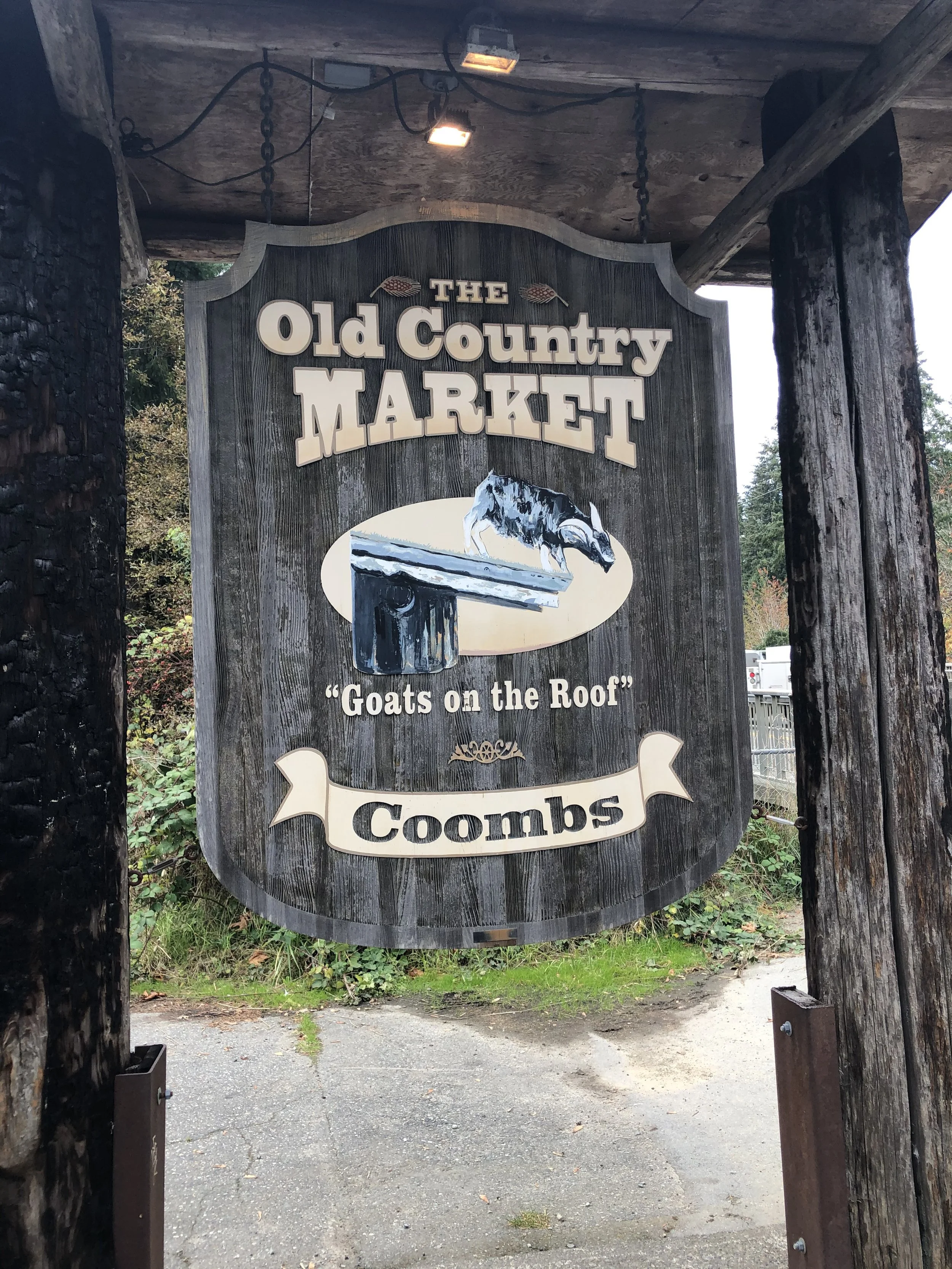
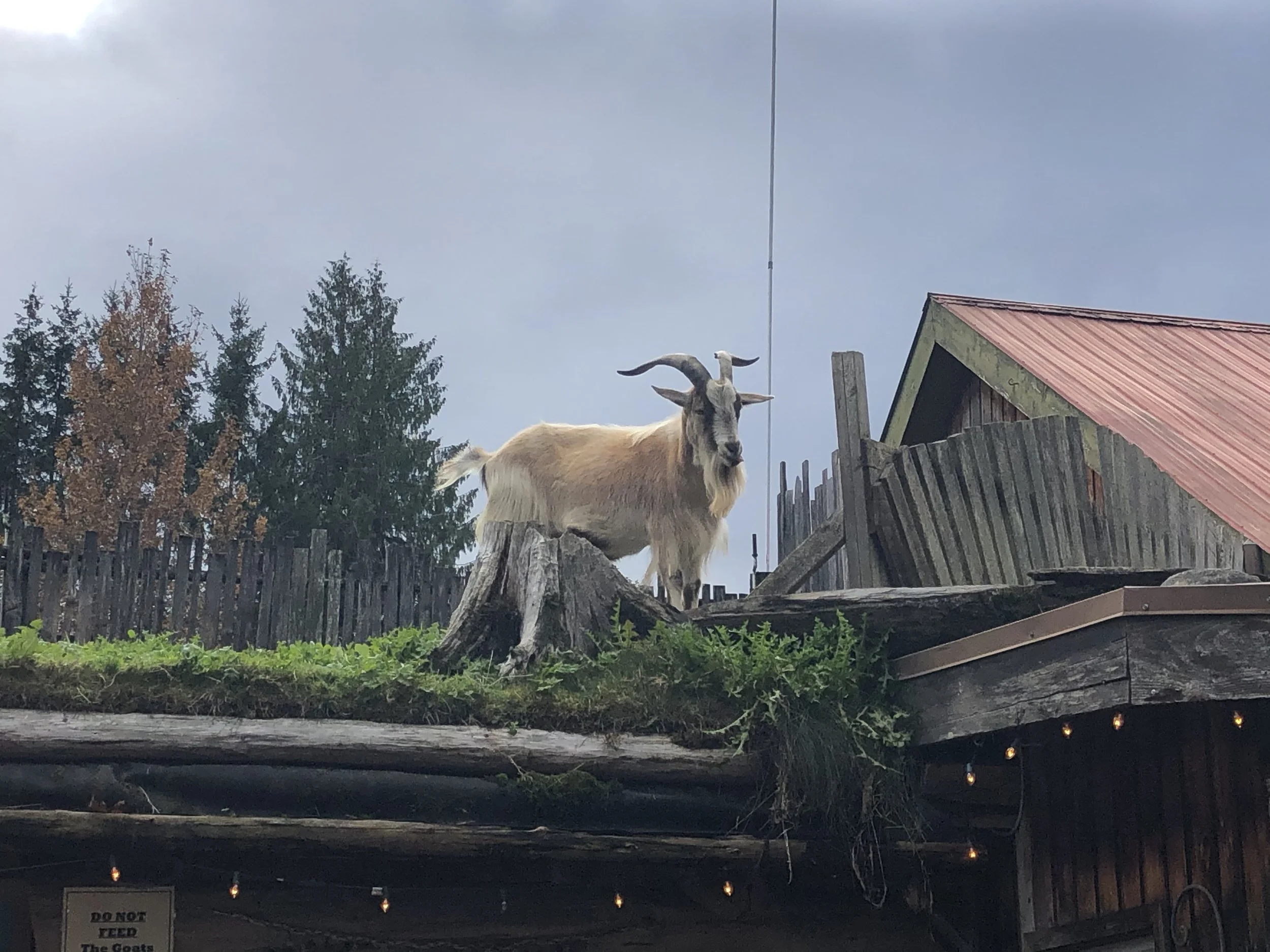
A road trip across the island is the best way to visit, giving you a chance to explore all the wonderful hidden gems and wilderness the island has to offer. Make sure to head down to Coombs and check out the “Goats On The Roof” Old Country Market. (Yes, the goats actually live up on the roof!)
The trek northwest through misty mountains and rainforests will captivate you and cleanse your soul. Pacific Rim Natural Park Reserve on the west coast is a bucket list drive.
Once you reach the shores of Tofino, I suggest taking some time to just stay a few days (a few weeks, a lifetime,) and just sit and wonder how such a beautiful place could exist.
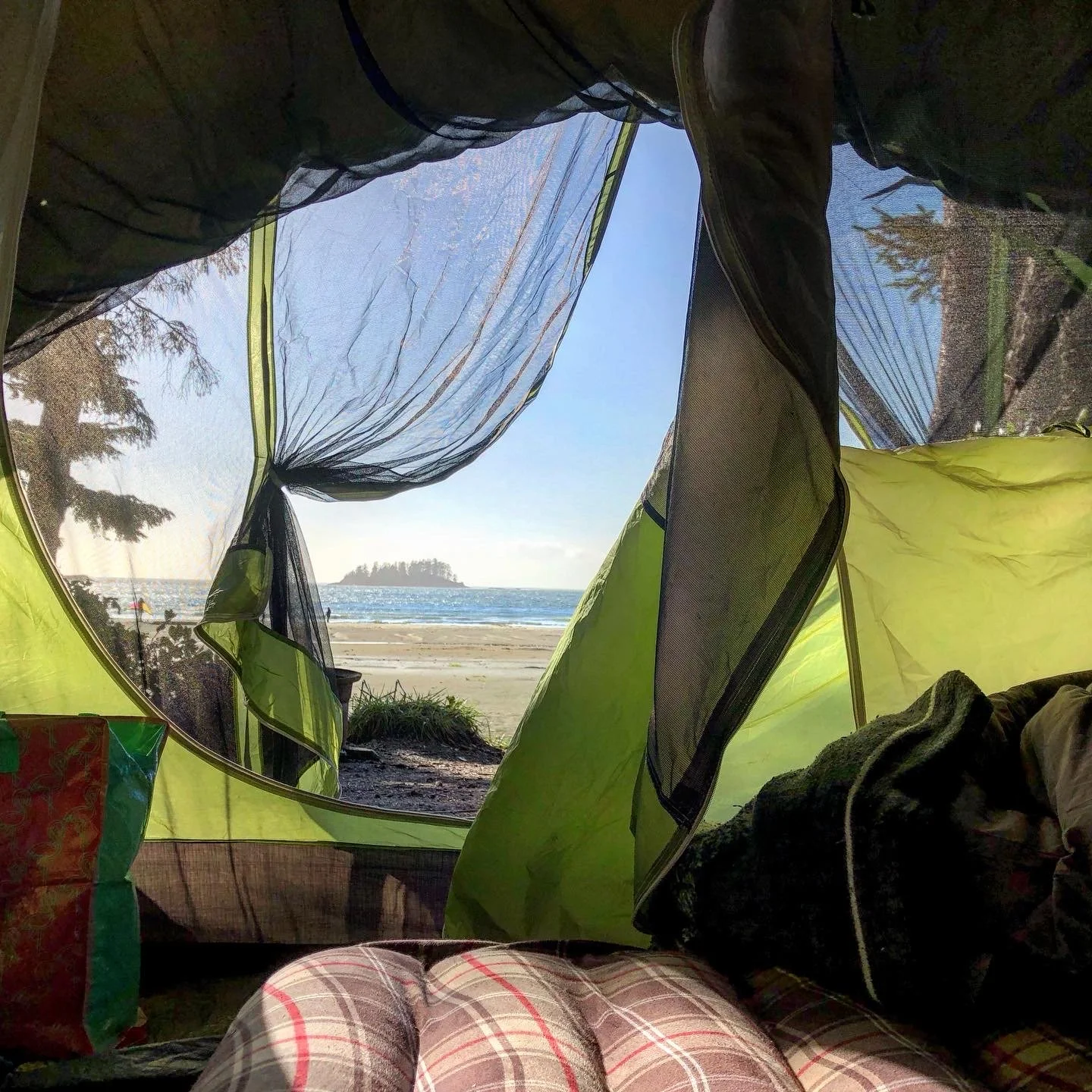
I would recommend camping on Mackenzie Beach at one of Bella Pacifica Campground’s oceanfront sites where you can take in the beach and the waves from the comfort of your own campsite (Just prepare, it can be quite windy, especially if you’re staying in a tent.)
I only spent a week on Vancouver Island, but that place is stamped on my soul and I can’t wait to return one day.
9. parliament hill, ottawa, Ontario
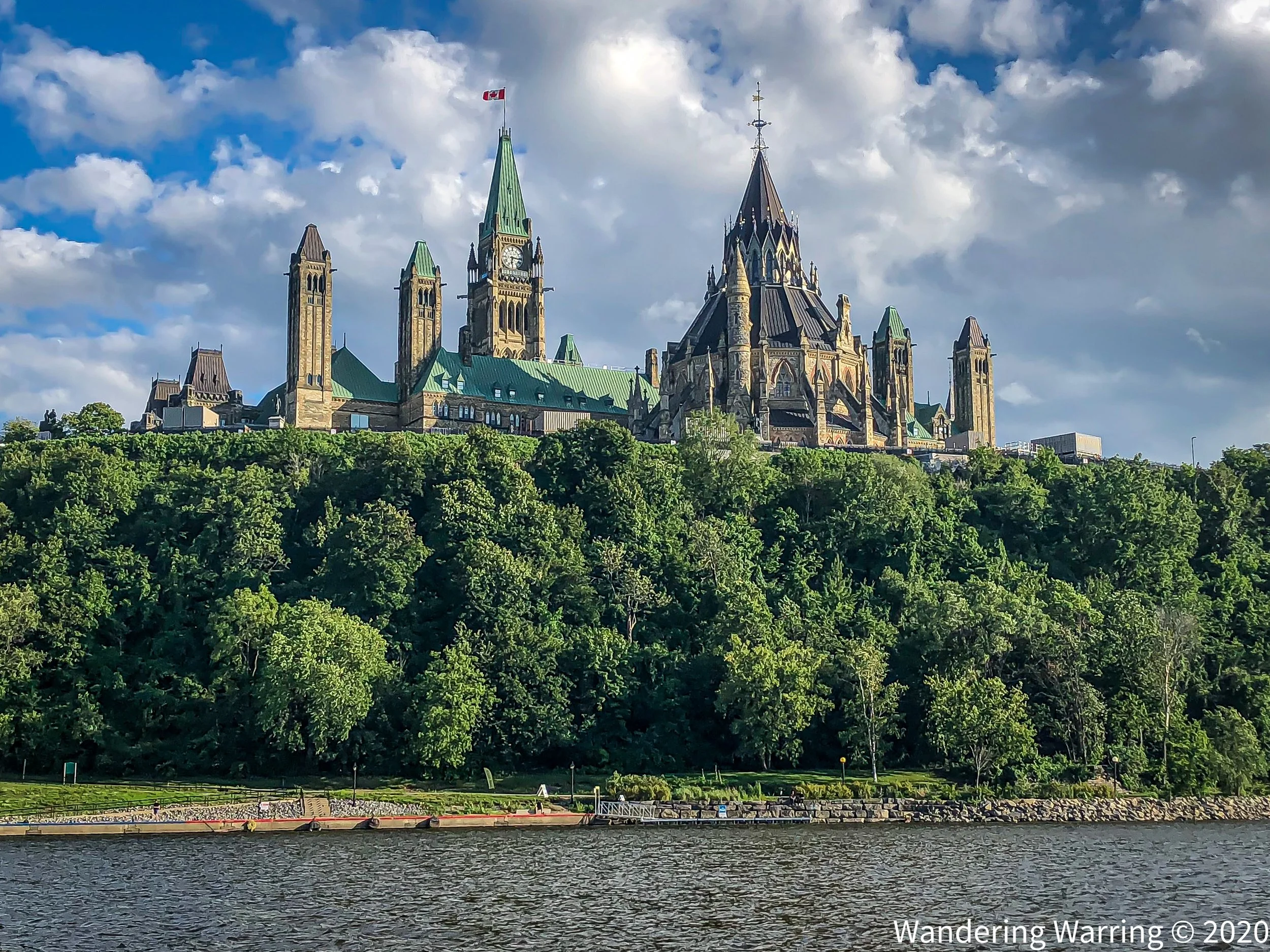
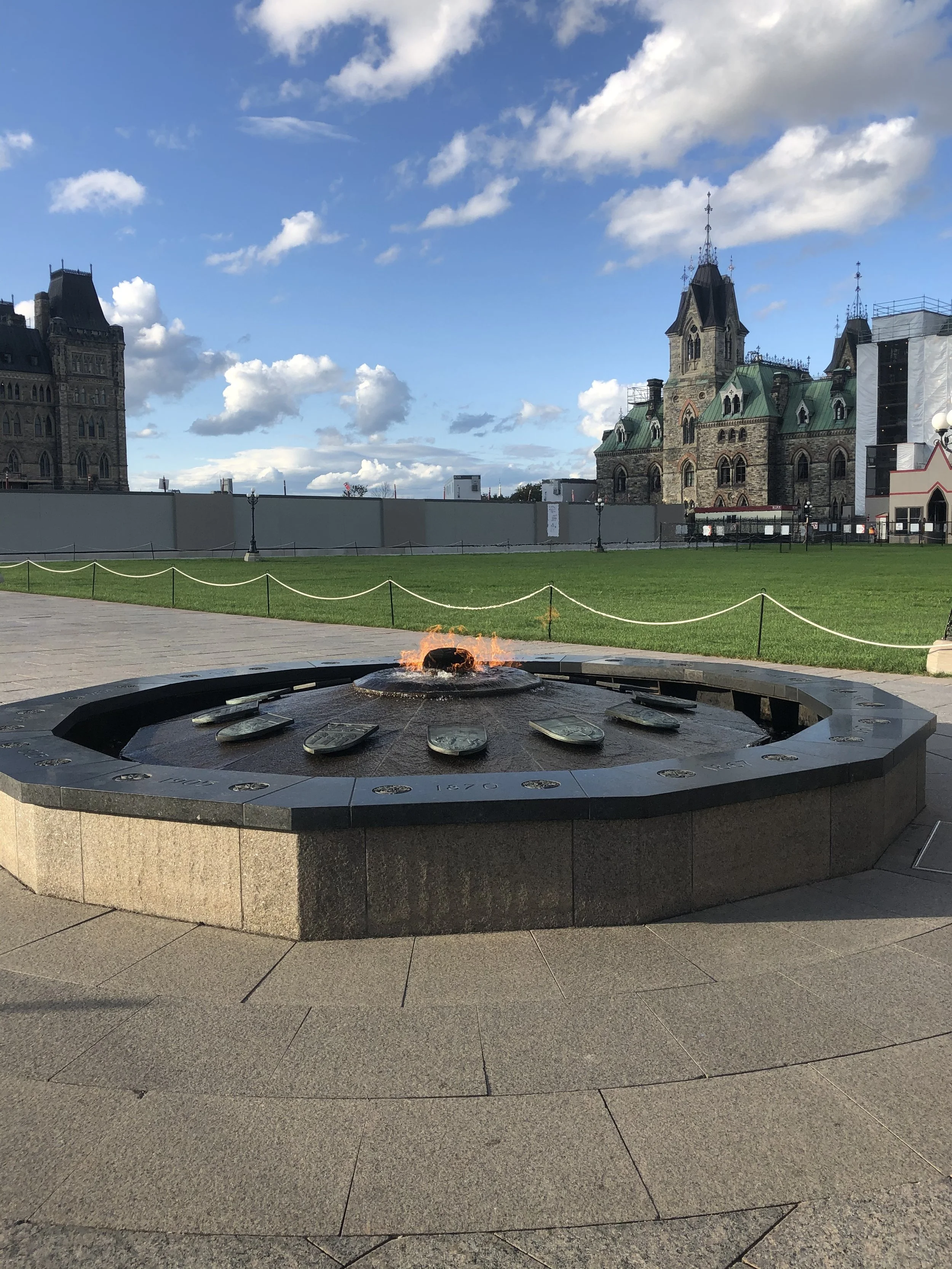
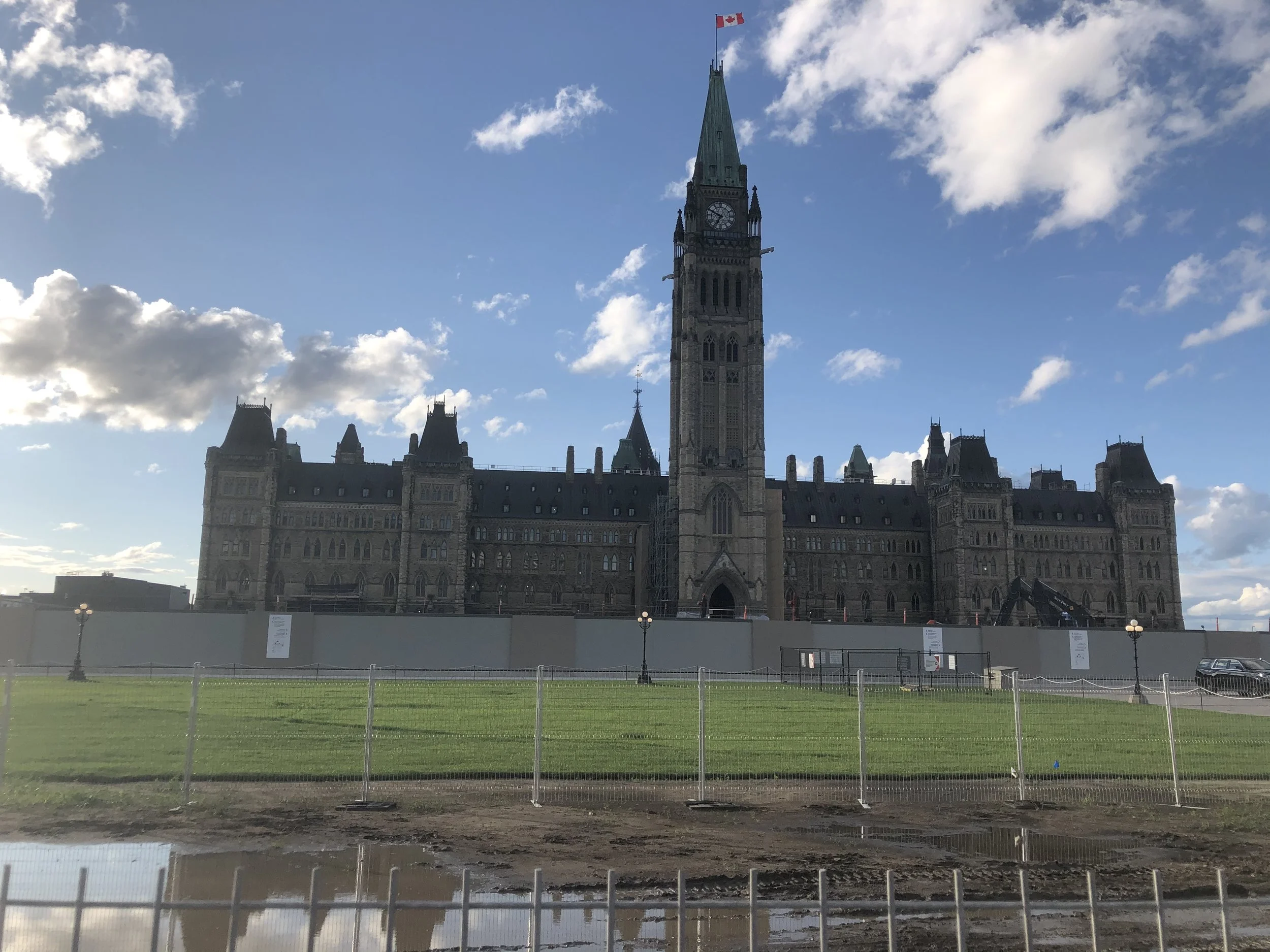
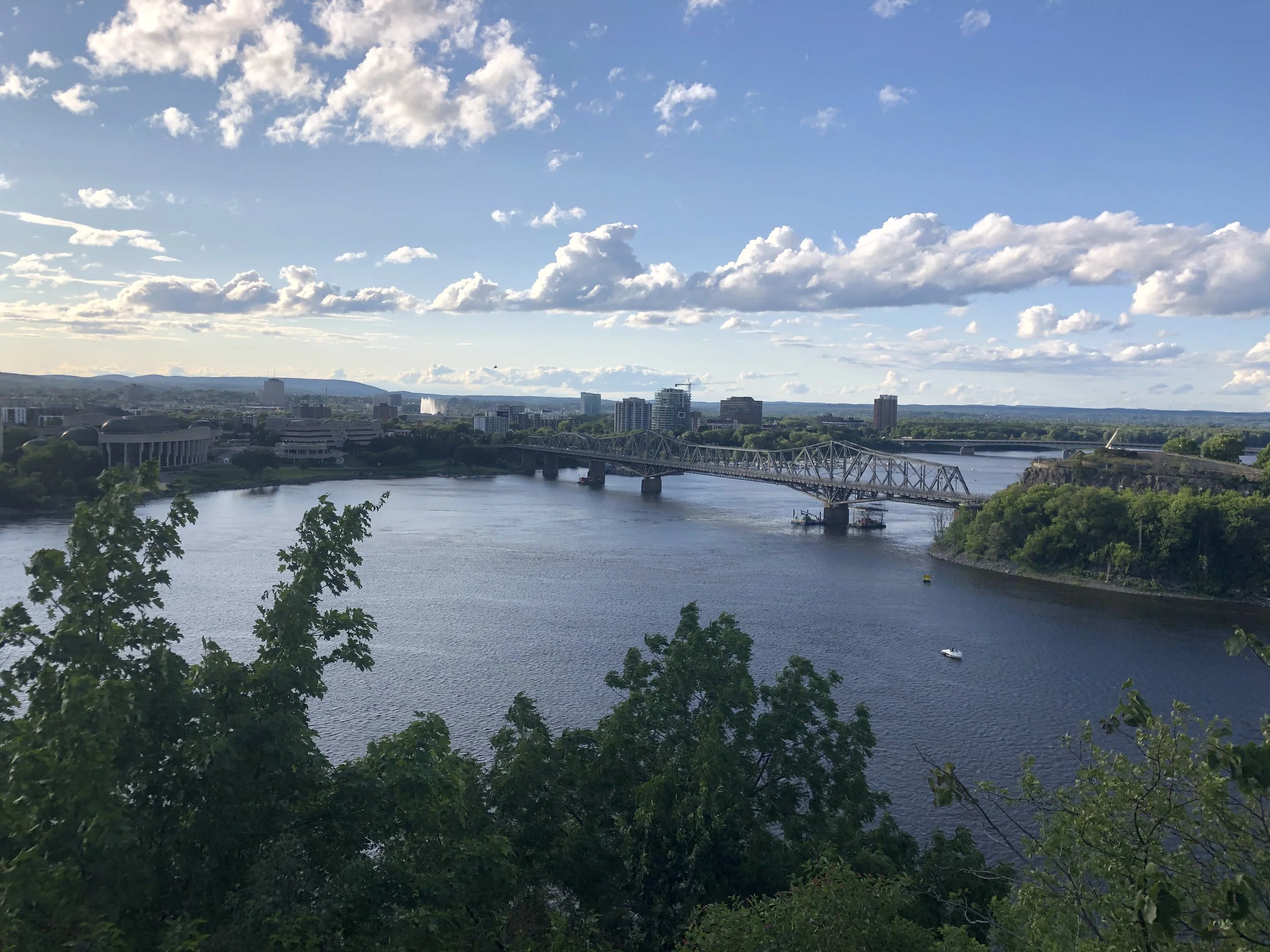
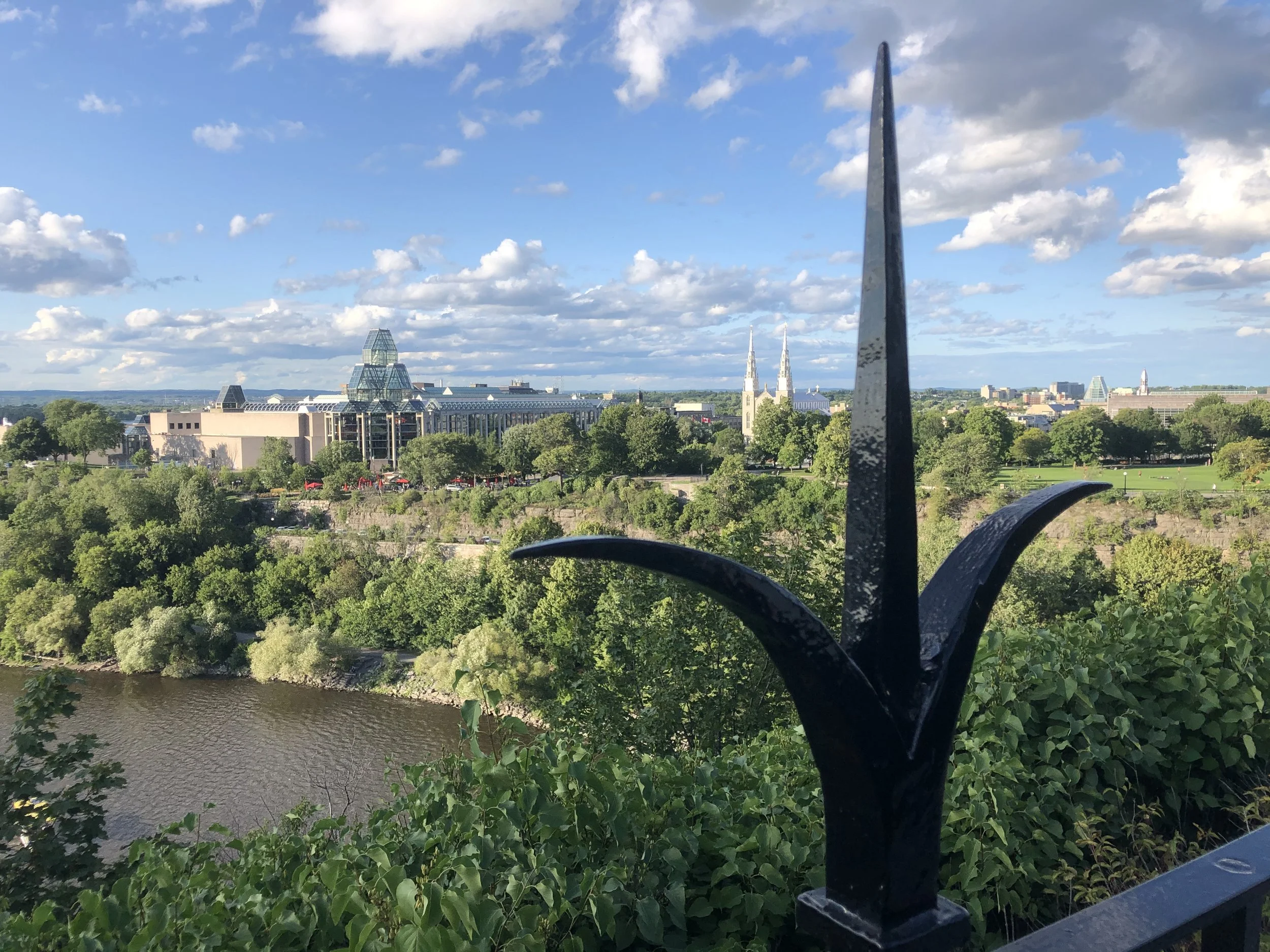
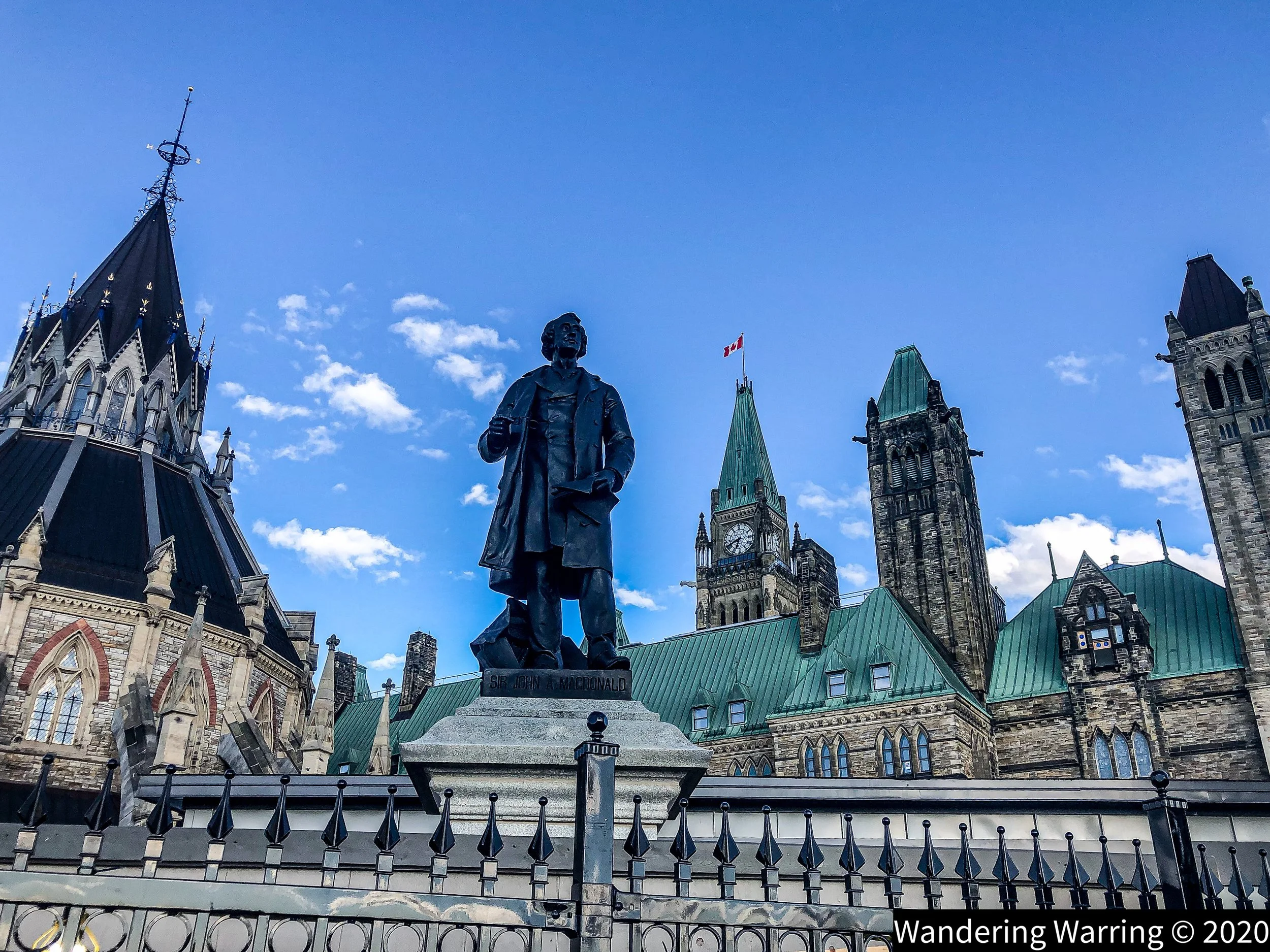
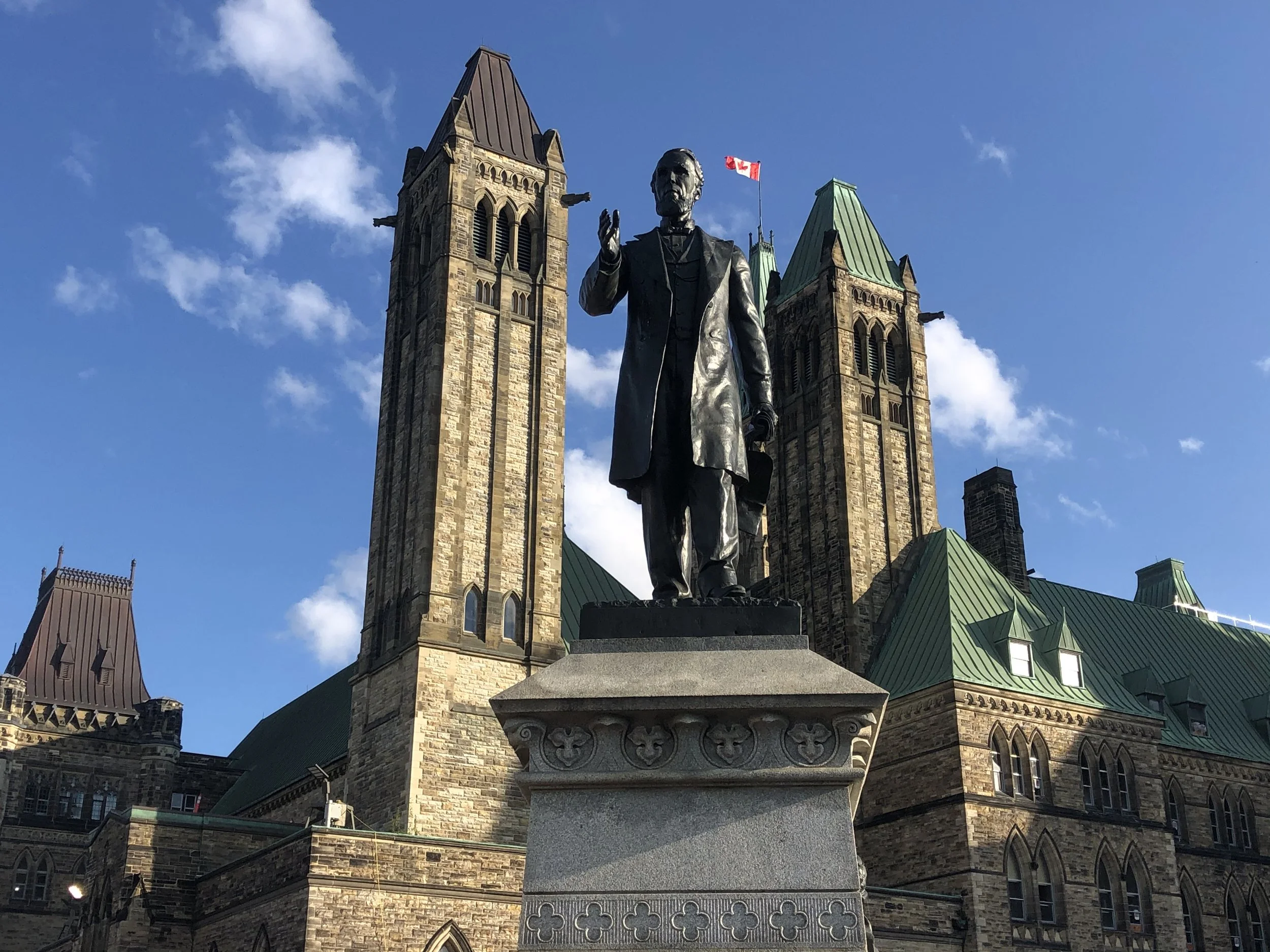
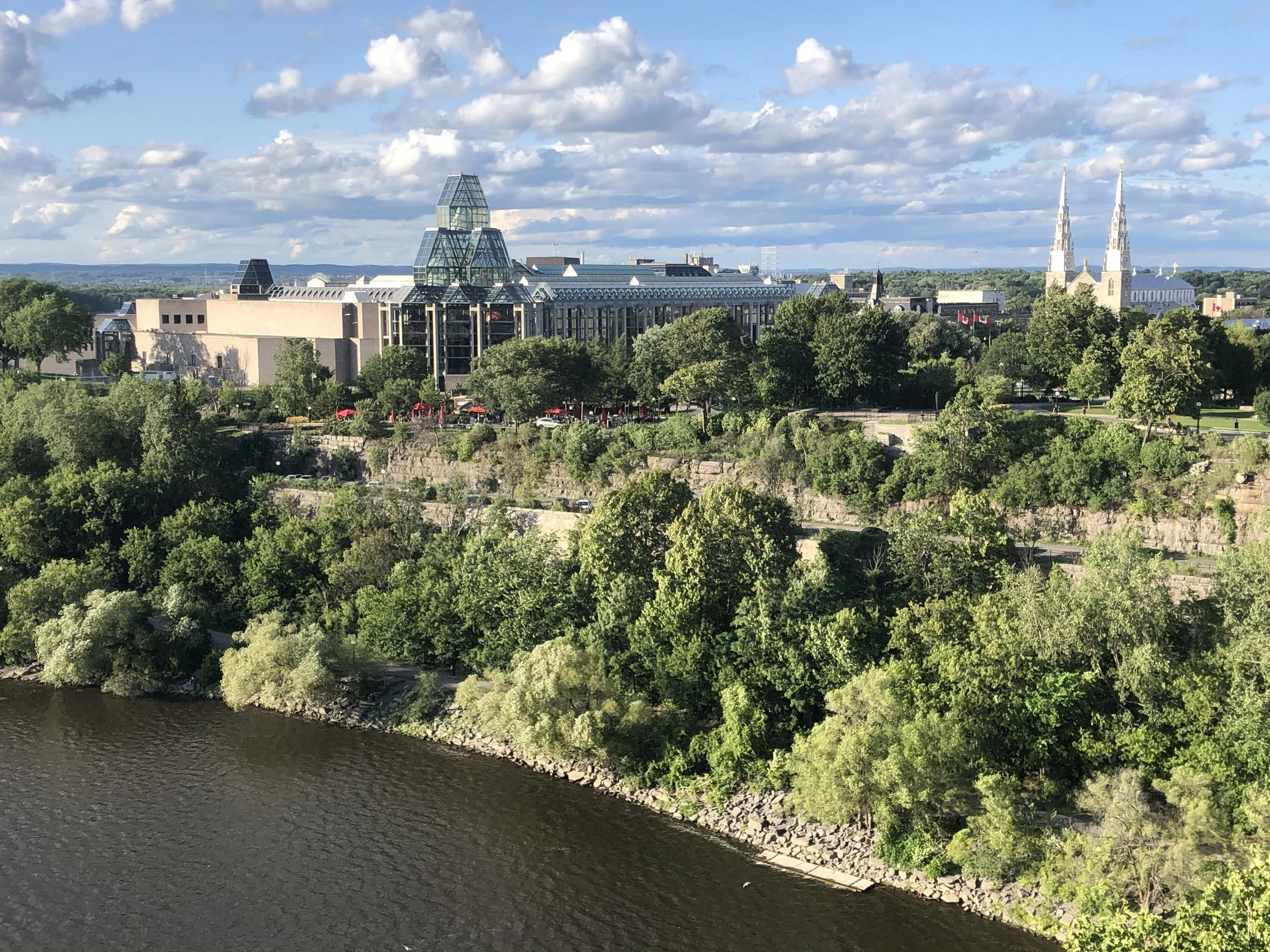
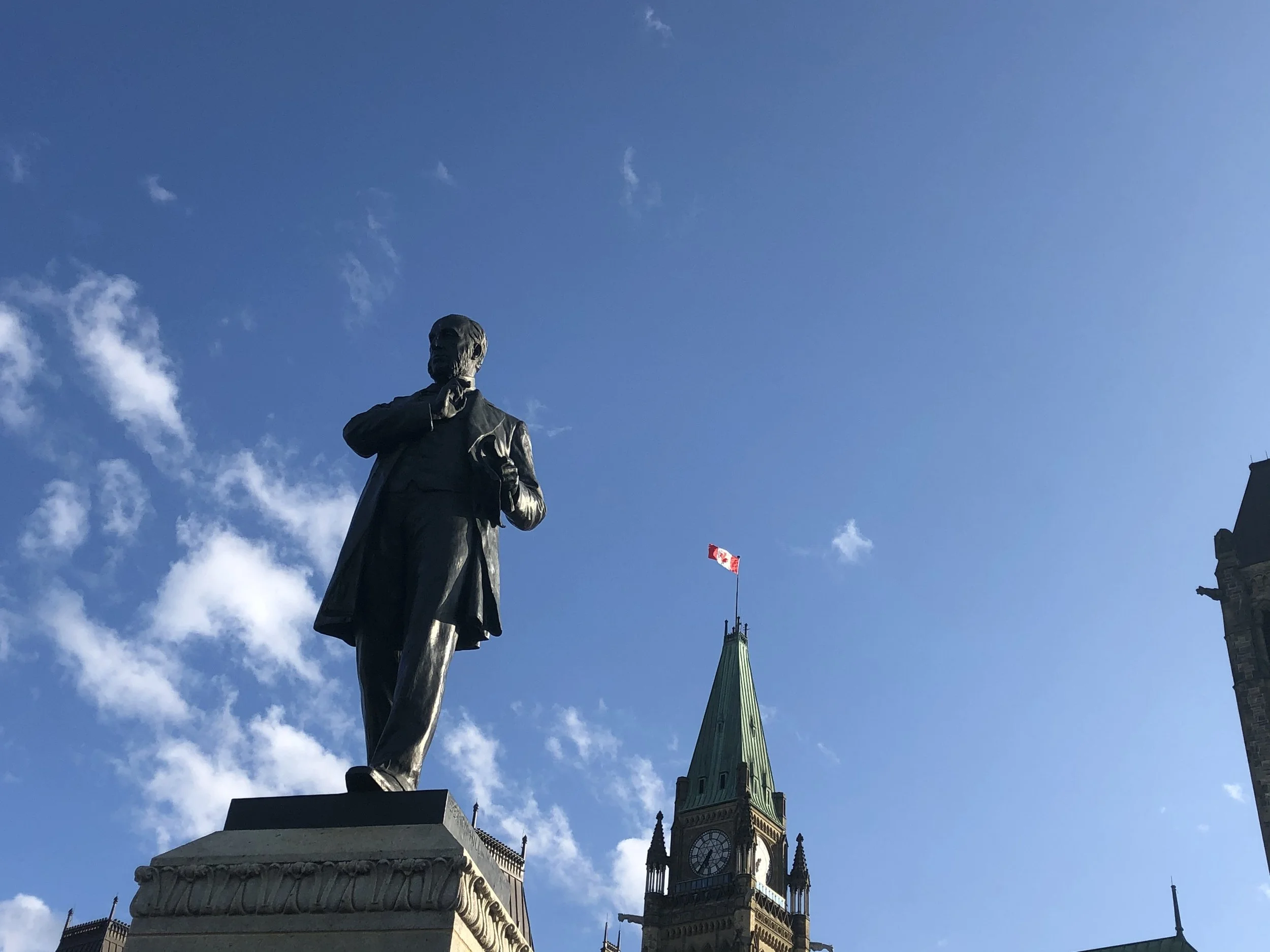
Whether you’re a proud Canadian or just love really cool buildings with amazing views, Parliament Hill in Ottawa is a place to see.
Staring up at the hill from below, you may think you’re looking up at Hogwarts, with its towers and old stone commanding the landscape over the Ottawa River.
You can’t help but feel the reverence of this majestic place as you stroll up Wellington street to the front gates, greeted by the Centennial Flame monument welcoming you to the grounds.
The Peace Tower stands tall at 92 metres overlooking the grounds and the city surrounding it.
This place has the soul of Canada attached to it. All of Canadian history converges here on this hill.
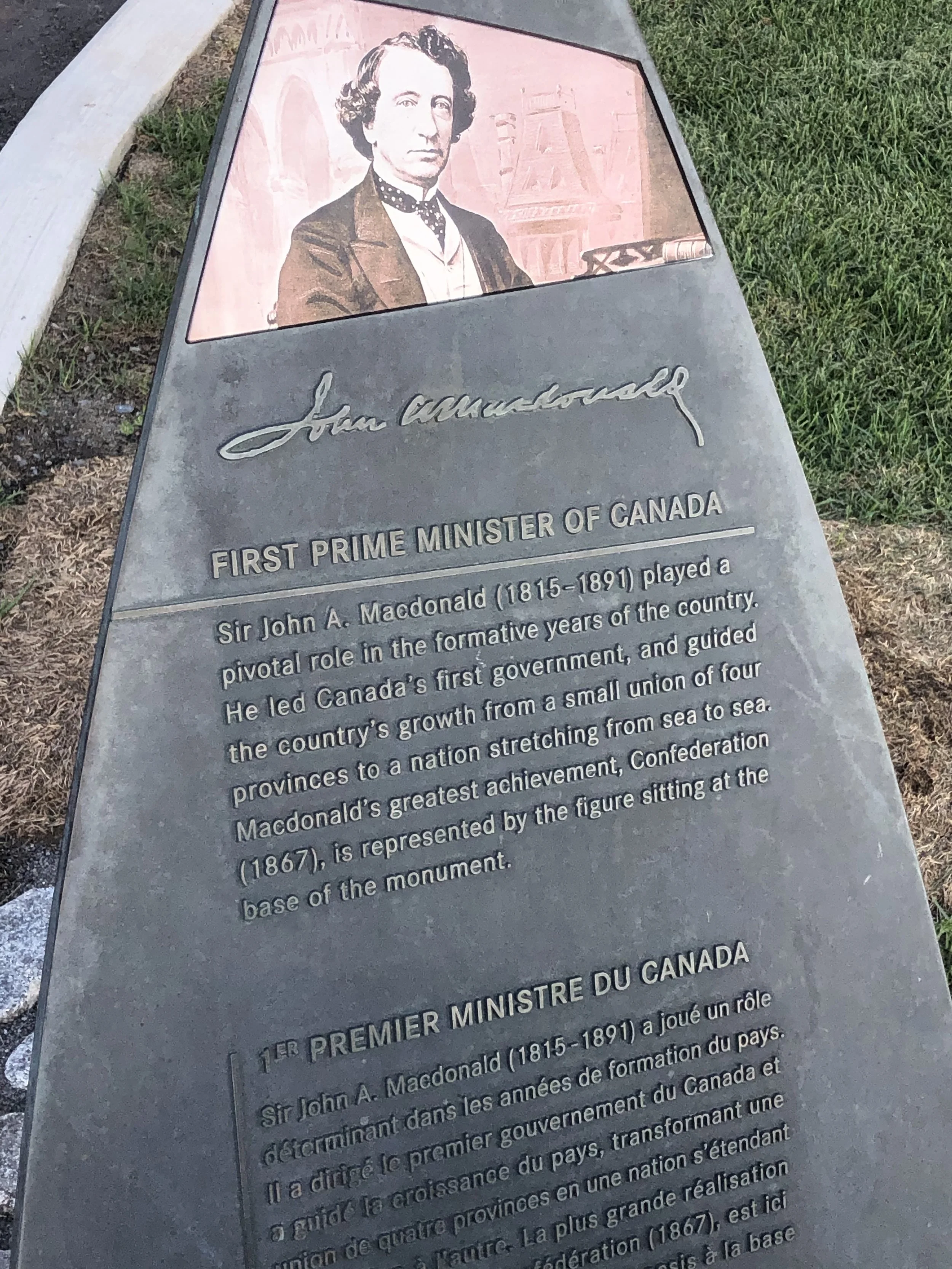
As you stroll the grounds, you will pass by statues of Prime Ministers, monarchs and Fathers of Confederation. The pathway through the grounds winds its way around the building, offering stunning views over the Ottawa River.
Visitors can tour the Parliament buildings, free of charge, giving a wonderful look into the workings of the Canadian government, as well of the craftsman who built this impressive place.
This is just one spot among many that you need to check out next time you visit Ottawa!
10. Saguenay Fjord, Quebec
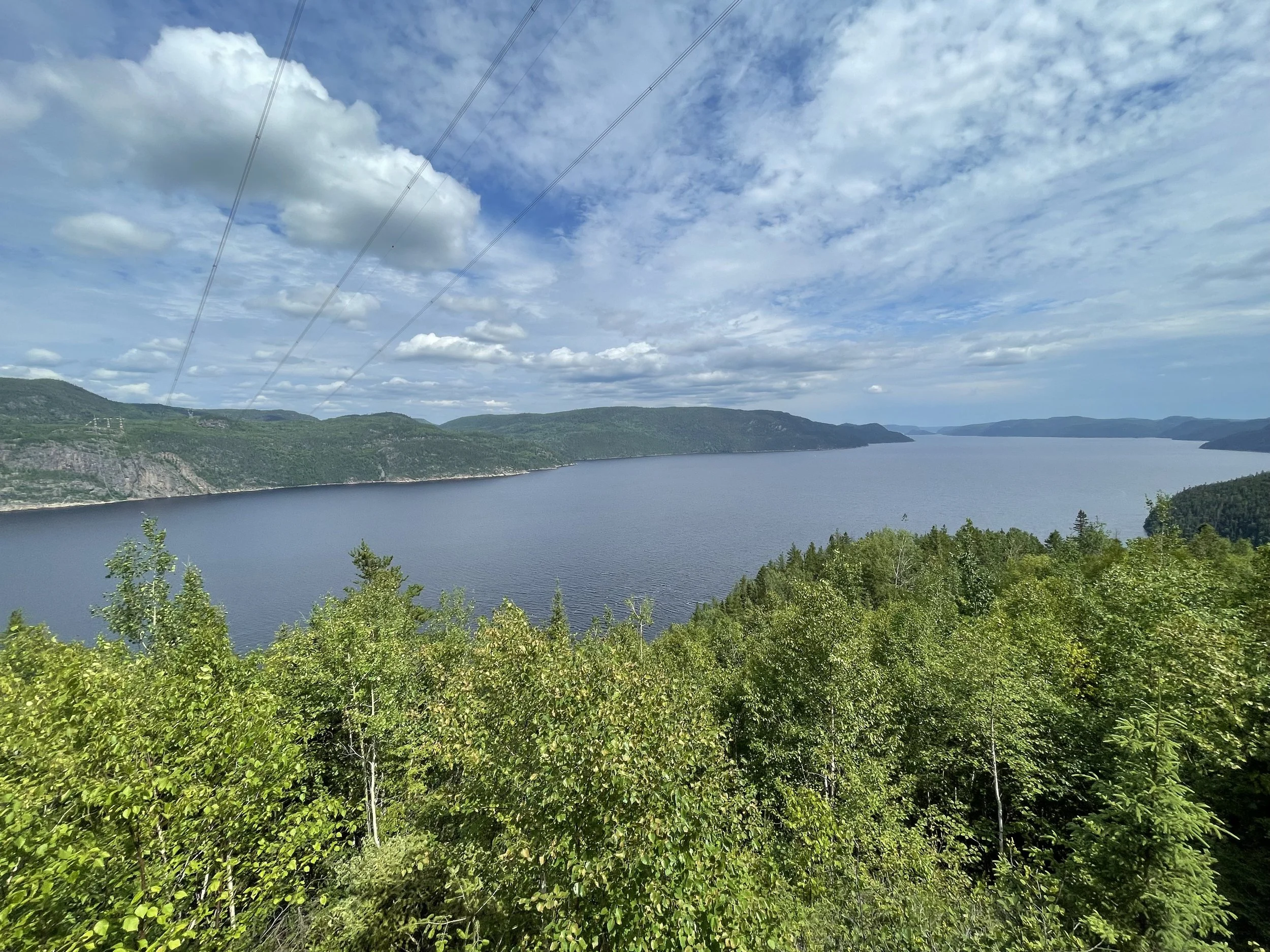
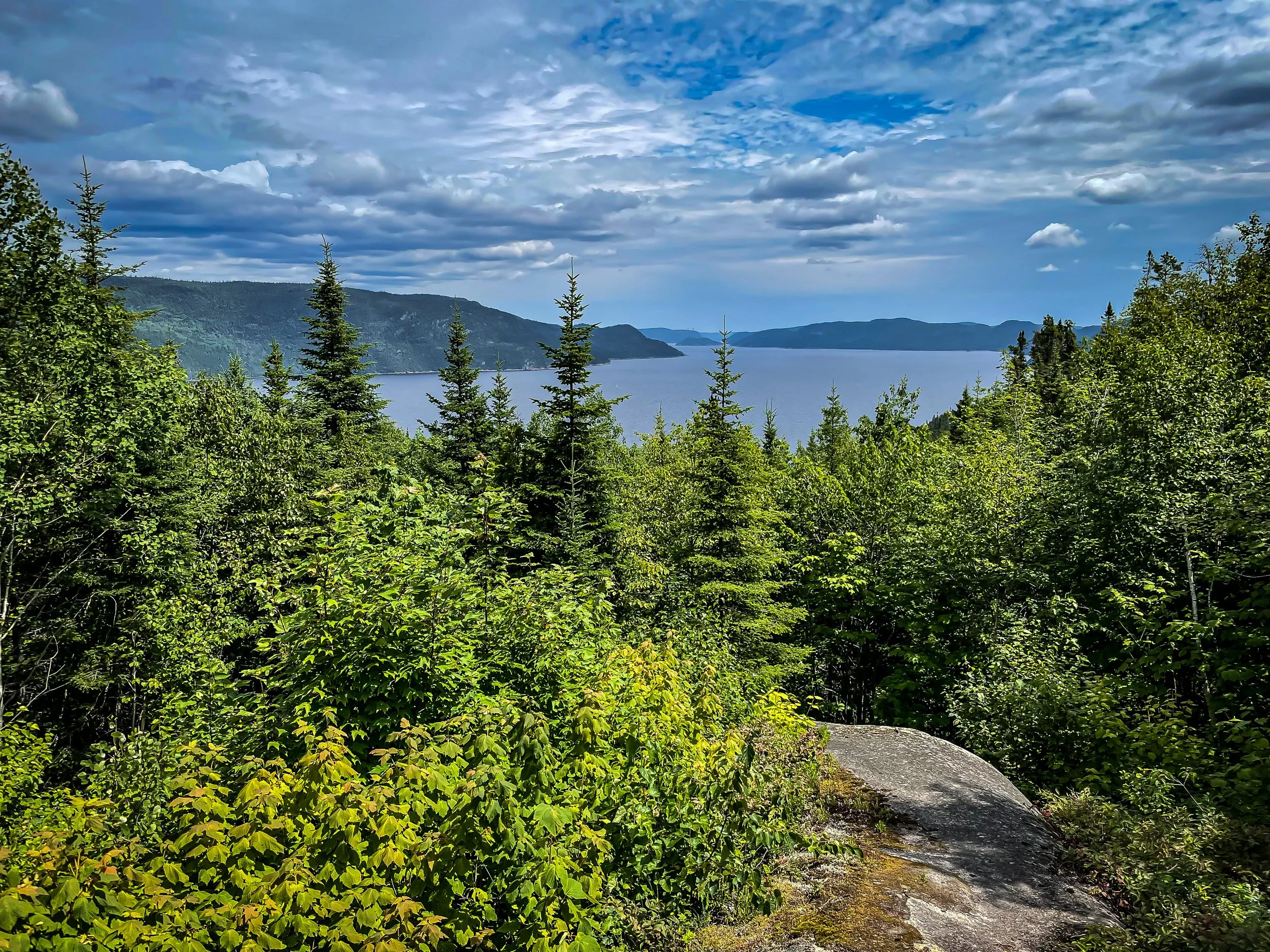
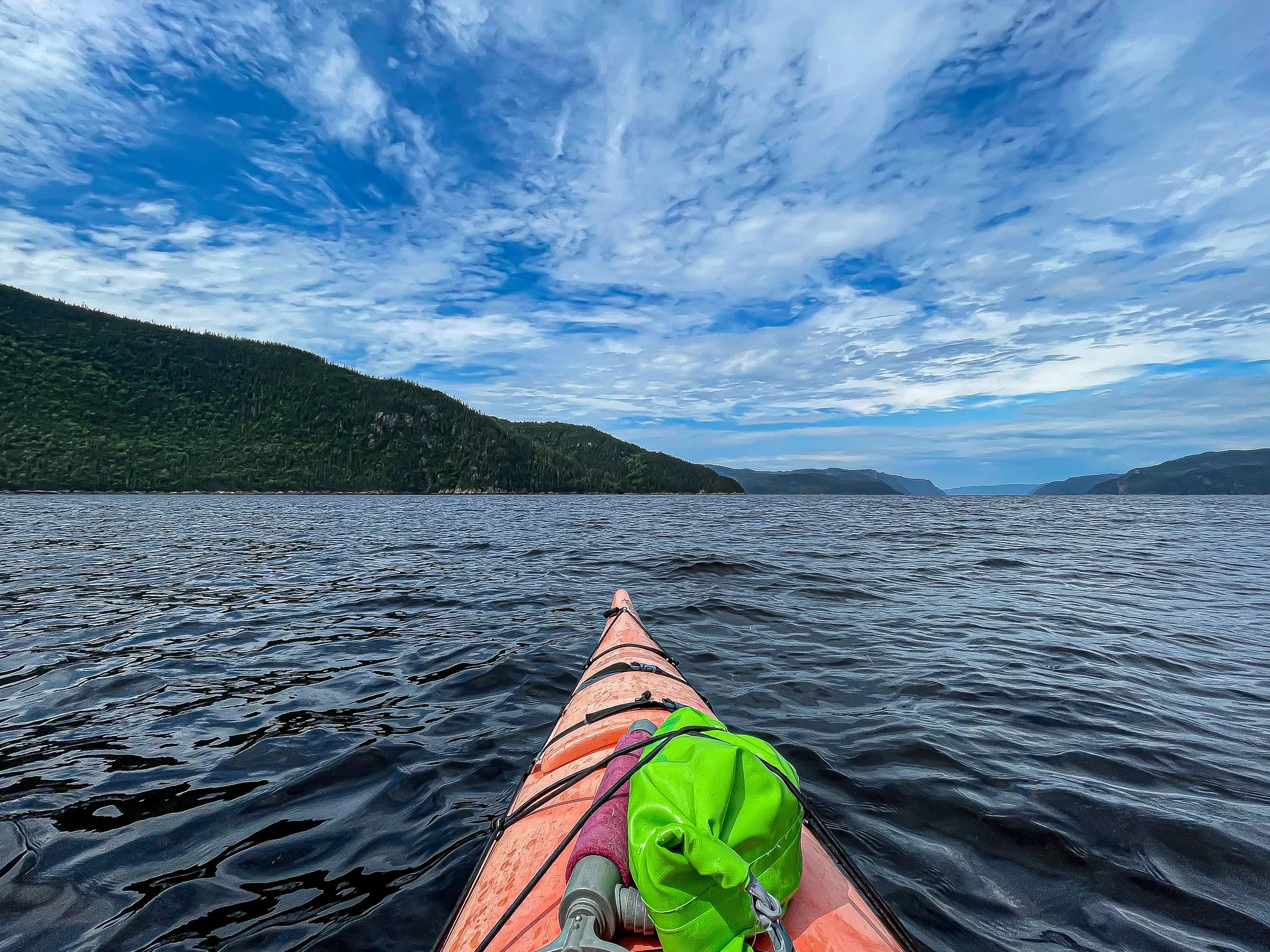
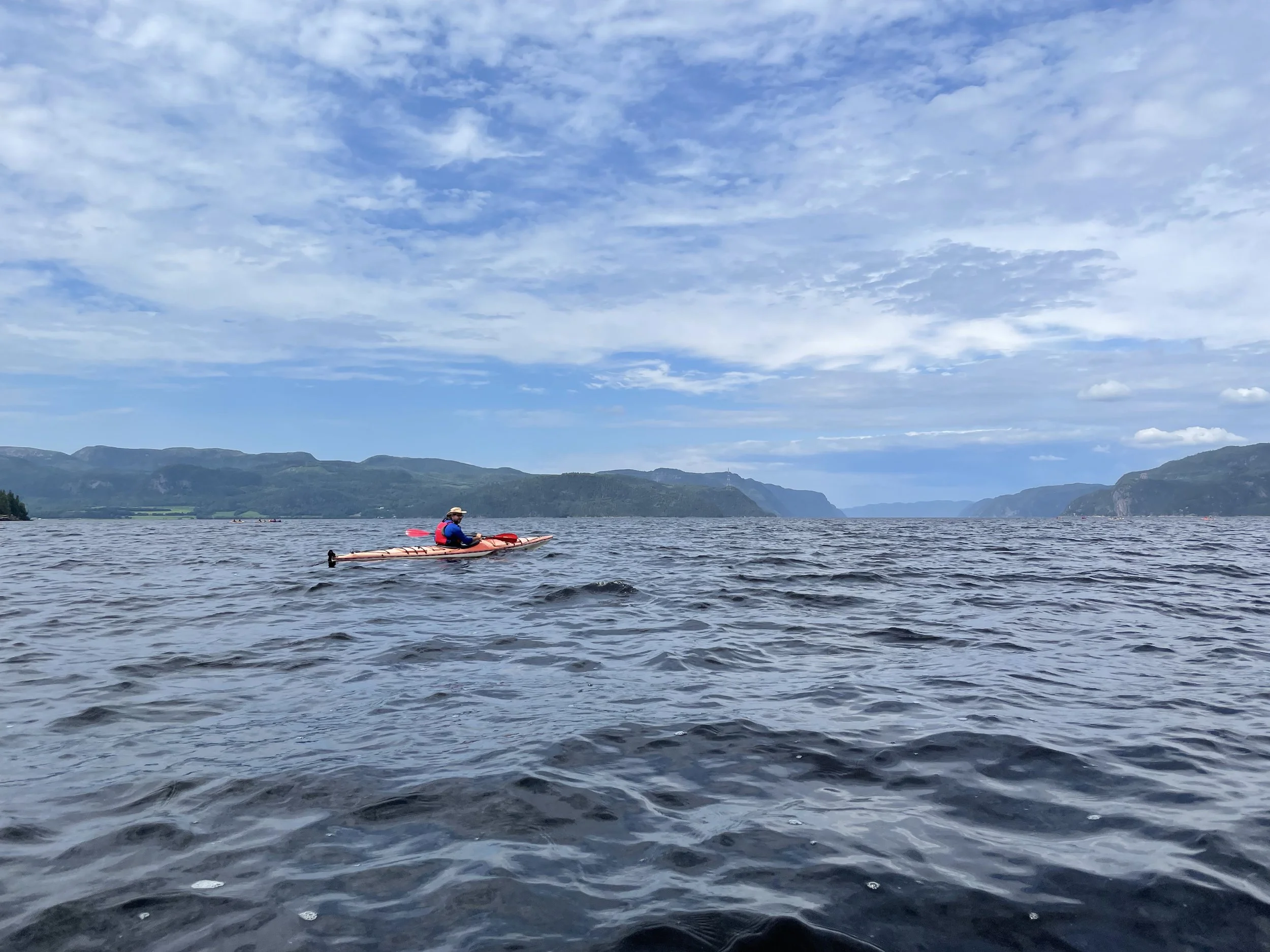
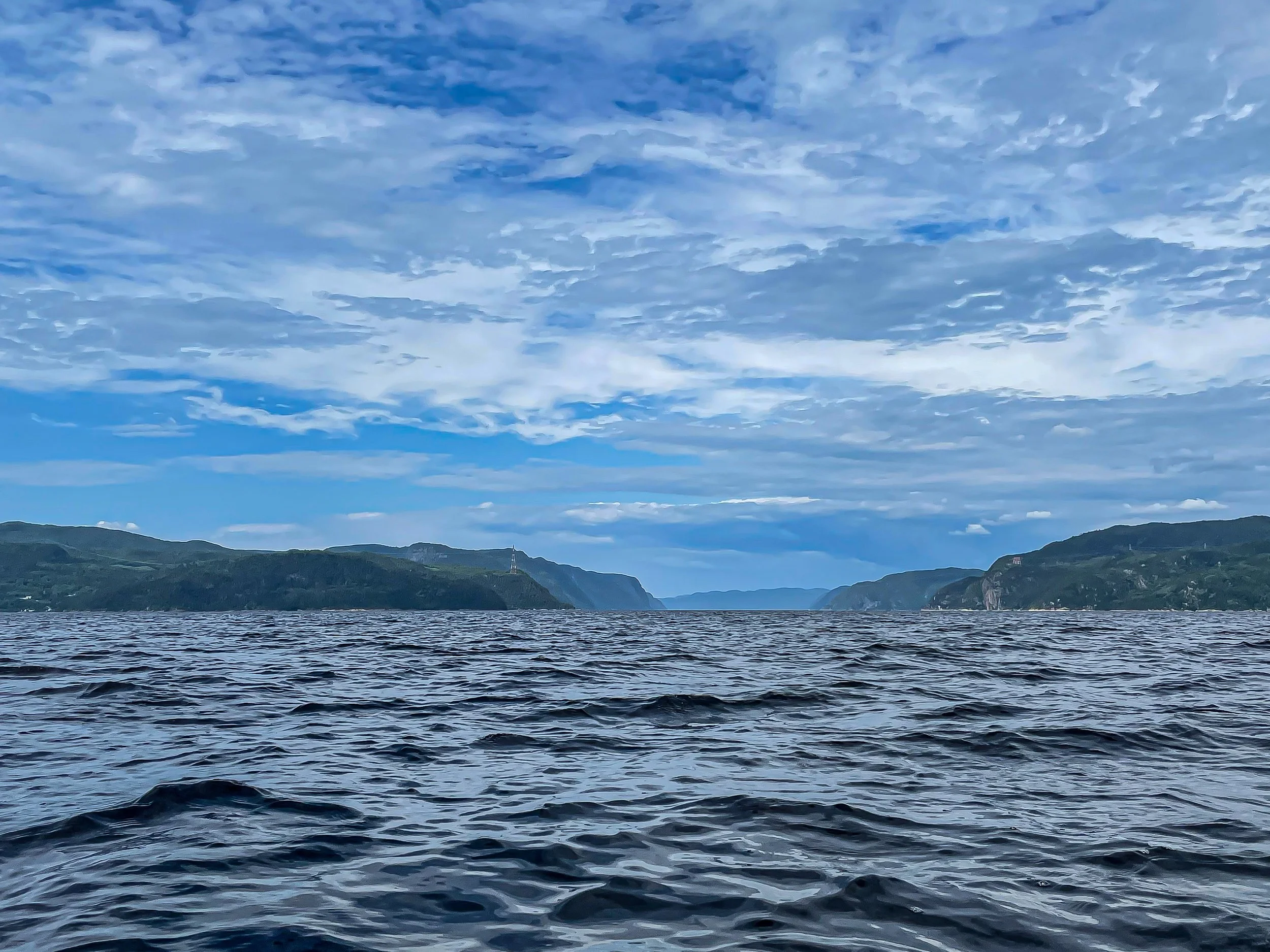
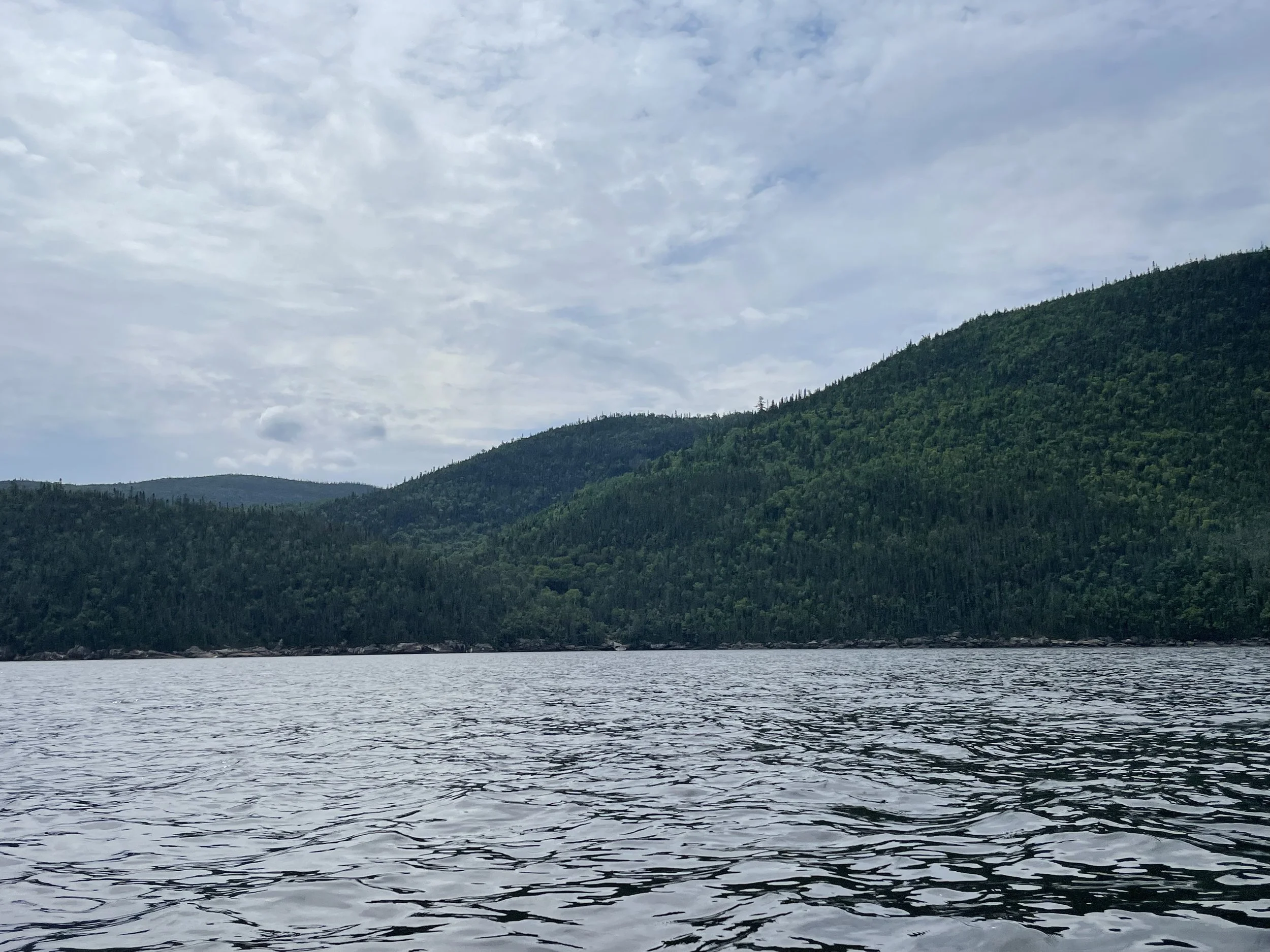
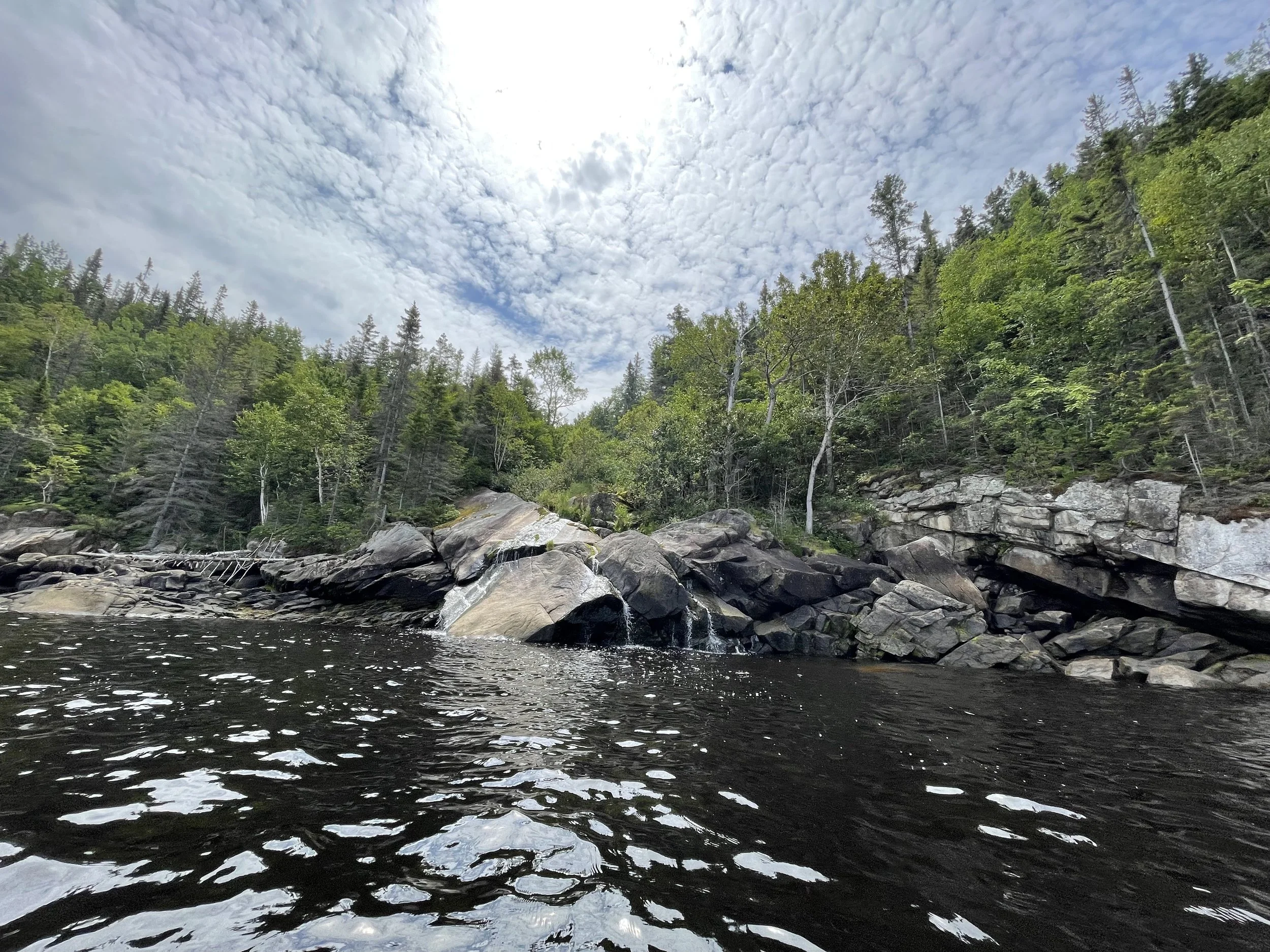
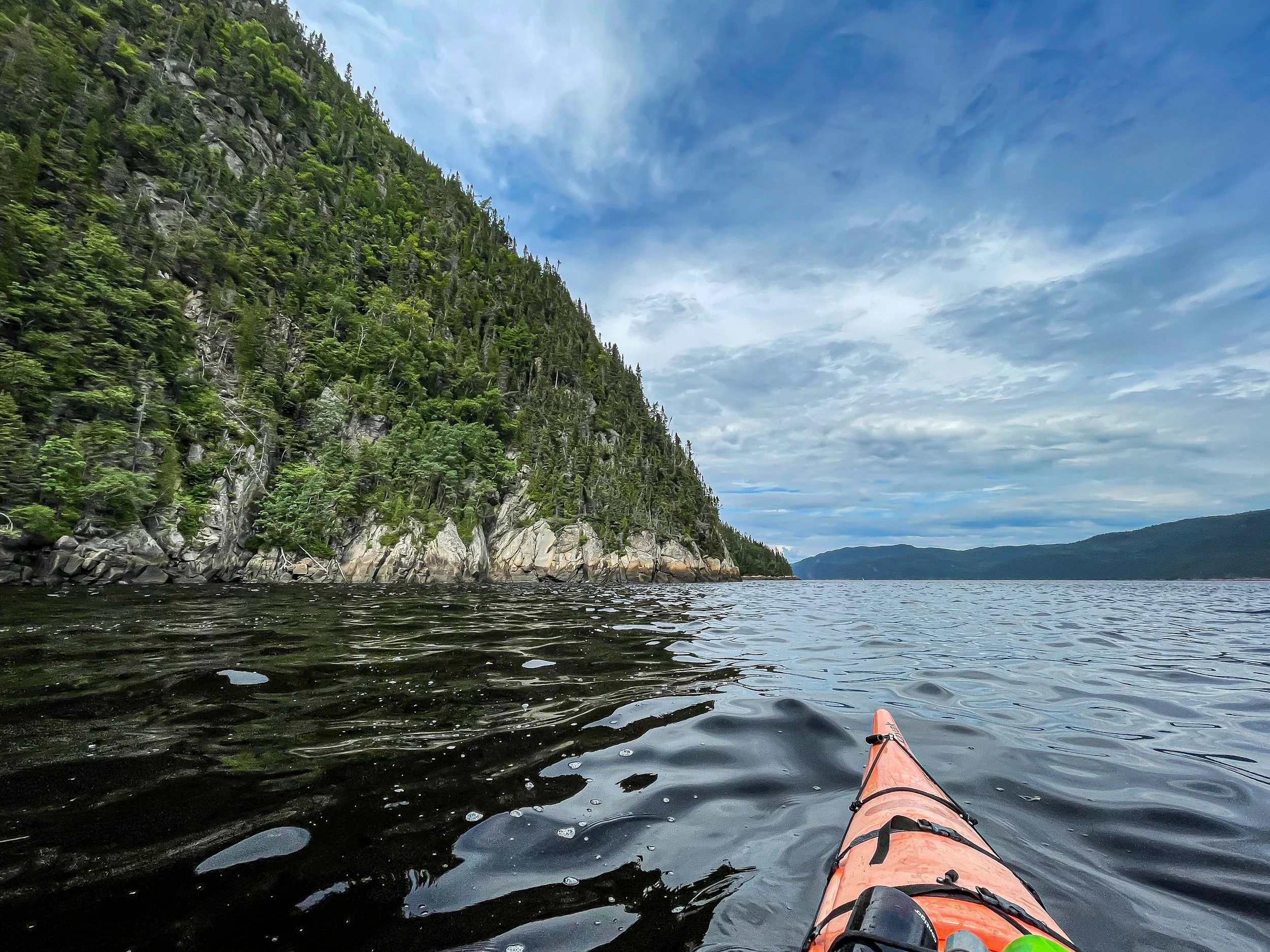
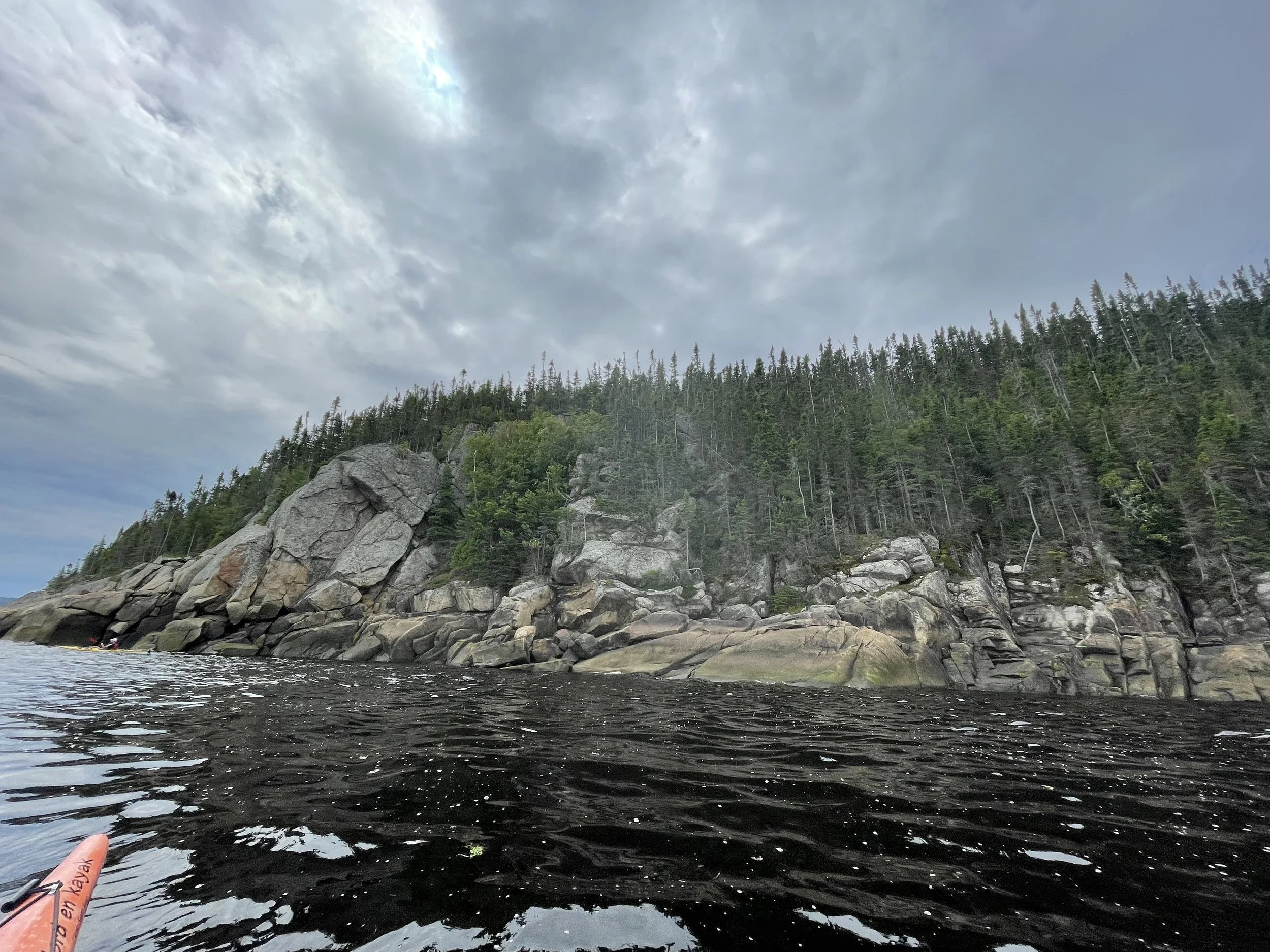
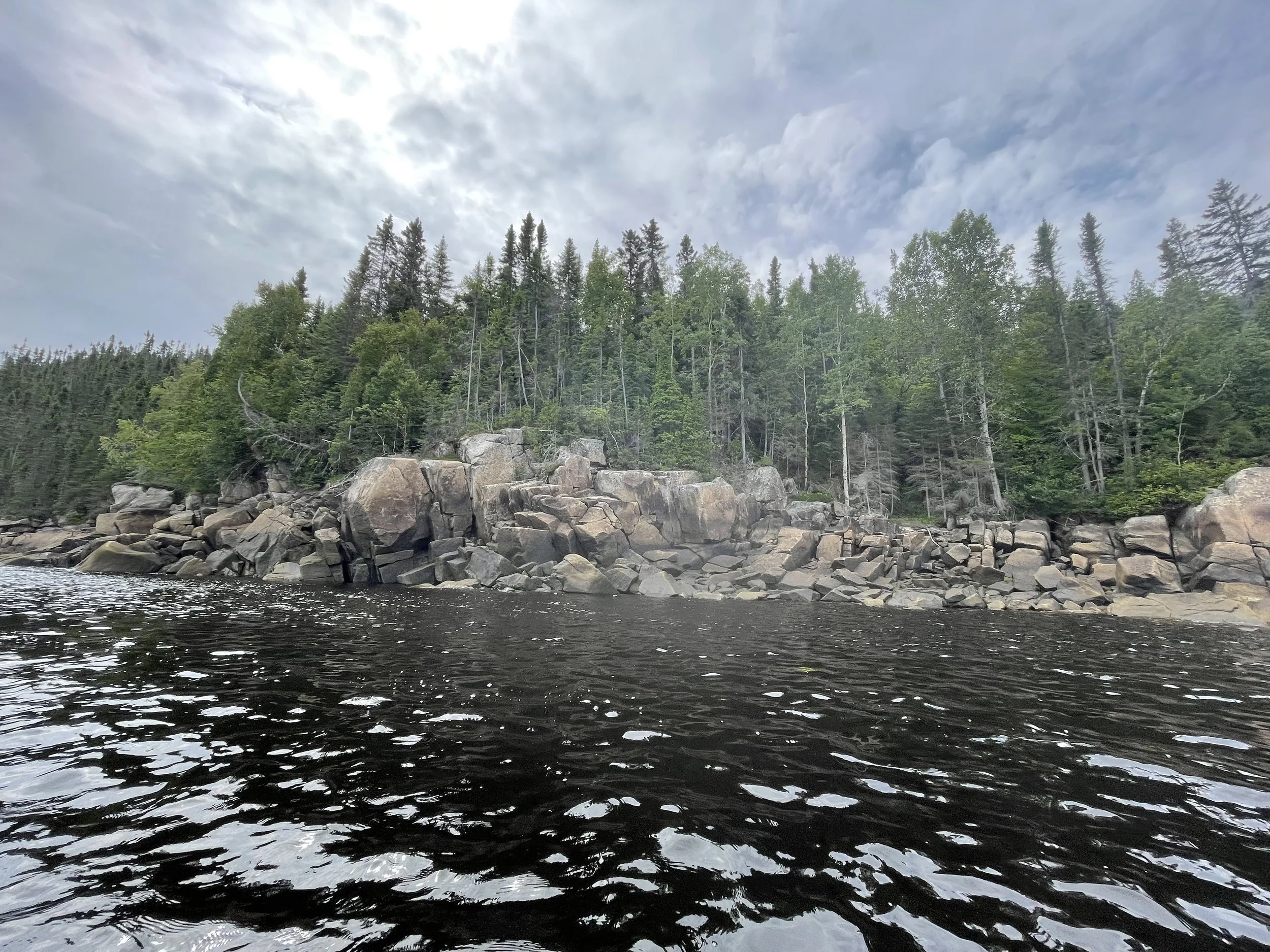
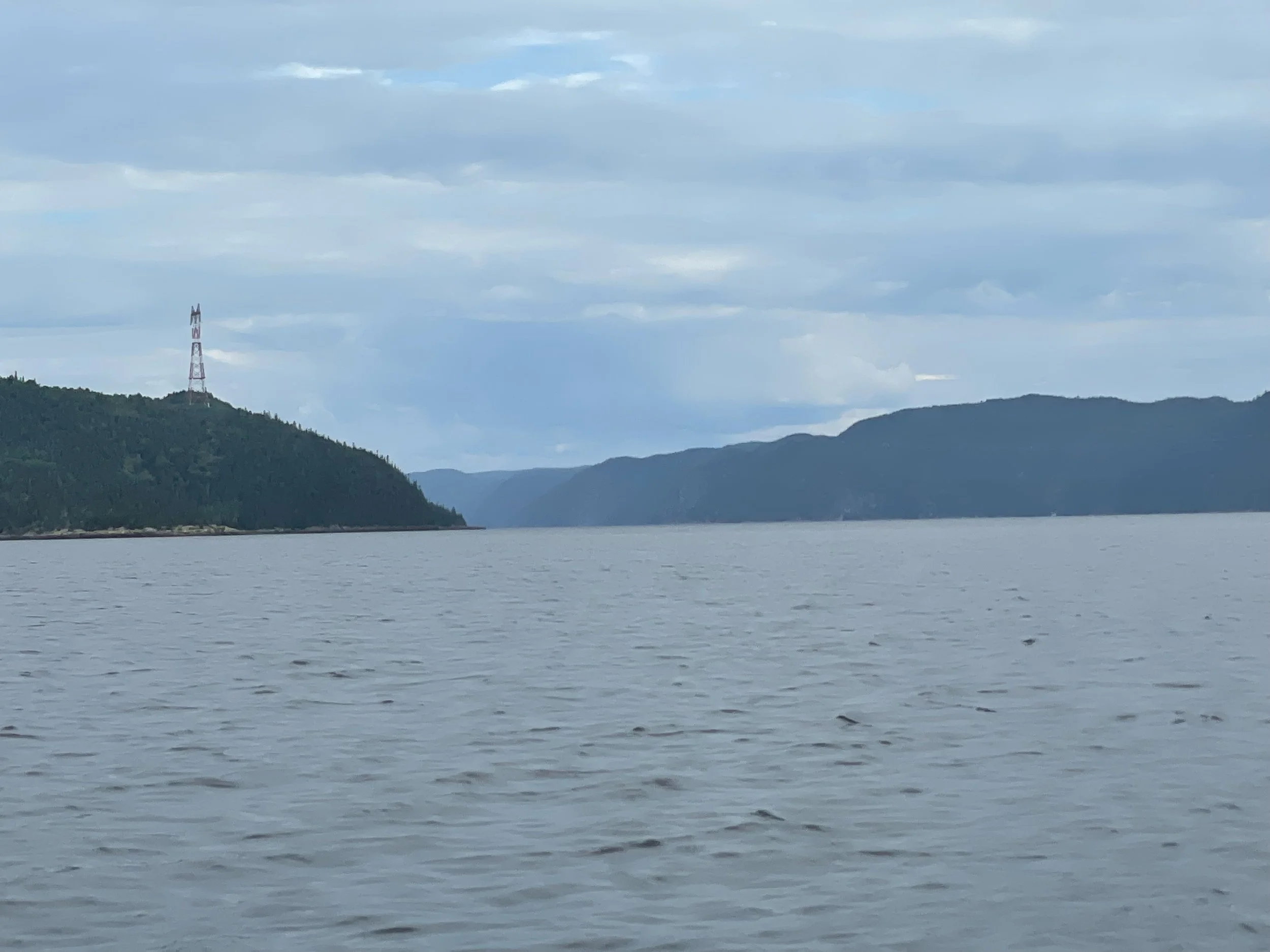
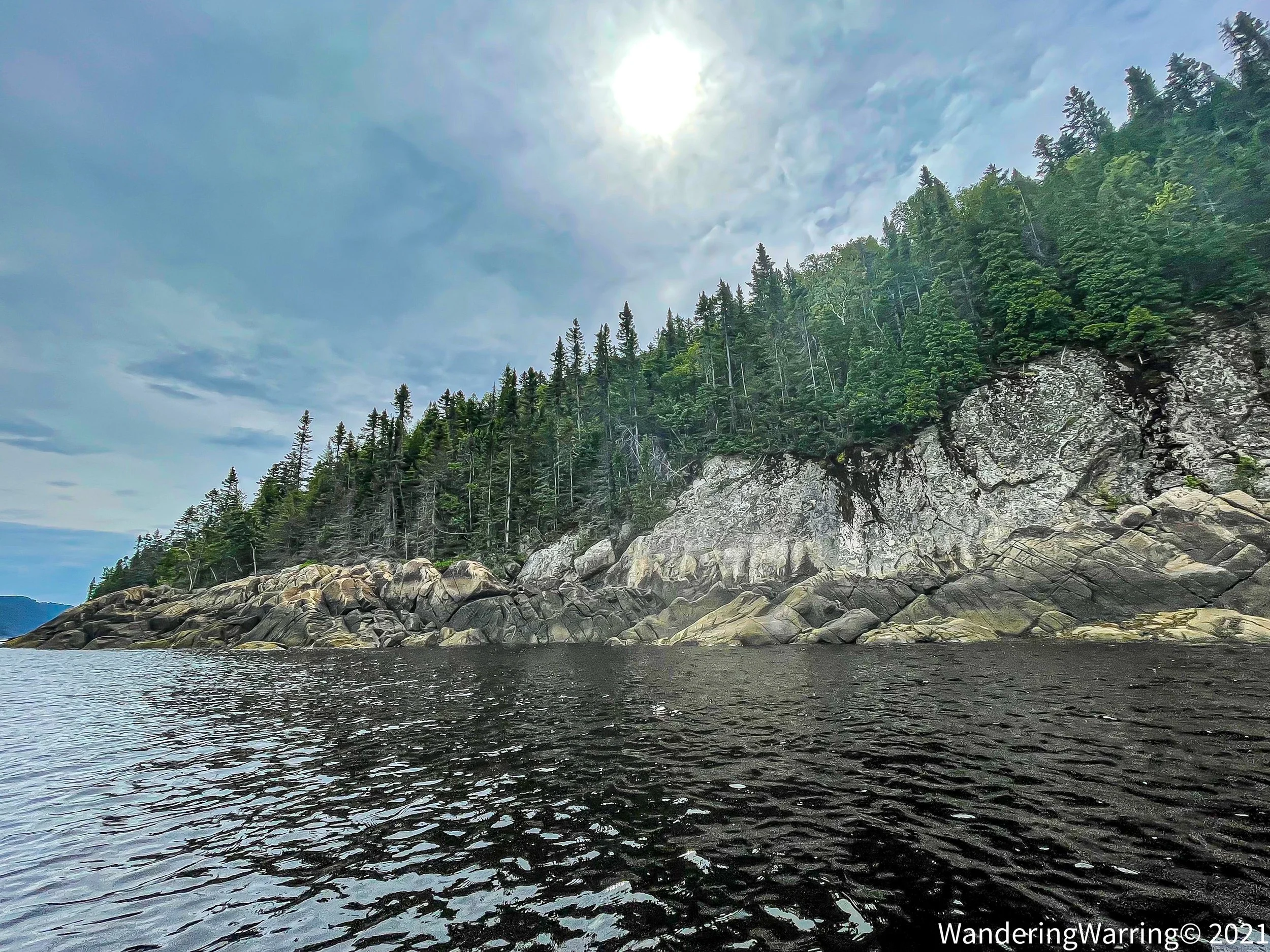
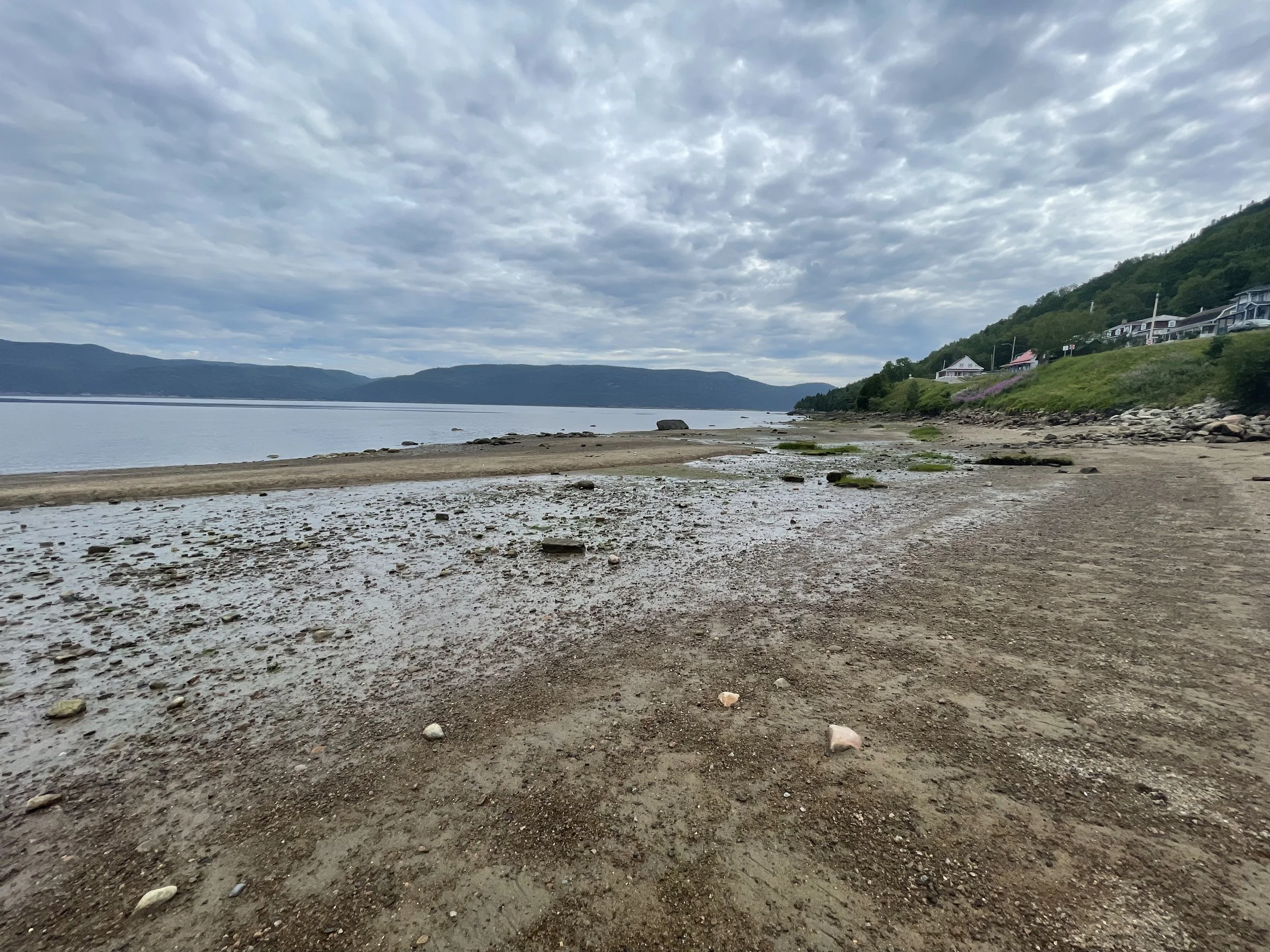
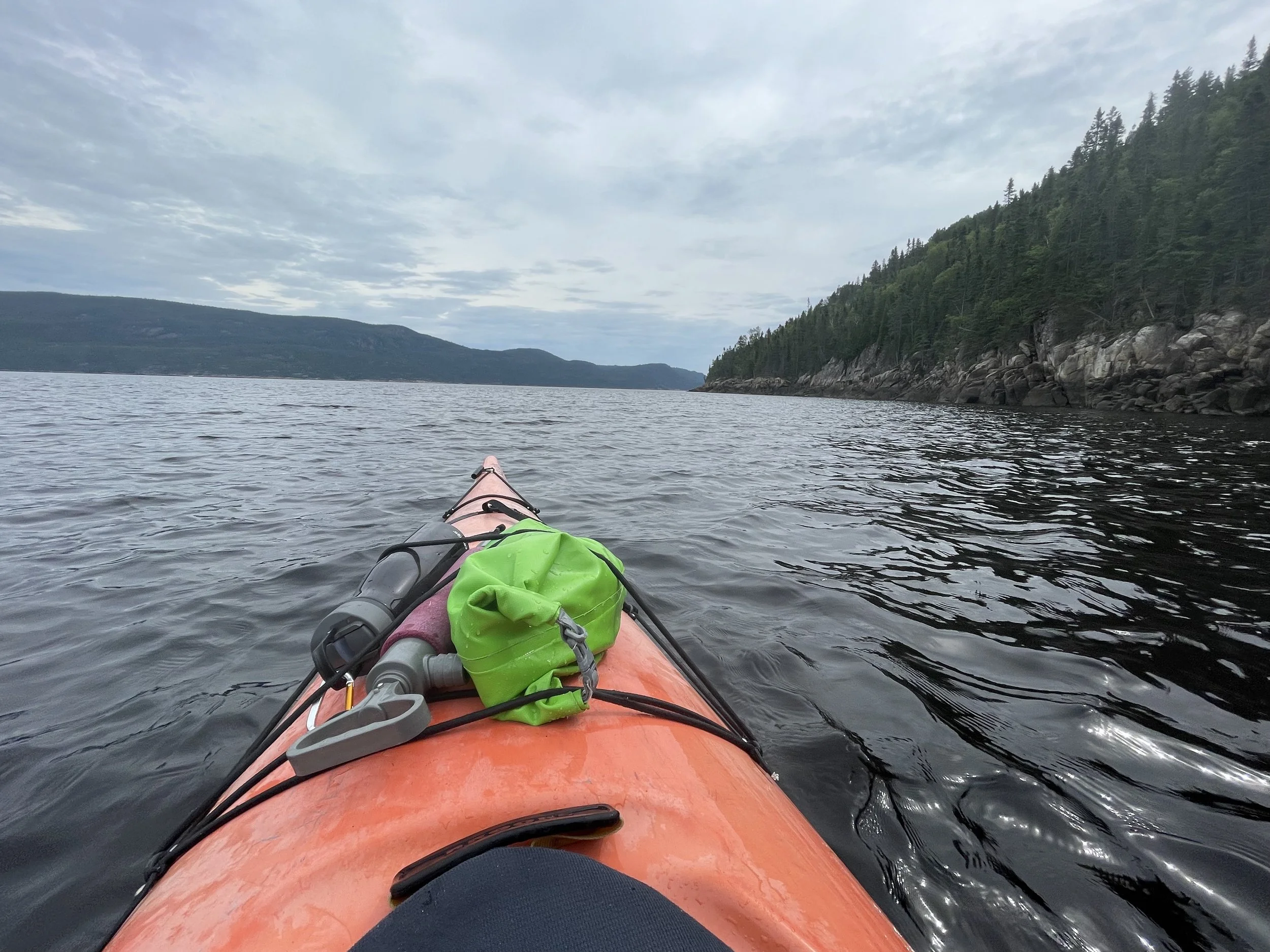
Imagine gliding on rich waters through a narrow, deep blue corridor cut out ancient glaciers, granite cliffs towering to the sky as you pass.
Follow winding roads north from Quebec City through the Lac-Saint-Jean countryside, historic french villages with their magnifent churches and storied past, you will end up on the western shores of the Saguenay Fjord.
The Saguenay Fjord offers a rare and unique layered marine ecosystem.
Here, a layer of freshwater pouring in from Lac Saint-Jean sits atop its dense salty seawater that flows in from the Atlantic via the St. Lawrence river.
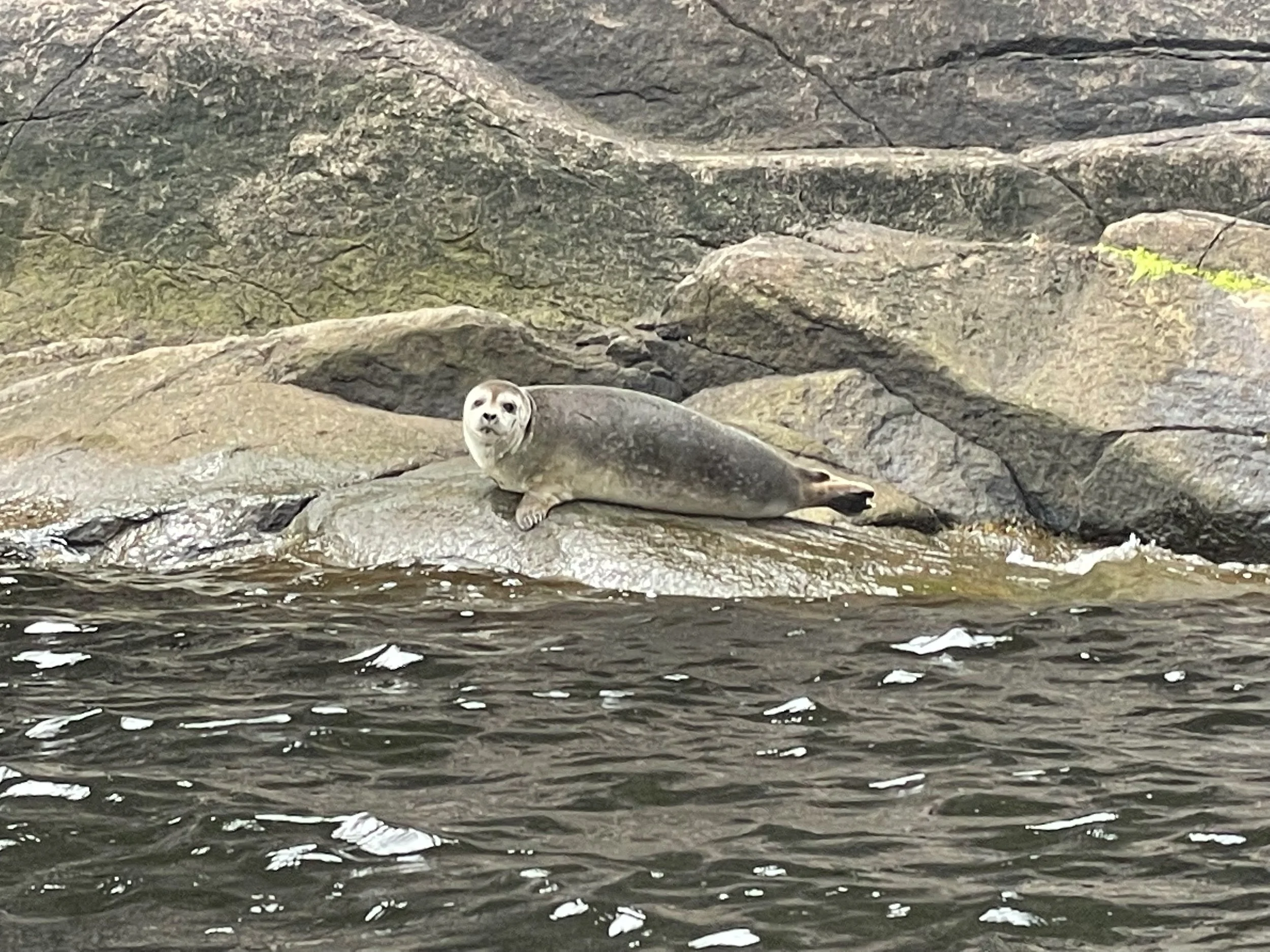
This combination offers a diverse array of marine life, including Beluga and Minke whales and if you’re lucky, you might just catch a seal sun bathing on the rocks along the shore.
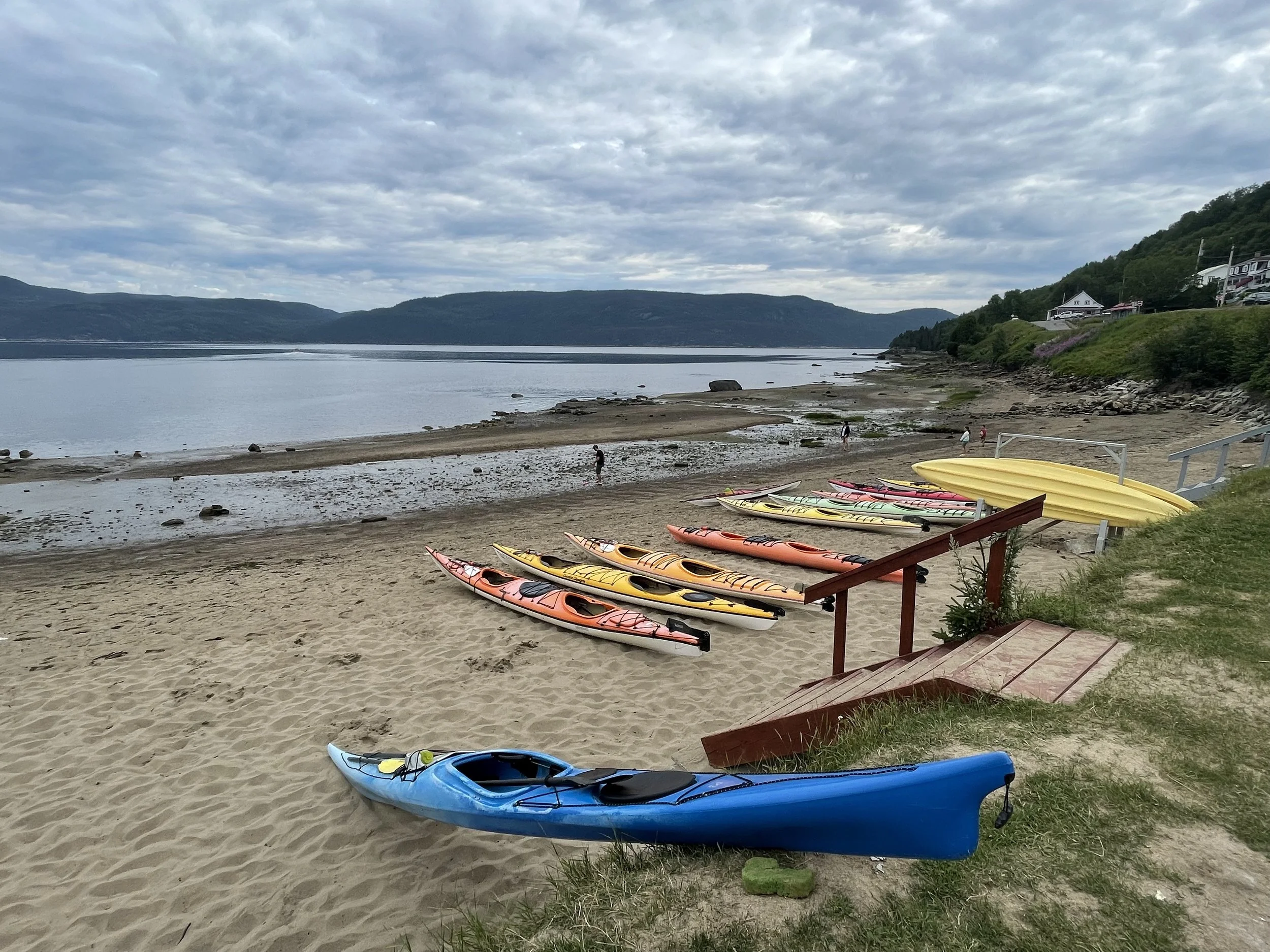
Rent yourself a kayak, and get out onto the fjord to experience this truly special environment. Guided tours are available for those who want to learn more about this rich and wondrous natural landscape.
Follow in the wake of Jacques Cartier, who explored this region in 1535, 65 years before French settlers first put roots down at Tadoussac, at the mouth of the Saguenay.
If the St. Lawrence built Canada, the Saguenay was certainly it’s humble partner, stretching north and allowing easy travel further into the northern interior.
Today it is a highly underrated natural retreat where paddlers, hikers and wildlife lovers flock to experience all of the wonders the Saguenay Fjord has to offer.
Cool breeze, clear waters and sunny skies will guide you along as you explore this unbelievable, lesser known gem in the Quebec wilderness.
Make sure to bring your camera!
11. Canmore, Alberta
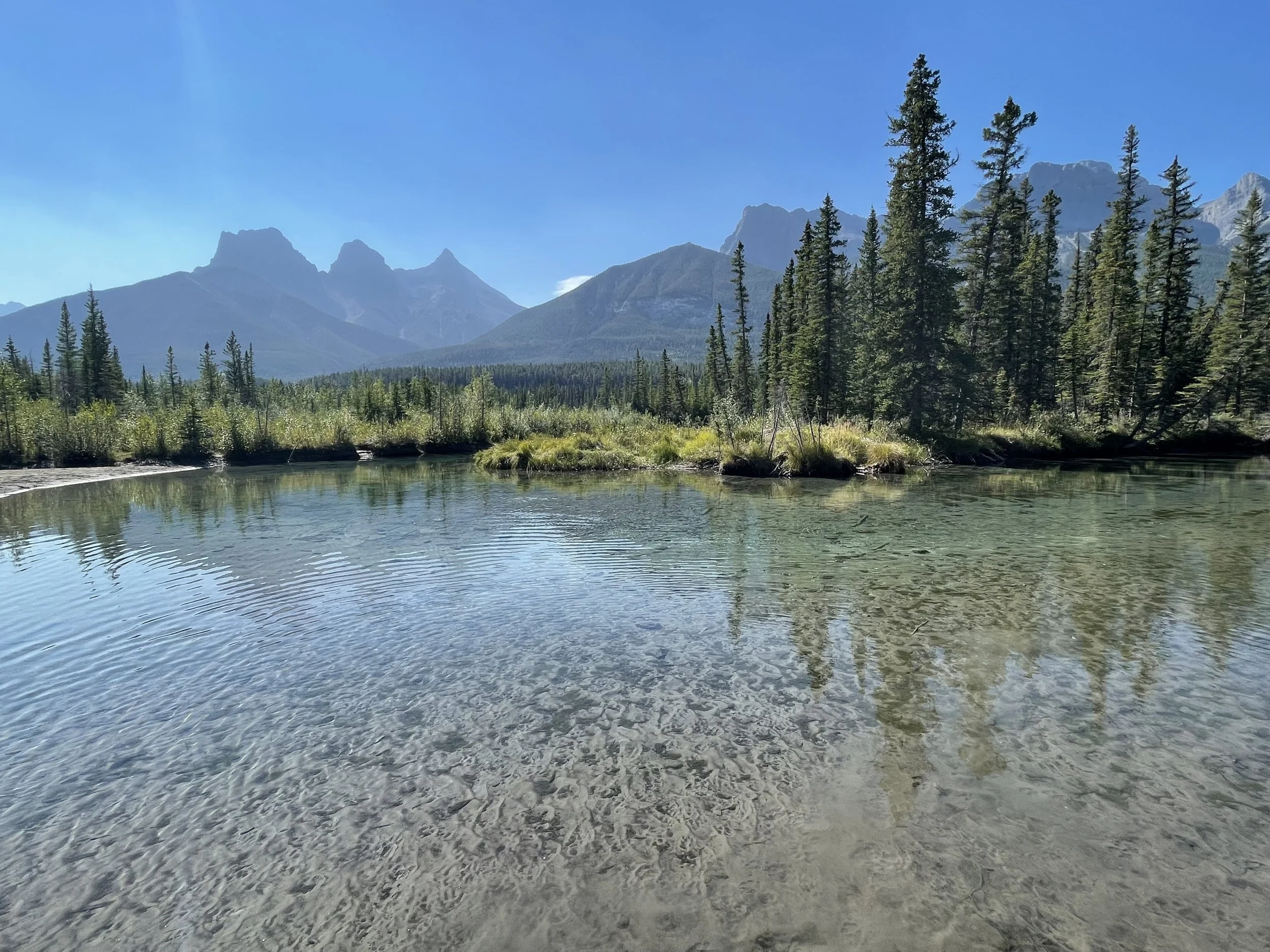
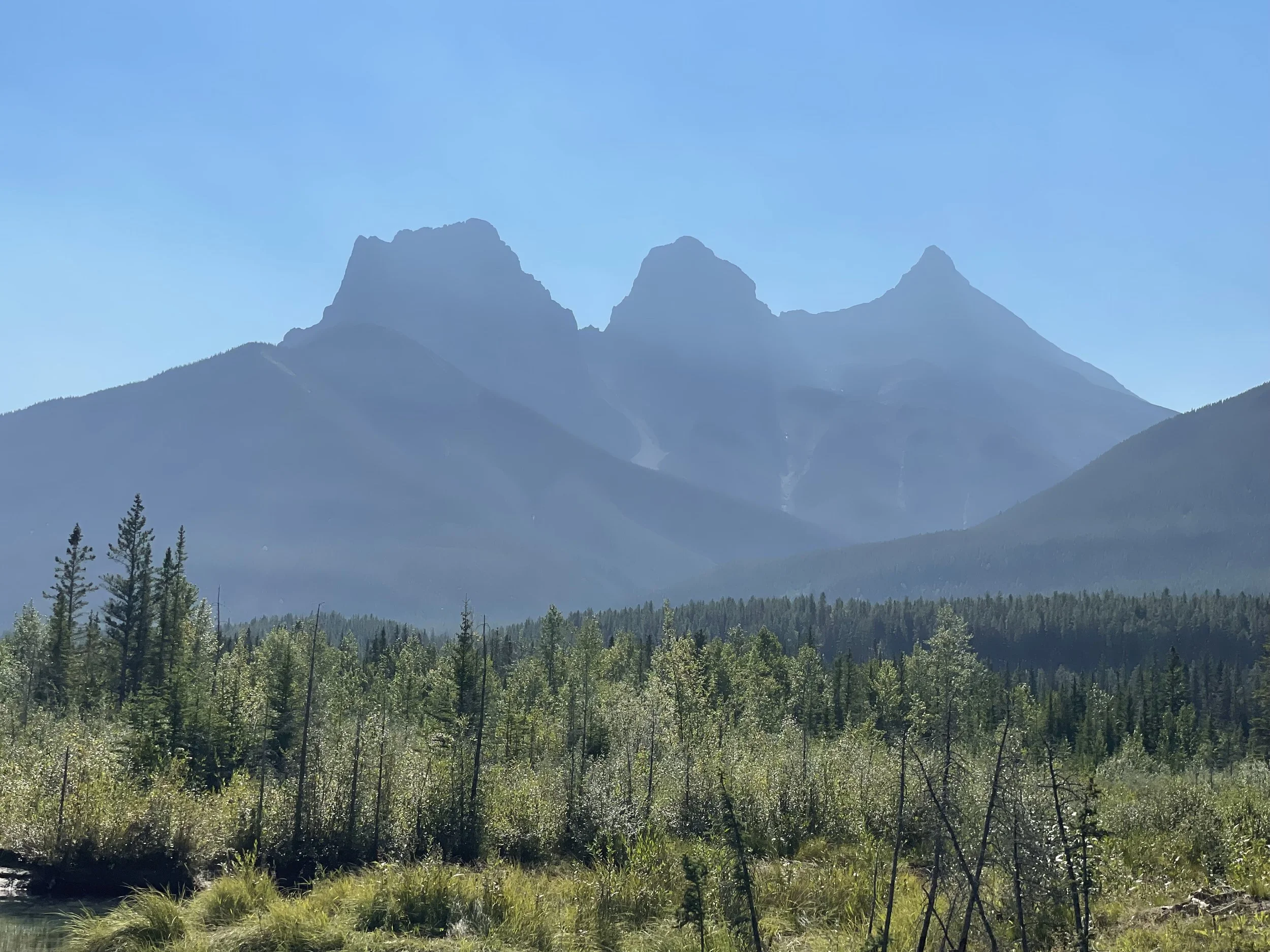
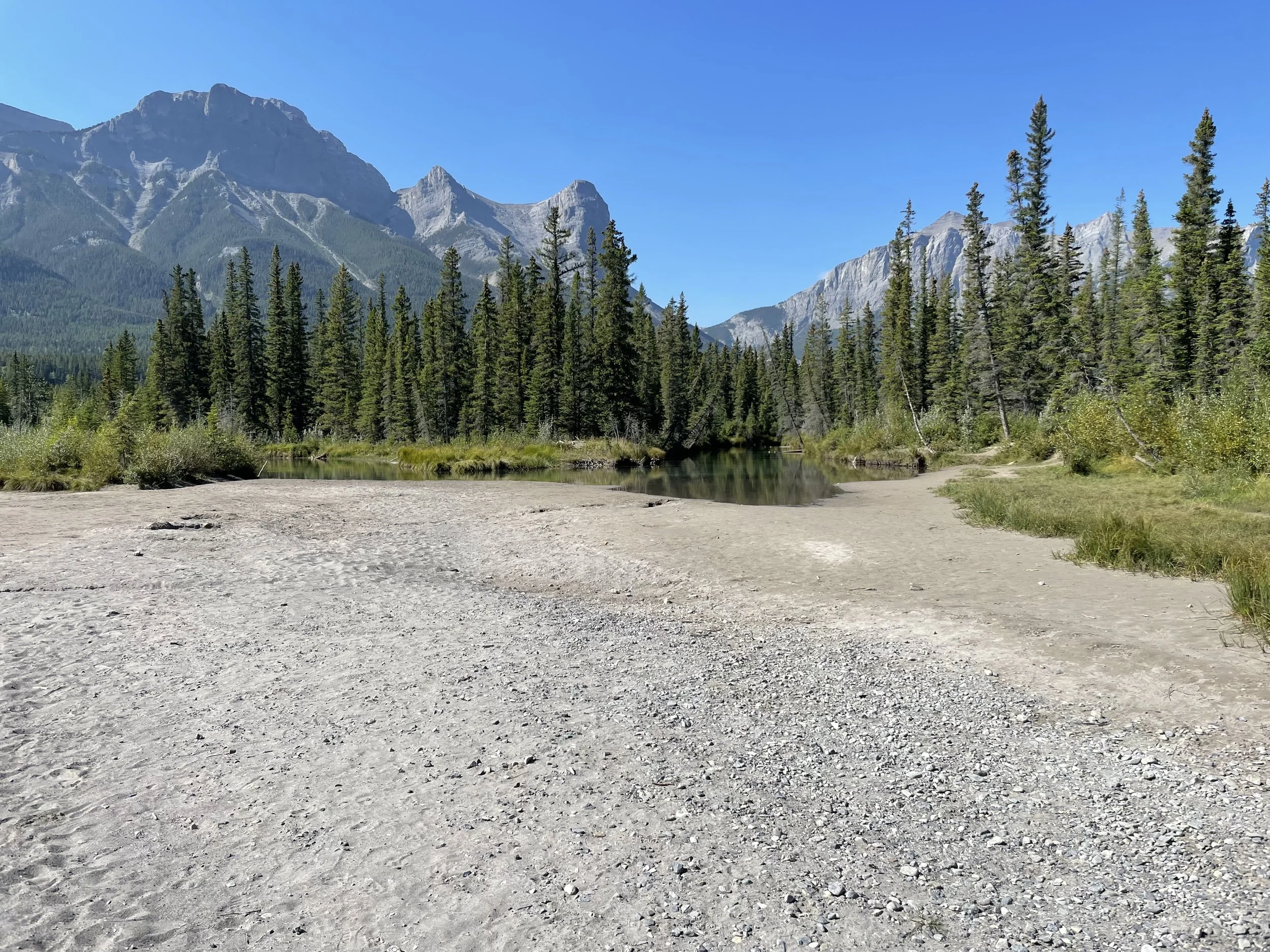
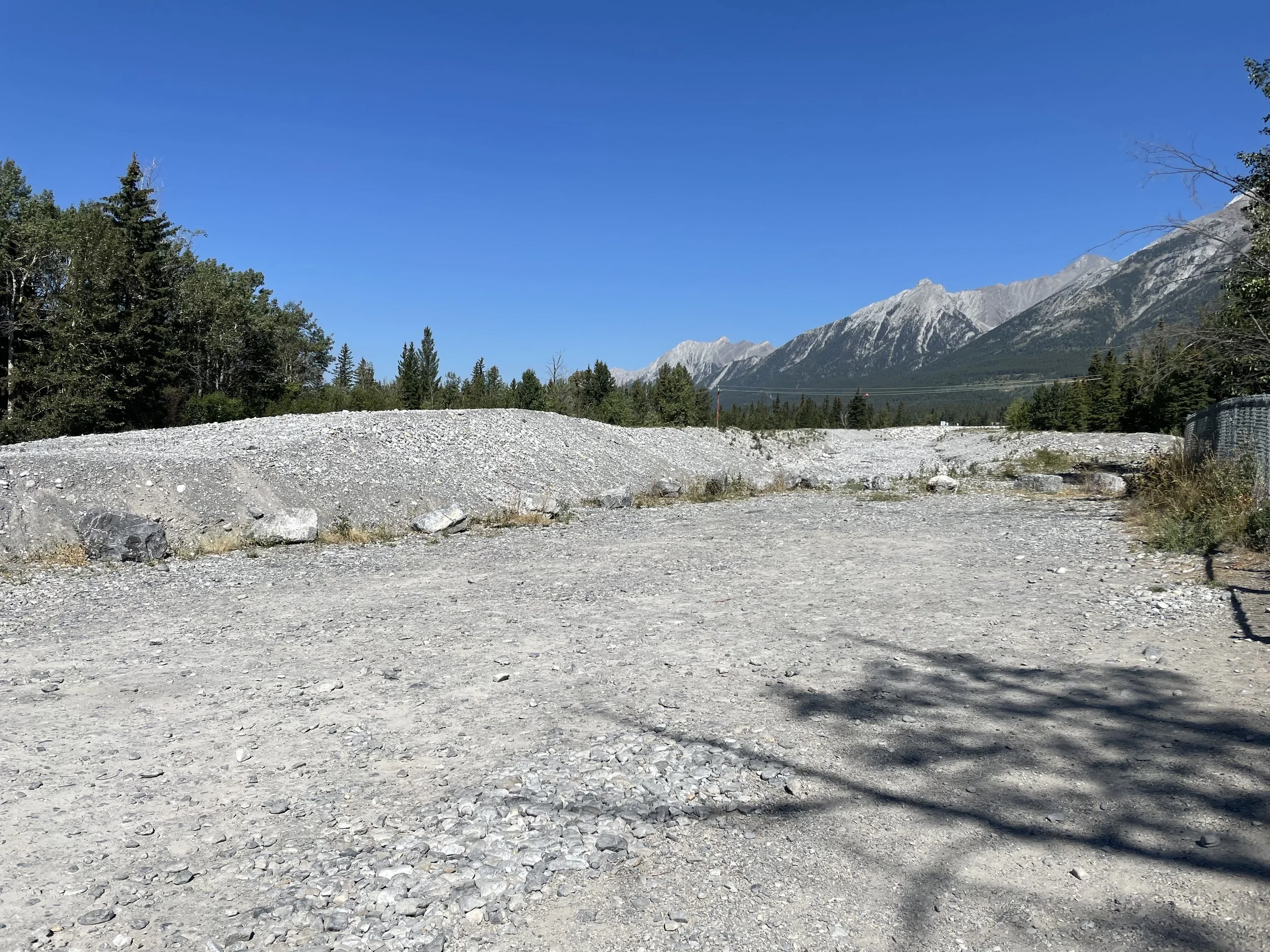
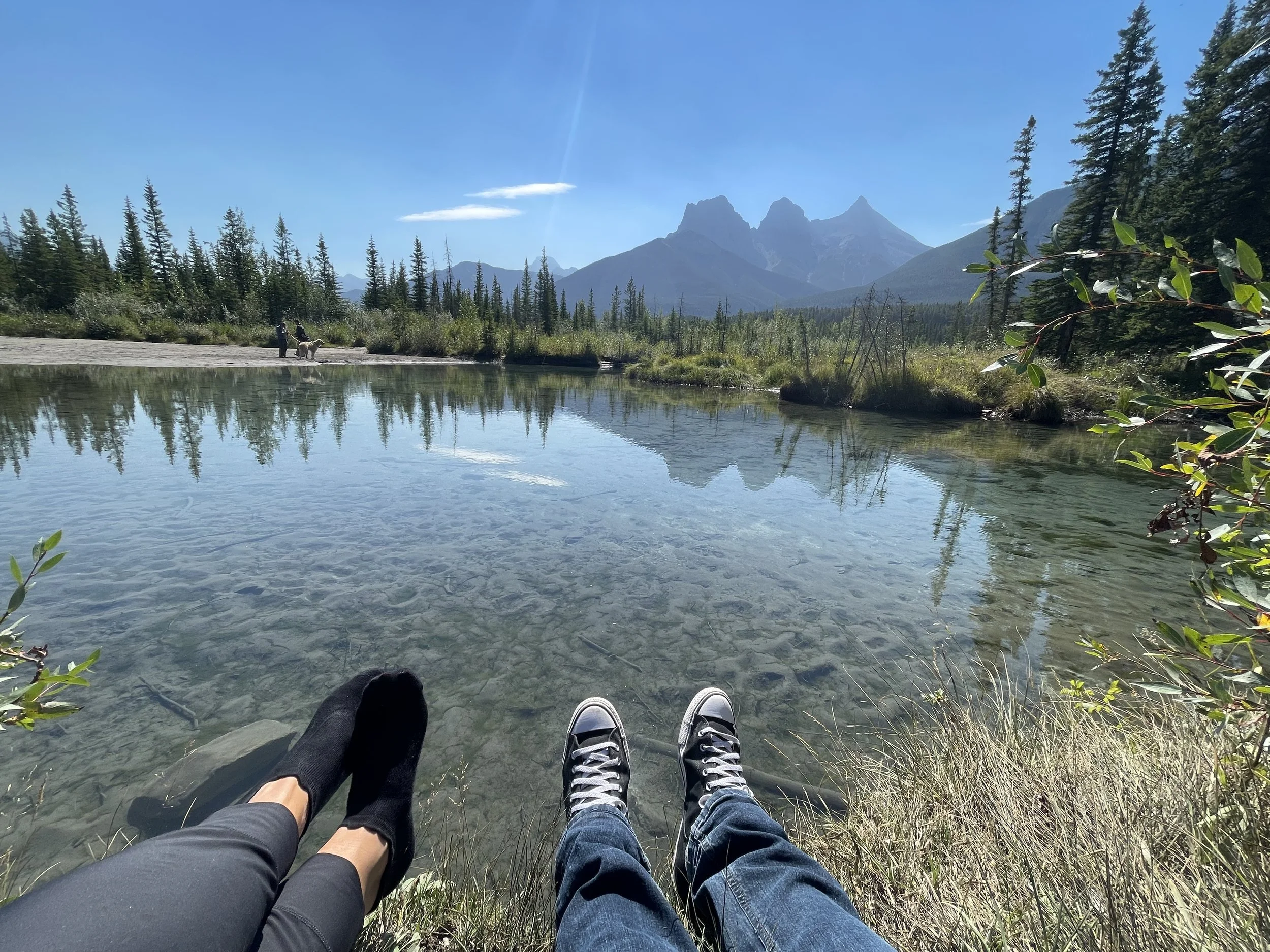
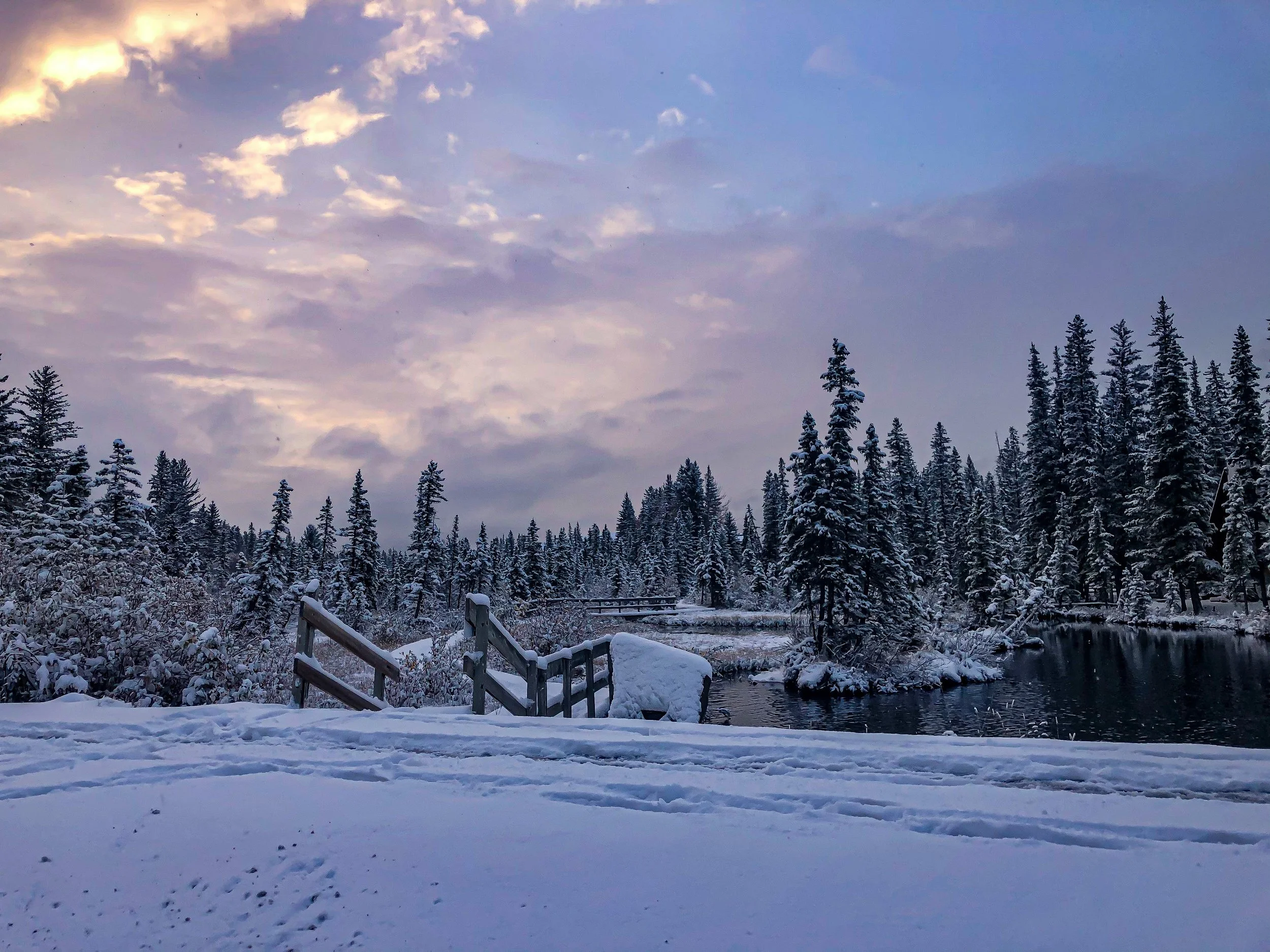
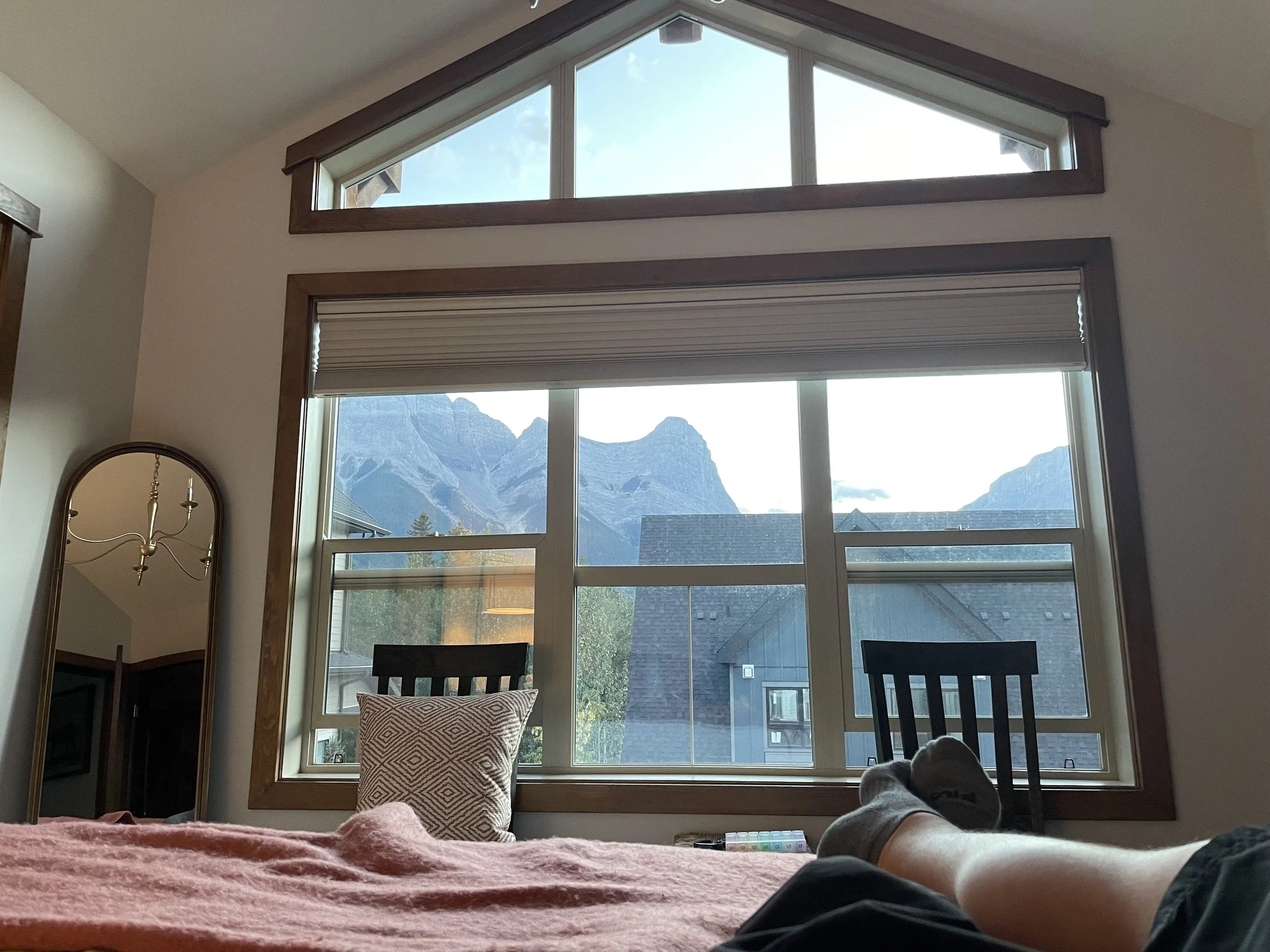
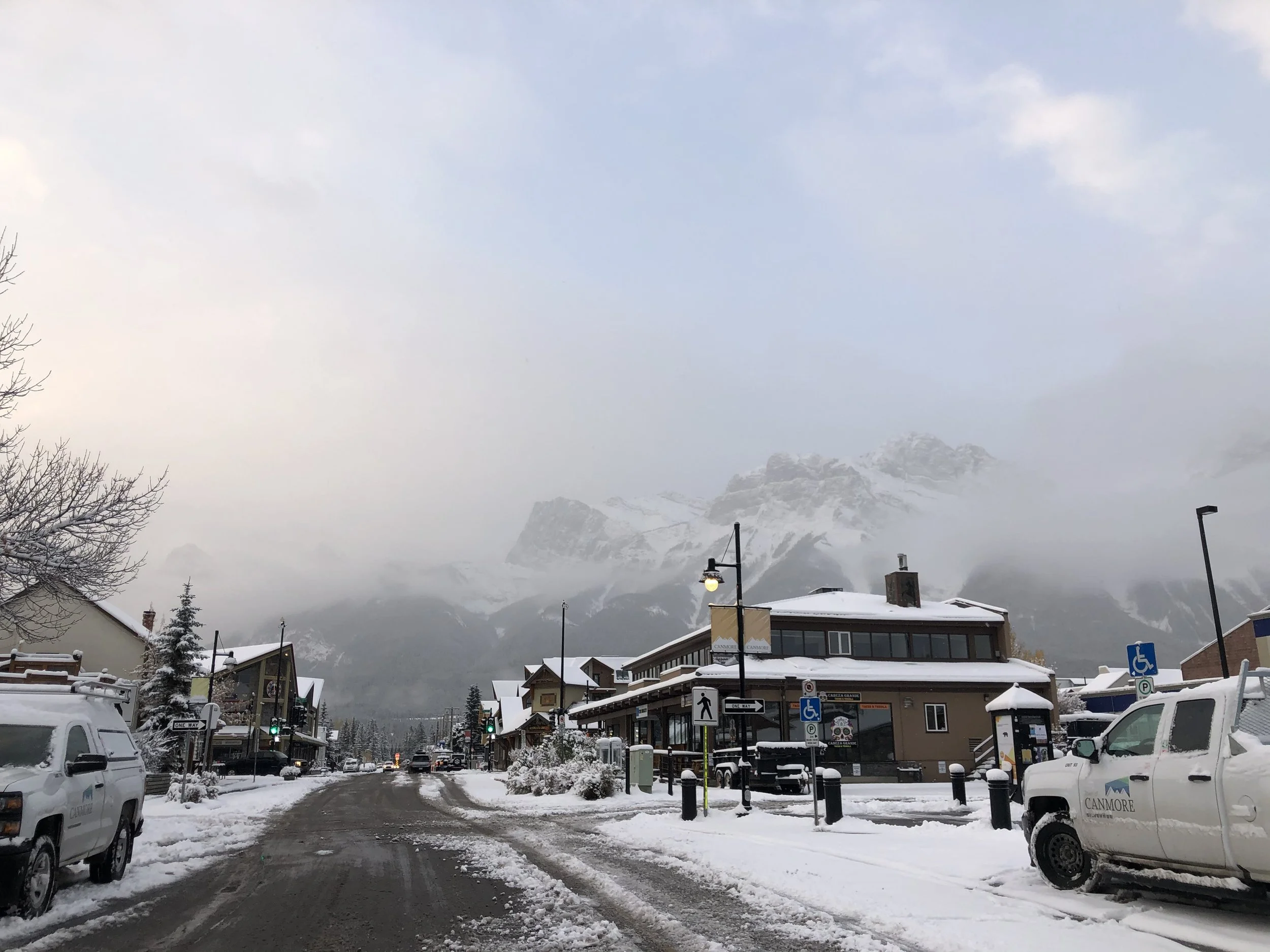
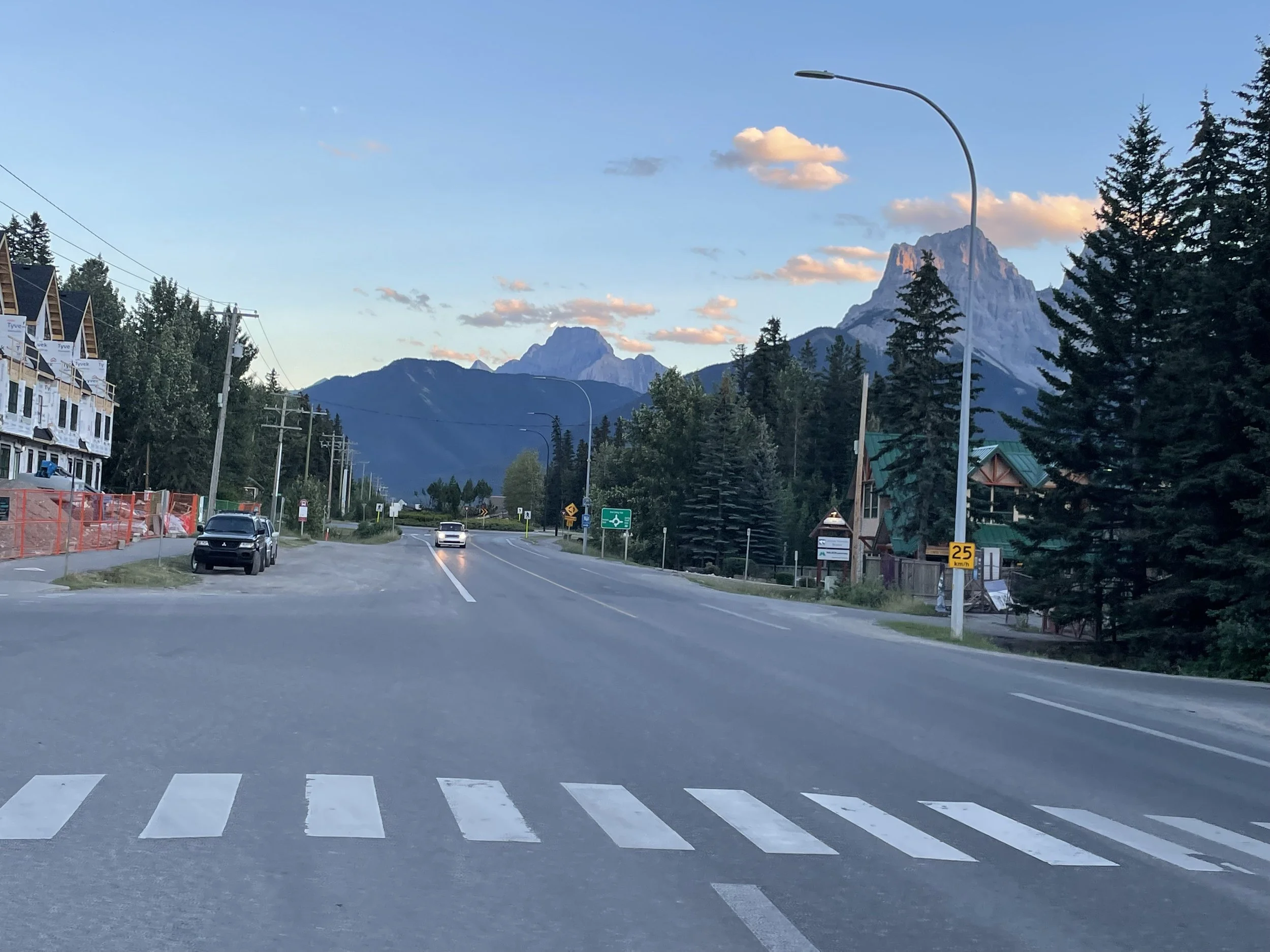

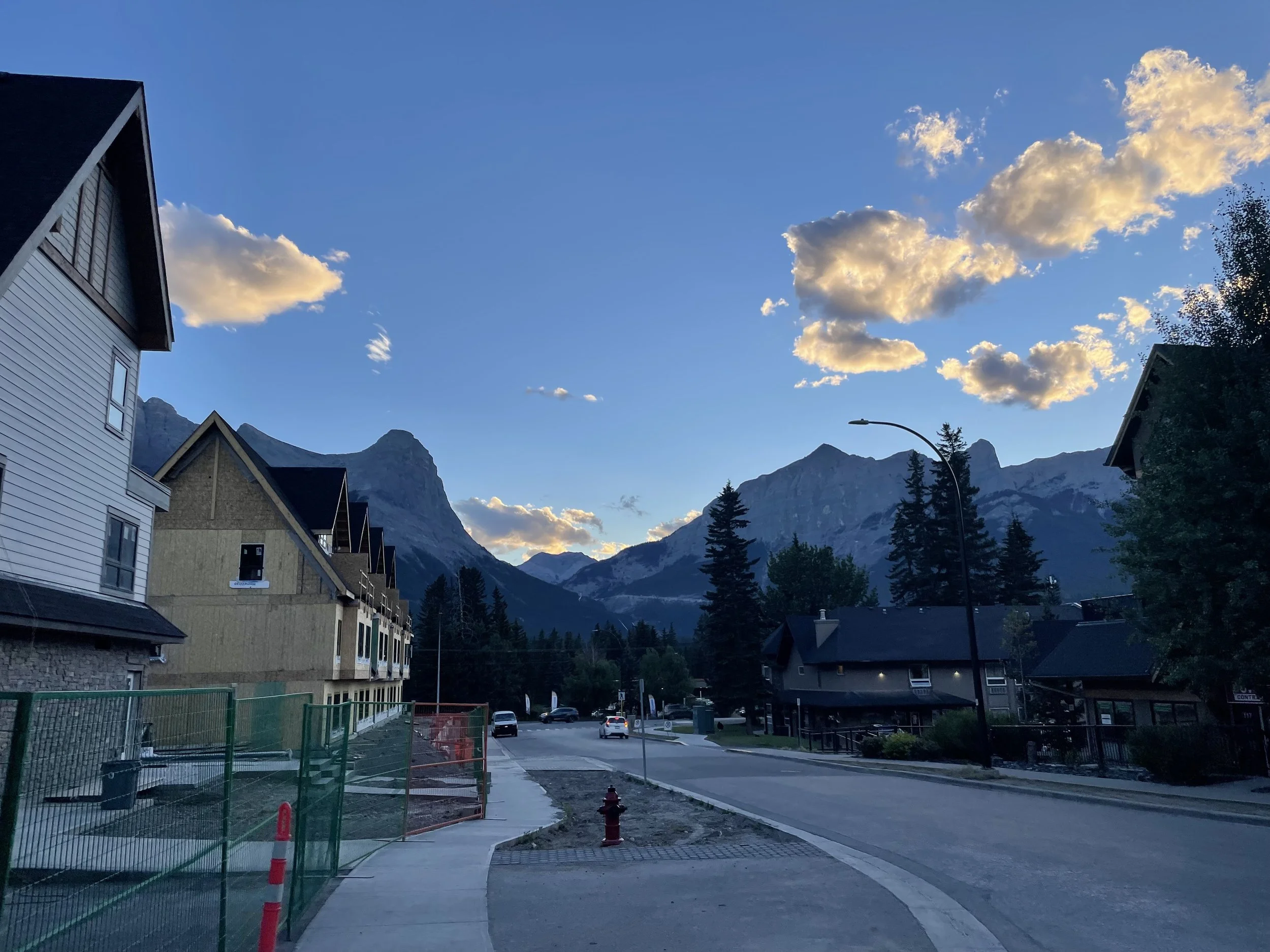
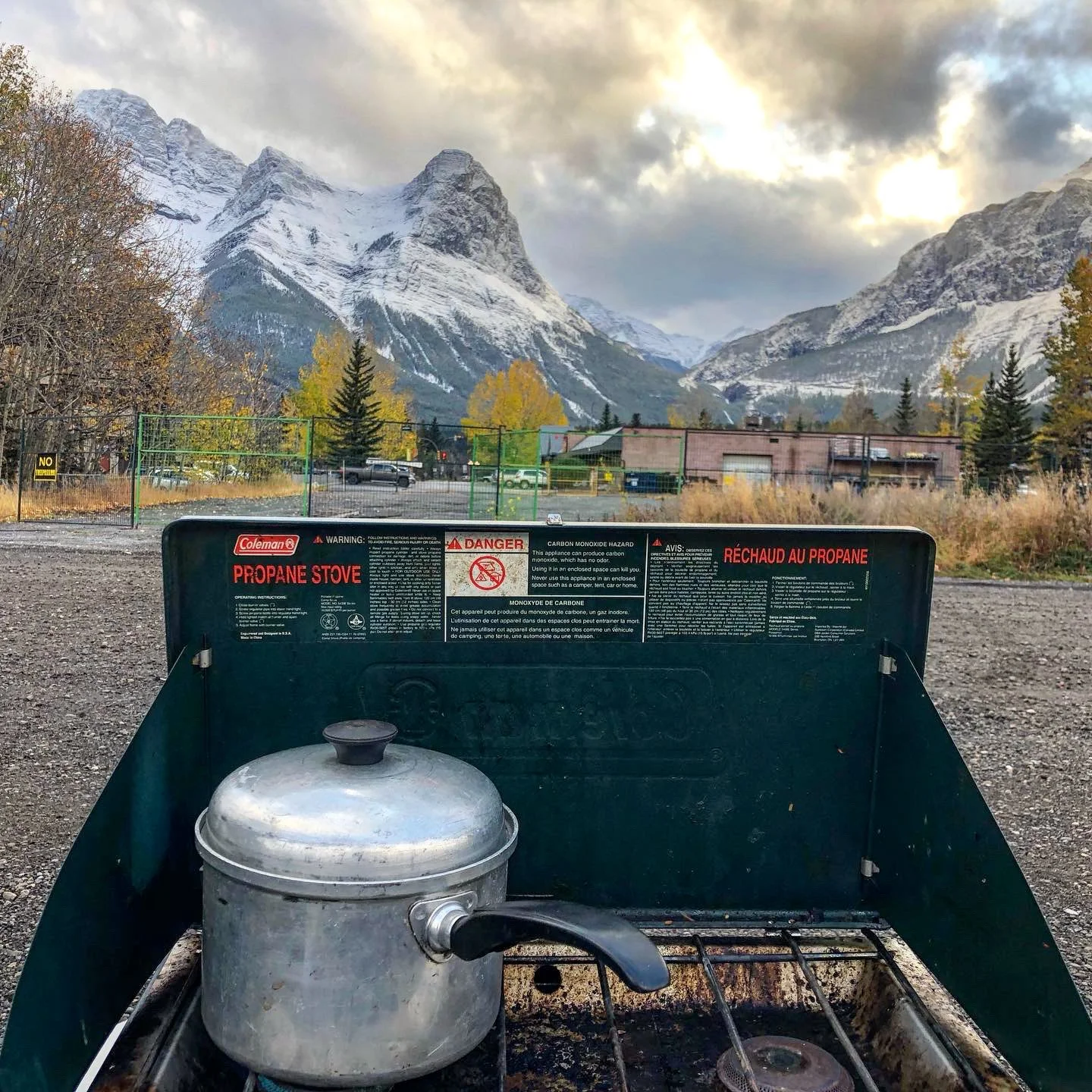
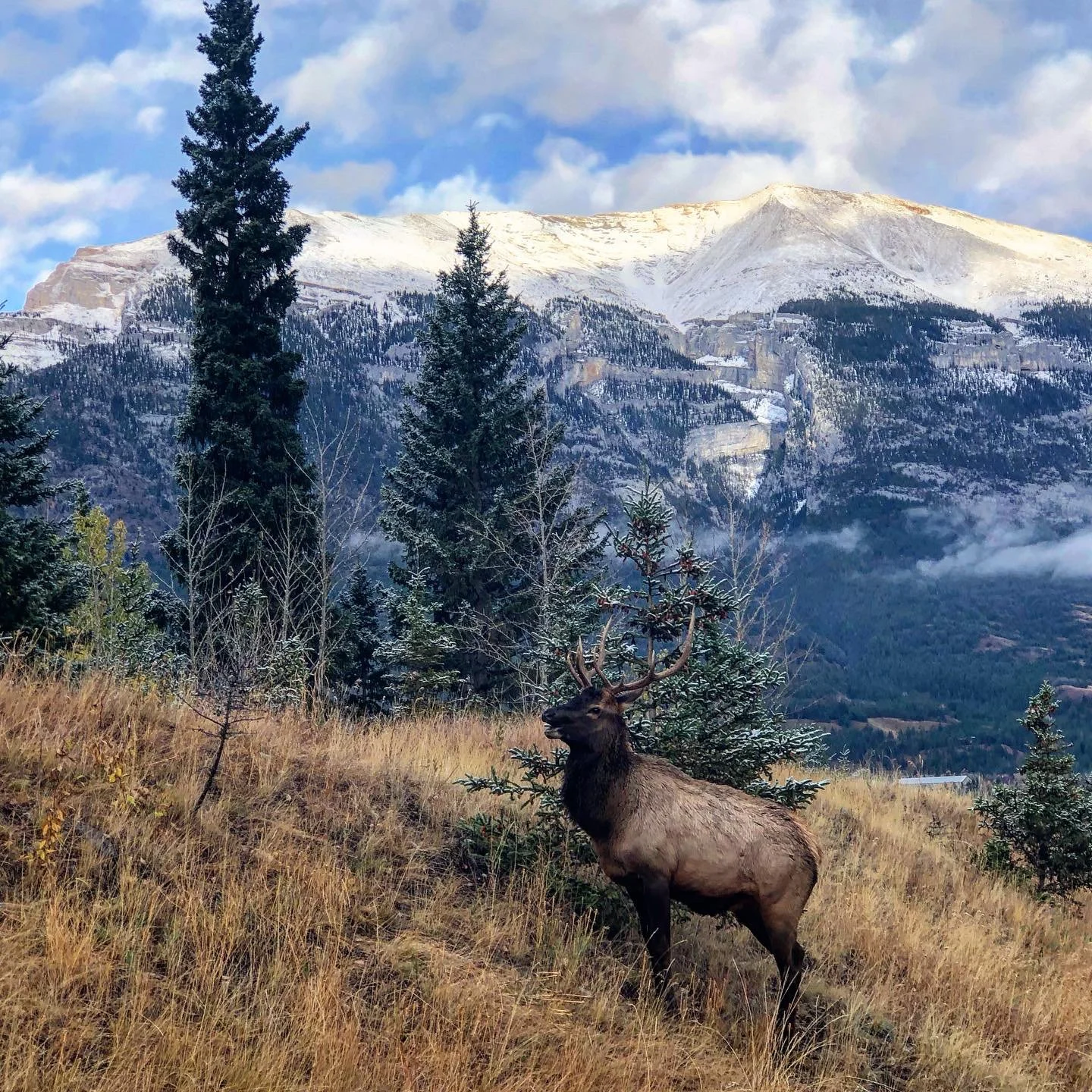
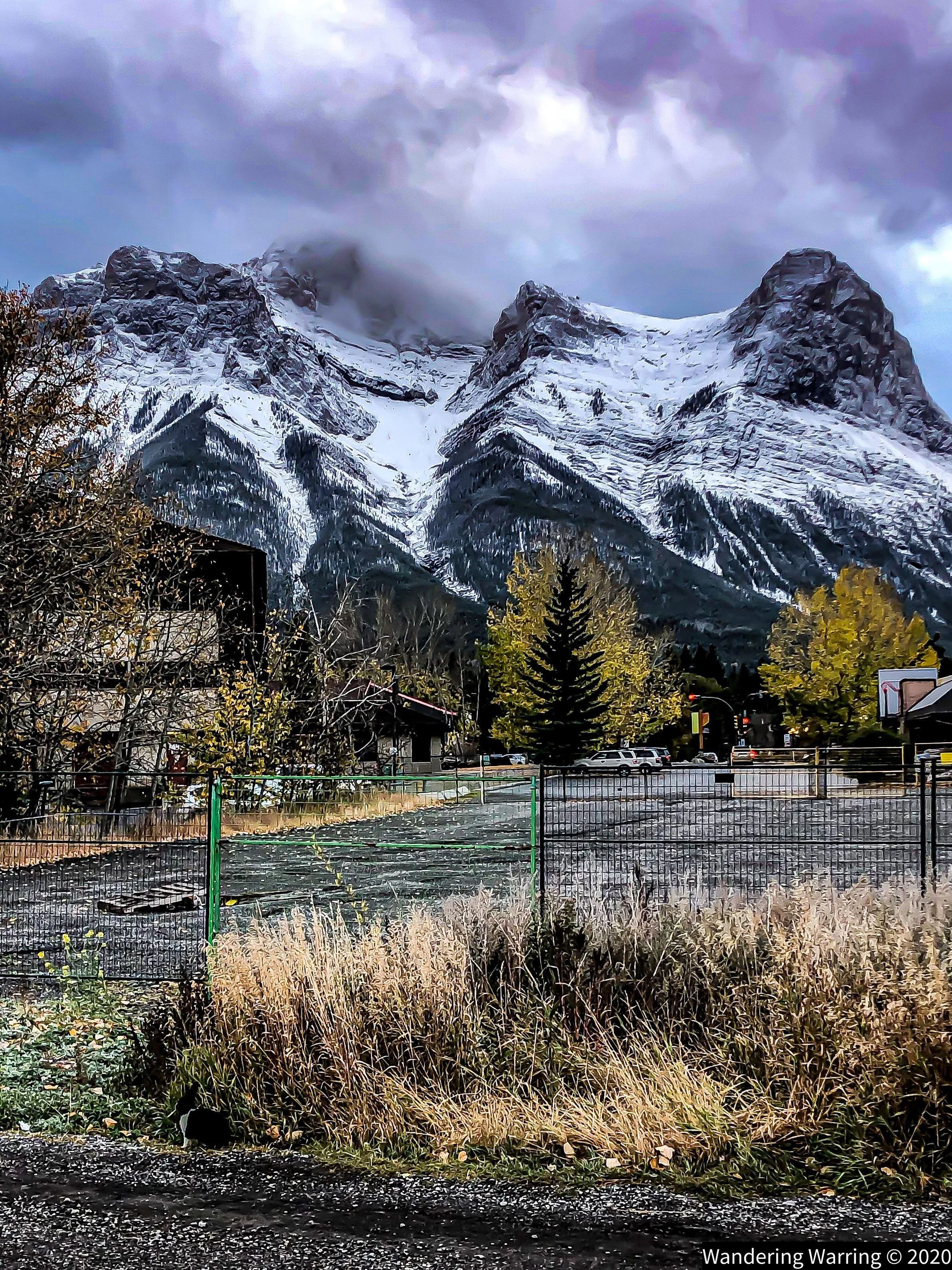
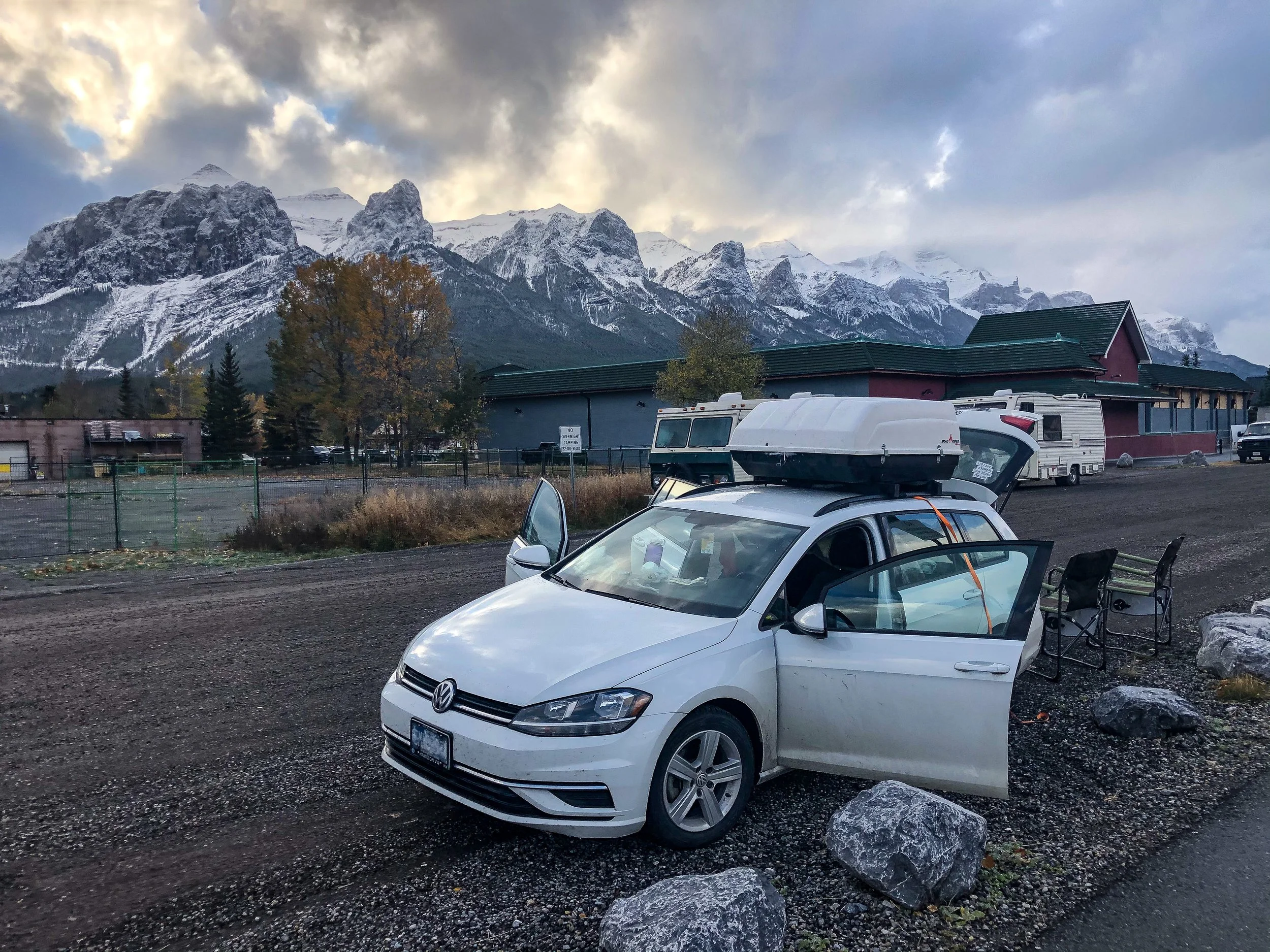
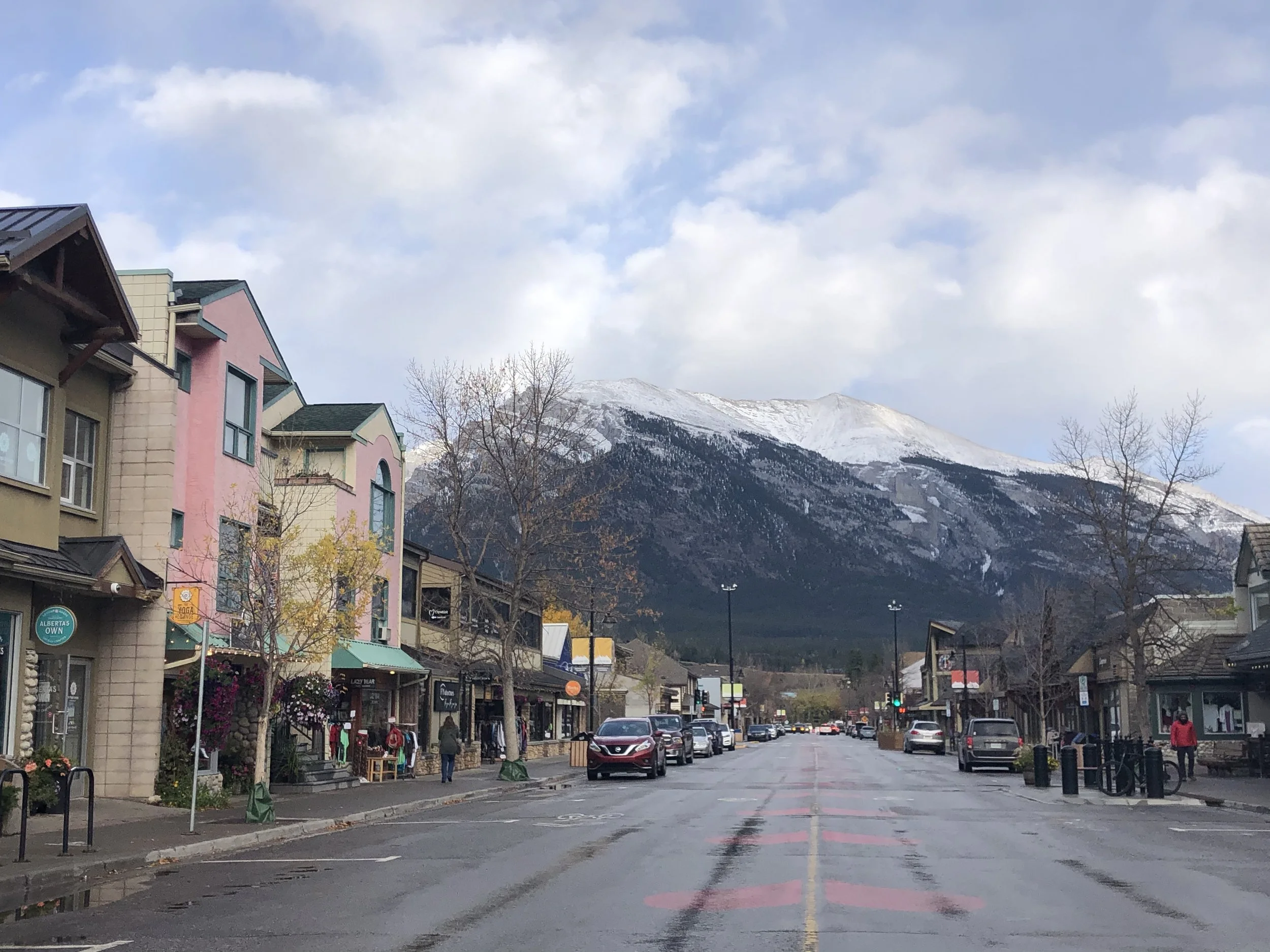
This list wouldn’t be complete without a stop in Canada’s infamous Rocky Mountains.
If you want a break from the hype overwhelming nearby Banff, check out the charming little town of Canmore, a richly picturesque town nestled into Alberta’s mountains.
You can’t miss the iconic Three Sisters mountain range overlooking the town and the Bow River that slithers like a snake through the woodland valleyunder their majestic peaks.
Originally a mining town, Canmore found it self growing into a tourist town slowly over the years, as more people fled westward for vacations to escape their crazy lives. Check out the Canmore Museum for a look into this area’s vibrant history.
In the winter, when snow blankets the town and tourists aren’t as overwhelming, this quaint little town turns into a winter wonderland, and that’s when the true Canadian charm comes out.
You should make sure to see Canmore in each season, each time giving you a new look on this lovely mountain gem.
Keep an eye out for Grizzlies, maybe you’ll get a photo of a lifetime! (I wasn’t so lucky, but I hope you are!)
12. Old Town Halifax, Nova Scotia
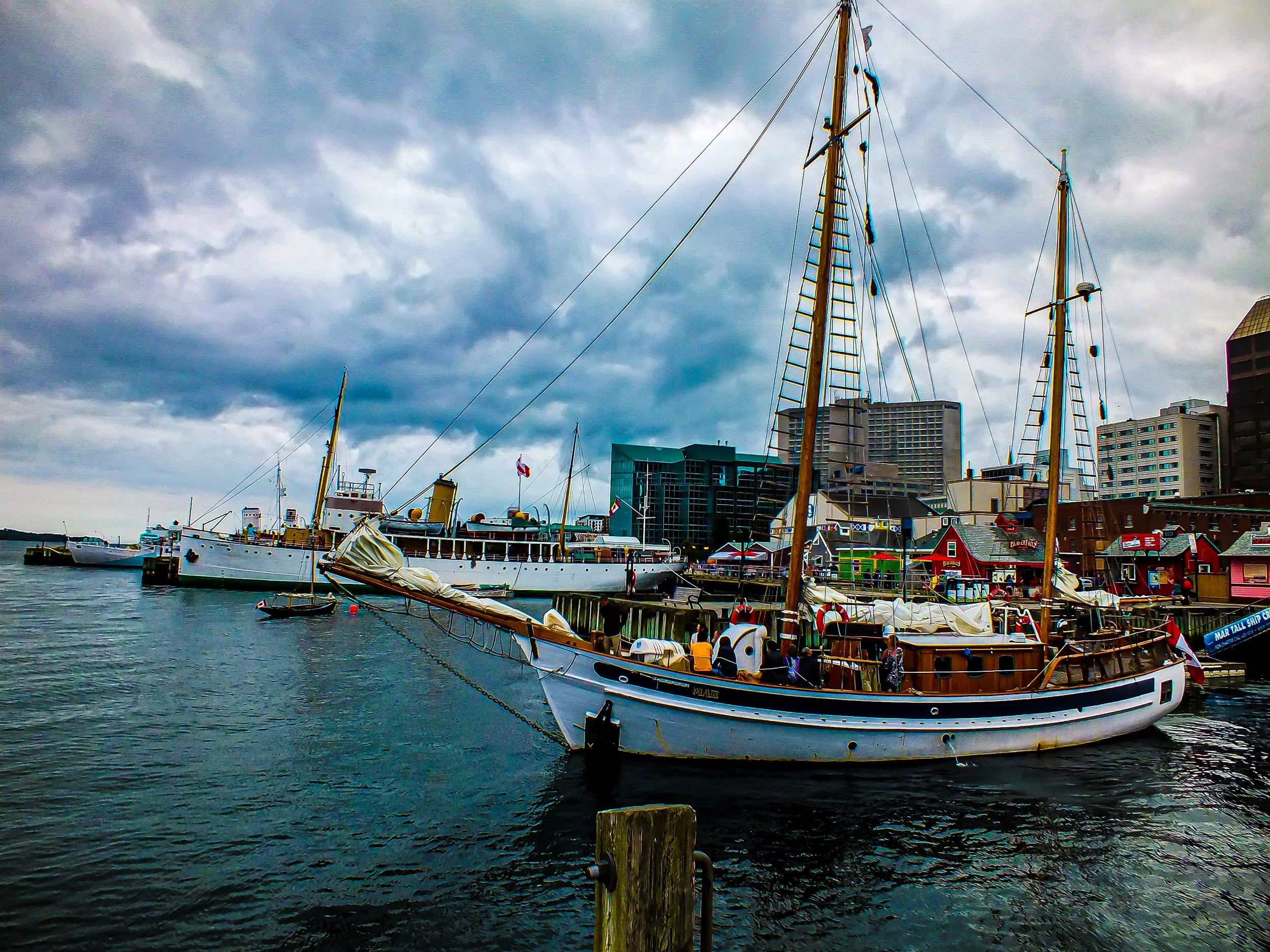
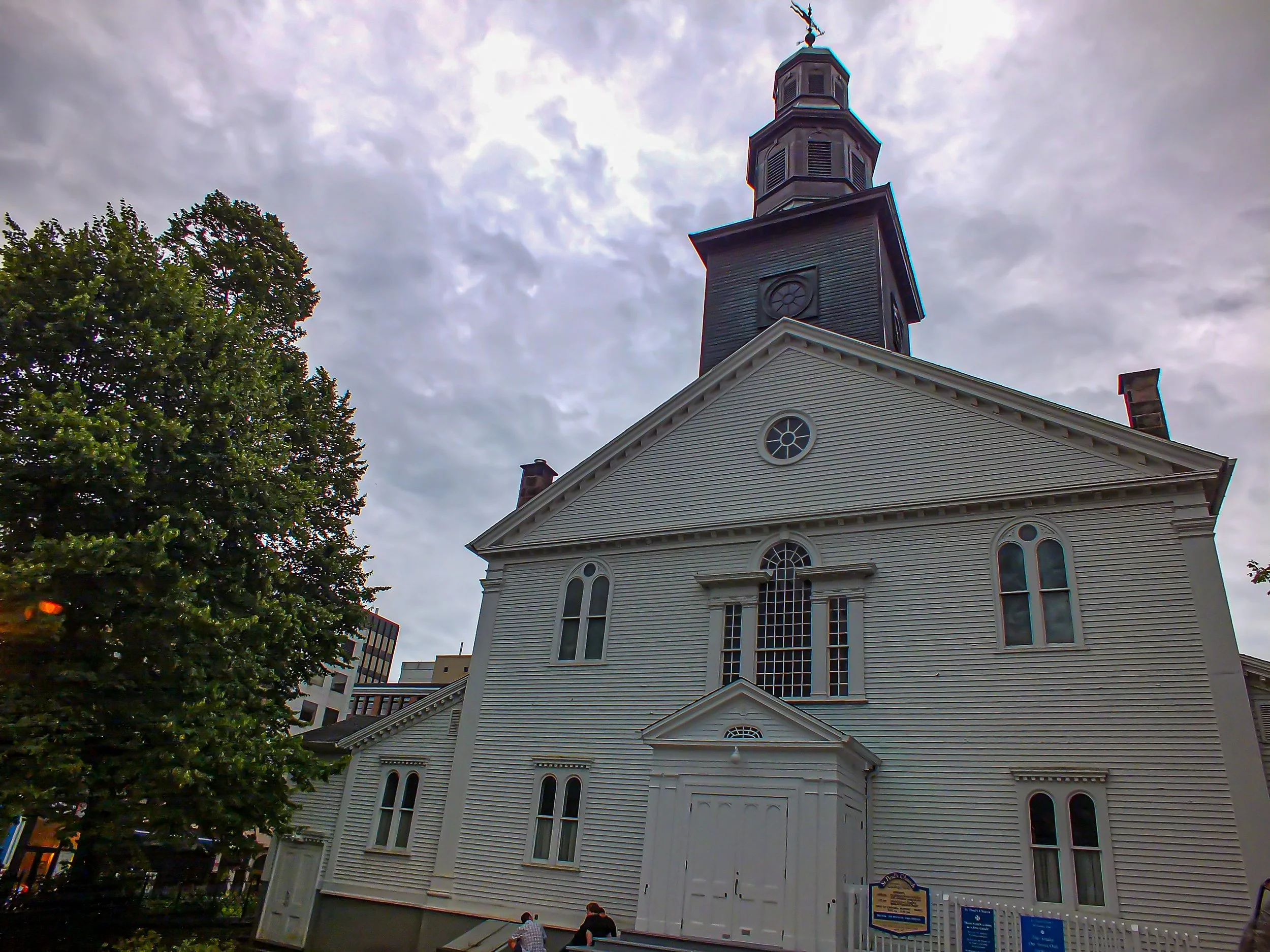
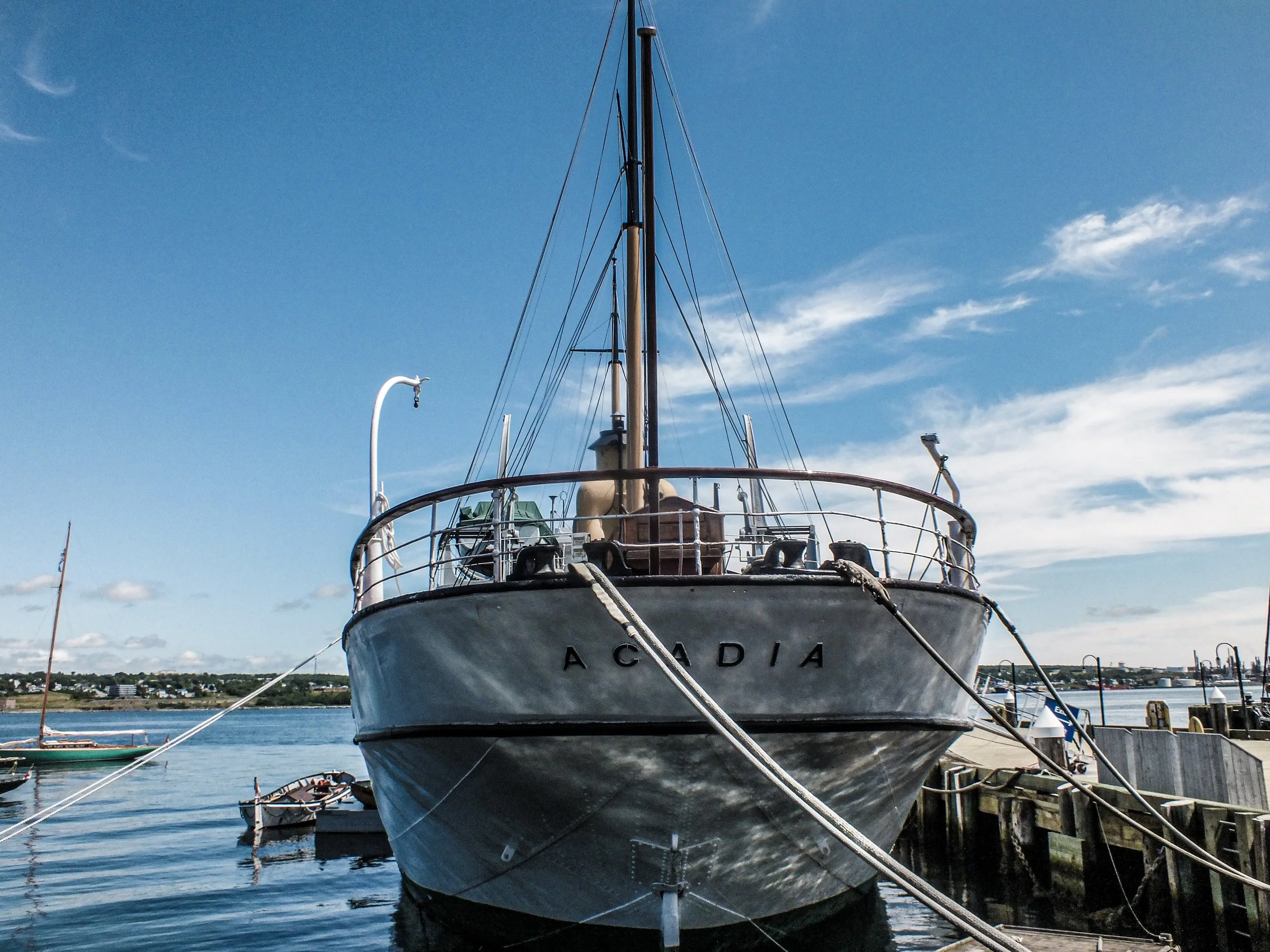
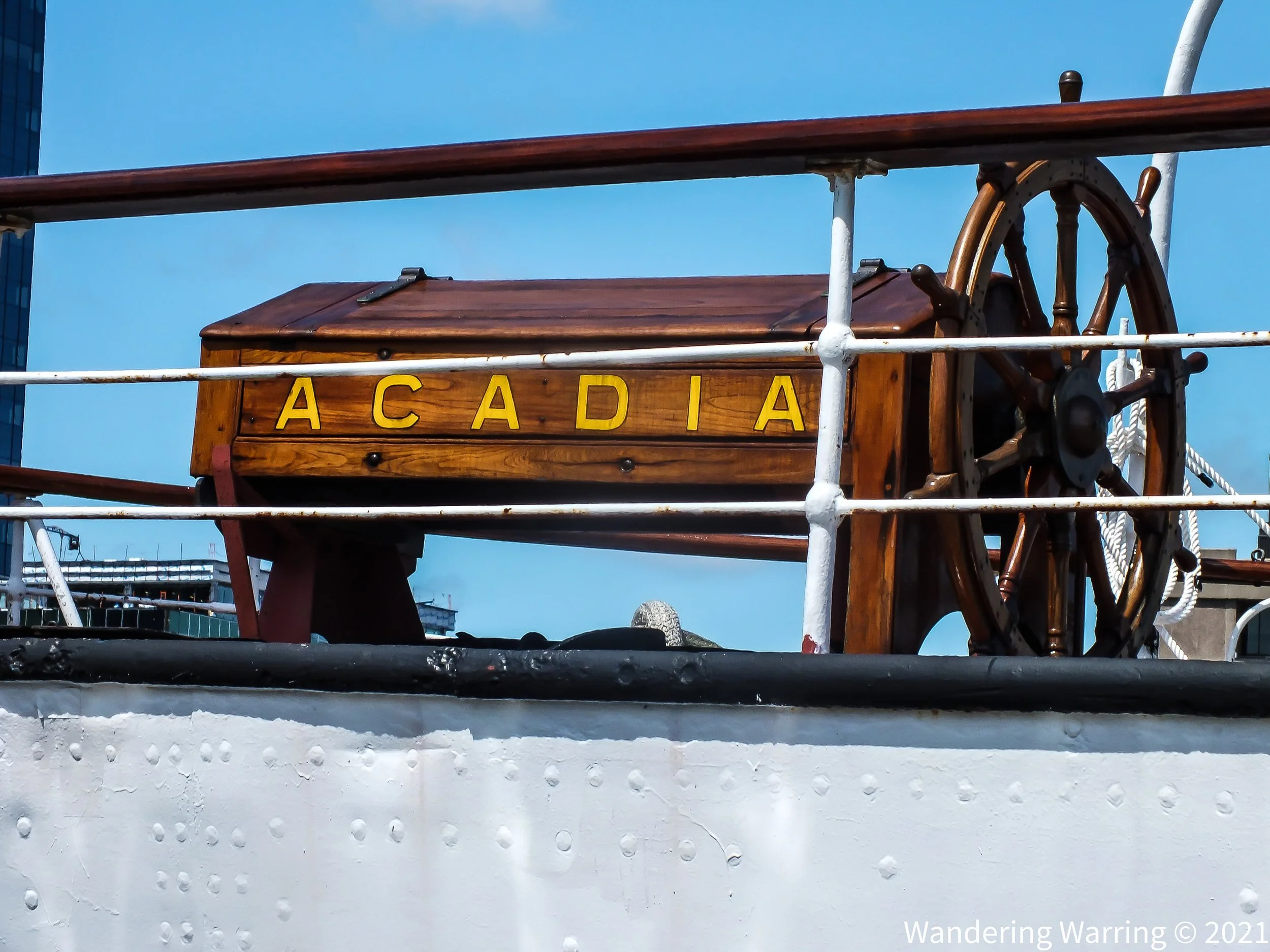
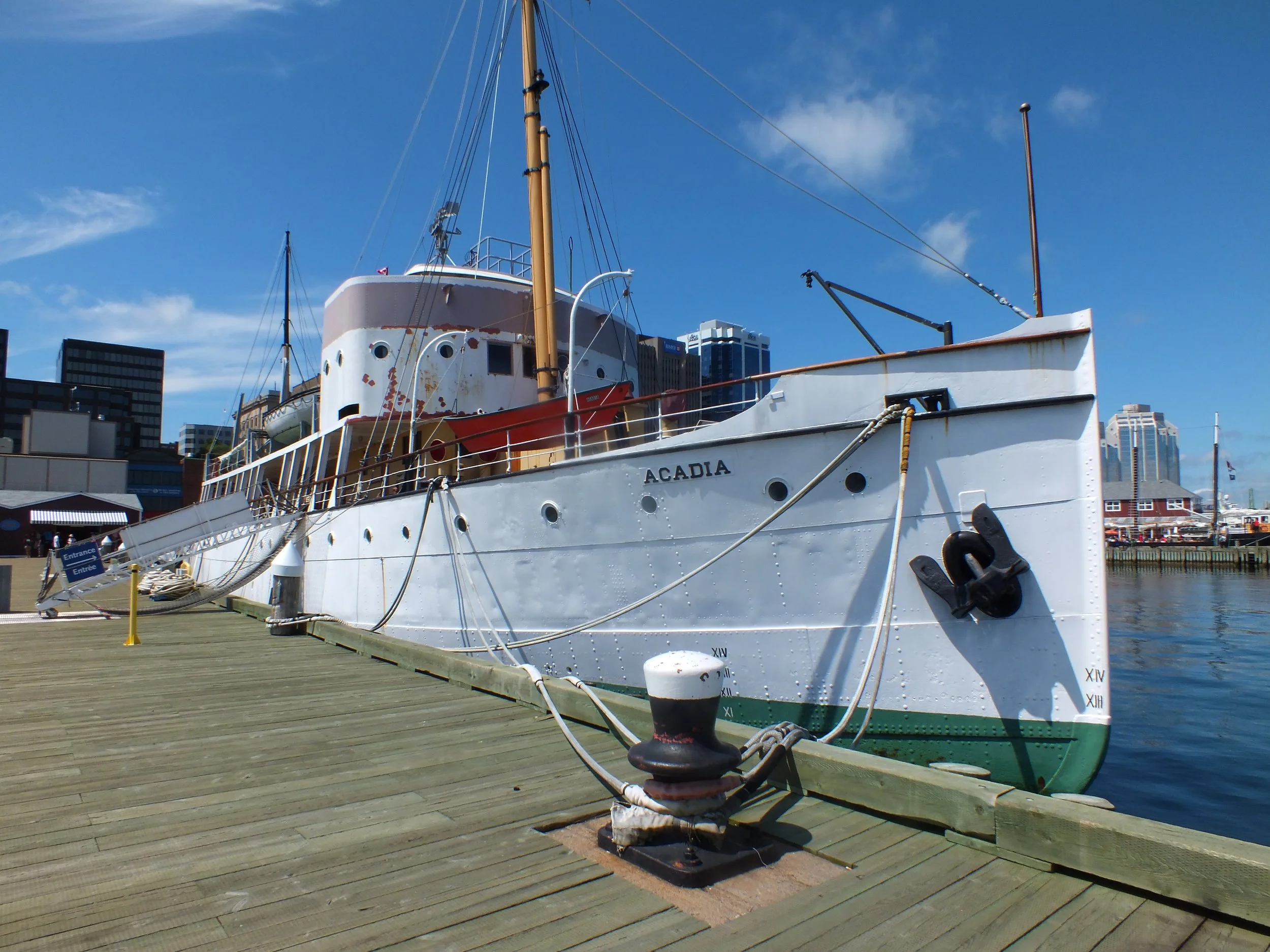
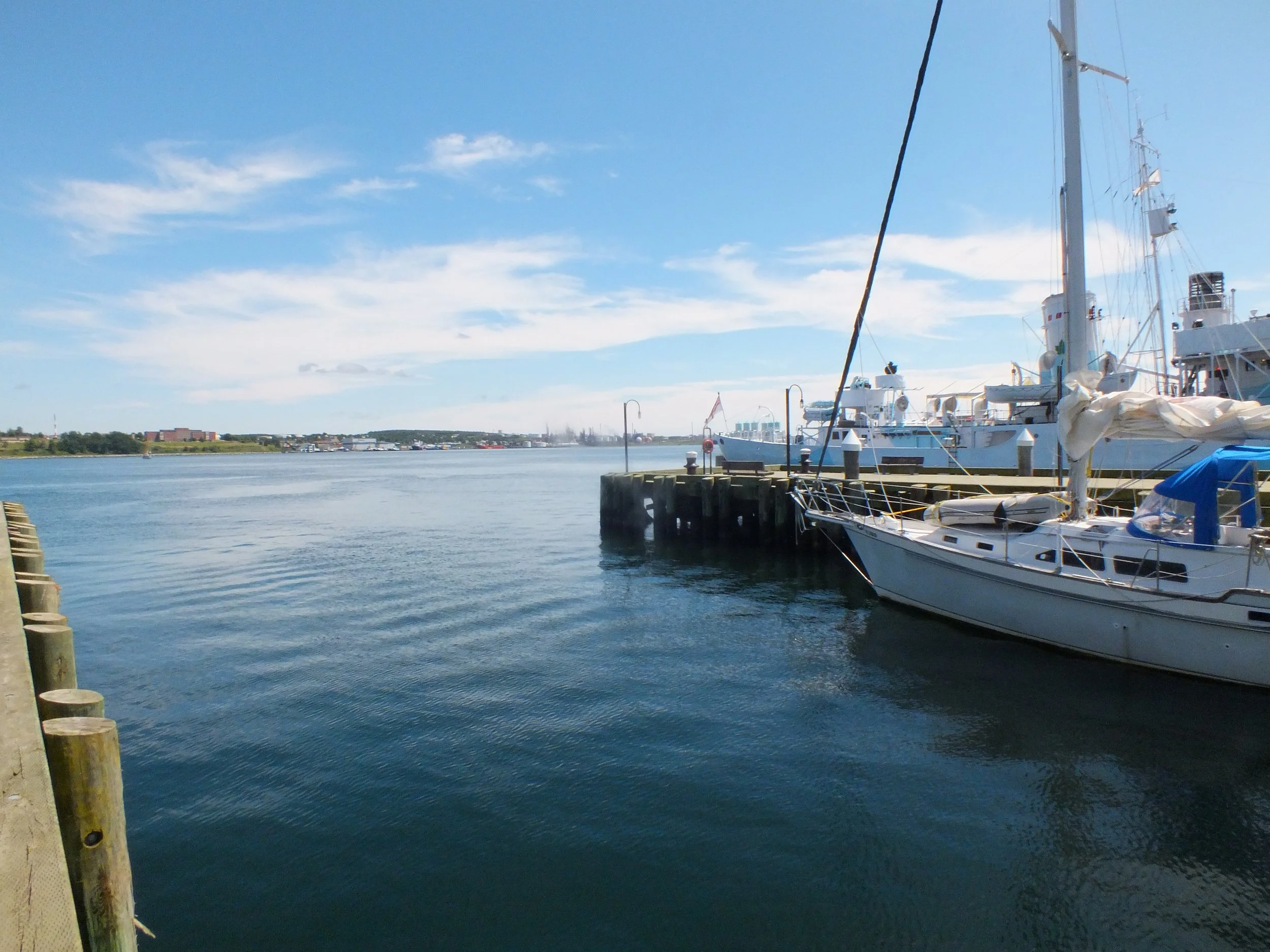
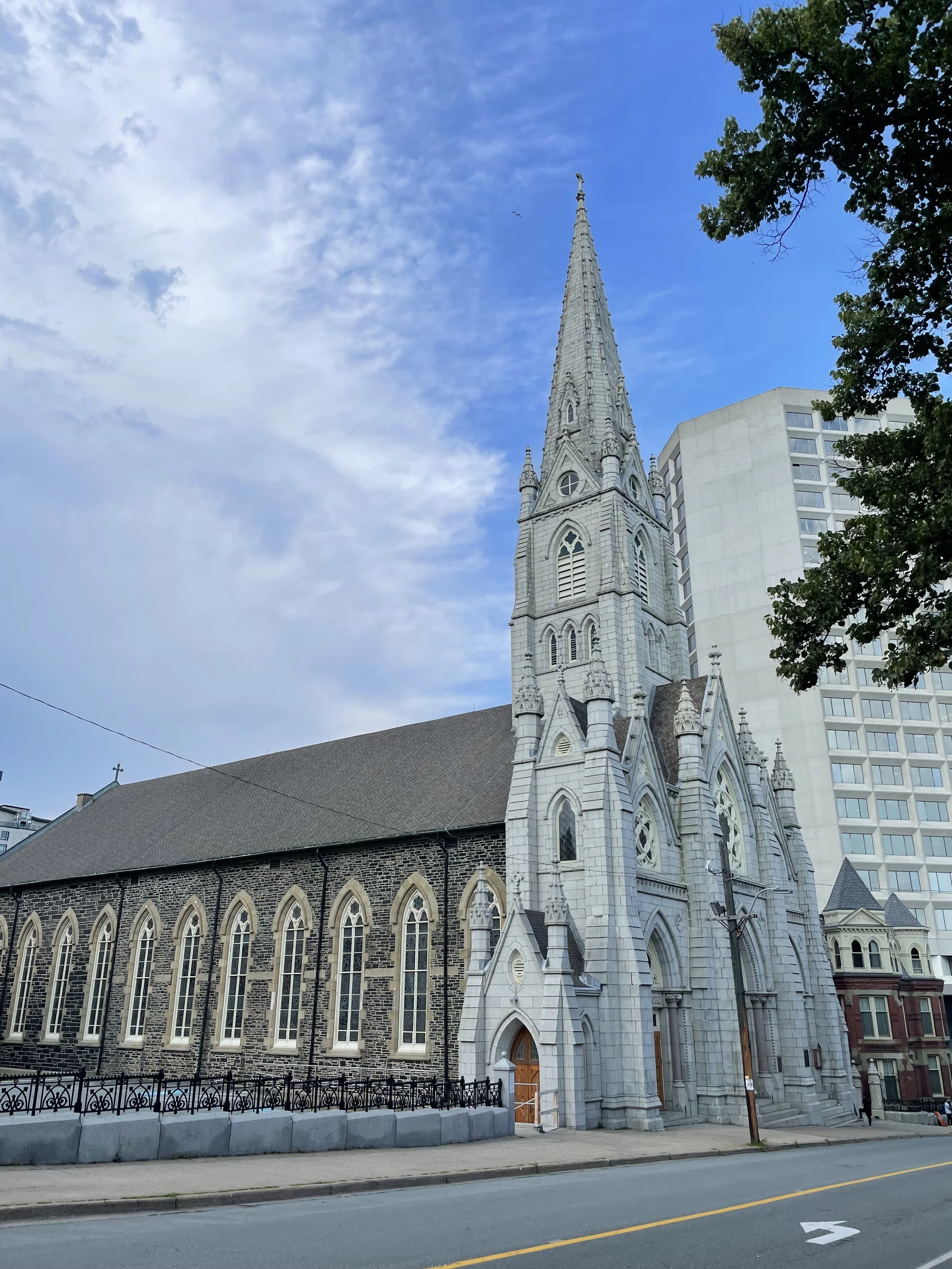
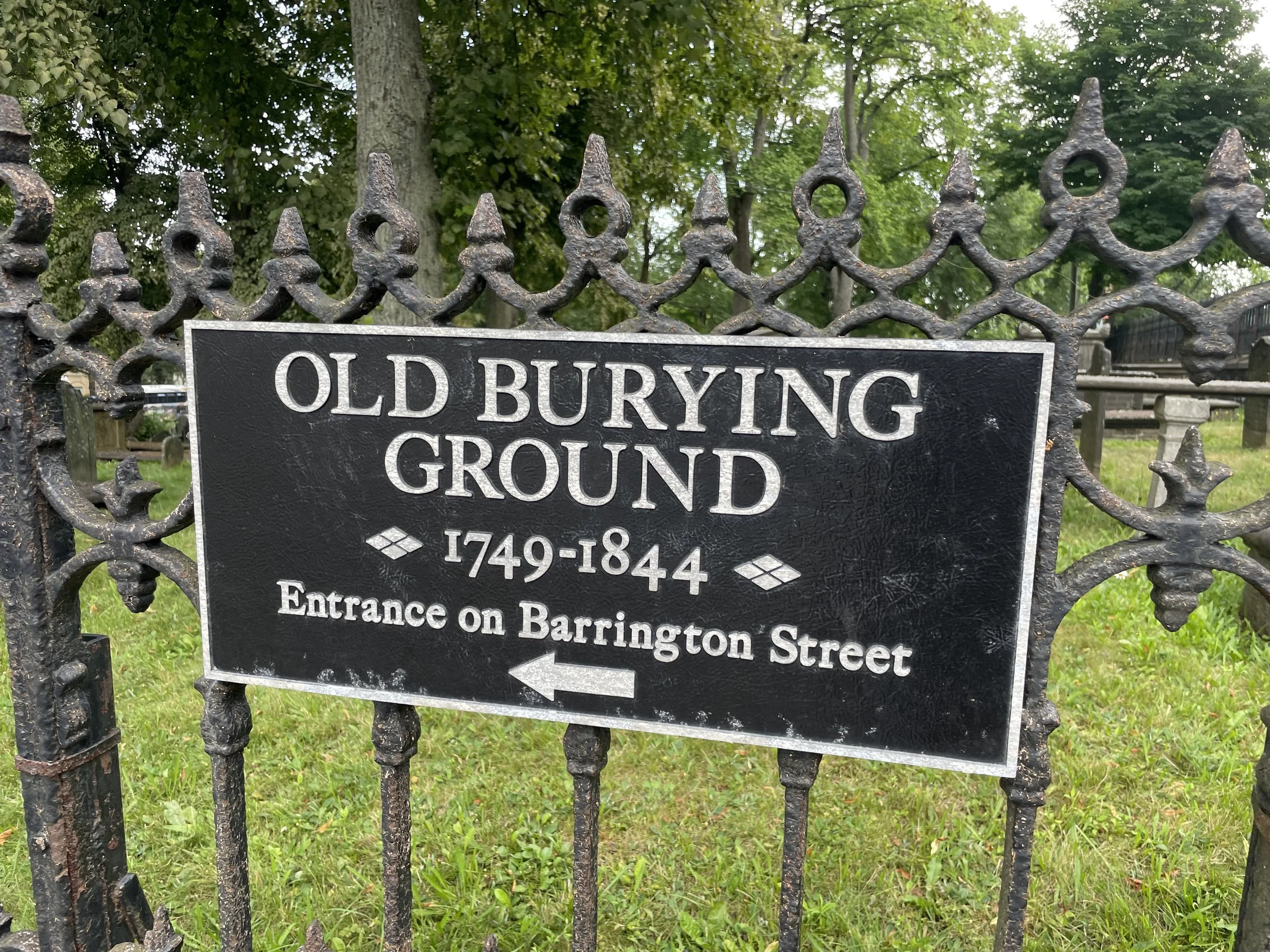
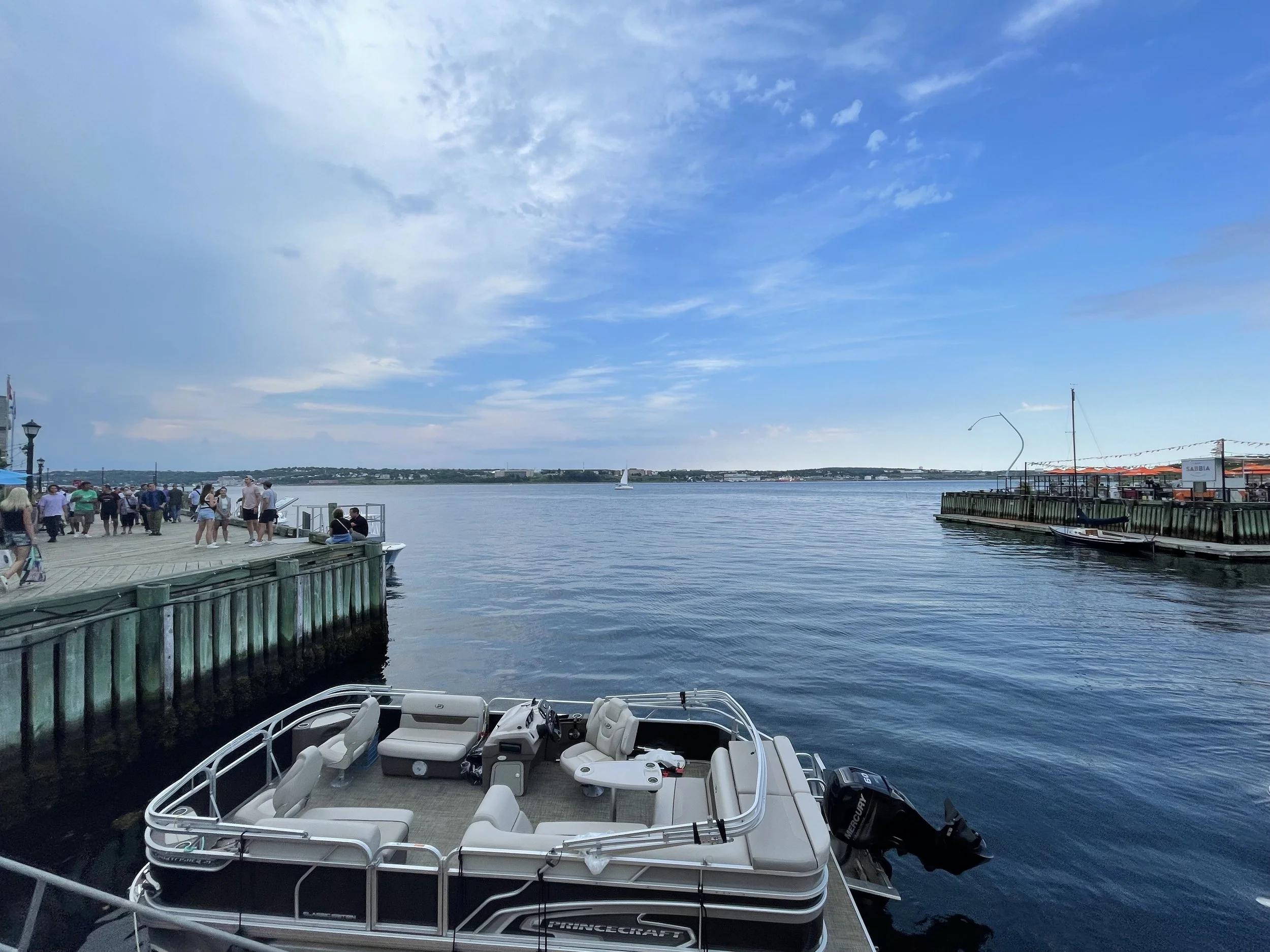
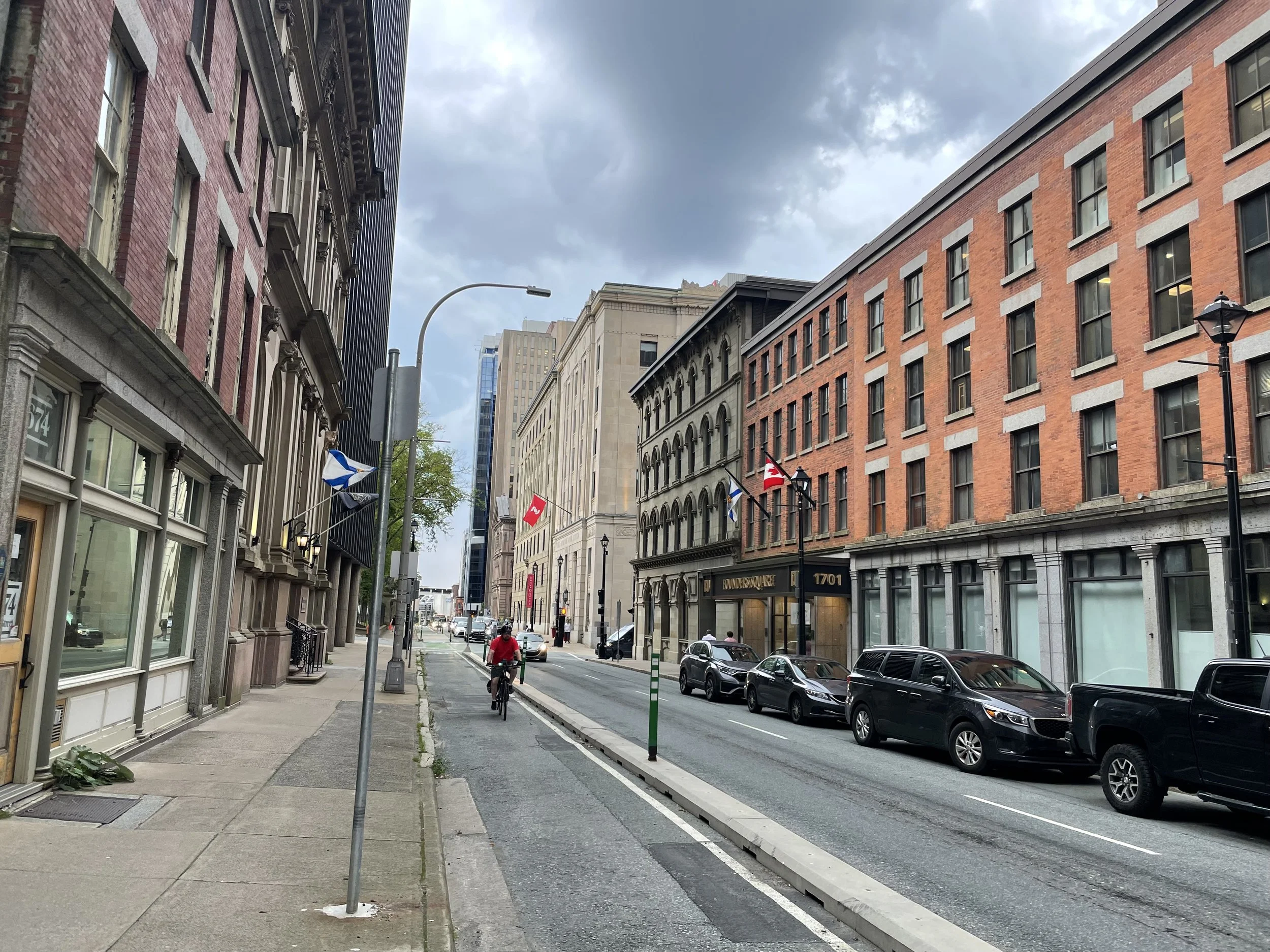
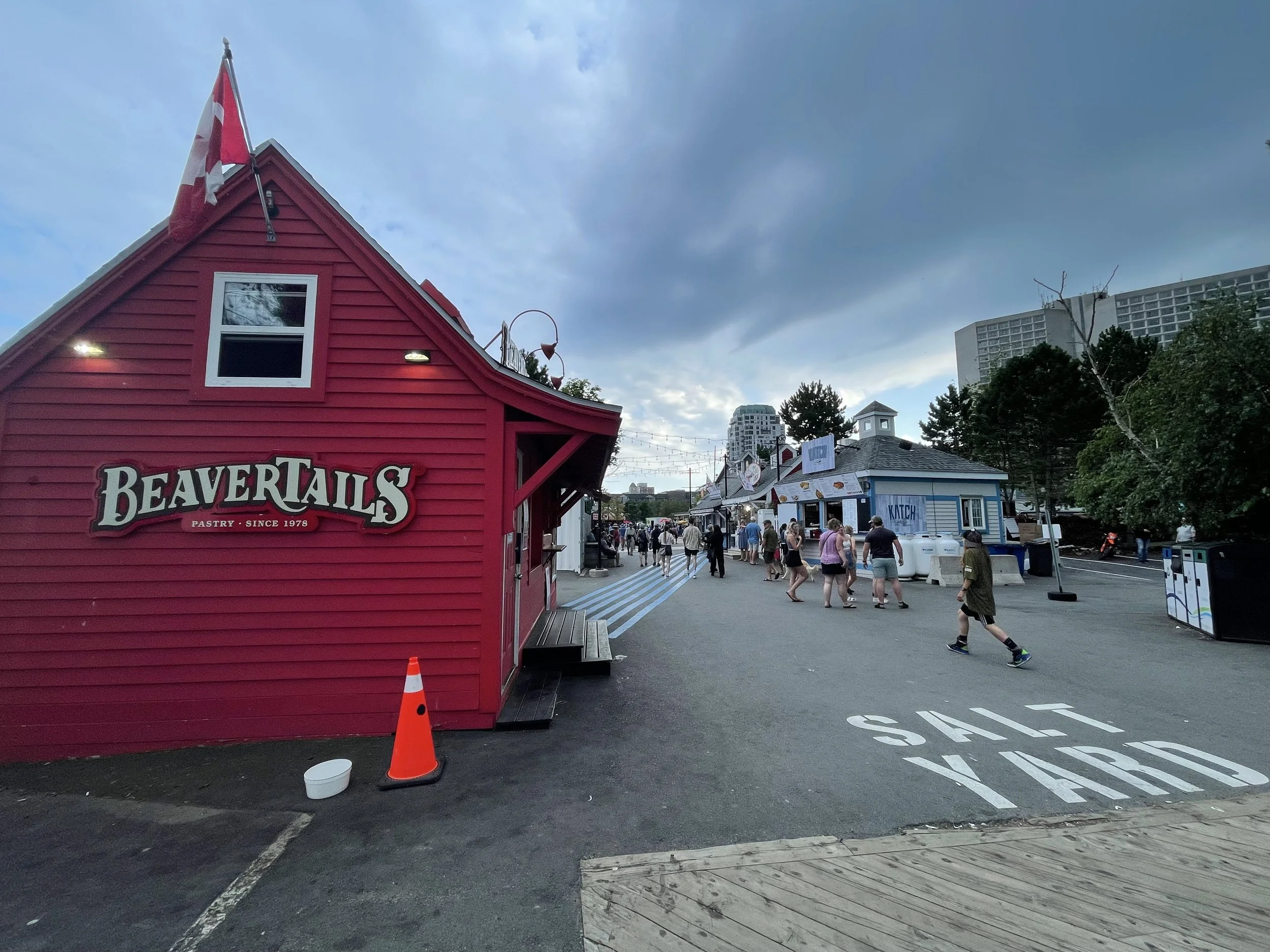
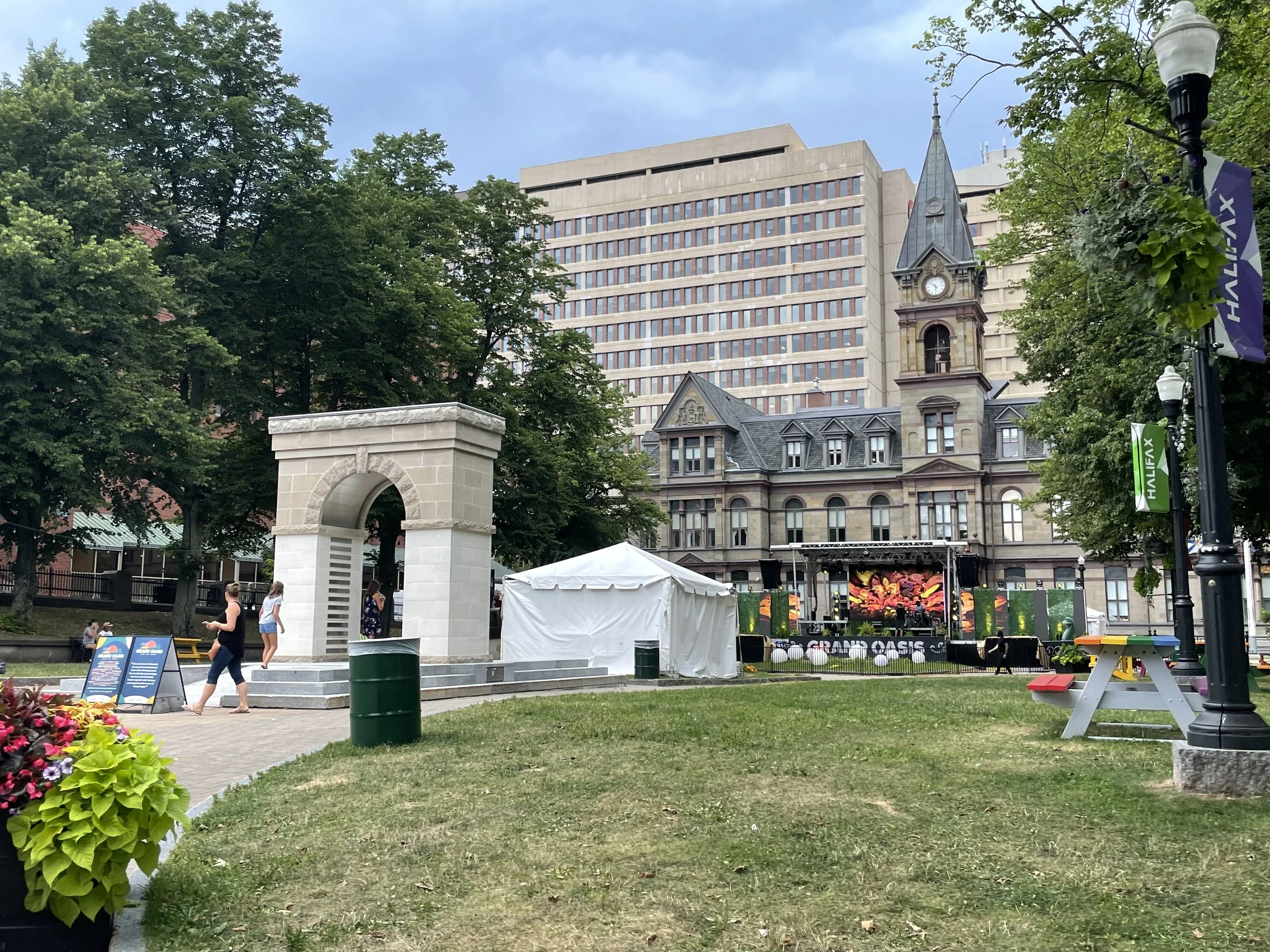

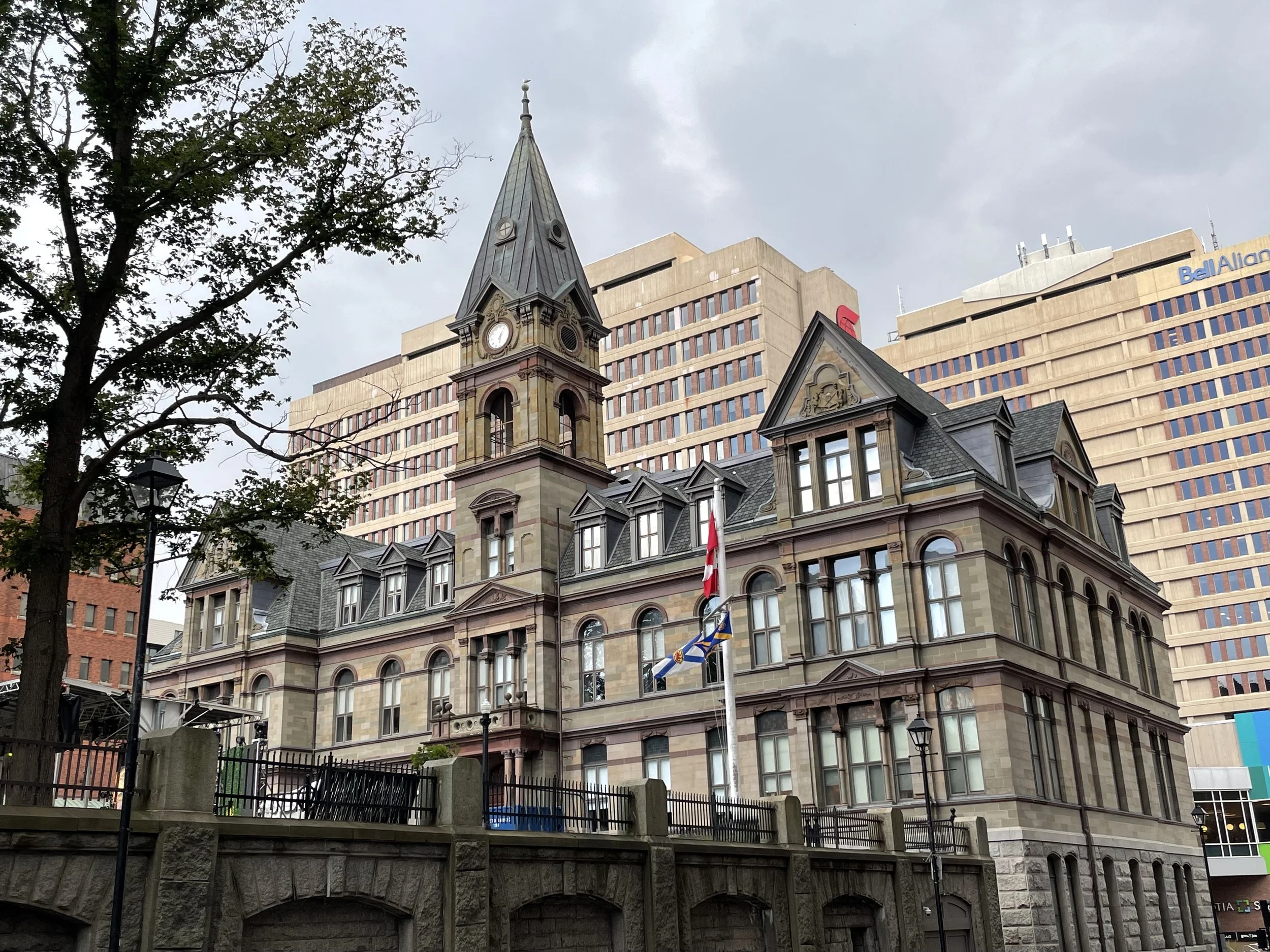
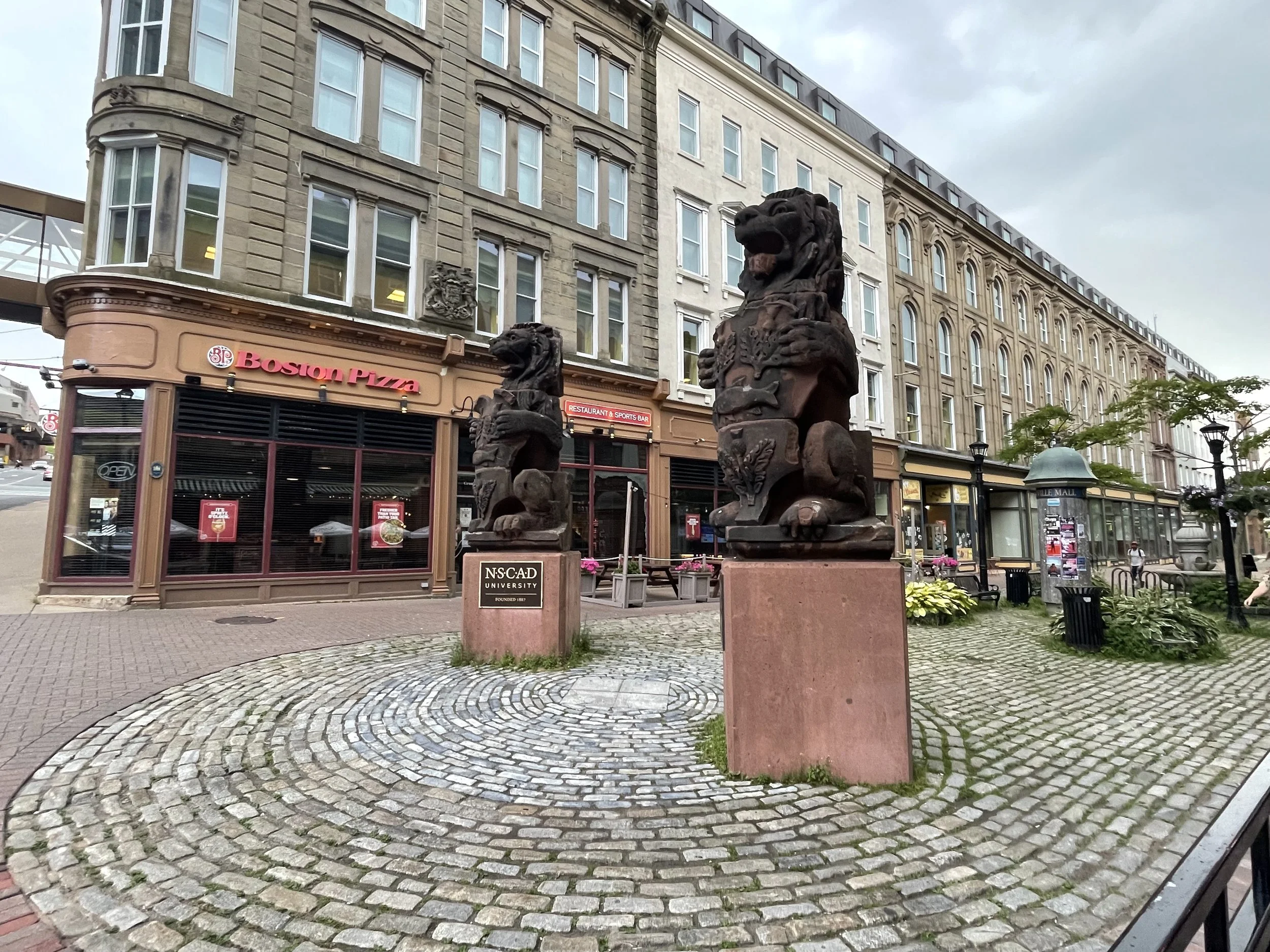


For centuries, Halifax has seen its share of fisherman, soldiers, lost souls and pirates pouring in and out of its harbour.
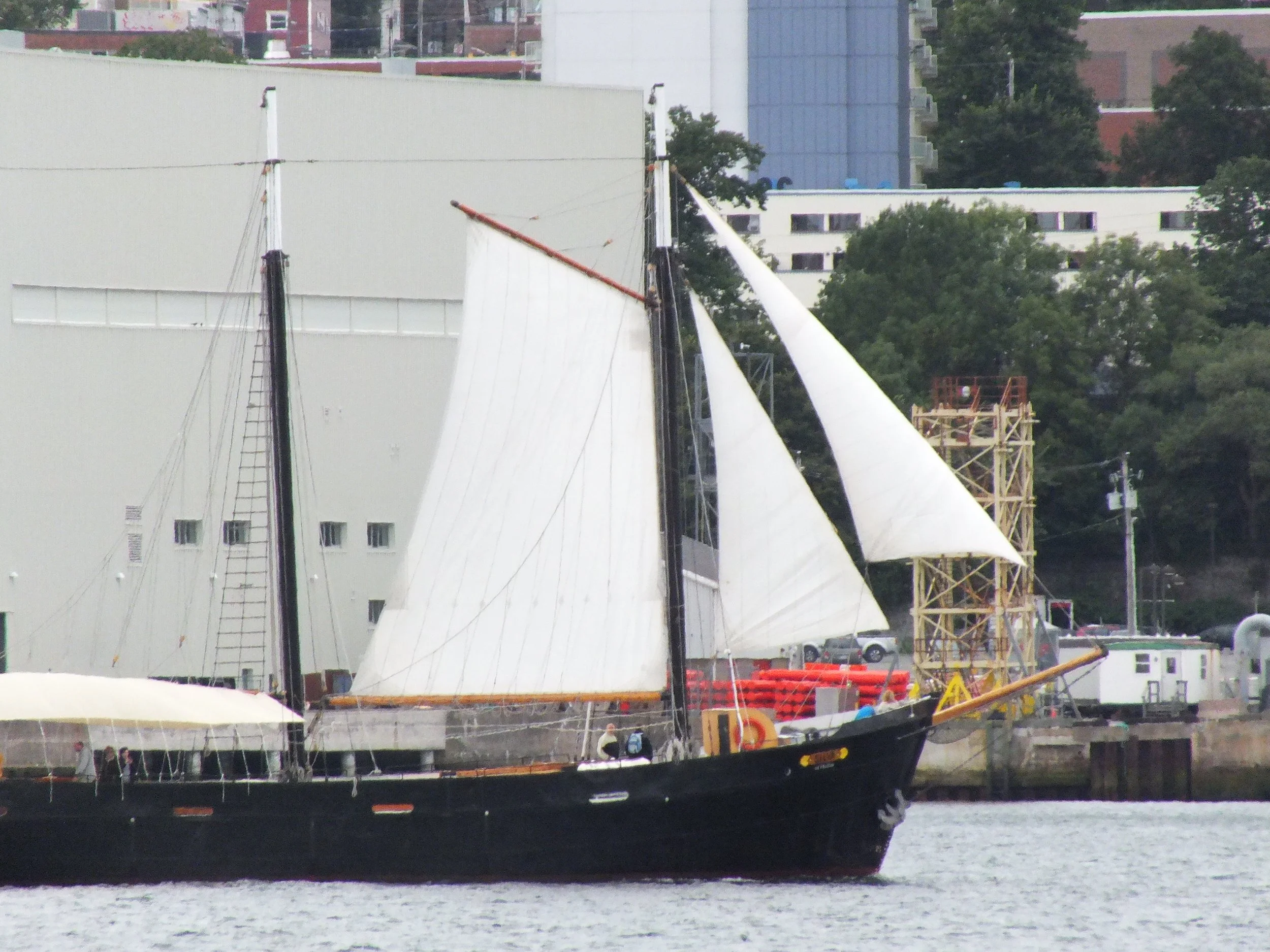
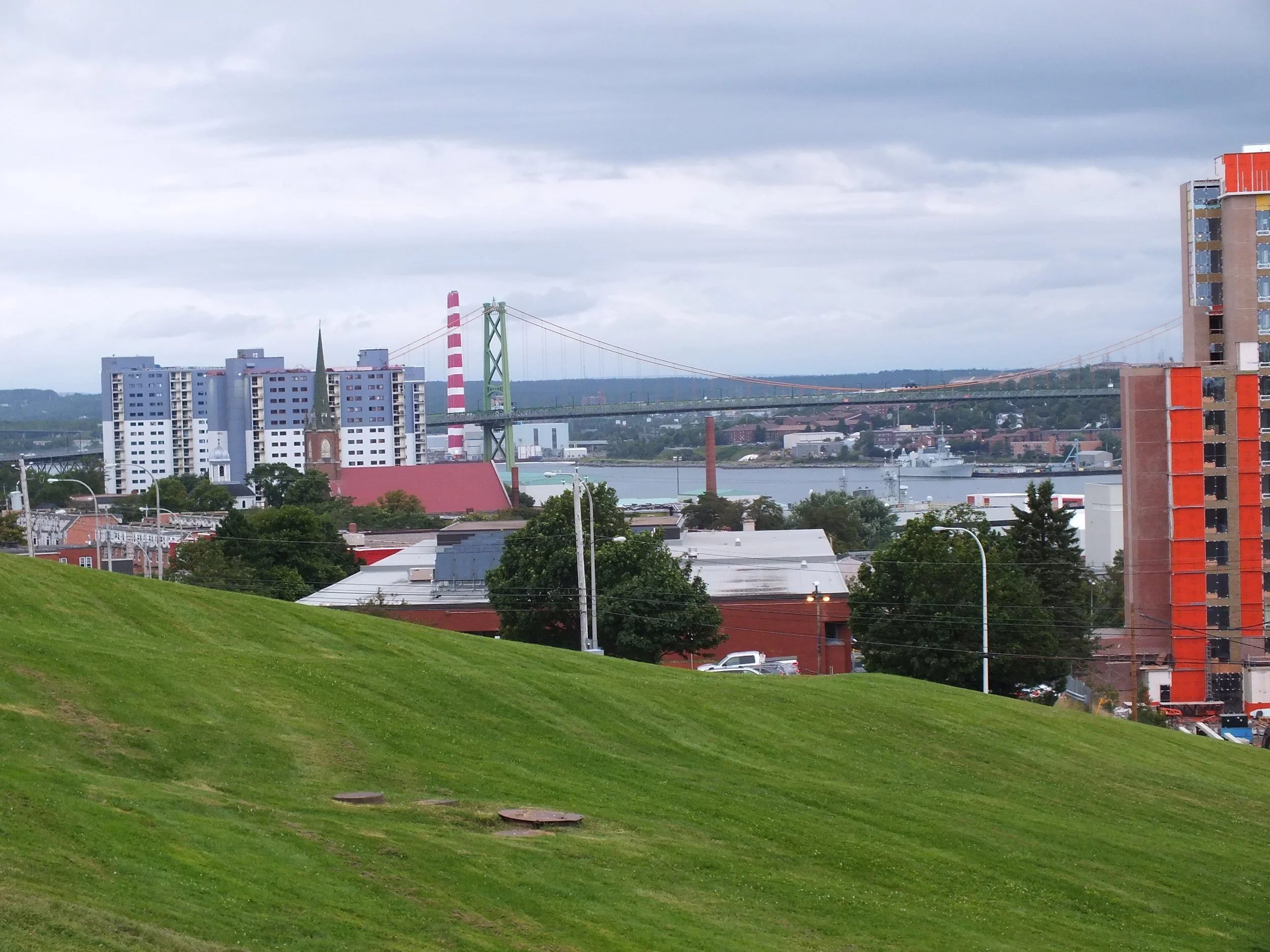
Halifax has long been Canada’s port. A destination by land or sea, for travellers, immigrants and refugees from around the globe. This city is filled with the ghosts of days past living in the buildings, in the streets, in the ocean air.
Halifax has seen families coming to start a new life in a new world. Soldiers returning happily home to their sweethearts, while other soldiers coming home encased in pine. This port is where sailors, drunk from the bars up the hill, stumble their way up the planks back to their duties after a night of debauchery.
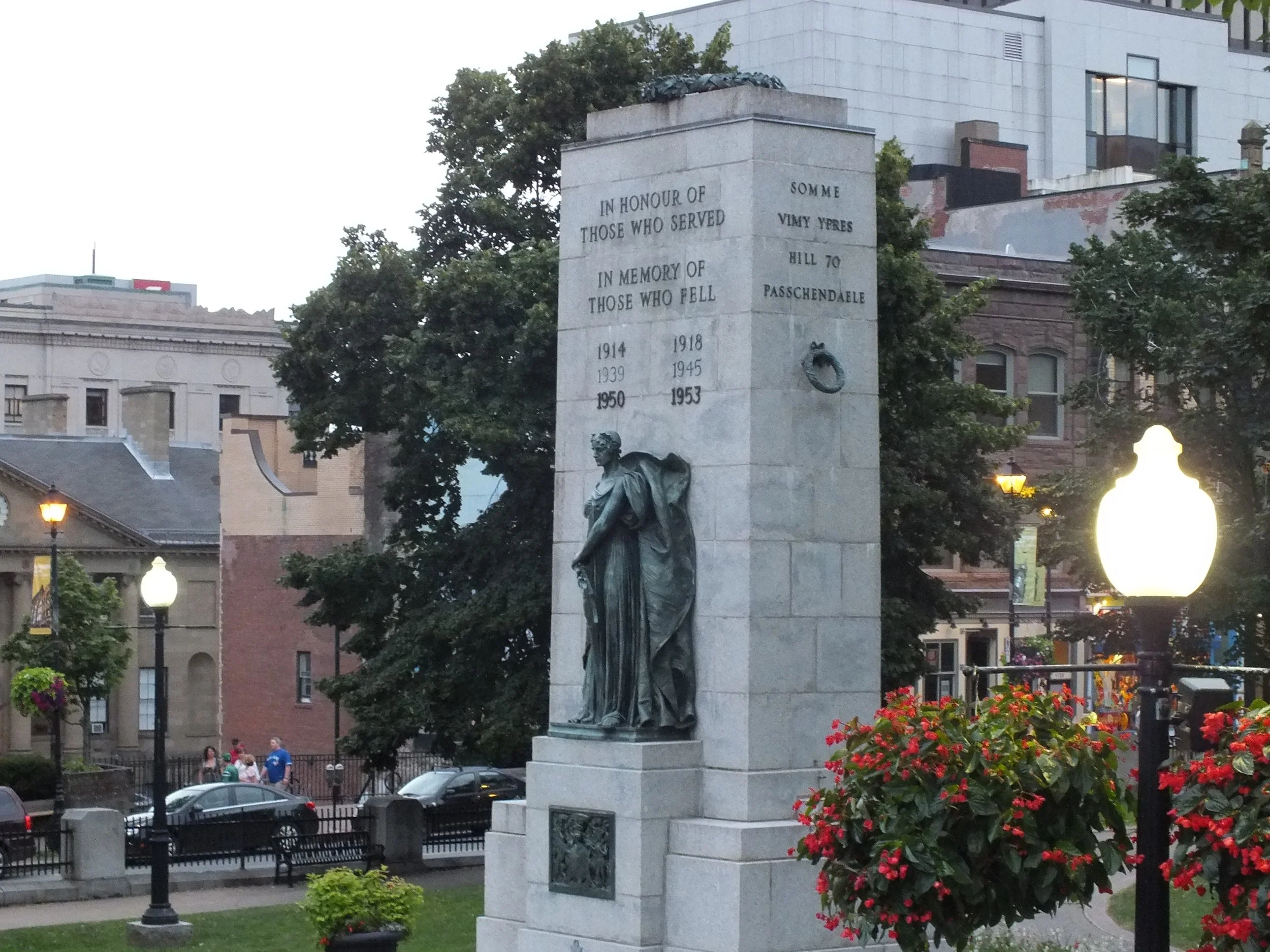
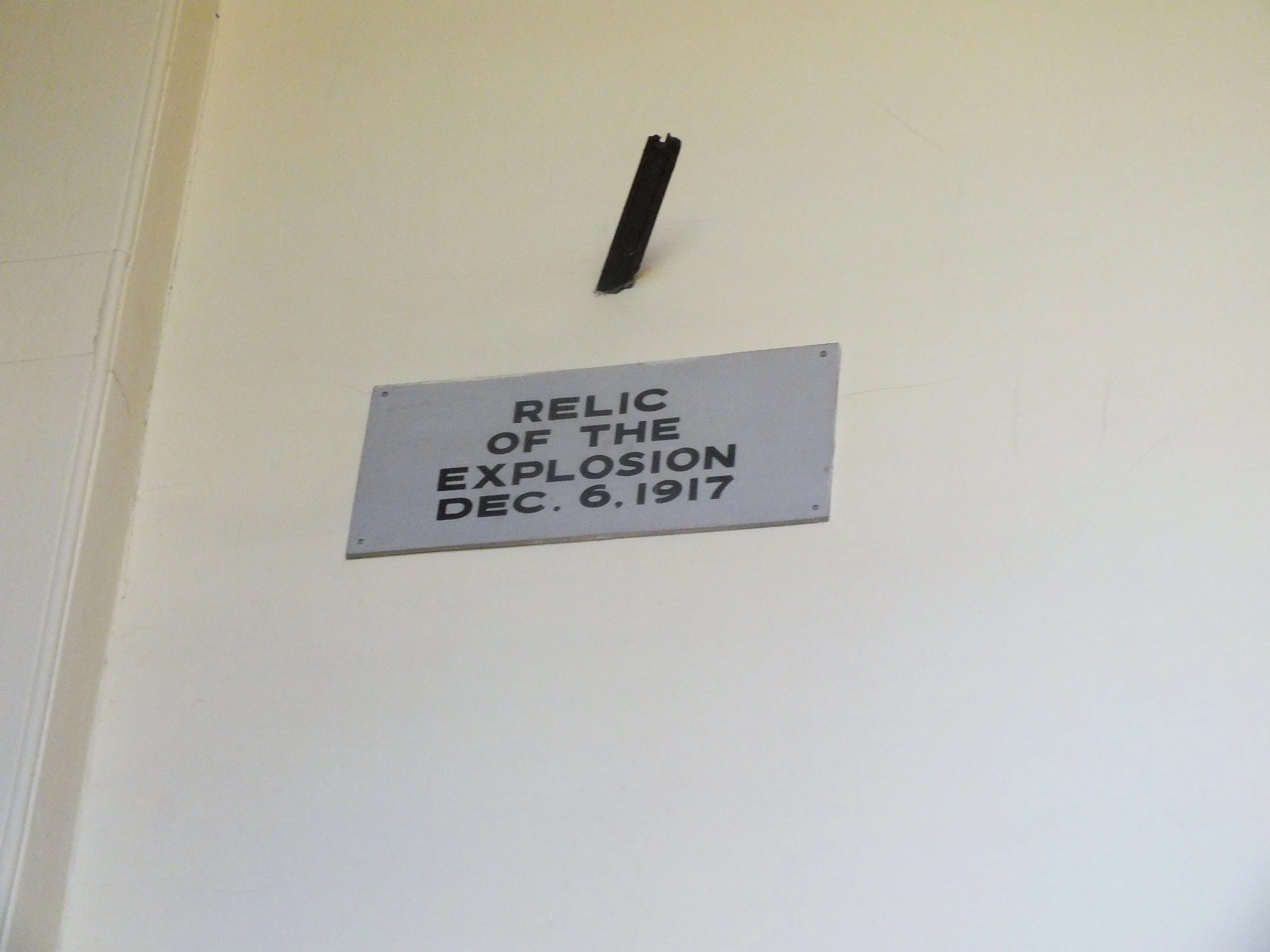
The largest man-made explosion prior to the atomic bomb erupted right here in Halifax in World War One, when munitions ships collided in the harbour , causing city wide devestation and unimaginable loss.
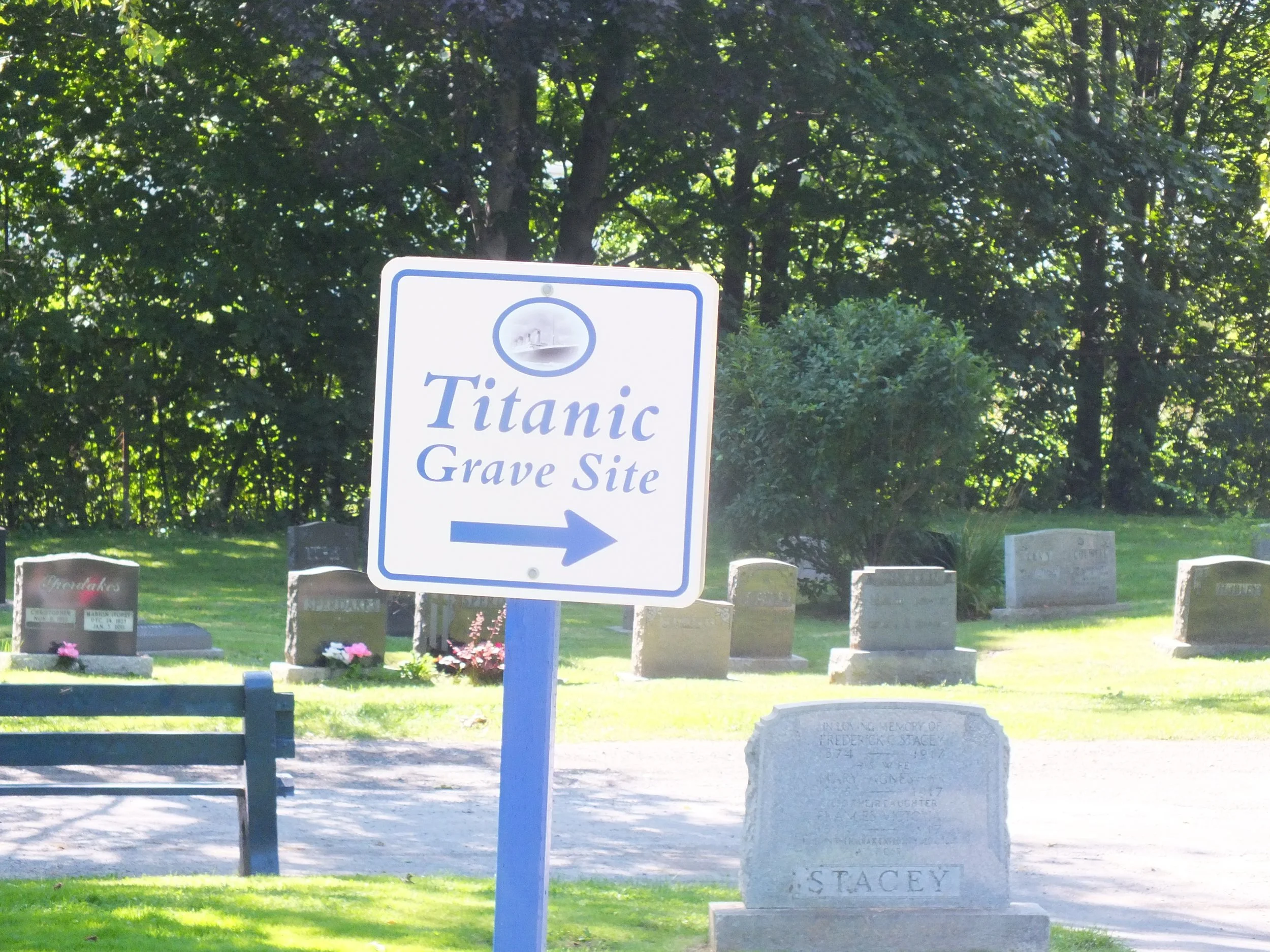
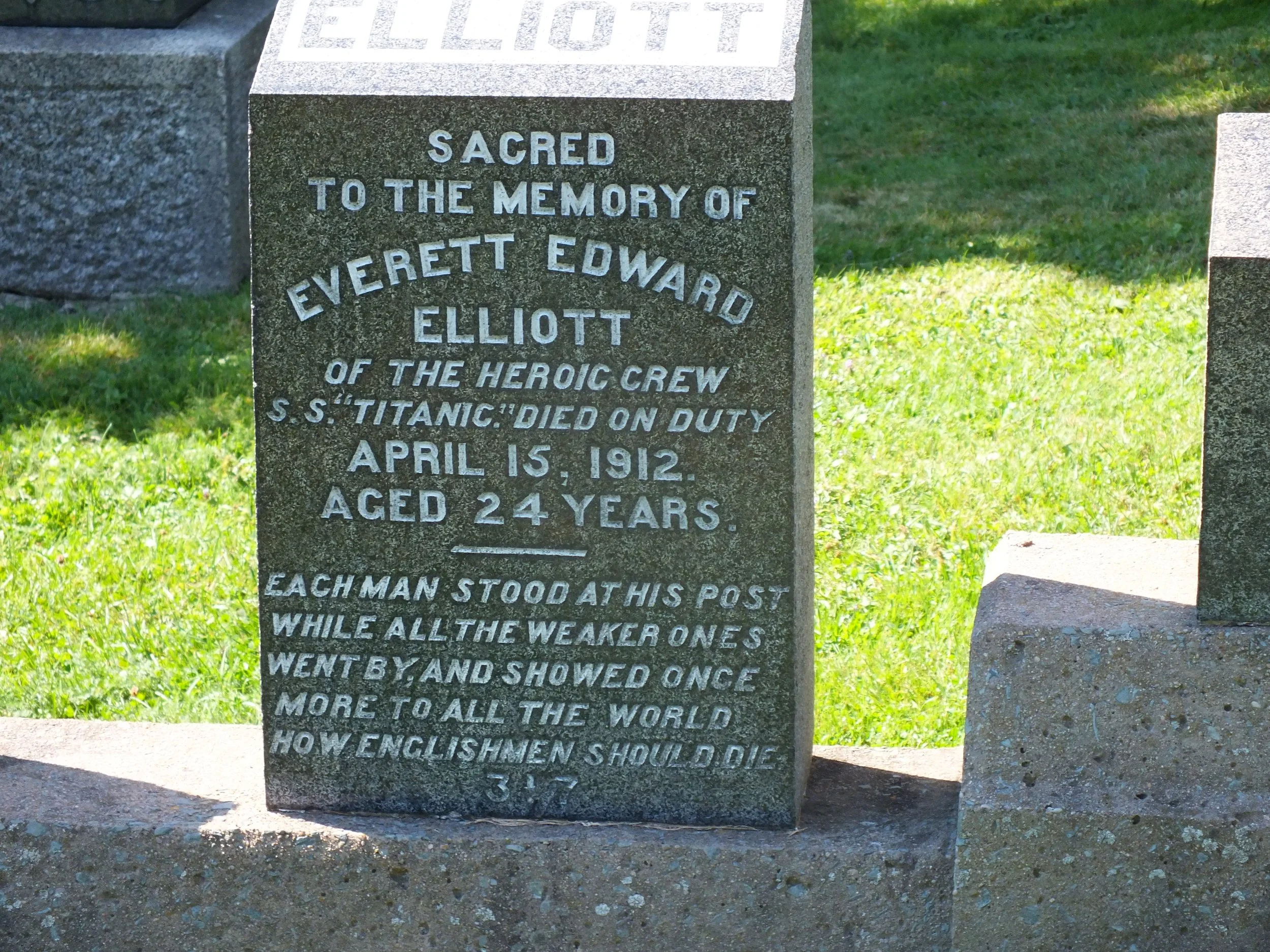
Halifax was also where they brought the victims from the Titanic, many of who are buried in a nearby cemetery. (Check out the Maritime Museum of the Atlantic for a great Titanic exhibition.)
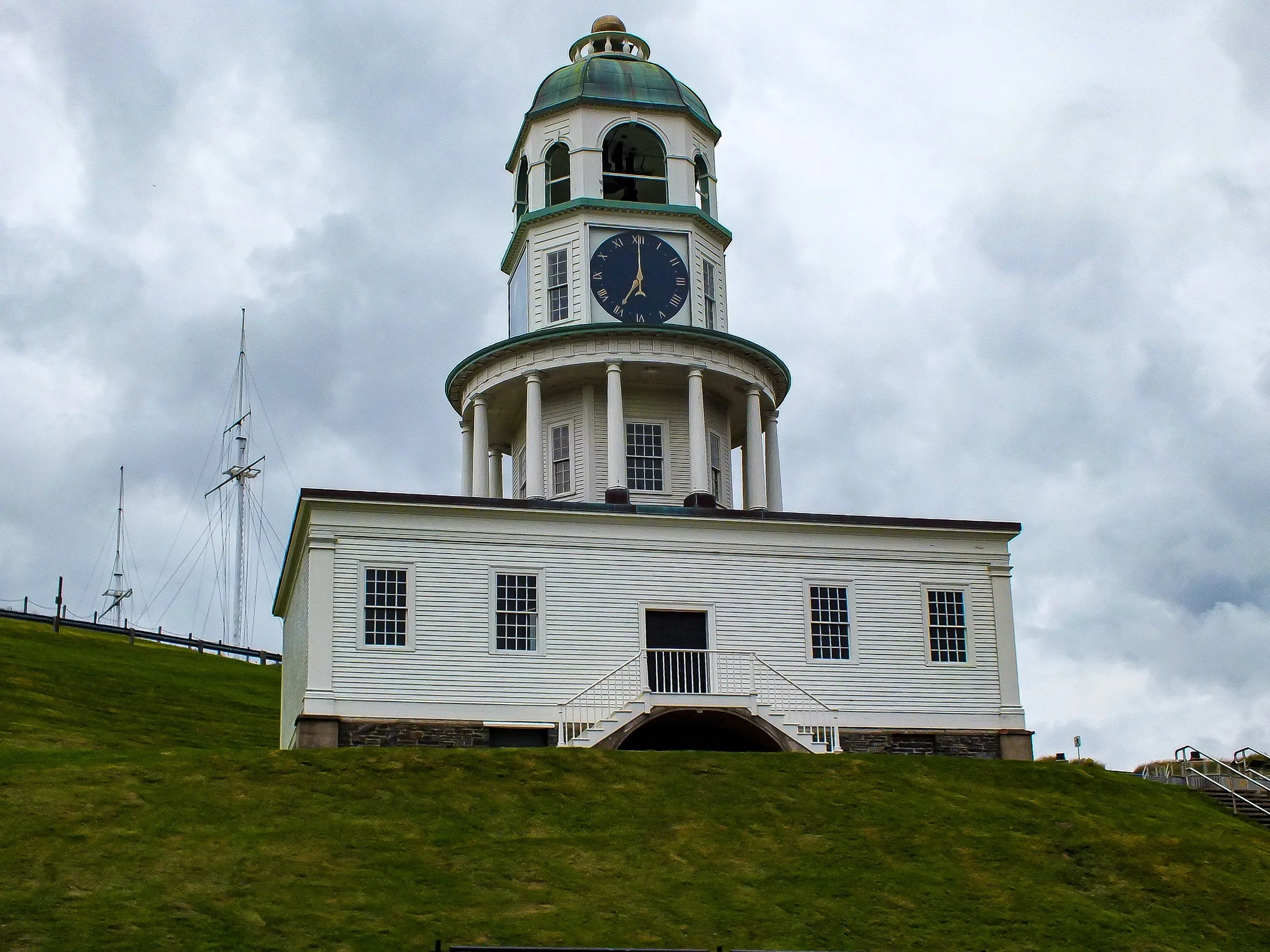
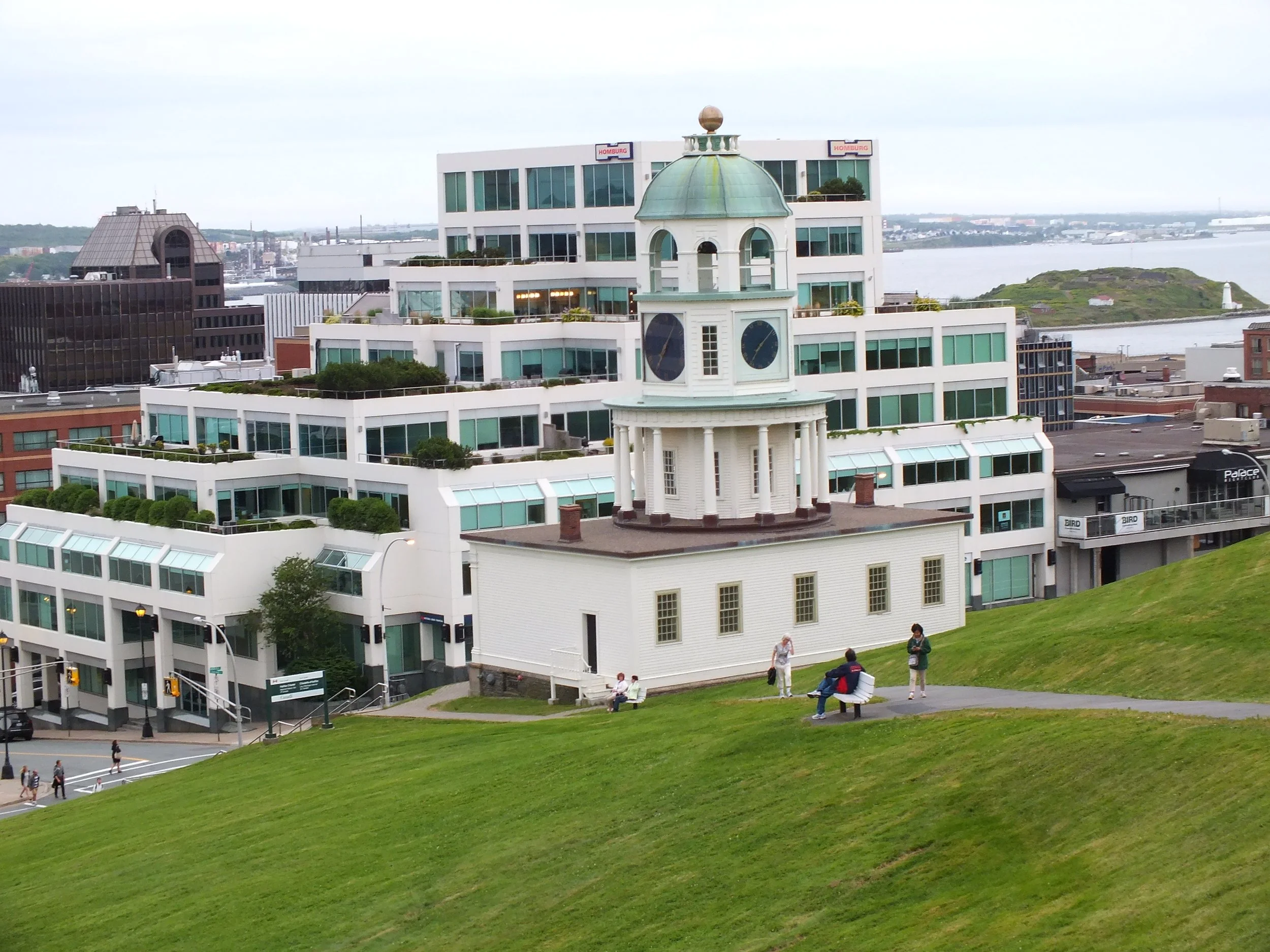
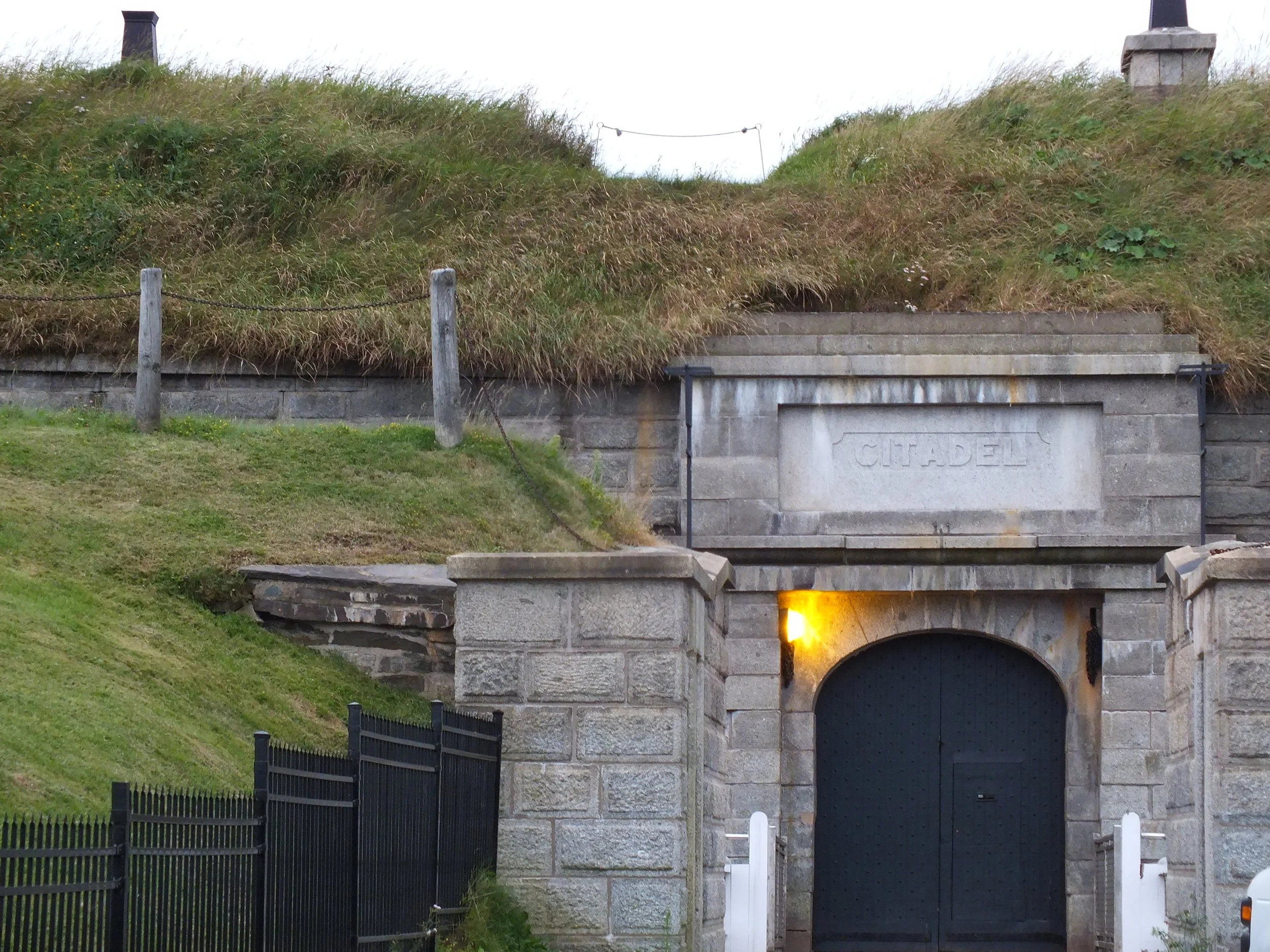
At the highest point of the harbour city, Citadel Hill with its iconic clock tower stand guard over the old town, as it has since 1803.
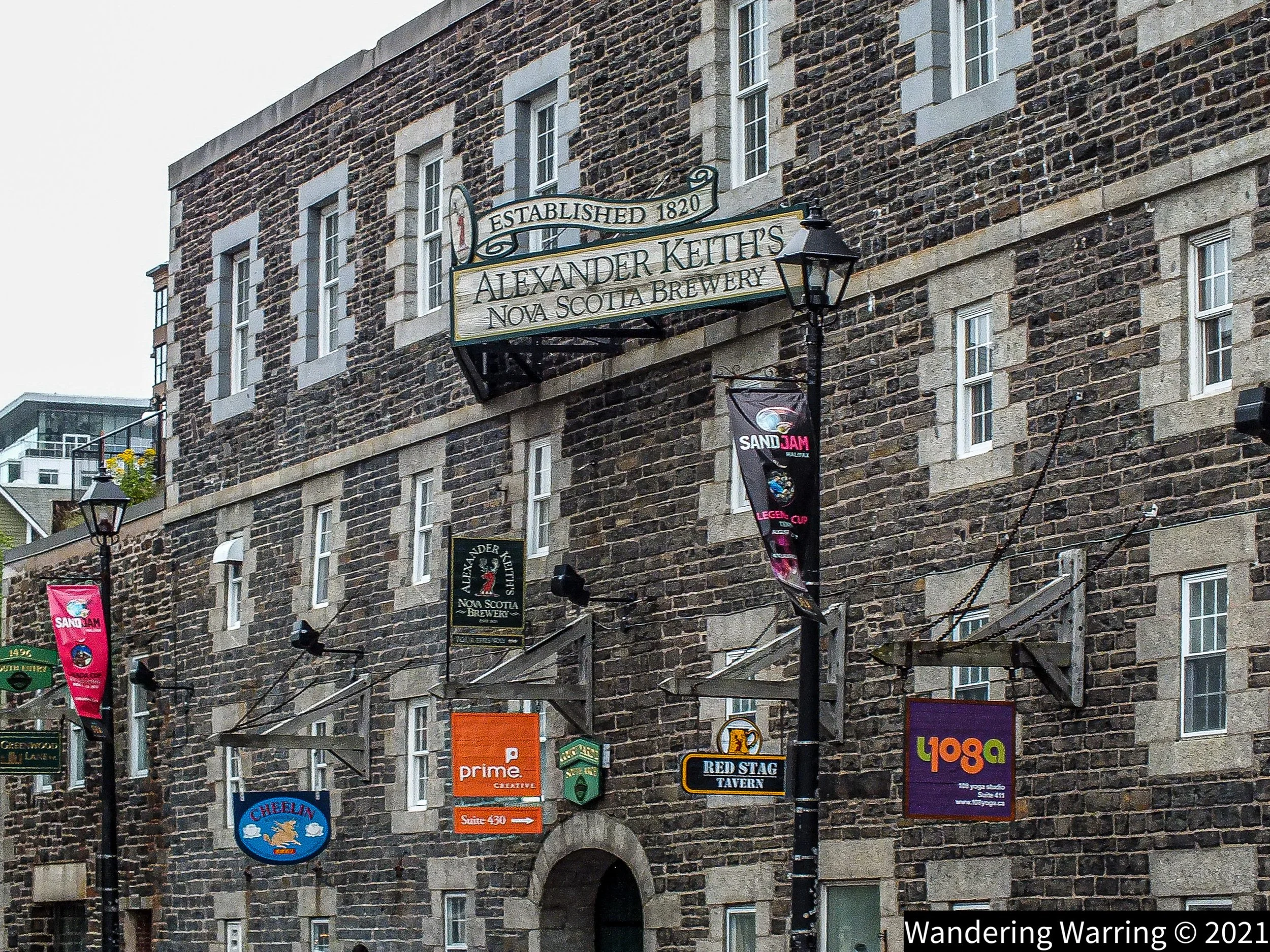
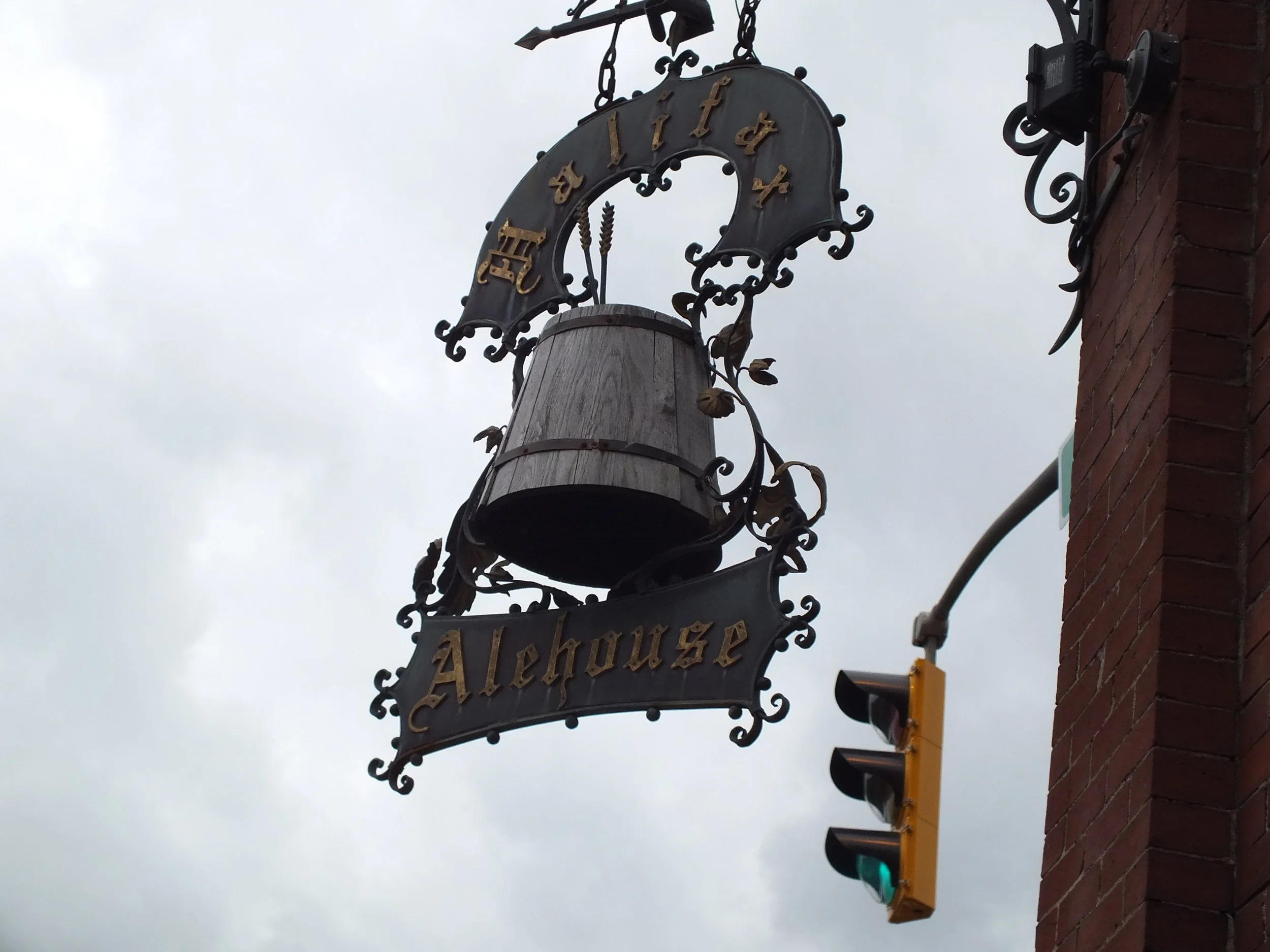
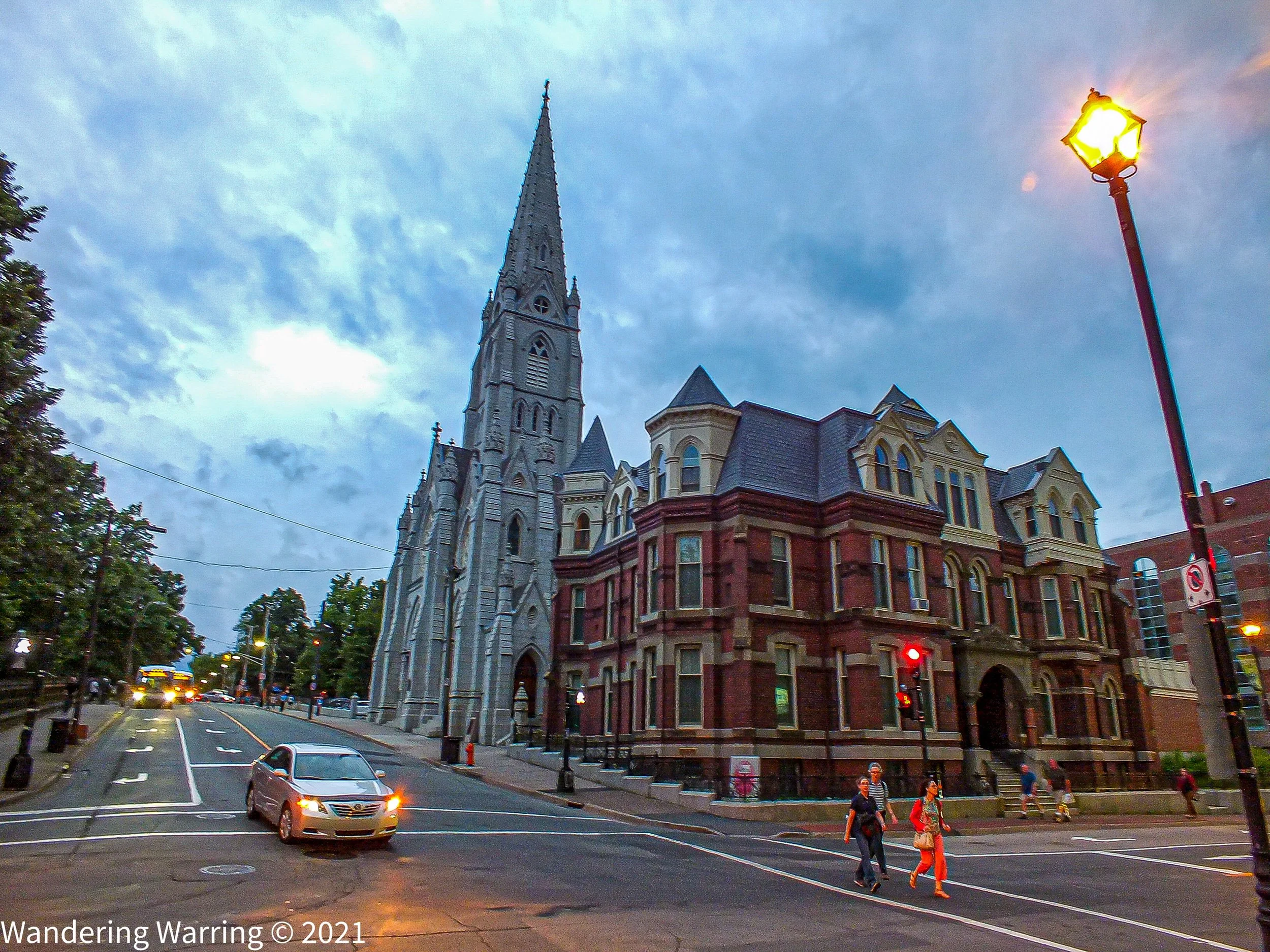
Downhill from the tower you can get lost in the grid of historic buildings. From old pubs and hotels, churches and historic cemeteries, to Alexander Keith’s brewery, where you can feel the history as you drink some of Canada’s iconic beer.
Maybe in the evening you can get yourself onto one of the cities classic Ghost Walks (Strongly recommend!) where a guide will take you around and tell you loads of lore and haunted tales from around this mystic old city.
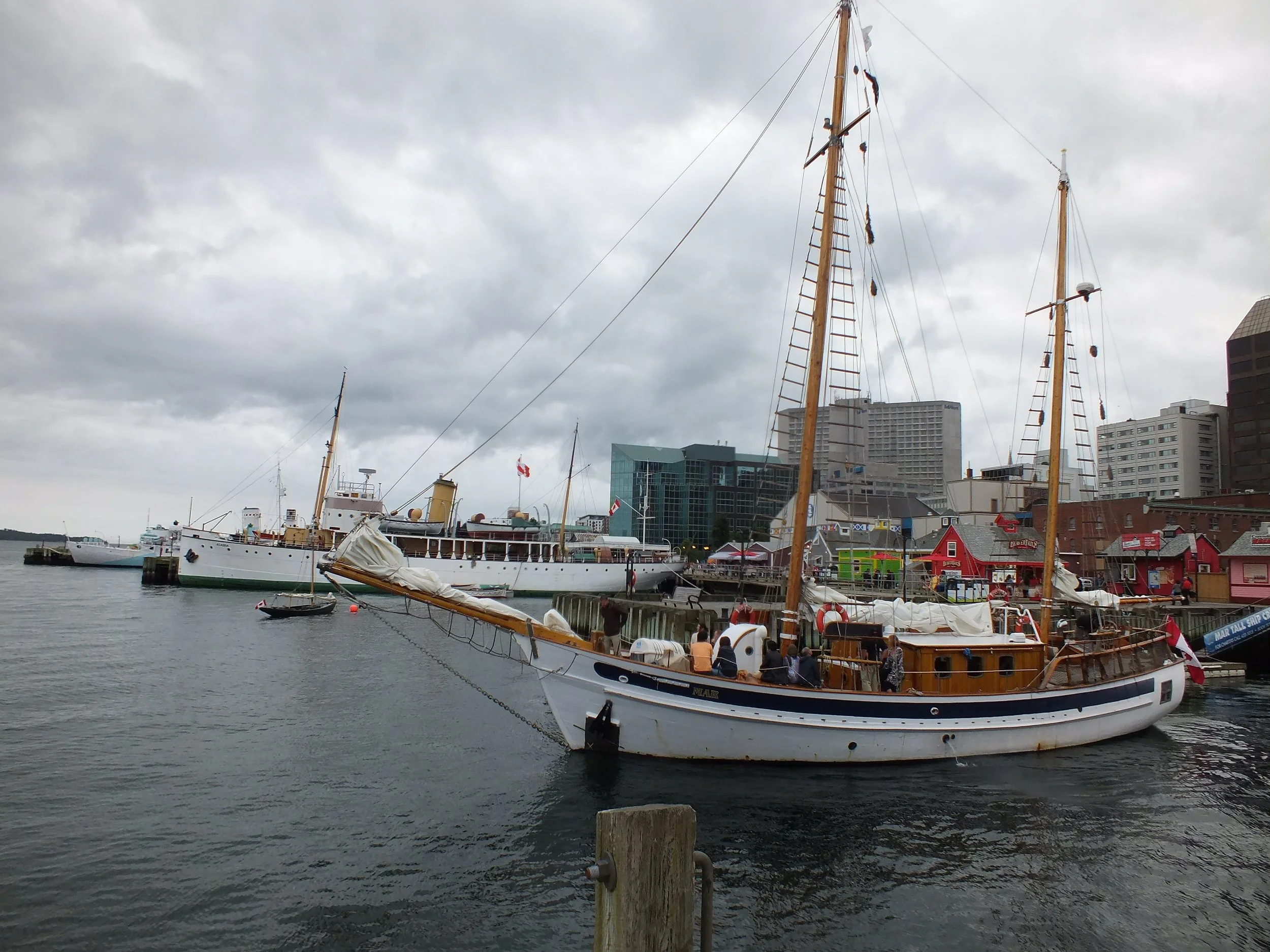
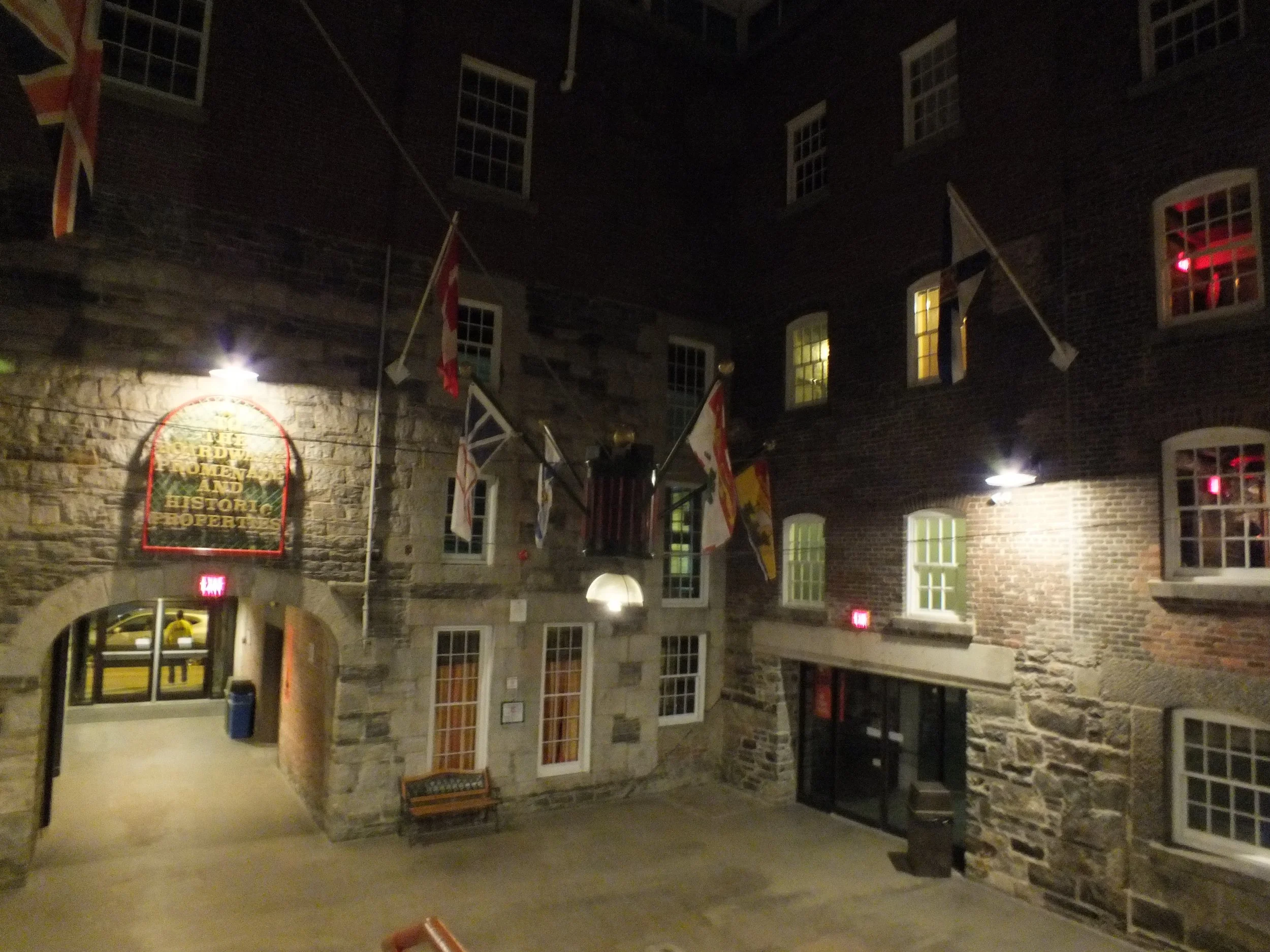
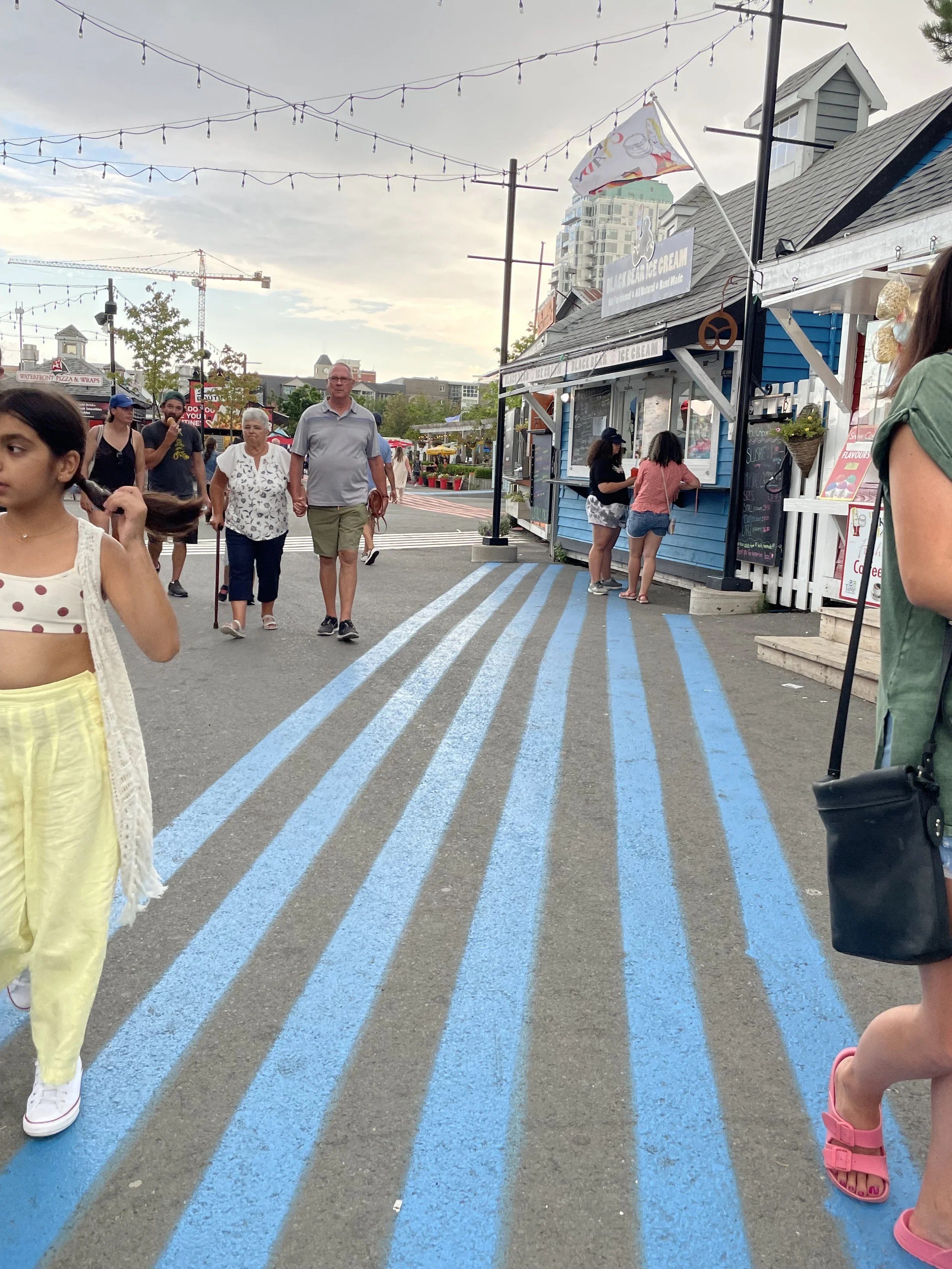
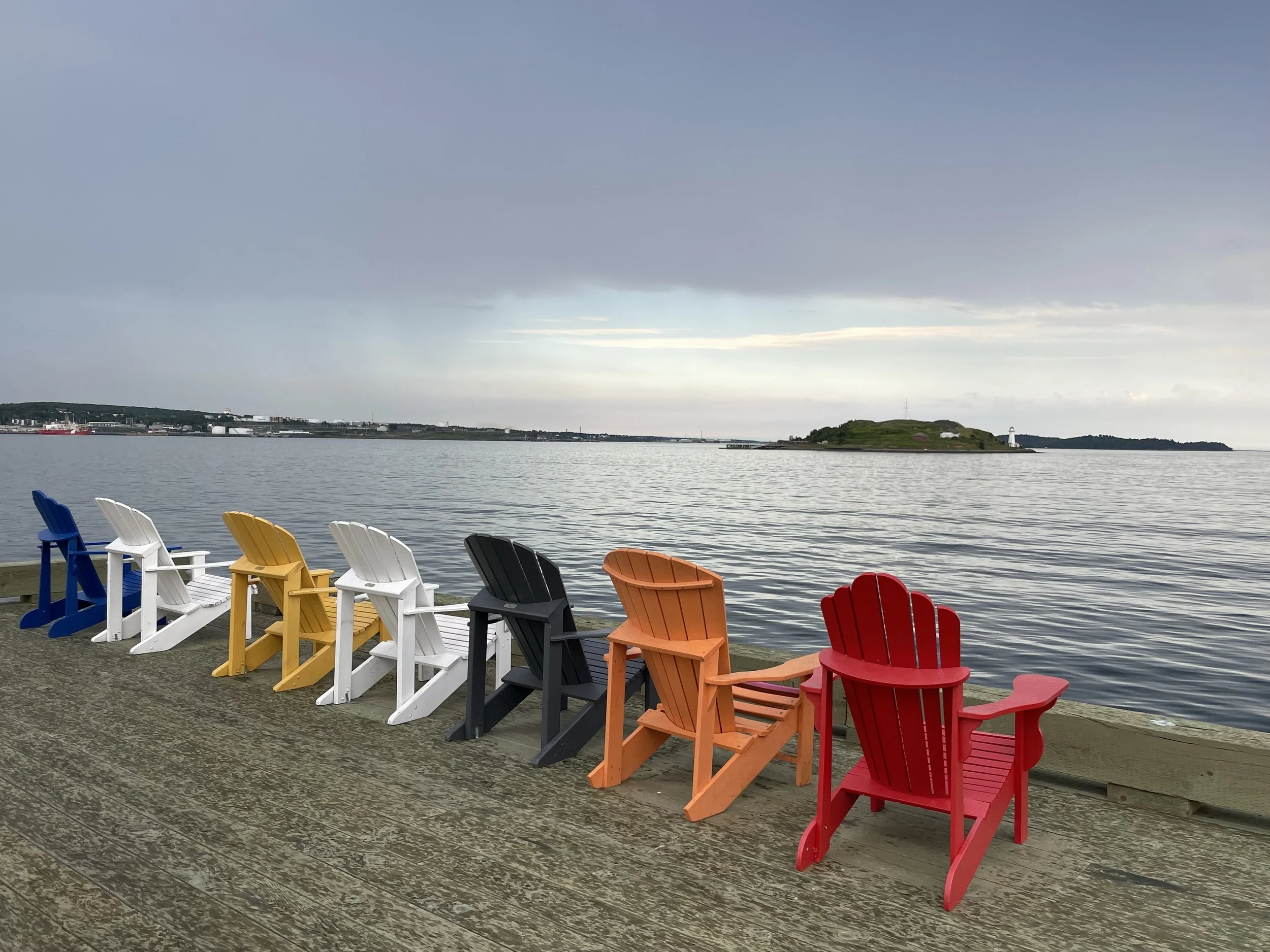
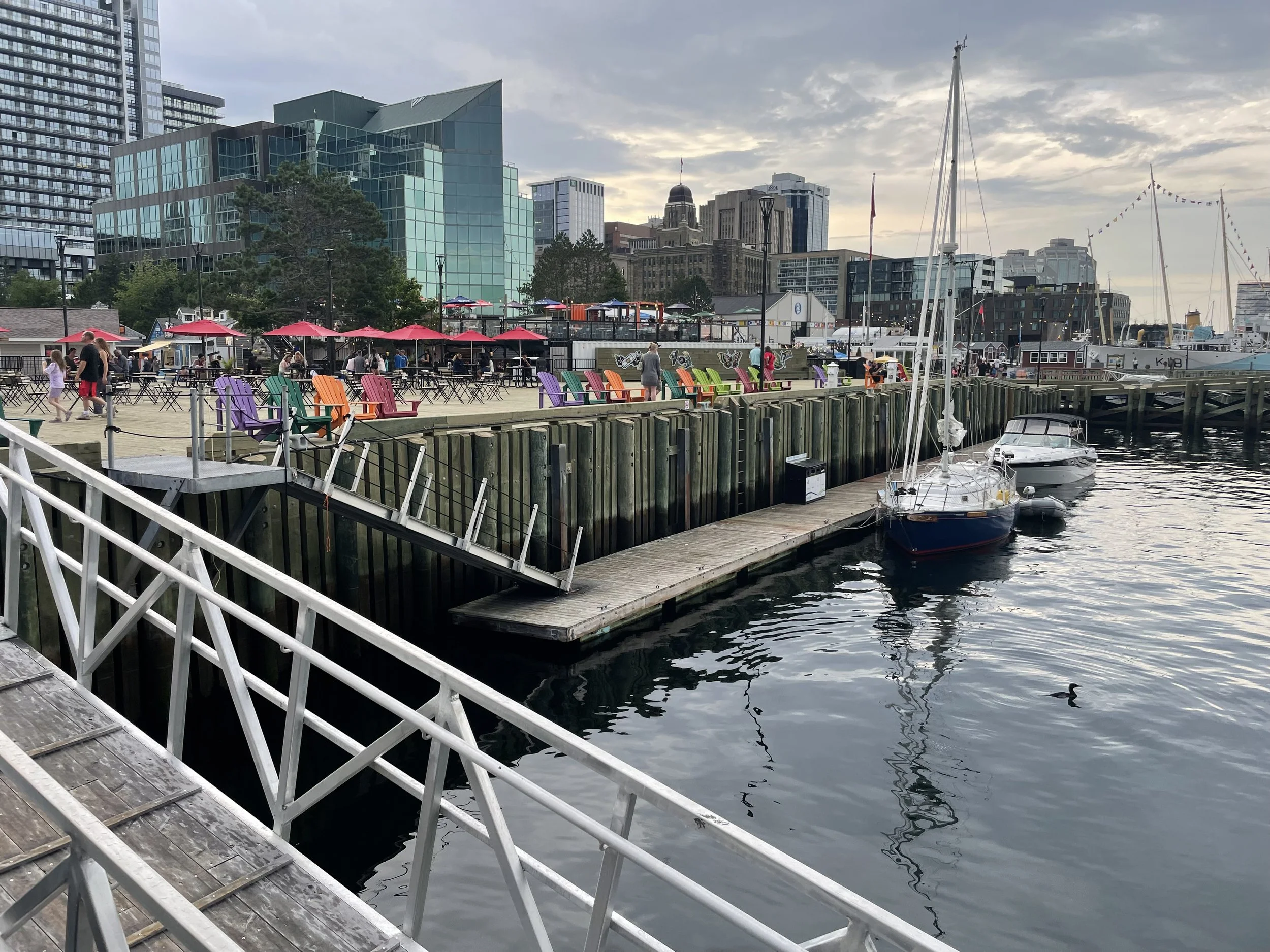
The modern day waterfront is beautifully cultivated into a hoppin’ tourist district with patios, live music, ocean views and good, east coast vibes all around. The boardwalk is a great place to spend a sunny afternoon, taking in the sights, the sounds, the tastes!
Whether you are seeking ocean views, great bars, great food, fascinating history or just some good ol’ fashioned Acadian charm, Halifax is a destination you need to make sure you don’t miss!
There you have it, 12 places in Canada that you must see in your lifetime!
Thanks for reading, please subscribe to my mailing list for lots of exciting advent
